How To Choose Food For A New Puppy: Vet-Approved Guide
Learn how to choose food for a new puppy with vet-backed tips on nutrients, labels, and portion sizes. Find the best kibble or wet food for healthy growth.
Pick a complete, vet-approved puppy diet matched to breed size and age.
If you want a clear, confident guide on how to choose food for a new puppy, you’re in the right place. I’ve helped many new pet parents navigate labels, myths, and marketing. Below, I lay out a simple plan, backed by veterinary standards and real-world tips you can use today.

What Your Puppy’s Body Needs Right Now
If you are wondering how to choose food for a new puppy, start with growth needs. Puppies need more protein, fat, and key nutrients than adult dogs. Look for a diet that is complete and balanced for growth. The bag or can should state it meets standards for growth or all life stages.
DHA from fish oil helps brain and eye development. Puppies also need the right calcium and phosphorus ratio. Too much can harm bones, especially in large breeds. Aim for diets that state they meet growth needs for large breeds if your pup will be big.
Watch your pup’s body condition. Ribs should be easy to feel with a slight waist. Healthy stool, bright eyes, and a shiny coat also show the food works well. Ask your vet to track growth and adjust calories as your pup grows.

Source: riverbankpet.com
How to Read a Puppy Food Label Like a Pro
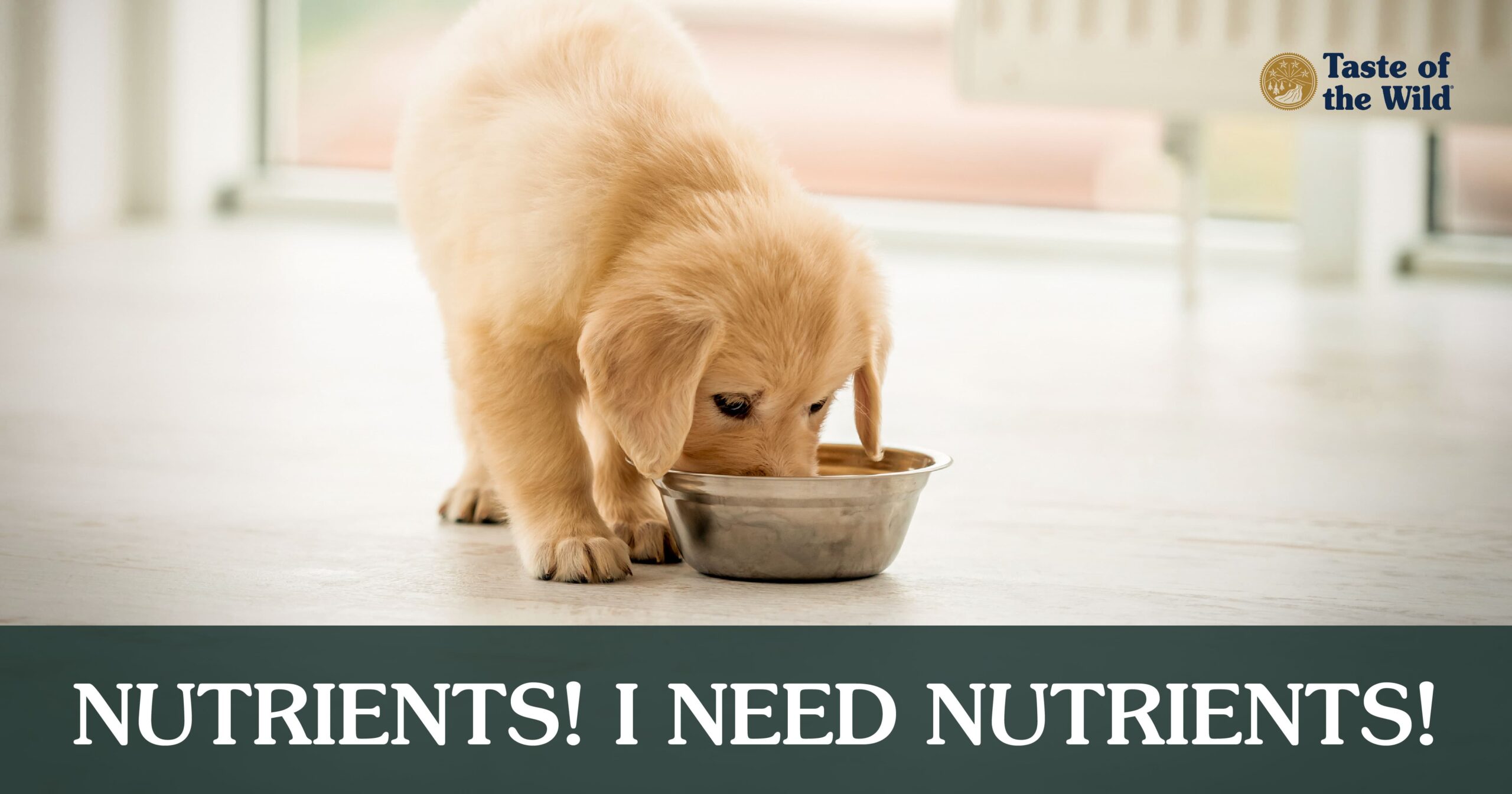
Knowing how to choose food for a new puppy means reading labels with care. Here is what to check first.
- AAFCO statement: It should say complete and balanced for growth or for all life stages. For big pups, look for “including growth of large size dogs.”
- Guaranteed analysis: Protein and fat should be higher than adult food. Fiber and moisture matter for digestion and stool.
- Calorie content: Compare calories per cup or can to manage growth and cost.
- Feeding guide: Use it as a start, then adjust by 10 to 20 percent based on your pup’s body.
- Manufacturer info: A phone number and lot code show good traceability.
Marketing claims like grain-free or holistic do not prove better nutrition. Strong brands back their food with research, feeding trials, and quality control. That is how to choose food for a new puppy with confidence.
Source: tasteofthewildpetfood.com
Dry, Wet, Fresh, or Raw: Which Fits Your Home?
Your lifestyle and your pup’s needs shape how to choose food for a new puppy. Each format has pros and cons.
- Dry kibble: Easy to store, often most budget friendly. Helps with training since you can use kibble as rewards.
- Wet food: Tasty and higher moisture. Good for picky eaters but costs more per calorie.
- Fresh-cooked: Gently cooked, often very digestible. Choose brands that meet growth standards and offer full nutrient balance.
- Raw diets: Some are balanced but require strict handling. There is a risk of harmful bacteria. Speak with your vet, especially if kids, older adults, or immune issues are in the home.
Home cooking without a vet nutritionist often misses key nutrients. If you go that route, get a custom recipe designed for growth. Safety, balance, and proof of nutrient targets should guide how to choose food for a new puppy.
Source: kinship.com
Size, Breed, and Life Stage: Why It Matters
Breed size changes how to choose food for a new puppy. Large breed puppies grow fast. They need controlled energy and careful calcium. Choose food that states it is suitable for large breed growth. This helps lower the risk of joint issues later.
Small breed puppies burn energy fast. They do well with calorie-dense food and small kibble. For flat-faced breeds, choose kibble shapes that are easy to pick up. Always look for growth-specific formulas until your vet says it is time to switch.
Life stage timing matters. Most pups stay on puppy formulas until 12 months. Giant breeds sometimes need longer. Your vet can guide the switch based on growth and body condition. This is a key step in how to choose food for a new puppy.
:max_bytes(150000):strip_icc()/daily-paws-how-to-choose-puppy-food-treats-0294da1b19674f19979b55163498f8a6.jpg)
Source: microcomenviro.com
Ingredients That Help, Ingredients to Limit
When learning how to choose food for a new puppy, think in terms of quality and balance.
Helpful ingredients:
- Named animal proteins like chicken, turkey, beef, salmon, or lamb
- DHA and EPA from fish oil for brain and joint health
- Prebiotics like chicory root and beet pulp to support gut bacteria
- Probiotics with identified strains and viable counts
- Whole grains like rice and oats for steady energy
Use caution with:
- Vague terms like “meat” without a species
- Heavy use of legumes as main ingredients if the diet is grain-free
- Added sugars and artificial colors
- Excess calcium or random supplements on top of a complete diet
Current research links some boutique and exotic ingredient diets to heart issues. The evidence is evolving. Focus on brands that publish data, do feeding trials, and answer detailed nutrition questions. That is a smart way to handle how to choose food for a new puppy.
Source: openfarmpet.com
Allergies, Sensitivities, and Special Diets
True food allergies in young puppies are not common. Still, sensitive stools, itchy skin, or ear issues can happen. Keep records of signs, stool quality, and ingredients. This helps your vet guide choices.
If your pup struggles, try a different protein or a veterinary therapeutic diet. Do not hop from bag to bag each week. Give new diets 2 to 4 weeks unless your vet says to stop sooner. This steady approach is key in how to choose food for a new puppy with tummy or skin issues.

Source: puppymansionmiami.com
How Much to Feed and How Often
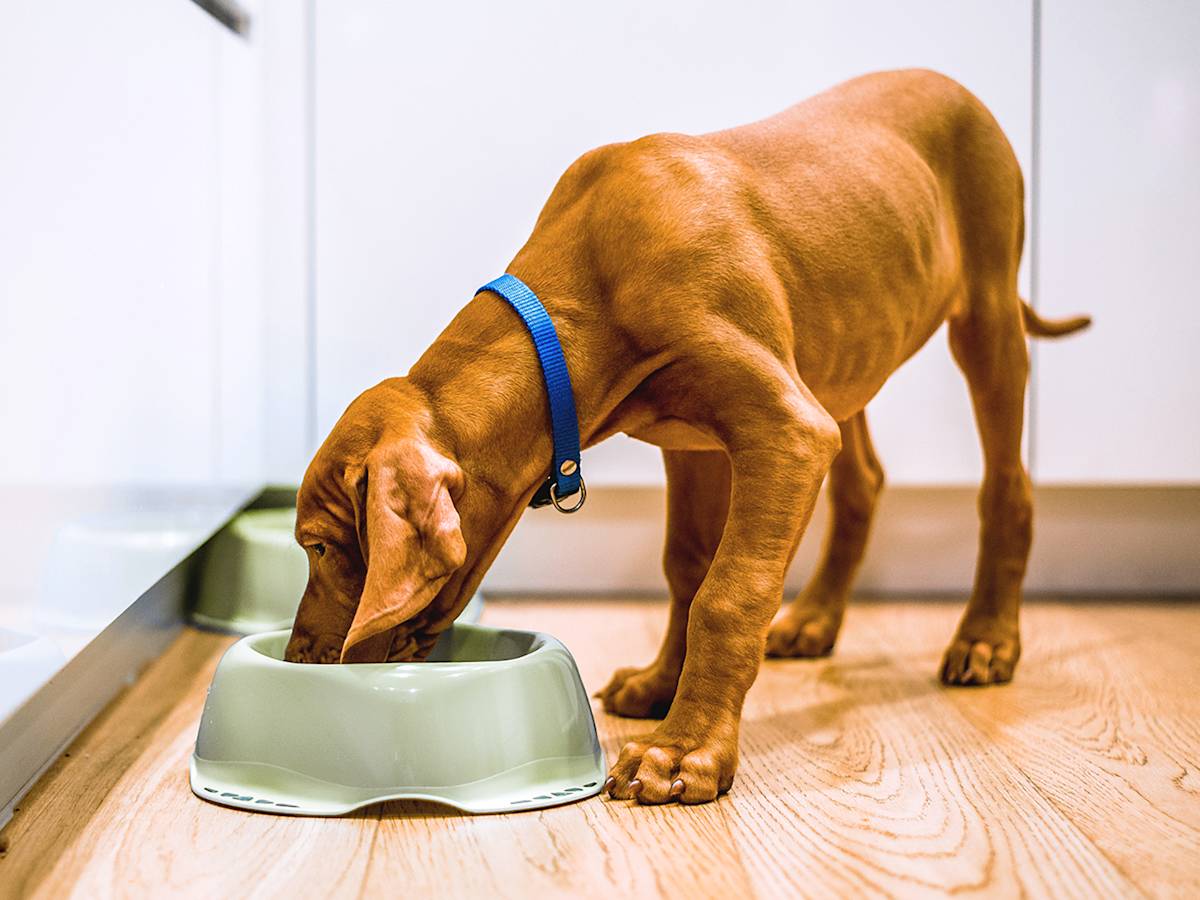
Portion control is a huge part of how to choose food for a new puppy. Use the label guide as a start. Weigh your pup weekly and watch body shape. Adjust food up or down in small steps.
- Under 12 weeks: Feed 3 to 4 times per day
- 3 to 6 months: Feed 3 times per day
- Over 6 months: Feed 2 times per day
Keep a score of body condition. You should feel ribs with light pressure and see a waist from above. Fresh water should be out at all times. Treats should be less than 10 percent of calories.

Source: walkinpets.com
Budget, Brands, and Safety Checks
Value matters when you plan how to choose food for a new puppy. Compare cost per 1,000 calories, not just bag price. A calorie-dense formula may cost less to feed daily.
Ask brands key questions:
- Do you employ a full-time board-certified nutritionist?
- Do you run feeding trials for growth?
- Do you own your plants and test ingredients for safety?
- Can you share typical nutrient values, not just minimums?
Store food in its original bag inside an airtight bin. Keep it cool and dry. Use it within the best-by date. These simple habits help you stay on top of how to choose food for a new puppy with safety in mind.

Source: olk9md.com
Common Mistakes to Avoid
Many new owners learn how to choose food for a new puppy the hard way. You can skip these pitfalls.
- Over-supplementing calcium or vitamins on top of complete diets
- Free feeding, which can lead to rapid growth and weight gain
- Switching foods too fast, causing tummy upset
- Choosing adult food too early
- Chasing trends without vet input
Simple, steady choices work best. Keep notes, measure meals, and stay in touch with your vet.
A Simple Step-by-Step Plan to Choose Food
Here is a fast, reliable method for how to choose food for a new puppy.
- Confirm life stage. Pick a diet labeled complete and balanced for growth. For big pups, it should include large breed growth.
- Match format to your home. Dry, wet, or fresh can all work. Avoid raw if you cannot manage safety risks.
- Check calories. Compare calories per cup or can and plan portions.
- Scan ingredients. Choose named proteins, DHA, and proven fiber sources.
- Vet the brand. Look for feeding trials, nutrition staff, and quality control.
- Test and track. Transition over 7 to 10 days. Watch stool, skin, and energy.
- Adjust portions. Use body condition as your guide, not only the bag chart.
- Recheck growth. See your vet monthly early on, then as advised.
Follow these steps, and you will feel sure about how to choose food for a new puppy.
Real-Life Example: Two Puppies, Two Plans
Here is how I helped two families figure out how to choose food for a new puppy. Max, a Labrador puppy, grew fast. We chose a large breed growth kibble with moderate calories and controlled calcium. His joints stayed healthy, and his weight stayed steady.
Luna, a tiny Yorkie, had a small mouth and got picky. We used a small kibble mixed with a spoon of wet food. It boosted taste and calories. She thrived, and her coat gleamed. Small tweaks made a big difference.
Transition Plan and Sample Day
A slow switch is vital when you work out how to choose food for a new puppy.
- Days 1 to 3: 25 percent new food, 75 percent old food
- Days 4 to 6: 50 percent new food, 50 percent old food
- Days 7 to 10: 75 percent new food, 25 percent old food
- Day 11 onward: 100 percent new food
Sample day for a 15-pound, 4-month-old pup:
- Breakfast: 40 percent of daily portion
- Lunch: 30 percent of daily portion
- Dinner: 30 percent of daily portion
- Treats: Less than 10 percent of daily calories, ideally part of the kibble
Adjust based on body condition, stool, and activity. When in doubt, check with your vet.
Frequently Asked Questions of how to choose food for a new puppy
Should I pick grain-free food for my puppy?
Not by default. Choose a complete growth diet that fits your pup and vet advice. Grain-free is not better unless there is a clear need.
When do I switch from puppy to adult food?
Most pups switch at 12 months. Large and giant breeds may wait until 15 to 18 months, based on growth and body condition.
How do I tell if a brand is trustworthy?
Look for feeding trials, a qualified nutrition team, and strong quality control. Brands that share data and answer questions are safer bets.
Can I add supplements to my puppy’s diet?
Not unless your vet says so. Complete diets already meet growth needs, and extra calcium or vitamins can harm your puppy.
What if my puppy is a picky eater?
Keep a schedule, limit treats, and try mixing a bit of wet food. If pickiness persists or weight drops, talk to your vet to rule out health issues.
Conclusion
Choosing well is simpler than it looks. Pick a complete growth diet that matches your puppy’s size, check brand quality, watch body condition, and adjust with care. Small, steady steps now build a strong, healthy adult dog.
Use the steps above this week. Compare two or three solid options, start a slow transition, and keep notes. If you need more help, talk with your vet, explore our related guides, and subscribe for more practical puppy care tips.

Pet Care Writer & Researcher
Daniel writes practical guides on daily care, feeding, and safety, turning complex topics into simple, actionable advice.