How To Leash Train A Puppy Without Pulling: Step-By-Step
Learn how to leash train a puppy without pulling with easy steps, the right gear, and rewards for loose-leash walks. Start calm walks today.
Reward calm walking, stop forward motion for pulling, and reinforce attention frequently.
You want stress-free walks with a happy puppy who chooses to stay by your side. That is exactly what we’ll build here. I’ve helped many new owners learn how to leash train a puppy without pulling, from wiggly eight-week-olds to bold adolescents. In this guide, I’ll share proven steps, simple tools, and real-life tips so you can teach loose-leash walking with confidence and kindness.
Why Puppies Pull and How Learning Works
Puppies pull because pulling works. When they pull, they reach the grass, the smell, the person, or the park faster. That forward motion rewards the behavior. So they do it more. Your job is to change what works.
Here is the good news. Puppies learn fast when you make the right choice easy and the wrong choice pointless. Stop moving when the leash gets tight. Move again and give a small treat when the leash is loose. Research on reward-based training shows dogs learn better, feel safer, and retain skills longer than when punished. This is the foundation of how to leash train a puppy without pulling.
Classical conditioning helps too. Treats near your leg make your side a happy place. Your steps become a cue for calm. That turns walks into a team game.
Gear You Need for Loose-Leash Success
You do not need fancy tools. You do need safe, simple gear that helps you guide the puppy and keep control.
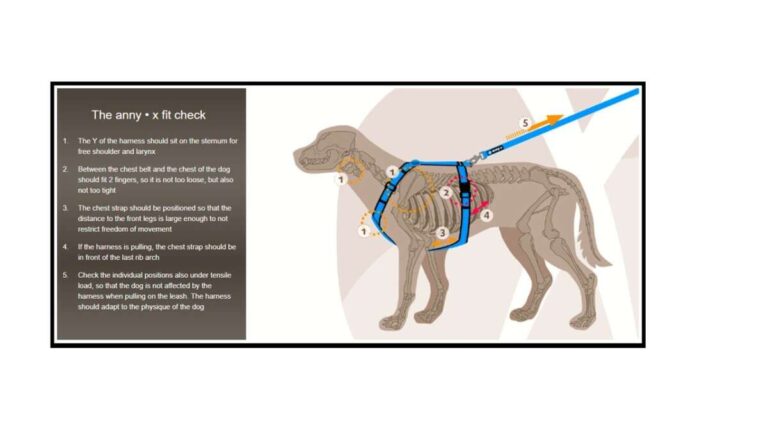
- Front-clip harness. Helps turn the pup toward you and reduces pulling force.
- Flat collar with ID tags. Use for identification, not for corrections.
- Six-foot leash. Offers room but still keeps good control. Skip retractable leashes.
- High-value treats. Use soft, pea-size pieces the puppy loves.
- Treat pouch or pocket. Keep rewards handy, not at the bottom of a bag.
- Clicker or marker word. Mark the exact moment the leash is loose.
- Long line for practice in quiet spaces. This builds attention with low risk.
The right setup makes it easier to show how to leash train a puppy without pulling, while keeping growth plates and the neck safe.
Step-by-Step: How to Leash Train a Puppy Without Pulling
Follow these short, clear steps. Keep sessions fun and brief. End while the puppy still wants more.
- Start inside. Practice in your living room first. No hard sights or smells.
- Build name and focus. Say the name once. Mark and treat when the pup looks at you.
- Teach a hand target. Present your hand. When the nose taps it, mark and treat. This guides turns.
- Position at your side. Lure the pup to your left or right leg. Feed at knee level to anchor the spot.
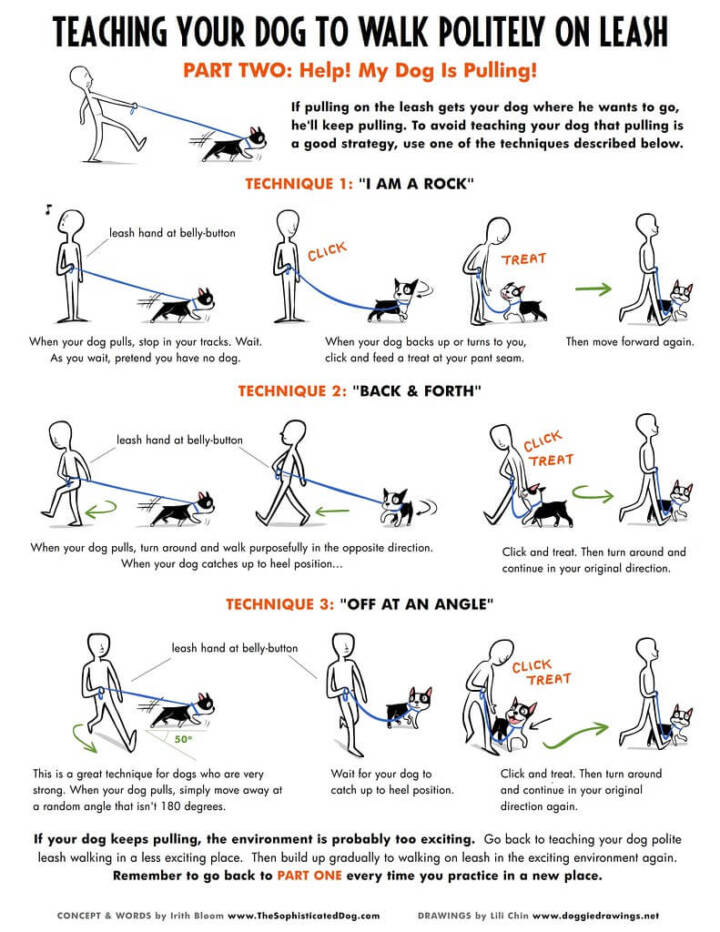
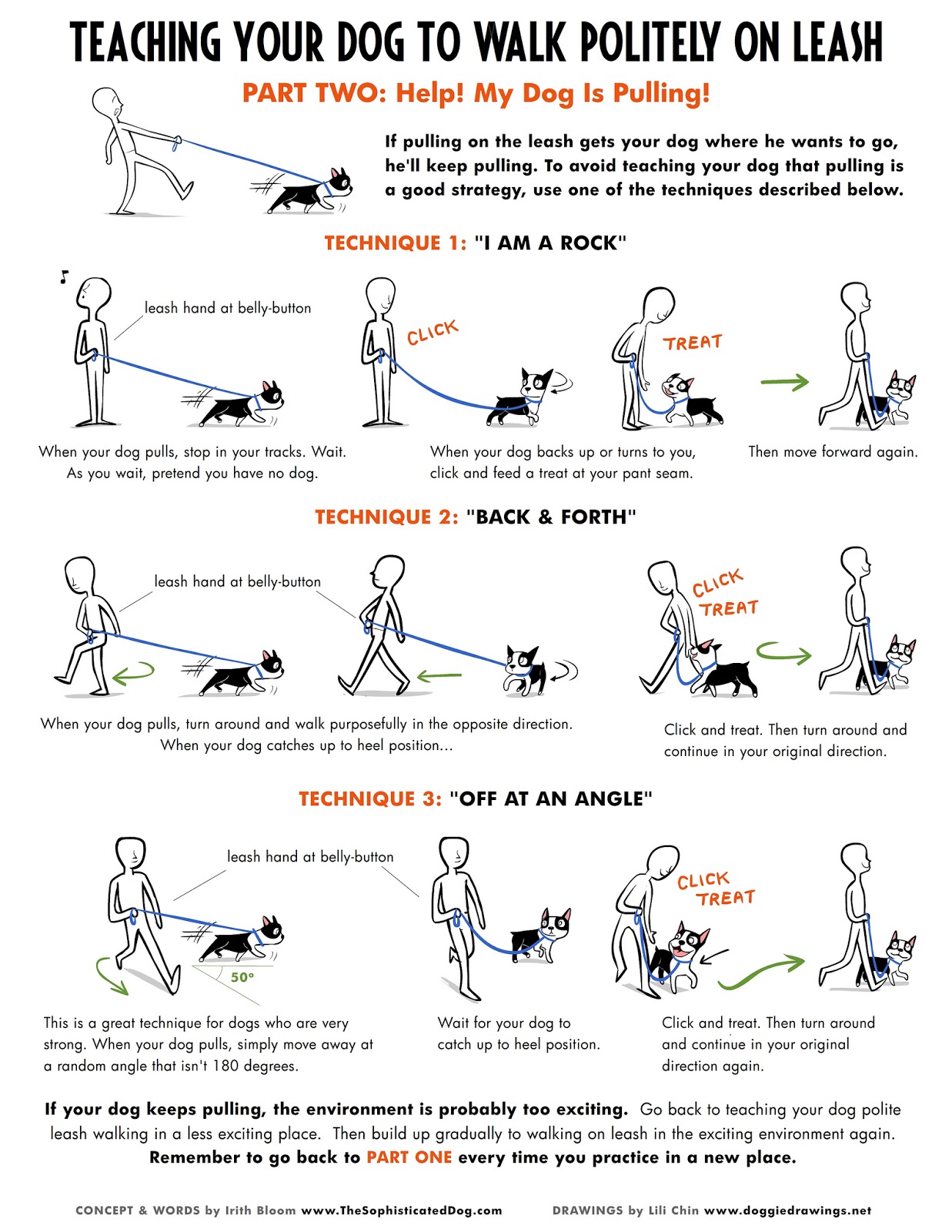
- Mark loose leash. Take one step. If the leash stays slack, mark and treat by your leg. Repeat two to three times.
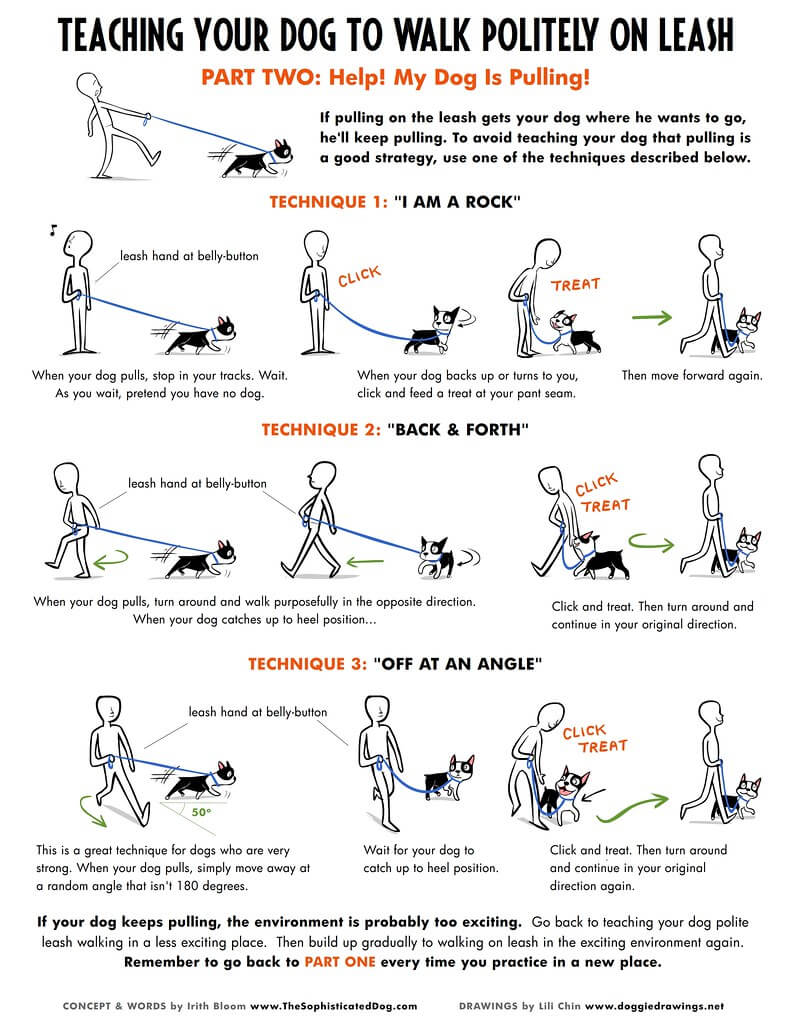
- Use red light, green light. If the leash tightens, stop at once. Wait for slack or a glance back. Mark. Step again. This shows that pulling stops the fun.
- Feed the path you want. Drop a treat every two to three steps at your seam. Your side becomes the snack bar.
- Add patterns. Walk five steps, treat. Walk seven, treat. Vary it so the puppy keeps checking in.
- Add gentle turns and U-turns. Say “this way,” turn, and pay when the pup follows. Hand targets help here.
- Layer in mild distractions. Move to a driveway or quiet sidewalk. Keep the rate of pay high at first.
- Use sniff breaks on cue. Say “go sniff,” let the pup explore for 20 to 30 seconds. Call back, pay, and walk. Sniffing is a natural reward for calm walking.
- Proof in real life. Visit a park at off-peak times. Keep sessions short. Leave on a win.
As you work, say out loud what works: “Loose leash, we go.” “Tight leash, we stop.” Small, clear rules help you stay calm. This is the heart of how to leash train a puppy without pulling. In my shelter classes, this step plan turned wild pullers into steady walkers in two weeks of daily five-minute reps.
Common Mistakes and How to Fix Them
Avoid these common traps. Your walks will improve fast.
- Walking forward while the leash is tight. Fix by stopping the instant the leash tightens.
- Using a retractable leash. It teaches the dog to pull for more line. Use a six-foot leash instead.
- Paying too late. Mark the slack moment. Feed by your leg, not in front.
- Long, boring sessions. Keep it under five to eight minutes. Do two to three short sessions a day.
- No sniff breaks. Use “go sniff” as a reward for calm steps.
- Inconsistent rules. Make sure every family member follows the same plan.
- Harsh corrections. Aversive tools can cause fear or injury. Reward calm choices instead.
- Treats too dull. Use soft, high-value food when you raise the challenge.
When you fix these, you will see how to leash train a puppy without pulling becomes simple and kind.
Real-Life Scenarios and Training Plans
Life is messy. Here is how to keep progress when the world gets busy.
- Busy sidewalk. Start on the quiet side of the street. Walk past one doorway. Reward every one to two steps. Cross back if the pup gets stuck.
- Park with squirrels. Begin 50 feet from the action. Pay for eye contact and one to three calm steps. End with a short “go sniff.”
- Apartment hall. Walk to the end and back with a treat every few steps. Add elevator waits with sits and quiet rewards.
- Meeting people. Ask for a sit before greetings. If the leash tightens, step back, wait for slack, then try again.
- Rain or wind days. Train in a garage or lobby. Keep it short and warm.
Try a one-week plan:
- Day 1 to 2: Indoors, five-minute sessions, three times a day.
- Day 3 to 4: Driveway or quiet block, two short loops.
- Day 5 to 6: Park at a calm hour, short reps with breaks.
- Day 7: Mix places. Log progress.
Stick to the rules and you will see how to leash train a puppy without pulling works in any setting.
Troubleshooting by Temperament and Age
Every puppy is unique. Adjust the plan to fit.
- Shy pups. Use extra distance from triggers. Pay for small wins like a head turn or one step.
- Bold, high-drive pups. Use more pattern games and quick turns. Keep rewards rapid at first.
- Small breeds. Keep treats tiny. Walk on smooth ground. Big steps can overwhelm short legs.
- Teens in the “wild child” phase. Expect relapse. Go back to easy reps. Raise pay again for two to three days.
- Easily frustrated pups. Add more sniff breaks and resting spots.
These small tweaks help you master how to leash train a puppy without pulling while meeting your pup’s needs.
Evidence, Safety, and Ethical Training Standards
Choose kind methods. Reward-based plans are linked with better learning, less stress, and fewer behavior risks. Punishment can suppress signs but raise fear and reactivity later. Puppies have delicate necks and soft tissue, so avoid leash pops and pressure on the throat.
Aim for LIMA standards: least intrusive, minimally aversive. If you feel stuck, get help from a credentialed trainer or talk to your vet. Medical pain, like a sore hip, can fuel pulling or refusal to walk. With safe methods and good checks, you can trust how to leash train a puppy without pulling will protect both welfare and progress.

Tracking Progress and Staying Motivated
What you track improves. Keep a simple log of:
- Location, length of session, and number of pulls.
- Rewards used and distractions faced.
- Best win of the day.
Two fast tests help:
- Five-step test. Can your pup take five loose steps in a new place?
- Cookie count. Can you fade from a treat every step to every five steps?
As weeks pass, treats become less frequent and praise, motion, and sniff time do more work. This is a steady way to live how to leash train a puppy without pulling, not a quick fix that fades.

Frequently Asked Questions of how to leash train a puppy without pulling
What age should I start leash training?
You can start as soon as your puppy comes home. Keep sessions short, gentle, and full of rewards.
How long does it take to see results?
Most families see progress in one to two weeks with daily practice. Full proofing in busy spots can take a month or more.
Should I use a no-pull harness?
A front-clip harness can help you guide the puppy and reduce force. It does not teach by itself, but it supports your training.
What if my puppy freezes and will not walk?
Check for fear or overwhelm and increase distance from triggers. Reward even one step, and keep sessions short and calm.
Can I walk before vaccines are complete?
Talk to your vet about your area’s risk. You can train indoors, in a yard, or on clean, low-risk surfaces until shots are done.
How do I handle pulling toward other dogs?
Add distance, ask for a sit or hand target, and pay well. If the leash tightens, step away, wait for slack, then try a calmer approach.
What treats work best?
Use soft, smelly treats that your puppy loves, cut very small. Rotate flavors to keep interest high.
Conclusion
Loose-leash walking is a skill, not a battle. With the right gear, clear rules, and steady rewards, your puppy will learn to choose you over the world. Start small, keep it kind, and celebrate each calm step.
Take action today. Try two five-minute sessions, use stop-and-go rules, and pay well for slack. Want more support? Subscribe for weekly training plans, or share your progress and questions in the comments.

Pet Care Writer & Researcher
Daniel writes practical guides on daily care, feeding, and safety, turning complex topics into simple, actionable advice.