How To Clean Dog Teeth Naturally: Vet-Approved Tips 2026
Learn how to clean dog teeth naturally with safe, vet-backed home methods. Reduce plaque, freshen breath, and save on bills with easy daily routines.
Brush daily with dog-safe paste, add dental chews, water additives, and routine checks.
You want real results, not vague tips. Here’s how to clean dog teeth naturally the right way—based on proven habits, safe tools, and simple daily steps. I’ve helped many dog parents build stress-free routines, and I’ve made the same mistakes you might make. Stick with me, and you’ll learn how to clean dog teeth naturally without guesswork, fear, or fancy gimmicks.

Why natural dental care matters
Most dogs show signs of gum disease by age three. Plaque builds fast and hardens into tartar. That leads to bad breath, sore gums, and tooth loss. Bacteria can even reach the heart, liver, or kidneys.
A natural routine helps you get ahead of plaque each day. You keep teeth clean with soft tools, safe chews, and smart food choices. You also catch small problems before they turn big.
I’ll show you how to clean dog teeth naturally in steps you can use tonight. No stress. No mess. Just a steady plan that works.

How plaque forms and why timing wins
Plaque is a sticky biofilm that forms within hours after eating. In 48 to 72 hours, it can harden into tartar. Tartar is tough. You cannot wipe it off. It needs a vet cleaning.
This timing is your edge. If you clean daily, you keep plaque soft and easy to remove. If life gets busy, aim for at least three days a week. That alone can help a lot.
Think of plaque like wet paint. Wipe it while it’s fresh, and life is easy. Wait a few days, and it sets like stone.

A simple daily routine: how to clean dog teeth naturally
Start small and make it fun. The goal is progress, not perfection.
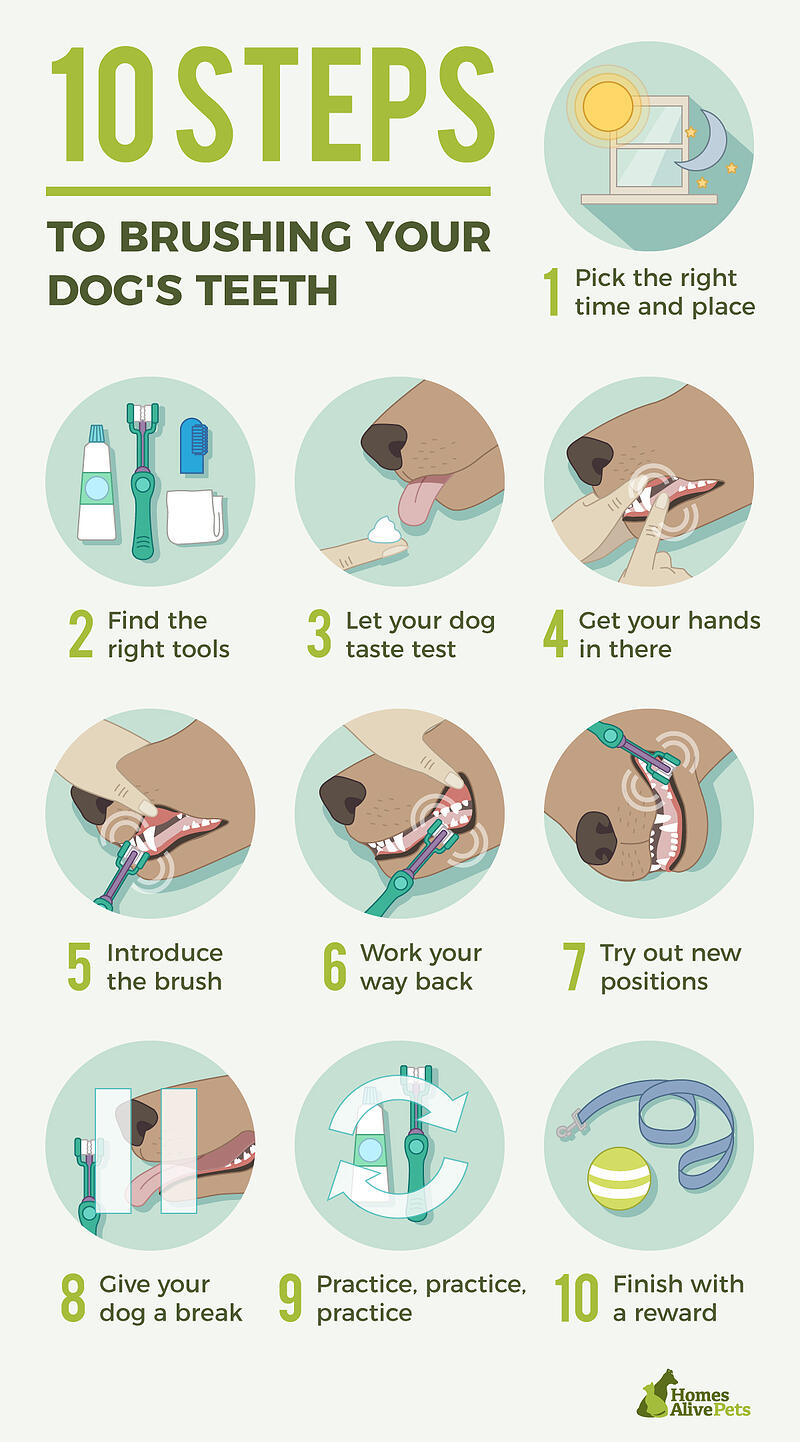
- Put a pea-sized amount of dog-safe toothpaste on your finger. Let your dog lick it so they link the taste with a reward.
- Gently rub the outer surfaces of teeth with a finger brush or soft brush. Focus on the cheek side of the back teeth. That’s plaque central.
- Use slow, tiny circles for 30 to 60 seconds per side. Aim for two minutes total.
- If brushing is new, use dental wipes for the first week. Wipes can lift fresh plaque well.
- Add a vet-approved water additive to help slow plaque. Measure as directed.
- Offer a safe dental chew after dinner. Chewing increases saliva and helps scrub teeth.
- Do a quick mouth check. Look for red gums, brown tartar, or sore spots.
In my home, I learned not to battle my dog. I paired brushing with a lick mat and praise. Within two weeks, he sat for it like a champ. That shift made how to clean dog teeth naturally feel easy, even on busy nights.
Natural tools and ingredients that work
Choose products with a track record. Natural does not mean untested.
- Toothbrush and finger brush: A small, soft brush is best. Finger brushes help skittish dogs at first.
- Dog-safe toothpaste: Enzymatic pastes help break down plaque. Choose mild flavors your dog likes.
- Dental wipes: Great for beginners and travel days. Wipe the outer surfaces well.
- Water additives: Some blends reduce plaque and freshen breath. Follow dosing closely.
- Seaweed powder (Ascophyllum nodosum): Research shows it can reduce plaque and tartar over time when used as directed. Sprinkle on food, not for puppies without vet advice.
Be cautious with home hacks. Baking soda can upset stomachs. Apple cider vinegar can irritate gums. Essential oils and tea tree oil are risky. Xylitol is toxic. When in doubt, skip it.

Chews, bones, and diet: what’s actually safe
Chewing helps clean teeth, but choices matter more than hype.
- Safer chews: Dental chews tested for plaque control, rubber toys with ridges, or soft nylon made for dental use. Supervise.
- Caution with animal products: Bully sticks are high in calories and can carry germs. Rawhide can cause choking or blockages.
- Bones: Avoid cooked bones. Raw weight-bearing bones of large animals can crack teeth. If you use raw meaty bones, choose softer options sized to your dog, and supervise closely. Ask your vet first.
Food matters, but kibble alone will not clean teeth. Some dental diets use special fiber to scrub as dogs chew. For a natural plan, mix daily brushing, safe chews, and a balanced diet. That trio does more than any one trick.

Training your dog to love tooth cleaning
Make it a game. Keep sessions short. End on a win.
- Start with mouth handling. Touch the lips. Treat. Lift the lip. Treat. Repeat.
- Introduce the brush without paste. Touch a tooth. Treat. Stop before your dog pulls away.
- Add paste when your dog looks relaxed. Let them lick the brush first.
- Use a cue word like “teeth time.” Cue, brush a few teeth, reward big.
- Build to two minutes over one to two weeks.
I’ve shown many nervous dogs this path. The secret is slow steps and rich rewards. When you follow this, how to clean dog teeth naturally turns into a habit your dog expects.

DIY dog toothpaste recipe and what to avoid
A gentle DIY paste can help with training or picky eaters. It is not a cure by itself.
- Simple DIY paste:
- 2 tablespoons coconut oil
- 1 teaspoon finely ground dried parsley
- 1/2 teaspoon seaweed powder (Ascophyllum nodosum)
- Mix and store in the fridge for up to one week.
Use a pea-sized amount. Brush or wipe daily. If your dog has pancreatitis, skip coconut oil.
Avoid these in any “natural” paste:
- Baking soda, hydrogen peroxide, or salt
- Essential oils, clove, tea tree, or citrus oils
- Human toothpaste or anything with xylitol
Store-bought enzymatic pastes are well tested. I use them most days and rotate flavors so my dog stays keen. That balance makes how to clean dog teeth naturally both safe and simple.

A weekly schedule you can actually follow
Consistency beats intensity. Here’s a plan most families can do.
- Monday to Friday: Brush at night. Offer a safe dental chew after dinner.
- Saturday: Brush, then inspect teeth and gums under bright light. Wipe if you skipped a day.
- Sunday: Brush and refresh gear. Replace the brush every three months. Wash toys and bowls.
Set a phone reminder titled “how to clean dog teeth naturally.” It sounds silly, but it works. Small nudges build big habits.
When natural care isn’t enough
Some mouths need a pro touch. That’s okay.
Watch for these signs:
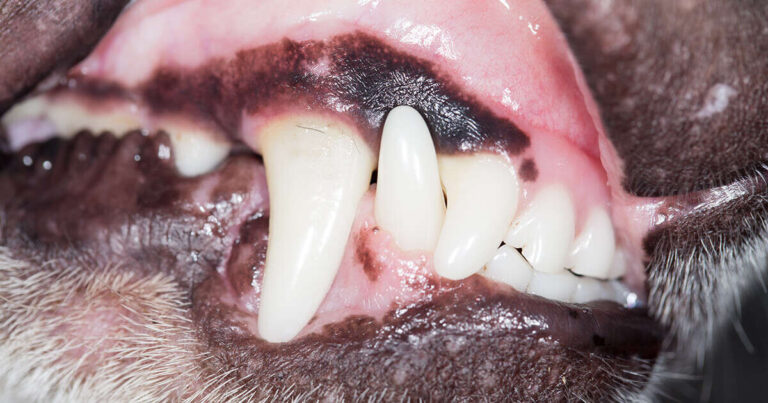
- Brown tartar stuck near the gum line
- Red, swollen, or bleeding gums
- Loose or broken teeth
- Bad breath that does not improve
- Pain while eating or dropping food
Only a professional cleaning under anesthesia can remove heavy tartar below the gum line. Anesthesia-free cleanings polish the surface but miss disease. If you’re unsure, ask your vet for a dental exam and X-rays. After a pro cleaning, how to clean dog teeth naturally keeps results longer.
Common mistakes to avoid
- Waiting for bad breath before you act. Start early, even with puppies.
- Brushing once a week and hoping for the best. Daily wins.
- Using harsh DIY mixes that irritate gums.
- Handing over hard bones that can crack teeth.
- Skipping vet checks. Small dogs and brachy breeds need closer watch.
Avoid these traps, and how to clean dog teeth naturally will feel smoother and safer.
Evidence at a glance
What research and clinical experience agree on:
- Daily brushing is the gold standard for plaque control.
- Plaque hardens into tartar within two to three days if not removed.
- Certain dental chews reduce plaque and calculus when used as directed.
- Seaweed powder (Ascophyllum nodosum) can reduce plaque and improve breath over weeks.
- Diet texture and fiber help, but food alone does not prevent disease.
This is why every strong plan for how to clean dog teeth naturally blends brushing, chewing, and checkups.
Frequently Asked Questions of how to clean dog teeth naturally
How often should I brush my dog’s teeth?
Daily is best because plaque forms fast. If daily is hard, aim for at least three to four times a week.
Are carrots or apples good for cleaning teeth?
They help with light plaque and boost saliva. They don’t replace brushing or vet care.
What if my dog hates the toothbrush?
Start with wipes and finger brushes. Pair each step with treats and build up slowly.
Do water additives really work?
Some do, and they help as part of a routine. Use a vet-approved product and follow the label.
Can I use baking soda on my dog’s teeth?
It’s not a good idea. It can upset the stomach and irritate gums.
Are raw bones safe for dental health?
They can clean but also crack teeth or cause illness. Talk to your vet and supervise if you choose them.
Does dry food keep teeth clean?
Not by itself. Some dental diets help, but brushing and chews matter most.
Conclusion
You now know how to clean dog teeth naturally with real steps that work. Brush daily, add safe chews, use simple aids, and watch for early signs of trouble. Small actions, done often, beat big efforts done once in a while.
Pick one step to start tonight. Set a reminder. In two weeks, you’ll see fresher breath and cleaner gums. If you found this helpful, share it with a friend, subscribe for more pet care guides, or drop your questions in the comments.

Pet Care Writer & Researcher
Daniel writes practical guides on daily care, feeding, and safety, turning complex topics into simple, actionable advice.