How Often To Bathe A Dog Safely: Vet-Approved Guide
Learn how often to bathe a dog safely with vet tips, coat-type schedules, and mistakes to avoid. Keep your pup clean, comfortable, and skin-healthy.
Most dogs need a bath every 4–8 weeks, based on coat and lifestyle.
You care about your dog’s skin, smell, and shine. I do too. As a pet care pro, I’ll walk you through how often to bathe a dog safely, and how to do it right. You’ll learn clear rules, real examples, and vet-backed tips you can use today.
Why bathing frequency matters
Bathing is not only about smell. It is skin care. Your dog’s skin has a thin oil layer. It keeps germs out and moisture in. Too many baths can strip that layer. Too few can let yeast, fleas, or dirt grow.
Healthy skin helps the coat shed well. It also cuts itch and hot spots. If you want to know how often to bathe a dog safely, you must start with the skin. Good skin is the base of a happy, clean dog.
The core rule of thumb by coat type
Use this simple map. Adjust for your dog’s life and health.
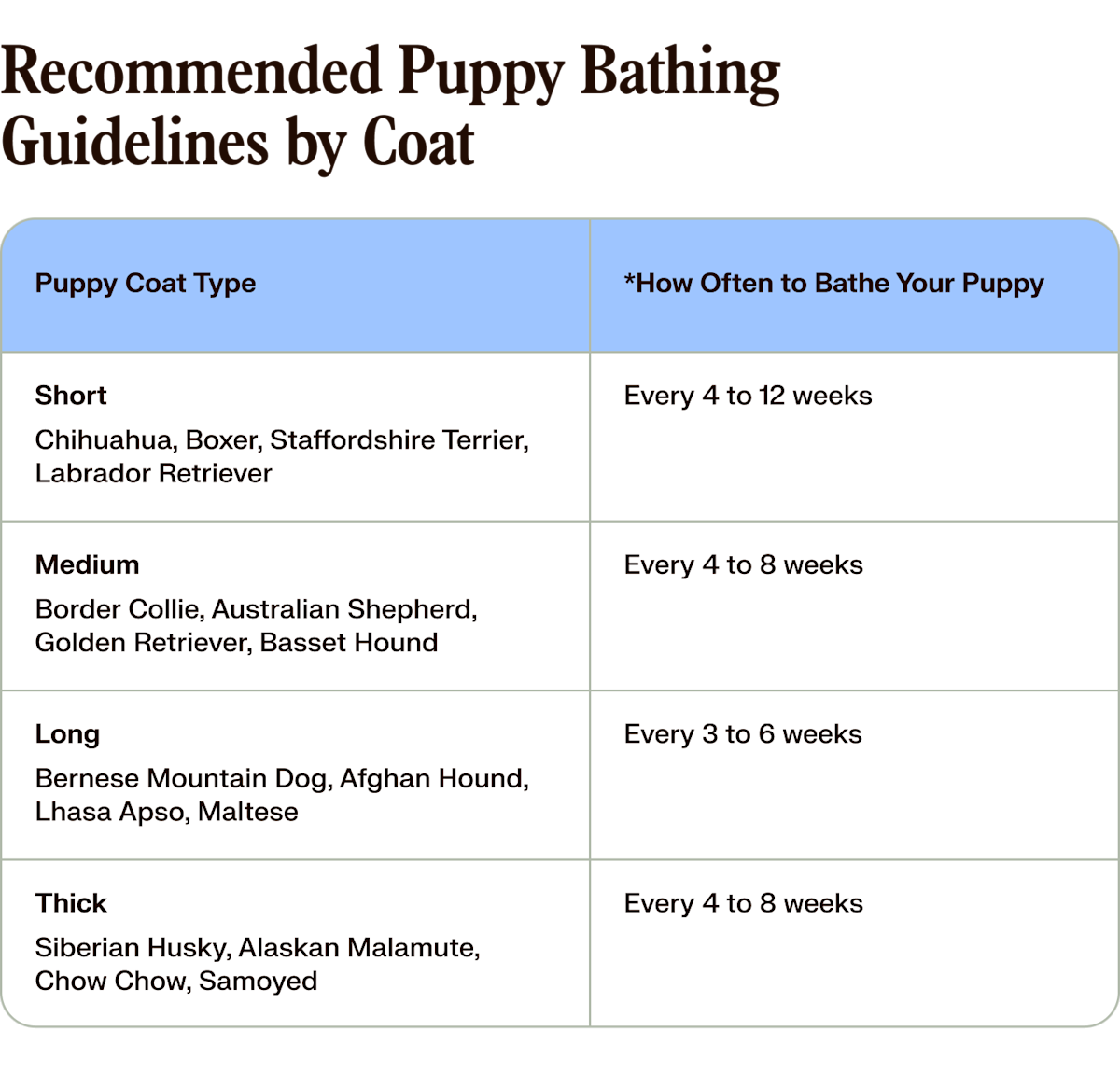
- Smooth or short coat (Beagle, Vizsla): Every 6–8 weeks. Quick rinses in between if muddy.
- Double coat (Labrador, Husky): Every 6–10 weeks. Focus on brushing to move oils and lift undercoat.
- Long or silky coat (Yorkie, Maltese): Every 3–4 weeks. Use conditioner to prevent tangles.
- Curly or wool coat (Poodle, Doodle): Every 3–6 weeks. Follow with a full brush and dry to avoid mats.
- Wire coat (Schnauzer, Terrier): Every 4–6 weeks. Hand strip or card to protect texture.
- Oily skin breeds (Basset, some Spaniels): Every 3–4 weeks with a mild, degreasing formula.
- Hairless breeds (Xolo, Chinese Crested): Weekly gentle baths. Then moisturize to protect skin.
I teach owners to ask two things: Can I run a comb from skin to tip with no snags? Is the skin calm, not red or flaky? If yes, you are close to how often to bathe a dog safely.
Factors that change the schedule
Your dog is not a chart. Real life shifts the plan.
- Activity level. Hikes, ponds, daycare, beach days need more rinses and faster baths.
- Climate. Dry winters call for fewer baths and more moisture. Humid summers may need more.
- Allergies. Pollen sticks to coat. More frequent baths can help a lot.
- Health meds. Flea, tick, or skin drugs may set bath timing. Read the label.
- Home air. Dust, smoke, or city grime mean more rinses and wipe downs.
- Grooming tools. Great brushing can stretch time between baths.
When people ask me how often to bathe a dog safely, I say start with the rule of thumb, then adjust for these factors.

How to bathe a dog safely, step by step
This is the method I use with clients and my own dogs.
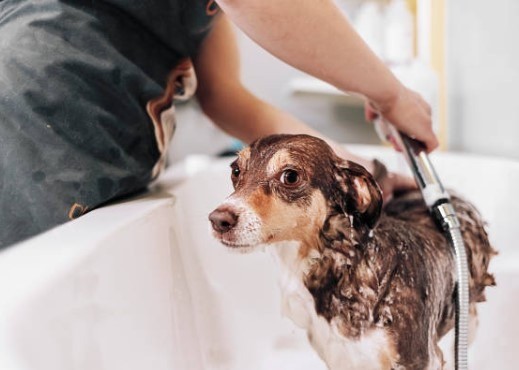
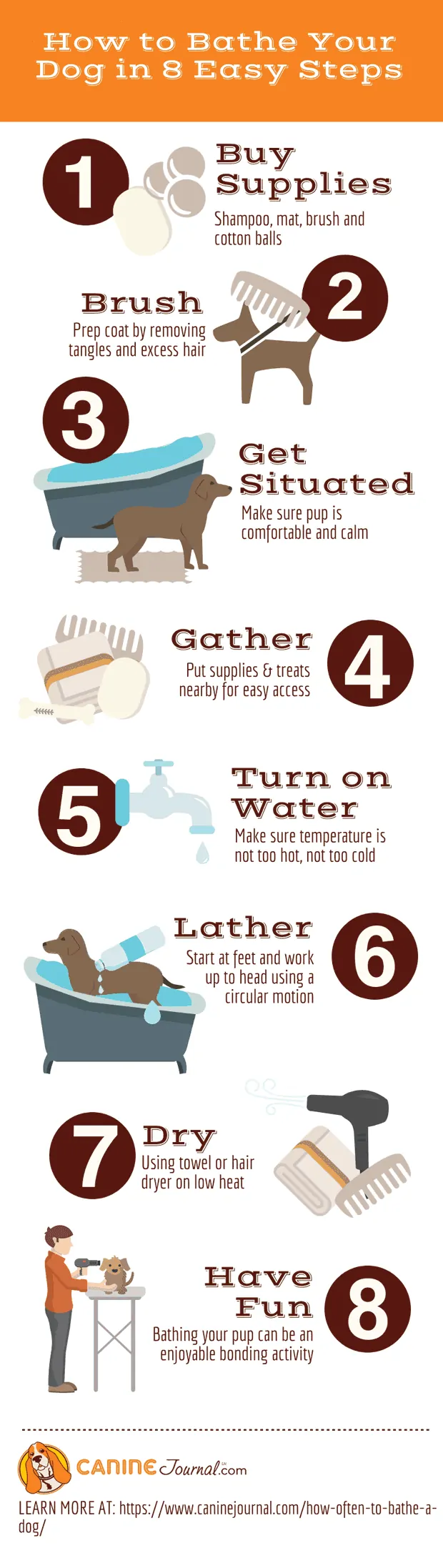
- Brush first. Remove mats before water. Water makes knots worse.
- Prep the tub. Use a non-slip mat. Gather towels and treats.
- Water temp. Use lukewarm water. Not hot. Not cold.
- Protect ears. Place a soft cotton ball at the ear opening. Do not push deep.
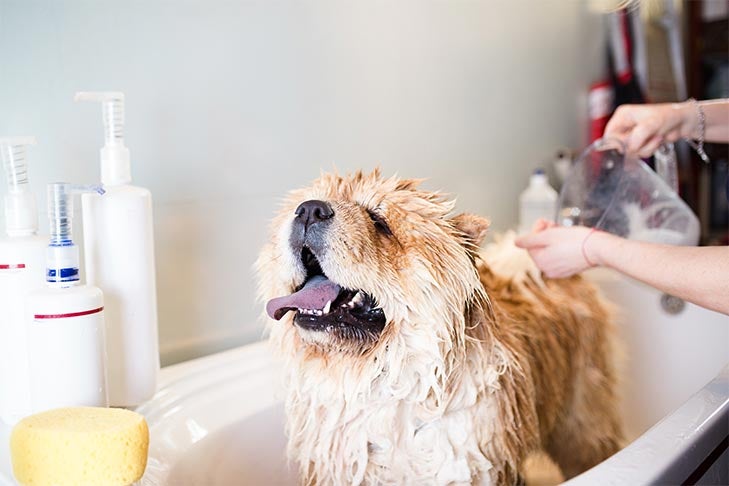
- Wet the coat. Soak to the skin. Avoid eyes and deep ear canals.
- Dilute shampoo. Mix with water per label. It spreads better and rinses clean.
- Massage and wait. Work from neck to tail. Let it sit 3–5 minutes if the label says.
- Rinse, then rinse again. Keep rinsing until water runs clear and slick-free.
- Condition if needed. Focus on ends of hair. Rinse well.
- Dry right. Towel first. Use low heat if you blow dry. Brush while drying.
- Reward and check. Praise your dog. Check skin for any red spots.
Follow this and you will know how often to bathe a dog safely, and how to keep each bath stress free.
Products and tools that protect the skin barrier
Your shampoo choice matters more than you think.
- Pick pH-balanced dog shampoo. Dog skin is more neutral than ours.
- Look for gentle surfactants. Avoid harsh sulfates for routine baths.
- Good add-ins: oatmeal, aloe, ceramides, glycerin. These help moisture.
- Use fragrance-free or light scent. Heavy perfume can irritate skin.
- For itchy dogs, ask your vet about chlorhexidine or miconazole blends.
- Use a silicone curry, not nails, to lift dirt and spare skin.
- Microfiber towels reduce drying time and friction.
These steps help you dial in how often to bathe a dog safely without stripping oils.

Signs you are bathing too often or not enough
Watch for these clues and tweak your plan.
- Too often: Dull coat, flakes, itch, redness, or more scratching after baths.
- Not enough: Greasy feel, doggy odor fast, waxy ears, dandruff, or hot spots.
- Just right: Soft coat, calm skin, mild smell, no flakes, easy brushing.
If your dog is greasy two days after a bath, you may need a different shampoo. If your dog is flaky a day after, you likely bathe too often or use harsh products. These checks help you judge how often to bathe a dog safely over time.
Special cases: puppies, seniors, allergies, and medicated baths
- Puppies. Wait until 8 weeks when possible. Keep warm. Use extra gentle shampoo. Every 4–6 weeks is fine unless very messy.
- Seniors. Thin skin dries fast. Stretch to 6–10 weeks. Add conditioner and cool air dry.
- Allergies and yeast. More baths can help. Aim for 1–2 times weekly with vet-guided shampoo at first. Then taper.
- Skin infections. Follow your vet’s plan. Contact time matters more than frequency.
- Post-surgery or skin wounds. Ask your vet before bathing.
These needs often override a simple rule. In consults, I repeat the phrase how often to bathe a dog safely so owners remember that health sets the pace.

Seasonal and lifestyle tweaks that work
- Summer. Rinse off lake water, salt, or pool chlorine the same day.
- Fall. Pollen is high. A quick rinse can cut itch.
- Winter. Fewer baths. More conditioner and omega-3s in food support skin.
- City life. Wipe paws and belly after walks to remove grime.
- Country life. Check for burrs, fox tails, and ticks after fields.
These habits refine how often to bathe a dog safely without guesswork.
Groomer and vet advice: when to ask for help
Talk to a pro if you see any of the signs below.
- Persistent odor 48 hours after a bath
- Red or greasy skin that returns fast
- Hot spots, hair loss, or licking paws
- Ear odor or head shaking after baths
- Mats you cannot brush out
A groomer can set a bath-and-brush plan. A vet can rule out allergies, mites, or infection. Their input can reset how often to bathe a dog safely for your dog’s skin.
Frequently Asked Questions of how often to bathe a dog safely
How often can I bathe my dog if they roll in dirt a lot?
Rinse with water as needed, and use shampoo every 3–4 weeks. Between baths, use dog-safe wipes on muddy spots.
Can I bathe my dog every week?
Weekly is fine for some, if you use very gentle shampoo and conditioner. Watch the skin for dryness or flakes and adjust.
Is human shampoo safe for dogs?
No. Human shampoo is too acidic for dog skin and can cause dryness. Use a dog-formulated, pH-balanced product.
How long should I leave shampoo on?
Most need 3–5 minutes to work well. Medicated shampoos may need 5–10 minutes per your vet’s advice.
What if my dog hates baths?
Use treats, mats for grip, and short sessions. Try a handheld sprayer and start with lukewarm rinses before full baths.
Do waterless or dry shampoos replace baths?
They help between baths but do not deep clean. Use them to stretch time, not as a full-time swap.
Can frequent baths reduce shedding?
Baths help, but brushing is the key for shed control. Use de-shedding tools and a dryer on cool to lift loose hair.
How soon can I bathe after flea or tick treatment?
Check the product label; many need 24–48 hours before or after. When unsure, ask your vet first.
Conclusion
You now have a clear, simple plan for clean skin and a healthy coat. Start with the coat-type rule, then tweak for season, health, and daily life. Keep baths gentle, rinse well, and watch the skin.
If you ever doubt how often to bathe a dog safely, check the signs and adjust. Try one or two tips from this guide at your next bath. Want more help? Subscribe for fresh pet care tips, or drop a question in the comments.

Pet Care Writer & Researcher
Daniel writes practical guides on daily care, feeding, and safety, turning complex topics into simple, actionable advice.