How To Protect Dog Paws In Winter: Vet-Approved Tips 2026
Shield paws from ice, salt, and frostbite with gear, balms, and simple training: how to protect dog paws in winter, explained with vet-backed tips.
Use boots or balm, trim fur, rinse after walks, and avoid salt.
If cold streets and sharp ice worry you, you’re in the right place. I’ve helped many pet parents learn how to protect dog paws in winter with simple, proven steps. In this guide, I’ll walk you through gear, grooming, first aid, and daily habits. You’ll get clear tips you can use today, backed by veterinary best practices and real-world experience.

Why winter is rough on dog paws
Winter hits paws with a one-two punch. Cold air dries pads. Ice cuts like glass. De-icers burn skin and cause cracks. Long walks on salt can lead to pain and even infection.
Frostbite can start fast on a windy day. Wet paws lose heat even faster. Dogs then lick sore pads and ingest salt. That can upset the stomach and raise sodium levels.
I’ve seen mild pad burns turn bad in a day. Early care stops big problems. Learning how to protect dog paws in winter makes a clear difference.
Before you head out: quick prep that matters
Start with a barrier. Use a paw balm or wax on clean, dry pads. It helps block cold, salt, and ice.
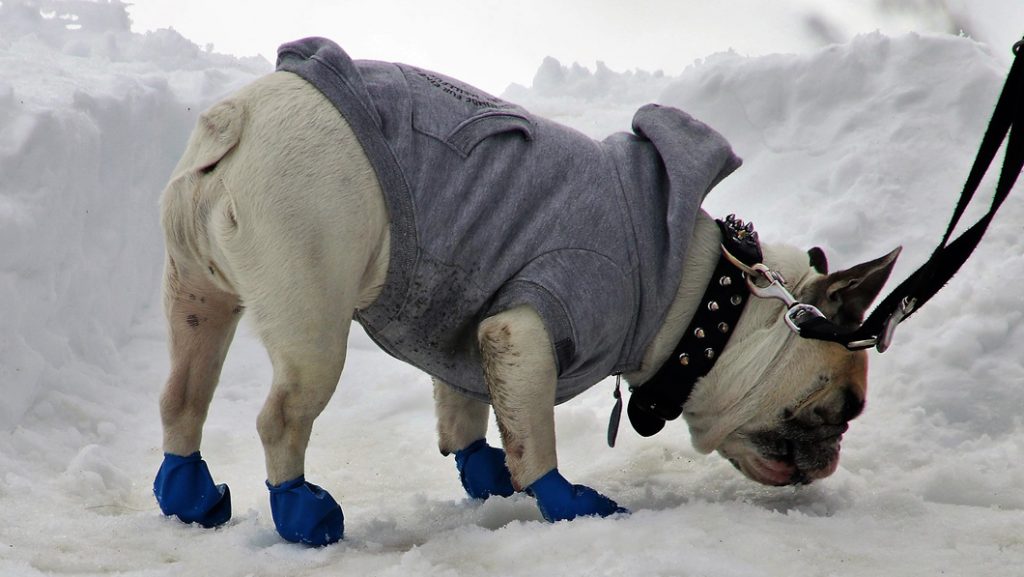
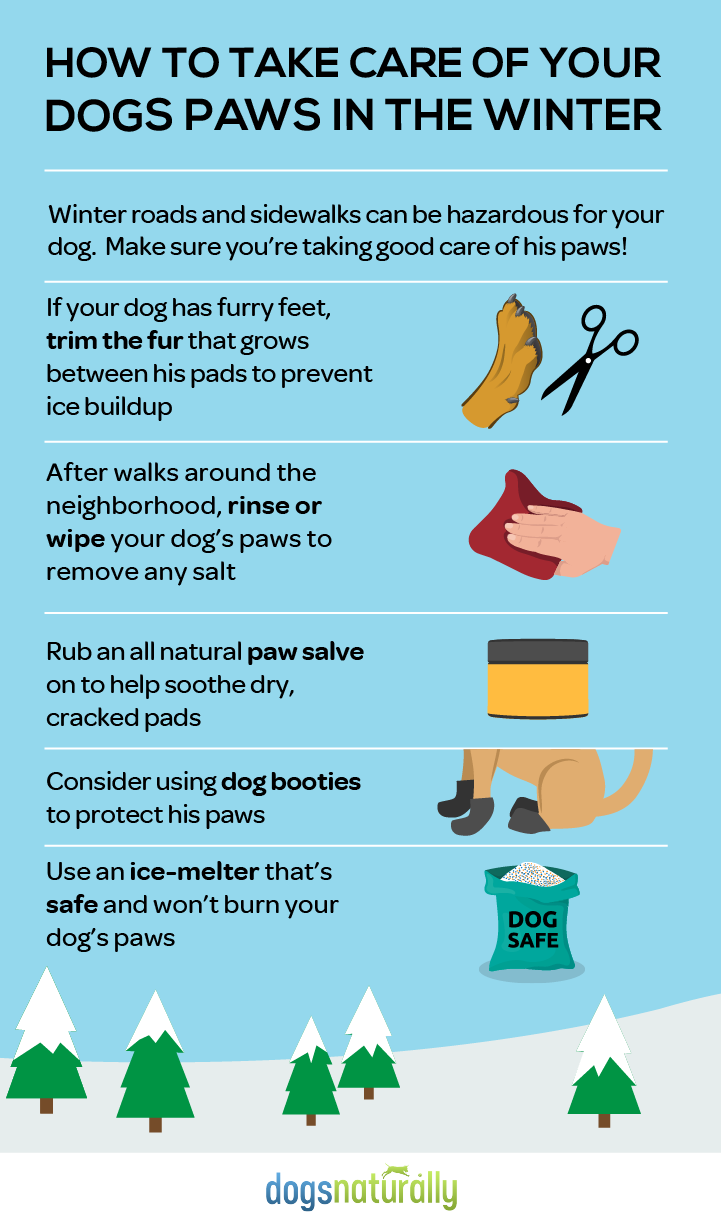
Boots add another layer. Fit them snug, not tight. Try them indoors with treats. Trim fur between pads so ice balls do not form. Keep nails short so toes grip better.
Check the forecast. Cut walk time when windchill is severe. Short, frequent walks beat one long freeze. This is one of the easiest ways for how to protect dog paws in winter.

Smarter walks: routes, timing, and checks
Pick routes that avoid heavy salt and slush. Use parks, fresh snow, or dirt paths when you can. Cross streets at cleared spots.
Watch for paw lifts, licking, or a change in gait. These are early cold signs. Pause and warm the paws in your hands. Wipe off salt mid-walk if needed.
Keep sessions short when it is bitter cold. More short potty breaks are safer than one long trek. It is a core part of how to protect dog paws in winter.
After-walk routine: clean, dry, protect
Set a small basin by the door. Use lukewarm water to rinse each paw. Blot dry between toes with a soft towel.
Inspect pads for cuts, redness, or cracks. Reapply balm to lock in moisture. Place a washable mat by the entry to catch melt. This tiny station is my secret weapon for how to protect dog paws in winter.
Boots: how to choose, fit, and train
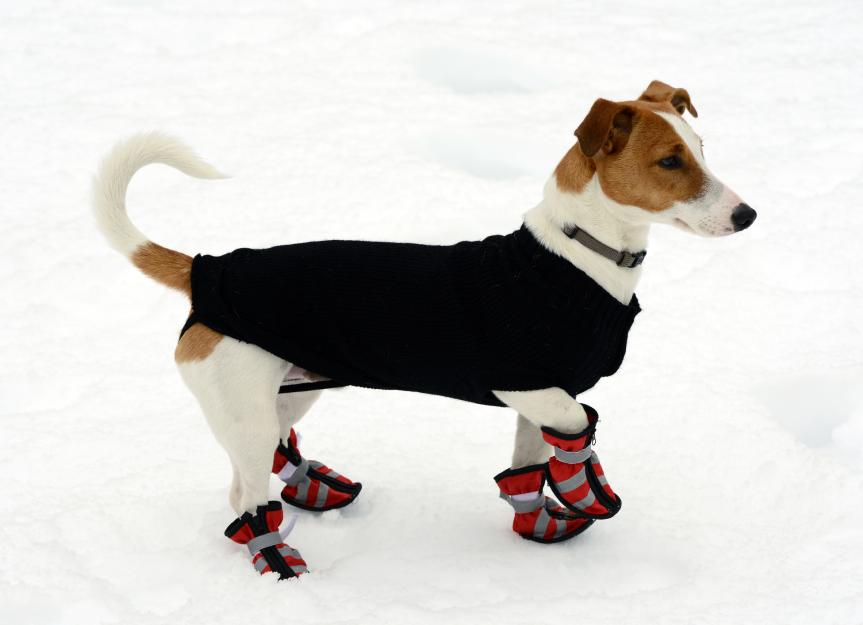
Boots shield from salt, ice, and cold. The right pair stays on and stays comfy. Look for flexible soles and a wide opening.
Try this simple training plan:
- Let your dog sniff the boots. Treat.
- Put on front boots for 30–60 seconds. Treat.
- Add back boots. Walk a few steps inside. Treat again.
Tips to get the fit right:
- Measure each paw while your dog stands.
- Aim for a snug strap that still lets one finger slide under.
- Test on stairs and turns, not just straight lines.
If boots are not an option, use rubber booties or silicone grips. Apply a paw wax before walks for a barrier. These steps are a big part of how to protect dog paws in winter.

Paw balms and waxes: safe ingredients and use
Choose balms with simple, safe ingredients. Beeswax, shea butter, coconut oil, and vitamin E are common. Avoid tea tree oil and strong scents. These can irritate skin.
How to apply:
- Start with clean, dry paws.
- Work a pea-sized amount into each pad.
- Wait a minute so it sets before the walk.
- Reapply after rinsing and drying.
DIY idea I’ve used:
- 2 parts shea butter
- 2 parts coconut oil
- 1 part beeswax
Melt, mix, cool, and store. Test on a small spot first. This is a wallet-friendly way for how to protect dog paws in winter.
Salt, de-icers, and your own driveway
Common de-icers include sodium chloride and calcium chloride. They can burn pads and irritate skin. Ingested salt can cause drool, vomiting, or worse.
Use a pet-safe de-icer on your property. Spread it lightly and shovel fast so less sticks to paws. Wipe paws before your dog hops into the car. Reducing salt contact is central to how to protect dog paws in winter.
Grooming and skin health keep pads strong
Trim the fur between pads to prevent ice balls. Use blunt-tipped scissors or a small trimmer. Brush out clumps after snow play.
Limit baths in winter. Too many strip oils and dry the skin. Use a gentle, dog-safe shampoo when needed. A humidifier helps a dry home. Good hydration and omega-3s support healthy skin from within.
First aid basics and when to call the vet
For minor cracks, cleanse with lukewarm water. Pat dry and apply a thin layer of balm. Use a boot or sock to stop licking. Watch for swelling or discharge.
Frostbite signs include pale or gray skin, cold pads, and pain. Warm gently with body heat or a warm (not hot) compress. Do not rub or use direct heat. Call your vet if you see raw spots, deep cuts, or your dog seems very sore. Knowing these steps is a key part of how to protect dog paws in winter.
Puppies, seniors, and breed differences
Small and thin-coated dogs chill fast. Their paws need extra care and shorter walks. Northern breeds last longer but can still get salt burns.
Seniors and dogs with arthritis may drag toes. That raises tear risk. Dogs with diabetes or allergies may heal slower. Be proactive and gentle. Tailoring care by age and breed is smart for how to protect dog paws in winter.
Training, enrichment, and indoor alternatives
Cold snap today? Shift to home games. Nose work tires the mind. Scatter kibble in a snuffle mat.
Try these quick ideas:
- Short leash drills in a hallway
- Hide-and-seek with treats
- Puzzle toys and basic cues
- Gentle treadmill walks if trained
Keep paw handling part of play. Touch a paw, treat, release. That trust makes boots and wipes easy. It also supports how to protect dog paws in winter when storms hit.
A quick checklist you can save
Use this for fast wins and daily habits:
- Trim nails and paw fur every 2–3 weeks.
- Rinse, dry, and inspect paws after every walk.
- Use balm before and after walks.
- Fit boots and practice indoors with treats.
- Avoid salted routes and deep slush.
- Keep a door-side rinse station ready.
- Use pet-safe de-icer at home.
- Watch for limping, licking, or color changes.
- Call your vet for deep cuts or burns.
- Repeat these steps. This is how to protect dog paws in winter all season.
This list is simple, but it works. Save it to remember how to protect dog paws in winter on busy days.
Frequently Asked Questions of how to protect dog paws in winter
How cold is too cold for a dog’s paws?
Many dogs struggle below 20°F, and wind makes it worse. Cut time outside and watch for paw lifts or licking.
Are dog boots better than paw balm?
Boots block salt and ice best. Balm adds a barrier, helps moisture, and is great when boots are not an option.
What should I do if my dog licks de-icer?
Rinse paws at once and offer fresh water. Call your vet if you see drool, vomiting, or signs of pain.
Can I use human lotion on dog paws?
Most human lotions are not safe if licked. Use a dog-safe balm with simple, lickable ingredients.
How often should I trim fur between paw pads?
Every 2–3 weeks in winter works for most dogs. Trim more often if ice balls form.
Do I need boots on clean snow?
Clean snow is kinder, but cold still bites. Short walks with balm may be enough on soft, fresh snow.
What is a quick home fix for cracked pads?
Clean gently, dry well, and use a paw balm twice a day. Limit long walks until the skin heals.
Conclusion
Cold, salt, and ice do not have to spoil your walks. With boots or balm, smart routes, quick rinses, and calm training, you can keep every step safe. Build a small routine, and your dog will thank you with happy strides.
Start your plan today. Pick one habit and make it stick this week. Want more tips on how to protect dog paws in winter and beyond? Subscribe, share your questions, or drop your best paw-care trick in the comments.

Pet Care Writer & Researcher
Daniel writes practical guides on daily care, feeding, and safety, turning complex topics into simple, actionable advice.