How To Reduce Dog Boredom Indoors: Engaging Activities 2026
Learn how to reduce dog boredom indoors with easy games, food puzzles, and training ideas. Keep your pup calm, engaged, and happy today.
Rotate puzzle toys, scent games, training, and mini workouts to beat indoor boredom.
If you want to know how to reduce dog boredom indoors, you’re in the right spot. I’ve helped hundreds of families turn restless pups into calm, satisfied companions using simple, science-backed steps. In this guide, I’ll show you practical tools, real-life tips, and a clear plan you can use today to help your dog thrive inside.
Why Dogs Get Bored Indoors
Boredom is not just “nothing to do.” It is a lack of mental and physical challenge. Dogs were bred to work, sniff, problem-solve, and move. When those needs are not met, boredom builds fast.
Research in animal behavior shows that enrichment reduces stress, barking, and destructive habits. Sniffing and problem-solving can lower heart rate and help dogs relax. Learning how to reduce dog boredom indoors taps into these natural needs and keeps your dog’s brain busy and body calm.
Think of enrichment like Wi‑Fi for your dog’s mind. When the signal is strong, behavior is smoother. When it is weak, everything buffers.

Signs Your Dog Is Bored
Boredom can look different for each dog. Watch for these common signs.
- Chewing shoes, furniture, or random objects
- Nonstop attention-seeking, nudging, or pawing
- Pacing, whining, or barking at nothing
- Zoomies that pop up often
- Overgrooming or licking
- Raiding trash or counter-surfing
If these are new or extreme, talk to your vet. Pain, anxiety, or illness can look like boredom. A quick check keeps your plan safe and targeted.
Build a Daily Indoor Rhythm
A steady rhythm is the secret to how to reduce dog boredom indoors. Aim for short, focused blocks spread through the day.
Try this simple flow:
- Morning: Sniff-based breakfast. Use a snuffle mat or scatter feed.
- Midday: Five minutes of training. Add one brain game.
- Late afternoon: Short indoor workout. Use tug, fetch, or hallway recalls.
- Evening: Food puzzle or lick mat. Then calm time on a bed.
- Before bed: Two minutes of easy sniff work. End with a chew.
Keep sessions short. Two to ten minutes is enough. End while your dog still wants more. That builds drive and focus.
Mental Enrichment That Works
Mental work tires dogs in a calm way. It is the core of how to reduce dog boredom indoors. Start easy, then raise the challenge.
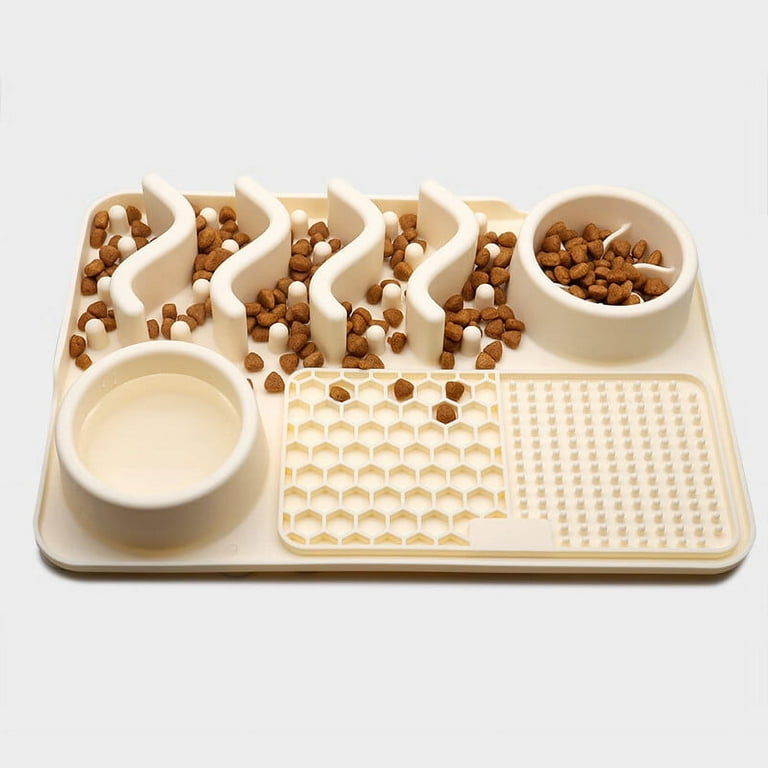
Food puzzles and feeders:
- Snuffle mat or towel roll with kibble
- Muffin tin with balls on top of treats
- Lick mat with yogurt or pumpkin
- Stuffed and frozen Kong for longer focus
- Puzzle boxes from easy to hard
Scent games:
- Find it: Toss a treat and say “find it”
- Shell game: Hide a treat under one cup
- Box search: Hide treats in a few boxes
- Hide-and-seek: You or a toy becomes the target
Tips from the field: Many dogs relax faster after ten minutes of sniff work than after a long walk. I’ve seen over-aroused dogs settle within minutes when I swap fetch for nose games. That is a clear, repeatable win.

Indoor Exercise Without Chaos
You can move your dog inside in safe, small bursts. This helps how to reduce dog boredom indoors when the weather is bad.
Try these ideas:
- Tug with rules: Ask for sit. Play. Cue drop. Restart.
- Hallway fetch: Use soft toys. Keep throws short.
- Stair reps: Up and down a few times, if joints allow
- Place-to-place recalls: Send dog between two beds
- Obstacle paths: Use cushions, boxes, and chairs as low jumps or weaves
Always check floors for grip. Keep sets short. Two to five reps, then rest. If your dog pants hard, pause and switch to sniffing or a calm chew.
Training Games That Tire the Brain
Training is a two-way chat. It builds trust, focus, and joy. It is a key way for how to reduce dog boredom indoors.
High-impact, low-time drills:
- Name game: Reward fast eye contact
- Hand target: Touch nose to palm
- Middle: Dog steps between your legs to face forward
- Settle on mat: Reward relaxed posture on a bed
- Leave it and drop: Trade and impulse control
- Tricks: Spin, bow, chin rest, tidy toys into a bin
Use three to five treats. Get three wins. Stop. That keeps learning sharp. I use a clicker or a clear “yes” to mark success. Many families see fewer nuisance habits after one week of tiny sessions.

DIY and Budget-Friendly Enrichment
You do not need fancy gear to master how to reduce dog boredom indoors. Your home is a toy box.
Quick builds:
- Towel burrito: Roll kibble inside a towel
- Cardboard shred box: Pack paper and treats in a box
- Bottle spinner: Thread a rod through bottles. Add kibble.
- Sock maze: Hide treats in clean socks in a bin
- Ice treats: Freeze broth with kibble in a silicone mold
Rotate items every two to three days. New things feel rich. Old things feel stale. Label boxes by theme and swap them in.
Tech Tools and Alone-Time Solutions
Life gets busy. Tech can help you keep on top of how to reduce dog boredom indoors when you are away.
Smart support:
- Wi‑Fi cameras to check energy and swap plans
- Smart feeders to split meals into small drops
- Calming music or white noise for rest
- Slow-release chews paired with a mat cue
- Window film to block trigger views for barkers
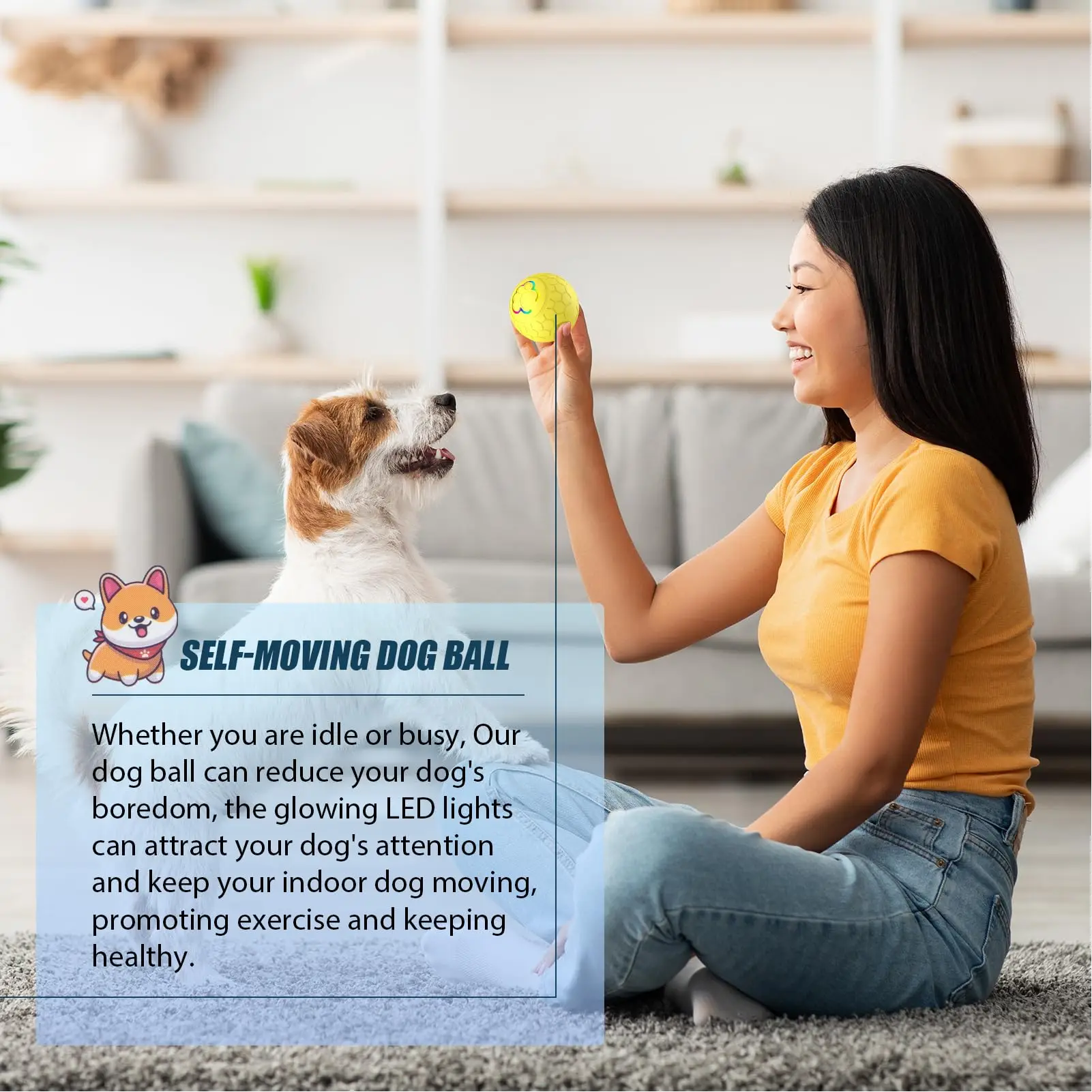
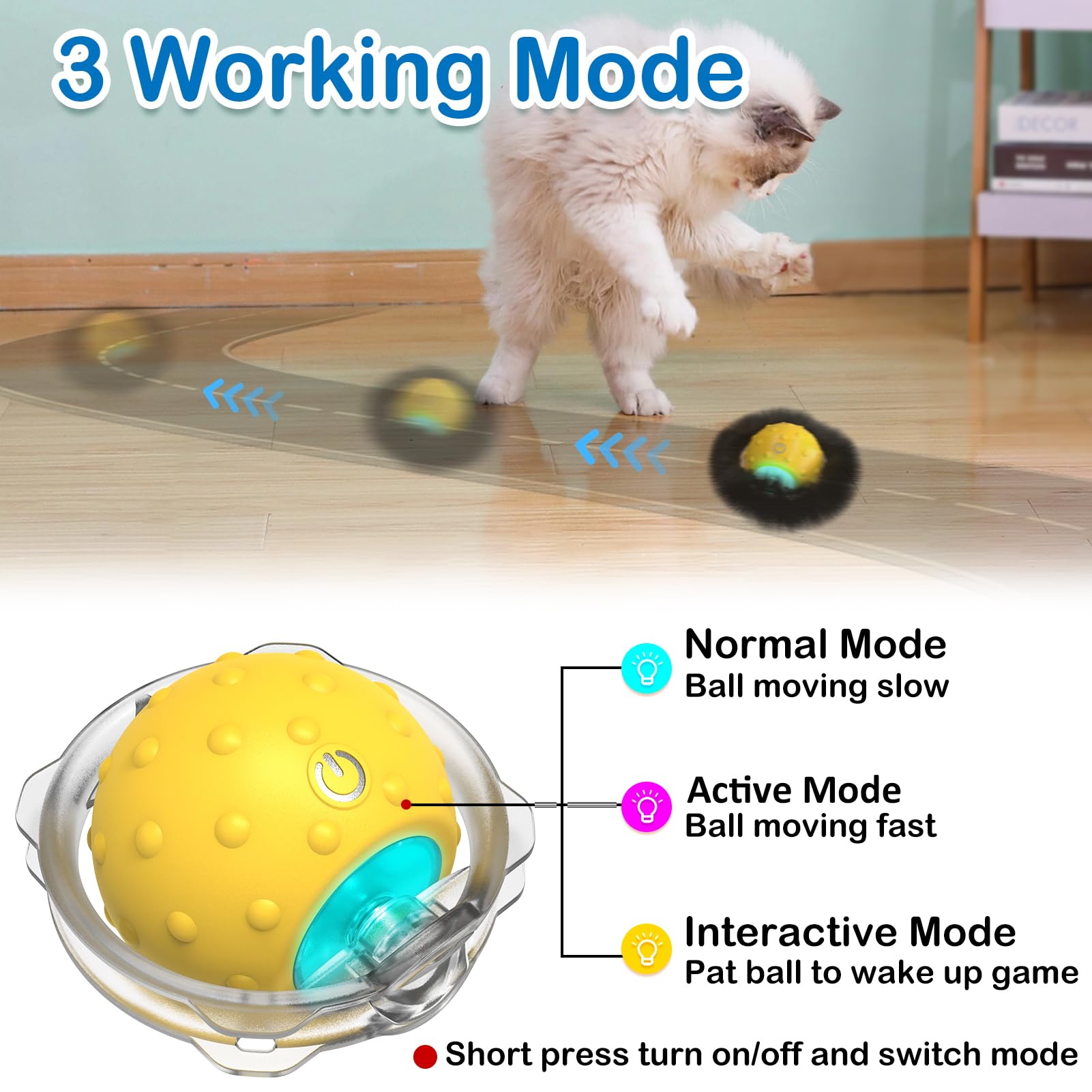
Limit auto ball throwers indoors. They can amp dogs up and risk injury. Choose slow food puzzles or scent timers instead.
Safety, Health, and Troubleshooting
A safe plan beats a risky one. Here is how to keep it clean and kind.
- Match challenge to your dog. Puppies and seniors need softer work.
- Adjust calories. Food puzzles add up. Trim meals as needed.
- Wash lick mats and toys often. Avoid mold or sticky build-up.
- Supervise chews. Pick sizes that cannot be swallowed.
- If guarding or anxiety shows up, split resources and work with a pro.
If your dog stays restless after seven to ten days, check pain, allergies, or gut issues. Medical problems can make any plan fail. A vet visit can save weeks of guesswork.
Frequently Asked Questions of how to reduce dog boredom indoors
How many minutes a day do dogs need for enrichment?
Aim for 30 to 90 minutes split into mini blocks. Mix sniffing, training, and short play to cover mind and body.
What are the best toys to reduce dog boredom indoors?
Use snuffle mats, lick mats, and stuffed Kongs for calm focus. Add puzzle feeders and soft fetch toys for variety.
How do I know if my dog is bored or anxious?
Bored dogs perk up with play or puzzles. Anxious dogs stay on edge, pant, or pace even after activity.
Can I do this on a tight budget?
Yes. Use towels, boxes, and paper for DIY games. Rotate items and feed from puzzles to add value without cost.
How to reduce dog boredom indoors in a small apartment?
Work in micro-sessions and use vertical space. Do nose games, mat training, and short hallway fetch with soft toys.
Is scent work safe for seniors?
Yes, it is low impact and gentle on joints. Keep treats small and let your dog set the pace.
Conclusion
A good indoor plan blends brain work, short movement, and calm rest. When you use food puzzles, sniff games, tight training bursts, and a steady rhythm, you unlock a simple system for how to reduce dog boredom indoors. Start with one change today, track what works, and build from there.
Ready for the next step? Pick two ideas from this guide and try them tonight. Share your wins or questions in the comments, and subscribe for weekly enrichment plans tailored to real homes.

Pet Care Writer & Researcher
Daniel writes practical guides on daily care, feeding, and safety, turning complex topics into simple, actionable advice.