How To Mentally Stimulate A Dog At Home: 2026 Guide
Stuck indoors? Learn how to mentally stimulate a dog at home with fun games, puzzle feeders, and DIY training ideas that curb boredom and boost good behavior.
Stimulate your dog’s mind with puzzles, scent games, training, and varied play daily.
You want a calmer, happier dog without buying every new gadget. You also want ideas that fit real life. Here, I’ll show you how to mentally stimulate a dog at home using simple, proven steps. I’ve trained rescue dogs, high-drive breeds, and shy seniors. I’ll walk you through what works, why it works, and how to make it fun for both of you.
Why mental stimulation matters more than “just a walk”
Physical exercise is great. But a tired body with a restless brain can still cause chaos. Mental work builds focus, confidence, and calm. It slows reactivity and reduces boredom. It can even help with problem behaviors like barking, chewing, and digging.
Studies on canine cognition show that nose work, problem-solving, and training sessions improve well-being and reduce stress. In my experience, 10 minutes of brain work often beats a long walk for settling a busy dog. If you want to know how to mentally stimulate a dog at home, start with the brain.

How to mentally stimulate a dog at home: the big picture
Think in short, easy blocks. Mix scent, training, puzzles, and calm work. Keep it fresh. Keep it fun. Aim for short wins, not long marathons.
Core pillars:
- Nose first. Scent games are the fastest path to a calm dog.
- Train tiny. Two to five minutes per skill beats one long session.
- Make them think. Use puzzles, DIY feeders, and problem-solving games.
- Build calm. Lick mats, snuffle mats, and settle cues switch on rest.
- Rotate. New setups prevent boredom and boost engagement.
A simple daily plan you can repeat
Here is how to mentally stimulate a dog at home in 20 to 30 minutes. Split it across the day if you like.
- Morning: Two-minute obedience refresh. Sit, down, touch, or name game.
- Midday: Five-minute scent game. Scatter feed or box search.
- Evening: Ten-minute puzzle or DIY feeder. Then a short settle on a mat.
- Bonus: Two-minute trick. Spin, bow, paw, or tidy toys.
Tips that save time:
- Use part of your dog’s meal for training and games.
- Stop while your dog still wants more. Leave them hungry for the next round.
- Log what you did so you can rotate and keep it novel.
Training games that work fast and build focus
Short, sharp sessions are gold. If you want real results with how to mentally stimulate a dog at home, think “teach, test, reward.”
Try these:
- Name game. Say the name once. Mark eye contact. Treat. Repeat in different rooms.
- Touch. Present your palm. Dog boops your hand. Mark and treat. Great for redirection.
- “Find heel” or “find front.” Turn it into a puzzle. Reward position, not lures.
- “Go to mat.” Send to a place. Reward calm lies. This becomes your home base.
- Impulse control. Leave it, wait, door manners. Keep reps short and upbeat.
My tip from years with excitable dogs: break skills into tiny steps. Reward the try, not only the win. Dogs learn fast when they feel safe to guess.

Scent and nose work: the natural brain reset
If you ask me how to mentally stimulate a dog at home with one method, I pick scent. Smell drives a dog’s world. Sniffing calms the nervous system and lowers arousal.
Simple scent games:
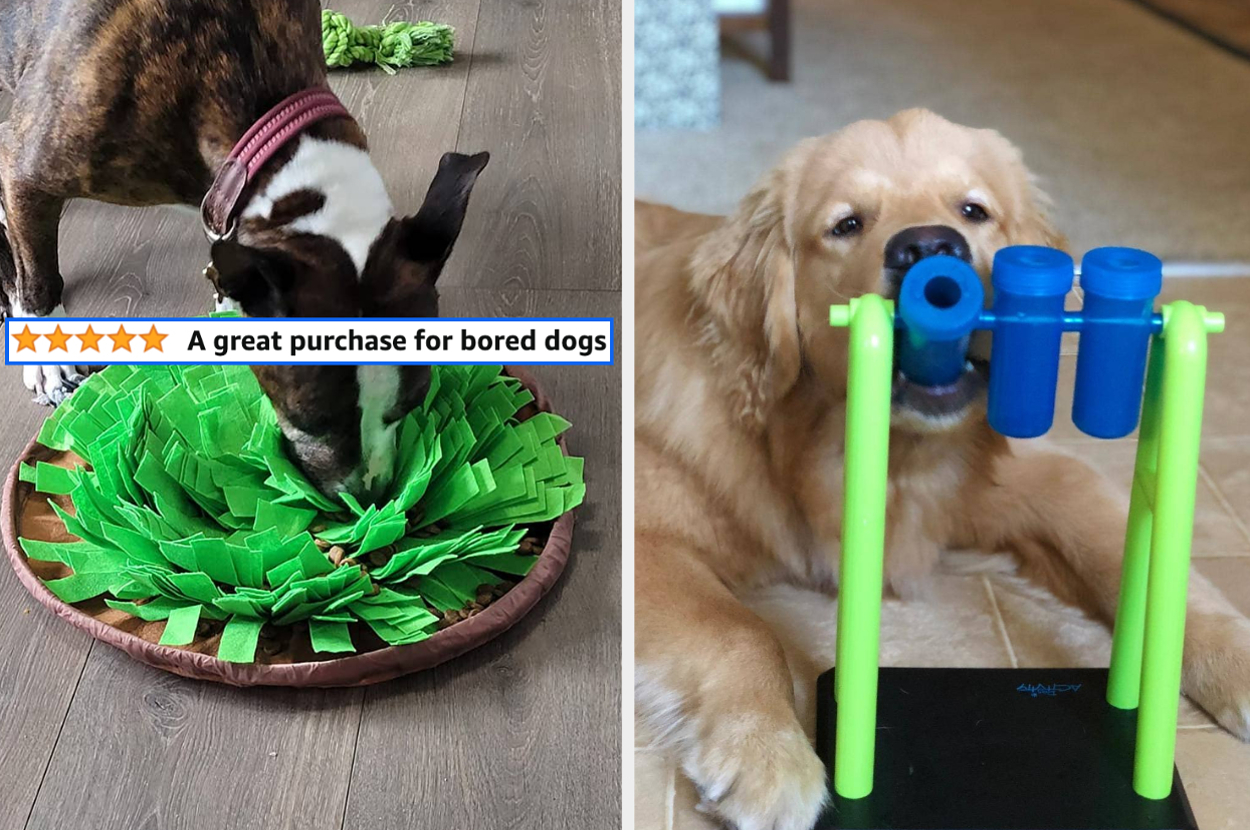
- Scatter feed. Toss kibble in grass, a towel, or a snuffle mat.
- Box search. Place treats in one of three boxes. Shuffle. Let your dog search.
- Room hunt. Hide five treats around a room. Start easy. Raise the bar slowly.
- Scent trails. Drag a treat across the floor. End under a cup. Let your dog track.
Evidence shows nose work reduces stress and boosts confidence. I’ve seen shy dogs start to strut after a week of easy searches.
:strip_icc()/sps-kong-jumbler-ball-dog-toy-kimberly-souza-22_crop-78e6b1df76764bd3a73e3f1a0f6d4f03.jpeg)
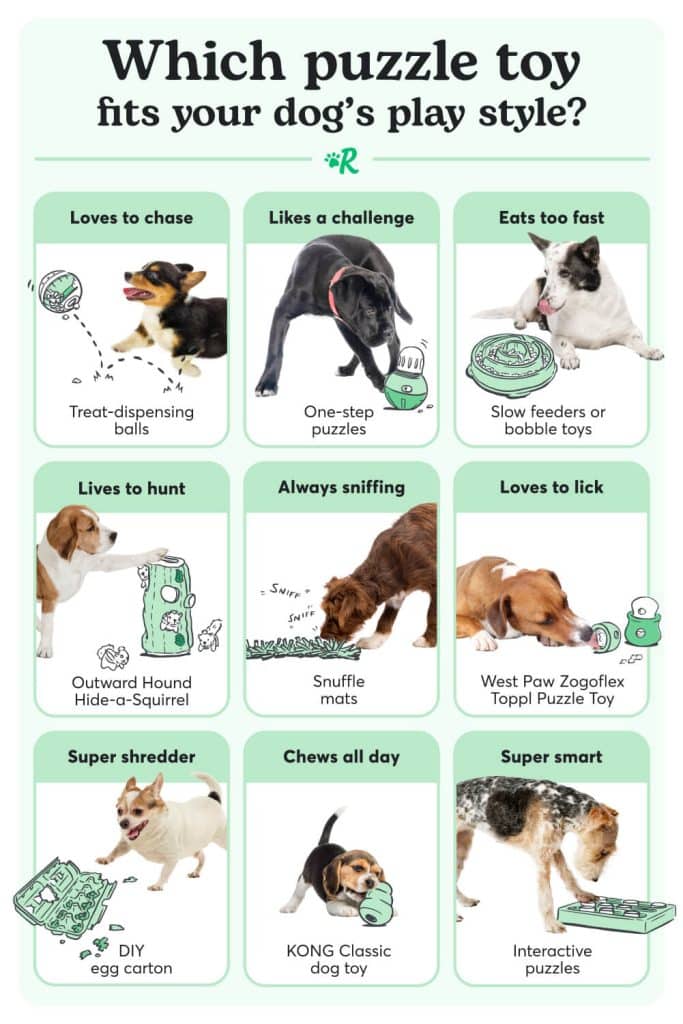
Puzzle toys and easy DIY enrichment
You can learn how to mentally stimulate a dog at home without pricey gear. Use what you have.
Budget ideas:
- Towel burrito. Roll treats in a towel. Fold and let your dog unroll it.
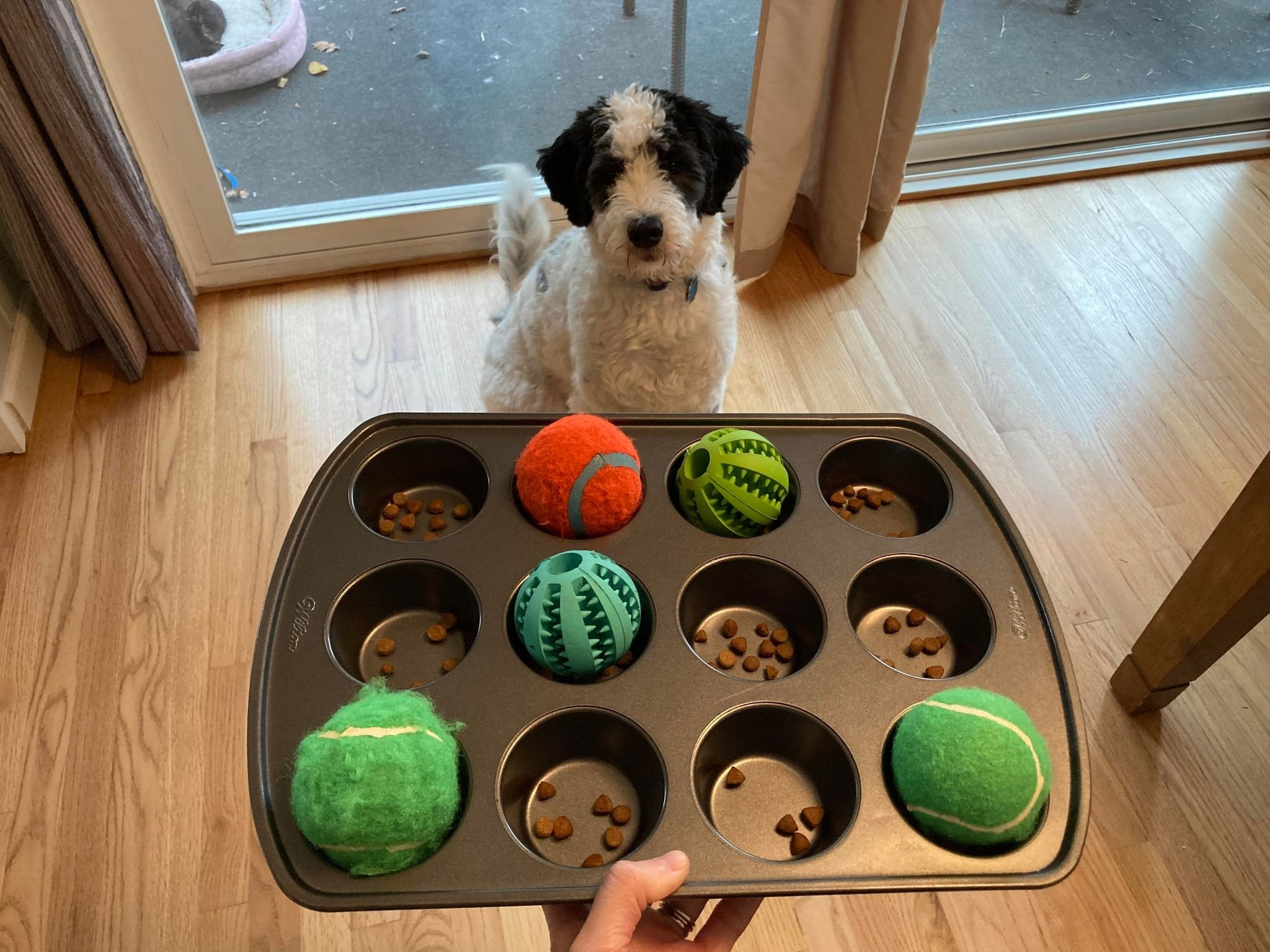
- Muffin tin game. Put treats in cups. Cover with tennis balls.
- Cardboard maze. Stuff a box with paper balls and a few snacks.
- Frozen feast. Stuff a toy or paper cup with wet food. Freeze for a longer task.
- Two-cup switch. Hide a treat under one cup. Shuffle. Ask your dog to pick.
Safety notes:
- Supervise early tries. Remove small pieces if your dog shreds.
- Match the challenge to your dog. Start very easy. Hard fun comes later.
Calm enrichment that actually settles dogs
High drive dogs need an off switch. Chewing and licking help dogs self-soothe. Use them to cap a session.
Try these:
- Lick mats with plain yogurt or pumpkin.
- Safe chews sized to your dog and chewing style.
- Long, slow sniffs on a snuffle mat before rest.
- “Settle” cue with paid calm. Pay breaths out, chin down, or soft eyes.
In my home, I pair a five-minute sniff game with a lick mat. Dogs nap after. This is a secret weapon for busy evenings.
Tailor by age, breed, and energy
One rule for how to mentally stimulate a dog at home does not fit all. Adjust time and tasks to your dog.
Puppies
- Keep sessions tiny. One to two minutes.
- Focus on name, touch, recalls, and gentle nose work.
- Let them win often. Build joy first.
Adults
- Mix skills, scent, and puzzles.
- Rotate tasks every day or two.
- Add impulse work in small slices.
Seniors
- Lower impact. More sniff and shape.
- Use larger, softer food and easy wins.
- Keep minds busy. Keep bodies comfy.
High-energy or working breeds
- Double down on nose work and structured training.
- Use fetch with rules. Add “sit,” “down,” or “drop” to earn throws.
- Close with calm work to bring arousal down.

Safety, pacing, and troubleshooting
You want smart fun, not stress. Watch your dog’s signals.
Guidelines I use:
- End before your dog gets stuck or frustrated.
- If your dog quits, make it easier next time.
- Use high-value food in small bits. Keep treats pea-sized.
- If you see guarding or intense frustration, switch to calm work and contact a pro.
Research and best practice say choice matters. Let your dog opt in. Choice grows confidence and trust.
Track progress and keep it fresh
You asked how to mentally stimulate a dog at home. Here is the system piece. Track, tweak, and rotate.
Simple tracker:
- Monday: Scent boxes, touch, lick mat.
- Tuesday: Muffin tin, go to mat, scatter feed.
- Wednesday: Hide-and-seek, leave it, towel burrito.
- Thursday: Obedience mix, box search, chew.
- Friday: Two-cup switch, trick training, settle cue.
Signs it is working:
- Faster settles after play.
- Less pacing and fewer barking fits.
- Smoother focus in short training.
If you hit a wall, reduce difficulty or shorten time. Small wins add up fast.
Real-life examples from my sessions
A terrier mix chewed shoes and paced. We added three five-minute blocks a day: scent boxes, touch, and a lick mat. Within a week, pacing dropped and night rest improved.
A young herding dog barked at every sound. We taught go to mat, added two scent hunts a day, and ended nights with a frozen feeder. Barking fell as the dog learned to switch off.
These cases taught me this: the best way for how to mentally stimulate a dog at home is a steady rhythm, not random bursts. Keep it short, fun, and varied.
Frequently Asked Questions of how to mentally stimulate a dog at home
How often should I do brain games each day?
Two to three short sessions are enough for most dogs. Aim for five to ten minutes per block.
Can I use my dog’s meals for training and puzzles?
Yes. Meal-feeding through games is ideal. It powers learning and reduces overeating.
What if my dog gets frustrated with puzzles?
Make it easier and reward tiny steps. End while your dog still wants more.
Are walks still important if I do mental work?
Yes, if your dog enjoys them. Combine walks with sniffing and short training to multiply benefits.
Is scent work safe indoors?
Yes, with simple setups and supervision. Start with easy hides and remove hazards.
How fast will I see results?
Many owners see calmer behavior in a week. Big changes take steady work over time.
Conclusion
Mental work is the secret sauce for a calm, happy dog. Start small. Use scent games, short training, easy puzzles, and a calm finish. Keep a simple rotation, track what works, and build on wins. If you stay consistent for seven days, you will feel the shift.
Ready to try it? Pick one idea from this guide today and set a five-minute timer. Share your results, subscribe for new weekly plans, and keep learning with us.

Pet Care Writer & Researcher
Daniel writes practical guides on daily care, feeding, and safety, turning complex topics into simple, actionable advice.