How To Crate Train An Adult Dog: Step-By-Step Guide
Train your adult dog fast with kind, proven steps. Learn how to crate train an adult dog, fix whining, build routines, and make the crate a safe, happy space.
Start slow, use rewards, right-size crate, short sessions, never punish or force.
You want a calm, clear plan that works now. I’ve helped many families learn how to crate train an adult dog without stress or guilt. I will show you how to crate train an adult dog, step by step, with real-life tips and simple science. If you want to learn how to crate train an adult dog the kind way, you are in the right place.

Why a crate helps your adult dog
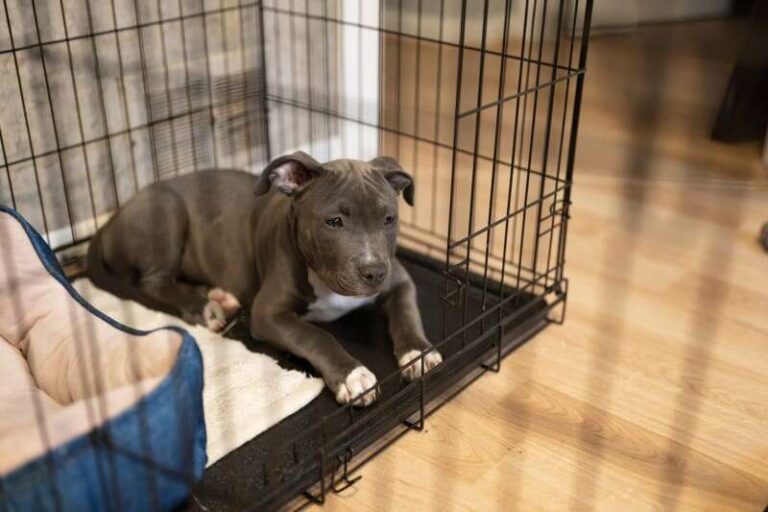
A crate can be a safe room. It gives your dog a place to rest and reset. Many dogs choose small, quiet spots when they feel tired or unsure. A crate meets this need when you make it warm and positive.
Behavior experts back this approach. Short, easy steps with rewards lower fear and build trust. If you wonder how to crate train an adult dog without stress, start by making the crate feel like a cozy den, not a jail.
Use the crate to support rest, travel, and house manners. Do not use it as a time-out or punishment. That breaks trust.
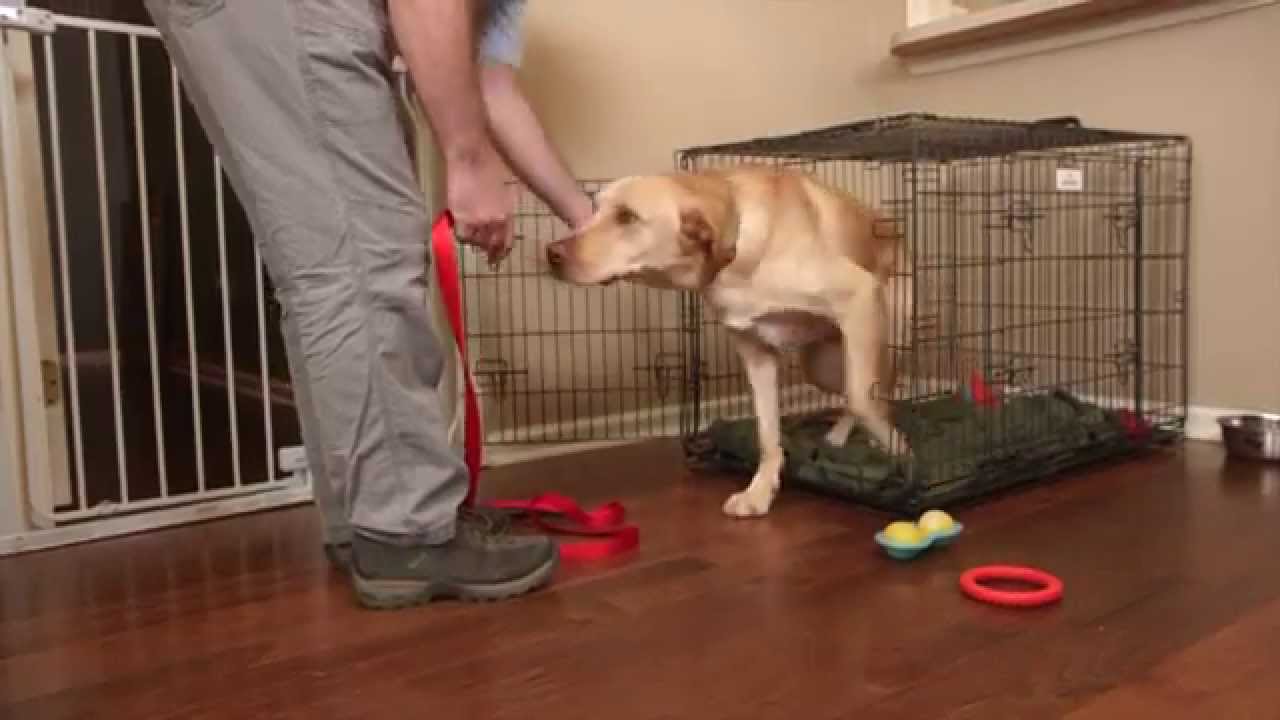
Choose the right crate and setup
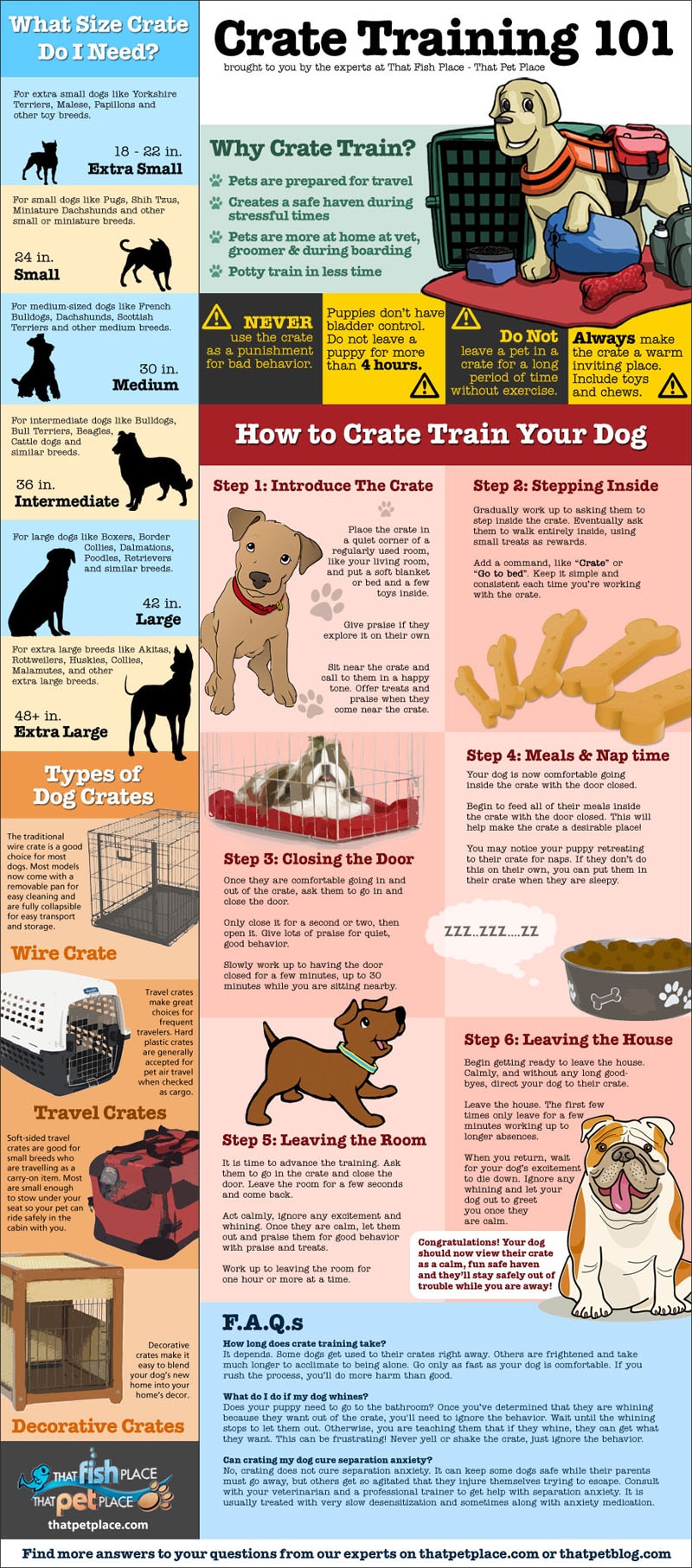
Picking the right crate is key. Size and setup shape how your dog feels inside.
Measure for size
- Length: nose to base of tail plus 2 to 4 inches.
- Height: top of head or ears plus about 2 inches.
- Your dog should stand up, turn around, and stretch out on one side.
Pick a type
- Wire crates: airy, easy to see out, can use a cover if needed.
- Plastic crates: cozier, good for travel, more den-like.
- Heavy-duty crates: for strong chewers or escape artists.
Set the scene
- Place the crate in a quiet spot near family life, not in isolation.
- Use soft bedding if your dog does not chew it. Use a firm mat if they get hot.
- Add a safe chew or a stuffed food toy to make it worth their time.
- Leave water nearby. For long rest times, use a no-spill bowl.
If you ask how to crate train an adult dog fast, this is your base: the right fit, a calm spot, and a reason to go in.
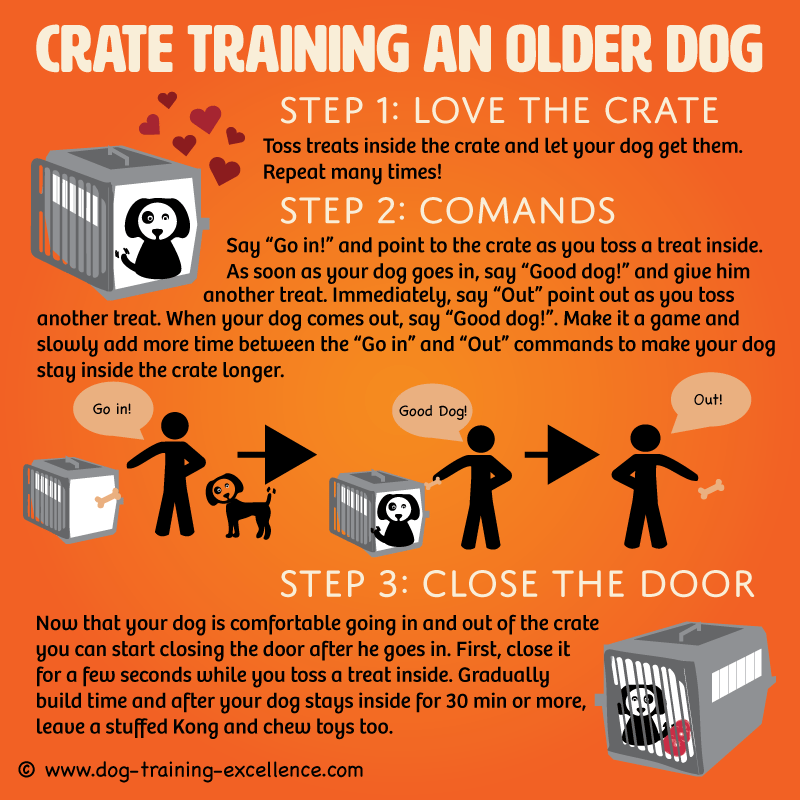
Step-by-step: how to crate train an adult dog
Go slow. Keep sessions short. End on a win. This plan works for most adult dogs.
Phase 1: Make entry easy
- Door open. Toss a treat near the door. Then toss one just inside. Praise softly.
- Feed meals in the crate with the door open. Add a chew so your dog lingers.
- Add a cue like “crate” or “place” as they step in. Reward at once.
Phase 2: Close the door for seconds
- Ask for “crate.” When your dog steps in, close the door for 3 to 10 seconds.
- Sprinkle a few treats through the top or drop them into a bowl.
- Open the door while your dog is calm. Repeat 3 to 5 times.
Phase 3: Stretch the time
- Build up in small steps: 15, 30, 60, 120 seconds, then 3 to 5 minutes.
- Give a stuffed food toy for longer sets. Quiet, steady chews calm the brain.
- Mix easy and hard sets so it never feels like a big jump.
Phase 4: Add distance and disappear
- Sit by the crate. Then sit a few feet away. Then leave the room for 10 seconds.
- Return and drop a treat. Keep your tone neutral. Do not hype greetings.
- Increase leave time bit by bit. Add soft sounds like a podcast or white noise.
Phase 5: Real-life proofing
- Put on shoes. Pick up keys. Do one “fake exit.” Come back before worry starts.
- Try day and night sessions. Try after a walk. Try when guests are over.
- If you see stress, step back to an easier set.
Key rules
- Never open the door while the dog barks or paws hard. Wait for a pause. Then open.
- Keep the crate linked to good stuff. Food toys, chews, praise, naps.
- If you ever think, “How to crate train an adult dog without fear?” The answer is choice, rewards, and tiny steps.
I once worked with a five-year-old beagle mix named Milo. He froze at the crate door. We fed every meal inside for a week and never shut the door. On day eight, he pushed the door closed with his nose to keep a chew inside. The change was slow, then it was sudden.

Daily schedule and routine that stick
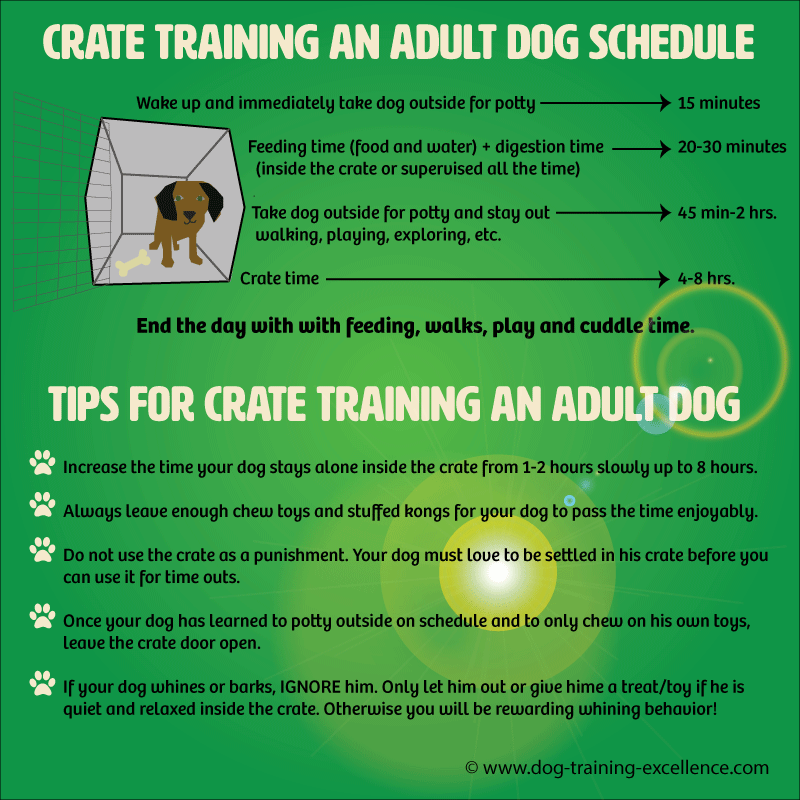
Routine makes the crate normal, not novel. Tie crate time to your dog’s body clock.
Sample day for a healthy adult
- Morning: Potty, walk, breakfast in crate for 10 to 20 minutes with a stuffed toy.
- Midday: Short crate nap, 30 to 90 minutes, after a potty break and play.
- Late day: Potty, dinner in crate, 10 to 30 minutes. Then family time.
- Night: Sleep in or near the bedroom in a crate if you like. Many dogs rest better close by.
Time limits
- Daytime: Aim for 2 to 4 hours max at a time for trained adults, with breaks.
- Night: Longer is fine while they sleep, with a potty break if needed.
- If work runs long, hire a walker or use a safe playpen.
A steady plan matters if you ask how to crate train an adult dog and make it last.
Solving common problems
Whining or barking
- Wait for a brief pause, then open. Do not reward noise.
- Next time, shorten the set or add a food toy. White noise can help.
Refusing to enter
- Raise the reward. Use fresh roast chicken or a favorite chew.
- Feed all meals in the crate with the door open for several days.
Pacing or panting
- Slow down. Drop to easier steps. Do more, shorter sets.
- Try a lighter cover, cooler room, or a fan for airflow.
Accidents in the crate
- Check size. Too big can invite a bathroom corner.
- Review potty breaks. Many adults need breaks every 4 to 6 hours.
- Clean with an enzyme spray to remove odor signals.
Chewing bedding
- Use a tough mat. Give a safer chew. Rotate food toys.
- If it keeps up, consult your vet to rule out stress or pain.
If you still ask how to crate train an adult dog with big feelings, consider help from a certified trainer. Behavior pros use the same steps, just with tighter splits and careful notes.

Special cases: rescues, seniors, and anxious dogs
Rescue dogs
- Give more time at Phase 1. Trust comes first. Keep doors open at the start.
- Keep exits low-key. Warmth and routine matter more than speed.
Senior dogs
- Check joints and comfort. Add a padded mat. Raise the crate if it helps them stand.
- Add more potty breaks. Many older dogs need shorter holds.
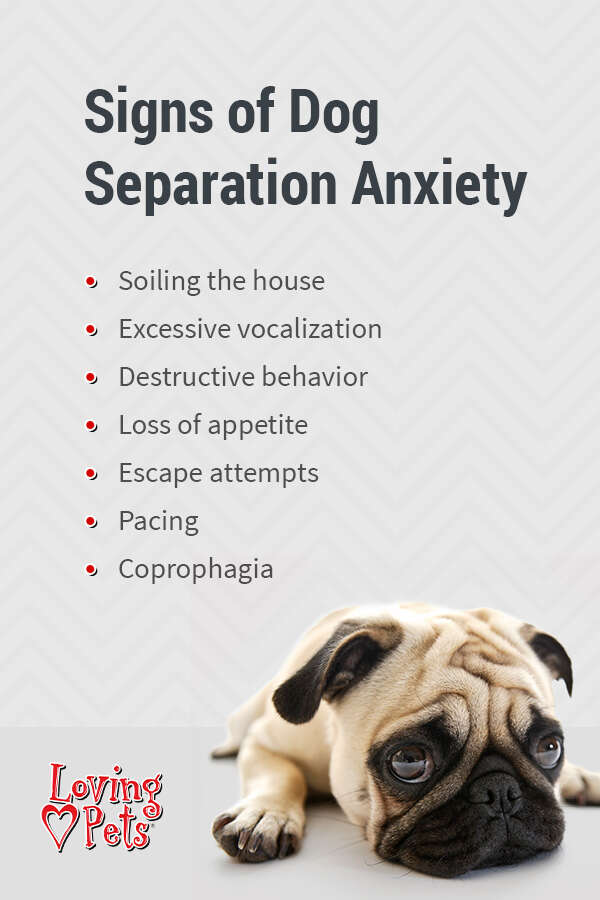
Separation anxiety
- True separation anxiety is a medical-behavior issue. A crate can make it worse.
- If you think this fits your dog, pause crate work. Call your vet and a behavior pro.
- Use gradual alone-time training and, if advised, medication support.
Medical needs
- Ask your vet before long crate sets if your dog has pain, a UTI, or stomach issues.
With these cases, how to crate train an adult dog is still the same at heart: go slow, pair the crate with safety, and never force.

Safety, welfare, and house rules
Make the crate safe
- Remove dangling tags in the crate to prevent snagging. Use a breakaway collar if needed.
- Choose vet-safe chews. Food-stuffed toys are best. Skip cooked bones and brittle chews.
- Keep it cool and airy. Do not cover all sides unless your dog relaxes better that way.
Fair use limits
- Crates help when used in short, planned blocks. They are not a lifestyle.
- Add walks, sniff time, play, and training to meet daily needs.
Kids and guests
- Teach “crate = do not disturb.” Give your dog true rest.
- Keep the door closed if kids are active.
Travel tips
- Secure the crate in the car. Use tiedown points. The door should face away from crumple zones.
- Pack a mat, water, and a familiar chew. Practice short car trips first.
These checks matter for anyone asking how to crate train an adult dog and keep it kind and safe.
Frequently Asked Questions of how to crate train an adult dog
How long does crate training take for an adult dog?
Most dogs learn the basics in one to three weeks. Nervous dogs may need four to eight weeks.
Can I ever use the crate as punishment?
No. If you do, the crate loses its safe place role. That slows training.
What if my dog cries as soon as I close the door?
Open only after a short quiet pause. Next time, make the set shorter and add a food toy.
Is covering the crate a good idea?
Sometimes. A light cover can cut visual stress. Leave at least two sides open for airflow.
How do I know if my dog has separation anxiety?
Watch for panic signs: drooling, escape tries, or damage near exits. If you suspect this, stop and get help from your vet and a behavior pro.
Does crate size affect how to crate train an adult dog?
Yes. Too big can slow potty training, too small hurts comfort. Use a just-right fit so your dog can stand, turn, and stretch.
Conclusion
You now have a clear, kind plan and the tools to make it work. Start small, reward often, and build steady wins. If you keep your focus on safety and calm, how to crate train an adult dog becomes simple and humane.
Pick one step today. Feed a meal in the open crate and praise the try. Then stack small gains each day. Want more help? Subscribe for weekly tips, ask a question in the comments, or share your progress so we can cheer you on.

Pet Care Writer & Researcher
Daniel writes practical guides on daily care, feeding, and safety, turning complex topics into simple, actionable advice.