How To Encourage Good Behavior In Dogs: Expert Tips 2026
Positive methods, step-by-step tips, and rewards that work—how to encourage good behavior in dogs and raise a calm, happy pup today.
Reward the right actions, meet core needs, be clear, and stay consistent.
You want to know how to encourage good behavior in dogs, and you want steps that work. I train dogs every week, from high-drive pups to shy seniors. This guide shows you how to encourage good behavior in dogs with simple plans, clear cues, and kind methods. You will learn why habits stick, how to reward well, and what to do when things go wrong.
Understand What Drives Good Behavior
Good behavior starts with needs. Tired dogs rest. Rested dogs think. Well fed dogs learn. Pain free dogs feel safe. If you want to know how to encourage good behavior in dogs, start here.
Dogs do what works. Rewarded actions repeat. That is the heart of learning. Research shows rewards shape behavior fast and with less stress. Harsh tools raise fear and can harm trust.
Meet daily needs first. Use this simple list.
- Move: two to three brisk walks and sniff time.
- Rest: quiet naps and a set bedtime.
- Food: right calories and steady meal times.
- Health: vet checks, dental care, joint care.
- Calm: a safe place and a steady routine.
In my work with rescue dogs, this step did the most. Once we met needs, training felt easy. The change was fast and clear.
Positive Reinforcement That Works
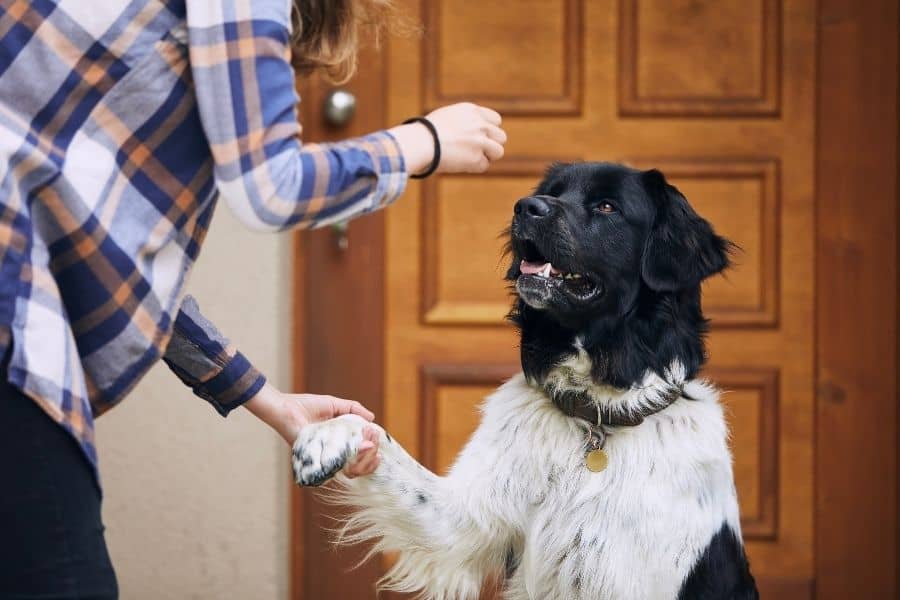
This is the core of how to encourage good behavior in dogs. Mark the right choice. Then pay fast. Keep the rate high at first. Short, sweet, and fun.
Use a marker. Say yes or click the moment your dog does it right. Then give a treat. Timing beats size. Food works best. Play and praise help too.
Pick great rewards. Use soft treats in tiny bits. Make them high value at first. Save the best for hard stuff. As skills rise, thin the treats. Keep wins coming.
Try this simple plan.
- Ask for a sit before meals and walks.
- Mark the sit. Pay right away.
- Add a cue after ten easy reps.
- Practice in low, then medium, then high distractions.
- Switch to a variable schedule once the cue is strong.
I coached a family with a bouncy Lab. We paid calm sits at the door. In one week, the door dash was gone. Rewarding the right thing made the wrong thing fade.
Build Routines and Clear Rules
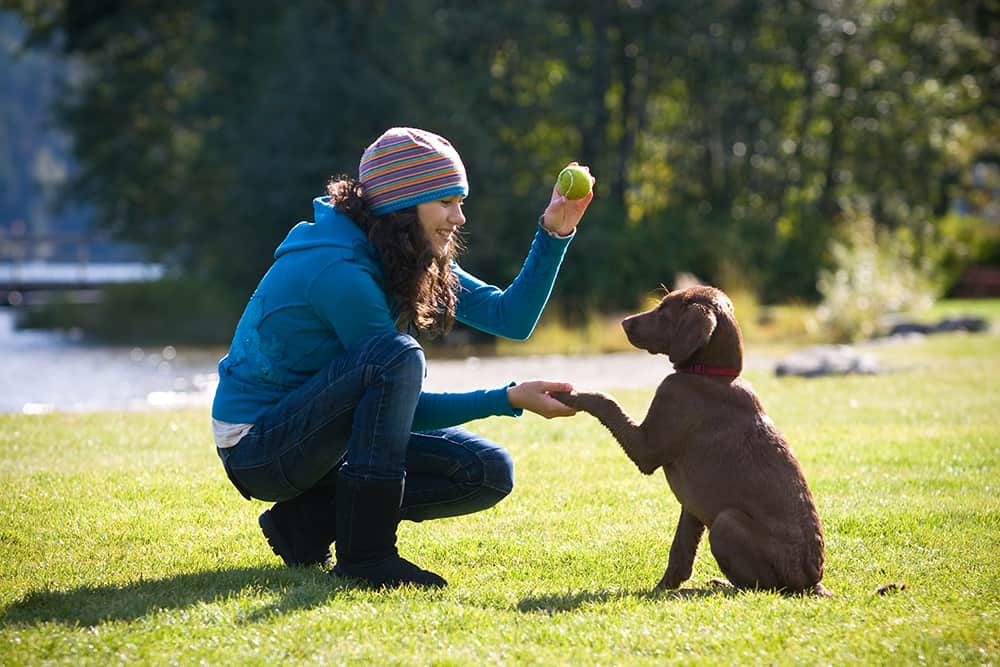
Dogs love patterns. Keep it the same each day. That is key for how to encourage good behavior in dogs. Clear rules beat long talks.
Set simple house rules. Sit to greet. Four paws on the floor. Chew toys only. Leash on before the door opens. One cue per action.
Use management so your dog wins more. Block temptations. Use gates and tethers. Keep shoes in closets. Close the trash. Reward calm on a mat.
Crates can help when used well. Make the crate a safe den. Feed meals inside. Keep sessions short and sweet. Never use it for anger.

Socialization and Mental Enrichment
Social time and brain work prevent many issues. It is a big part of how to encourage good behavior in dogs. Think of it as school and play in one.
Socialize with care. Pair new sights and sounds with great treats. Keep distance your dog can handle. End on a win. Stop before stress shows.
Add enrichment to daily life. It lowers stress and builds focus. Studies show sniffing and foraging help dogs relax. It also cuts bored barking.
Try these easy ideas.
- Sniff walks where your dog leads.
- Scatter feed in the yard.
- Food puzzles and snuffle mats.
- Chews sized for your dog.
- Simple scent games like find it.
Training Plans by Life Stage
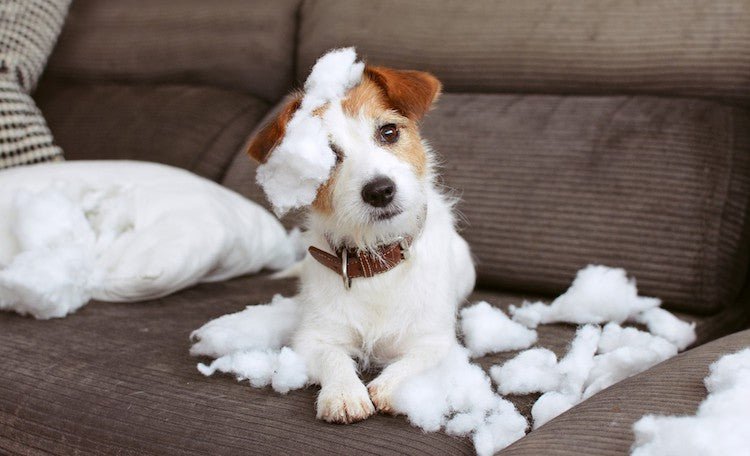
Each age needs a tailored plan. This helps you master how to encourage good behavior in dogs at any stage.
Puppies learn fast. Keep sessions tiny and fun. Teach sit, down, come, and name. Pair hands and handling with food. Prevent fear with kind exposure.
Teens push limits. Hold firm on rules. Pay calm choices often. Up the exercise. Use longer chews to help them settle.
Adults need goals. Keep skills fresh. Work on leash, recall, and place. Add games and sports for drive. Rotate toys to avoid boredom.
Seniors need comfort. Keep sessions short. Use soft treats. Add ramps and mats for grip. Focus on nose work and calm games.
Solve Common Behavior Issues
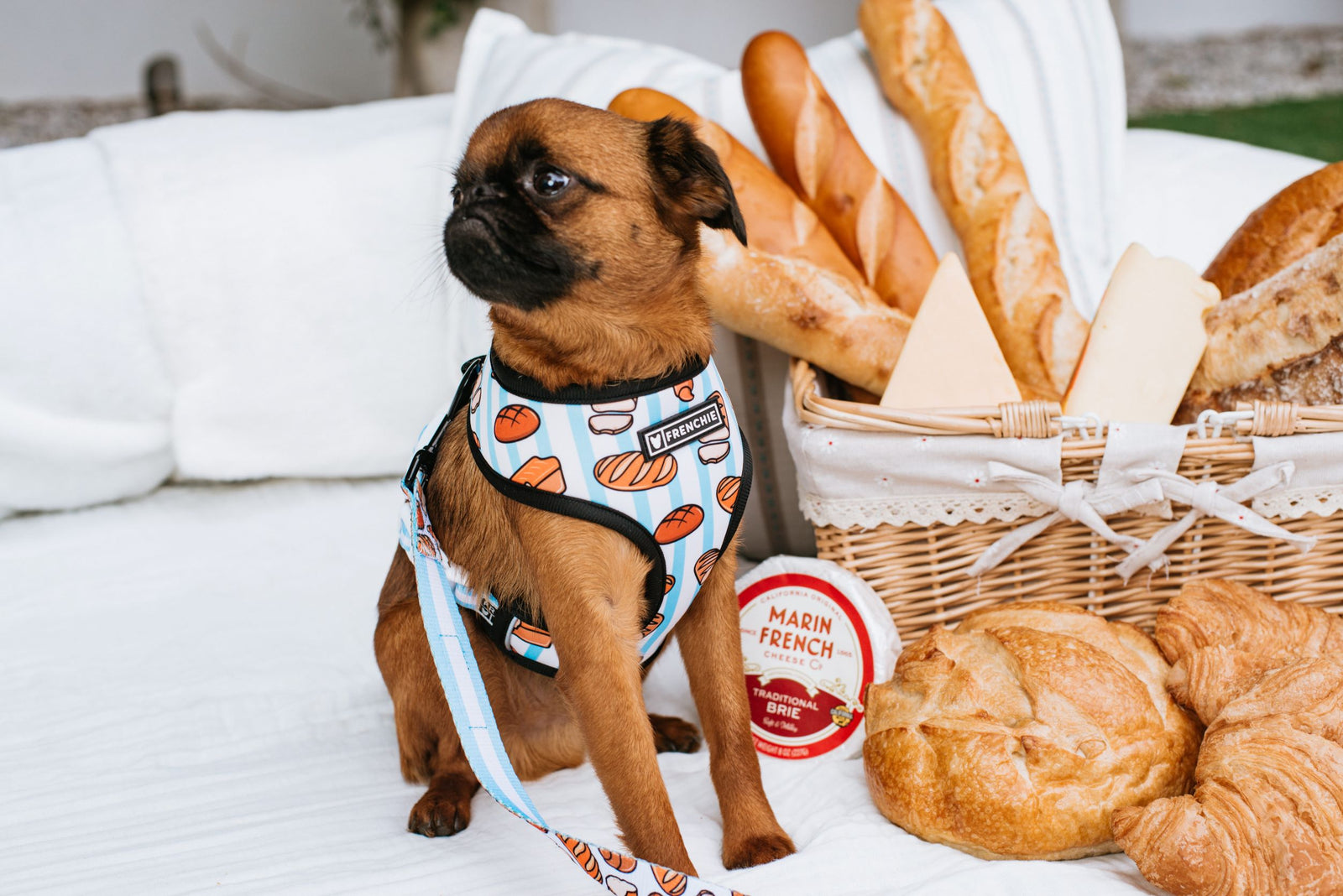
You can fix many issues with the same core ideas. This is a hands-on part of how to encourage good behavior in dogs. Reward what you want. Prevent what you do not.
Barking. Find the cause. Meet needs first. Teach quiet after a few barks. Mark quiet. Pay with food or a toy. Use foraging to cut idle time.
Jumping. Ask for a sit before hello. No sit, no hello. Sit gets love. Guests do the same. Reward sits a lot at first.
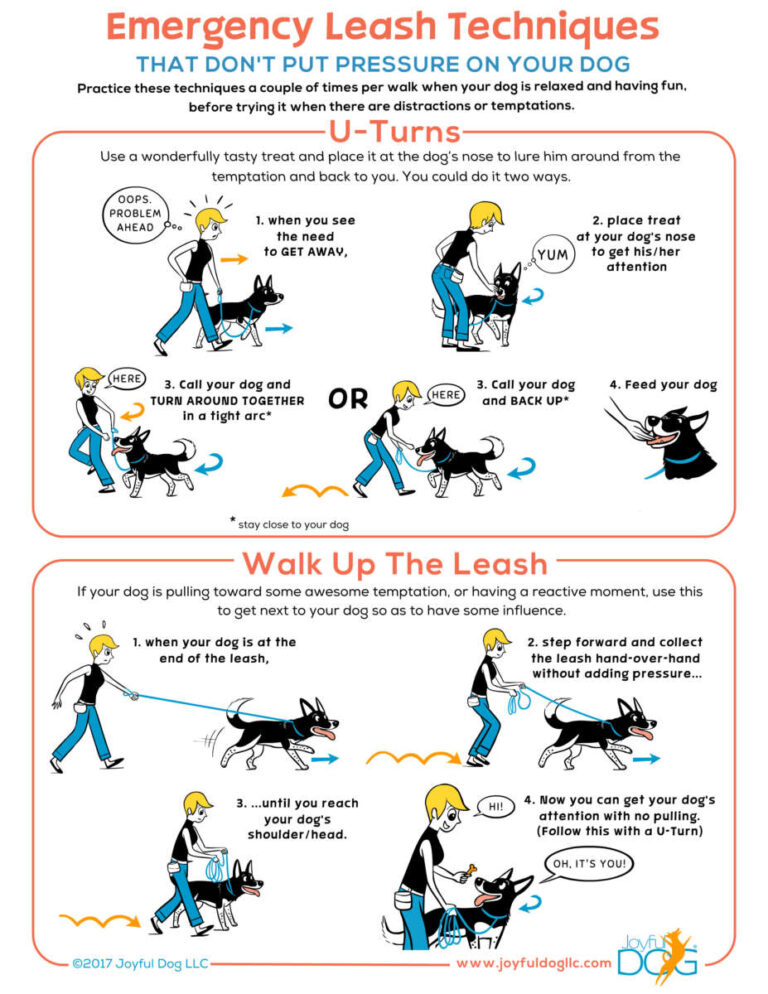
Pulling. Use a front clip harness. Reward at your side. Move only when the leash is loose. Stop when it goes tight. One step at a time works.
Chewing. Give legal chews. Trade up if they grab the wrong thing. Block access to shoes and cords. Pay for chewing good items.
House soiling. Rule out medical first. Go out often. Reward right after they go. Clean with enzyme spray. Track wins in a log.
Resource guarding. Do not take. Trade instead. Toss treats as you pass. Call off and pay well. If there is a bite risk, get a pro.
Measure Progress and Stay Consistent
You cannot improve what you do not track. Data makes it clear. It also makes how to encourage good behavior in dogs feel more fair.
Set simple goals. For example, five loose leash steps three times a day. Write it down. Note wins and flubs. Adjust the plan once a week.
Proof skills. Change one thing at a time. New room. New person. New sound. Keep the rate of pay high in new spots. Then thin again.
Use maintenance plans. Pay the good stuff now and then. Keep your dog guessing. That keeps habits strong for life.

Tools, Treats, and Safety
The right gear makes life easy. It also keeps training kind. This supports how to encourage good behavior in dogs with less risk.
Use humane tools. Front clip harness. Flat collar. Treat pouch. Six foot leash. Long line for recall games. Basket muzzle for safety when needed.
Pick good treats. Soft, pea size bits. Smelly is best. Rotate options. Use meals for training when you can. Balance calories.
Skip harsh tools. Shock and prong can raise fear and stress. Studies note more risk of bites and anxiety. Kind tools and plans build trust.
When to Seek Professional Help
Some issues need a trained eye. That is still part of how to encourage good behavior in dogs. Getting help early saves time and stress.
Reach out if you see bites, deep fear, or panic. Get help for resource guarding, separation distress, or reactivity. Ask for a vet check to rule out pain.
Look for pros who use rewards. Ask about methods and case results. Watch a session if you can. You and your dog should feel safe.
Frequently Asked Questions
What is the fastest way to teach a new behavior?
Use a marker and high value treats. Keep sessions short and pay often, then thin.
How many training sessions should I do each day?
Aim for three to five mini sessions. Keep them two to five minutes each.
What treats work best for training?
Soft, smelly, tiny treats work best. Think pea size, like small bits of meat or cheese.
Can I train without treats?
Yes, but food speeds learning. You can also use play, praise, and life rewards like going outside.
How do I stop my dog from jumping on guests?
Teach sit for greetings. Ask guests to pay only sits, then practice calm entries often.
Do I need a clicker?
No, a word marker works too. Clickers help with timing, which can boost results.
Conclusion
Good behavior is not luck. It is a plan. Meet needs. Mark right choices. Pay fast. Keep rules clear and kind. These steps show how to encourage good behavior in dogs in any home.
Start today with one skill. Pick sit at the door or loose leash steps. Track wins for one week and adjust. Share your progress, subscribe for more guides, and drop your questions in the comments.

Pet Care Writer & Researcher
Daniel writes practical guides on daily care, feeding, and safety, turning complex topics into simple, actionable advice.