How To Help Timid Dog Feel Safe: Proven Calming Guide 2026
Learn how to help timid dog feel safe with gentle routines, training tips, and calming tools. Build trust fast and turn anxiety into confidence.
Build routine, create safe spaces, use gentle training, and reward calm behavior.
If you want to know how to help timid dog feel safe, you are in the right place. I’ve coached hundreds of shy dogs through fear, noise sensitivity, and social stress. In this guide, I’ll show you clear steps, real examples, and proven methods that explain how to help timid dog feel safe at home, on walks, and around new people.

Understand What Your Dog Is Feeling
Timid dogs are not stubborn. They are scared. Fear can come from lack of early socialization, genetics, pain, or past stress.
Think of fear like a volume knob. Too loud, and the brain cannot learn. Your first job in how to help timid dog feel safe is to turn the volume down.
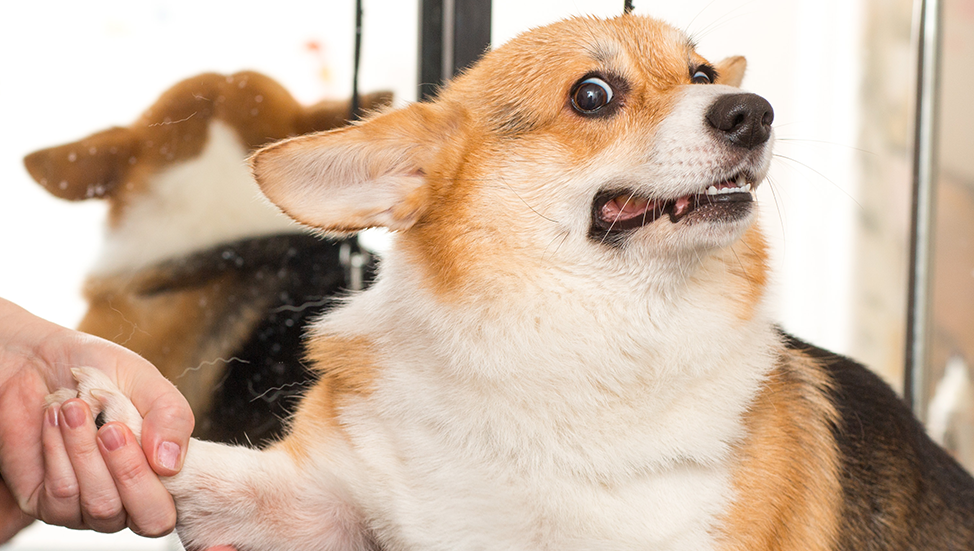
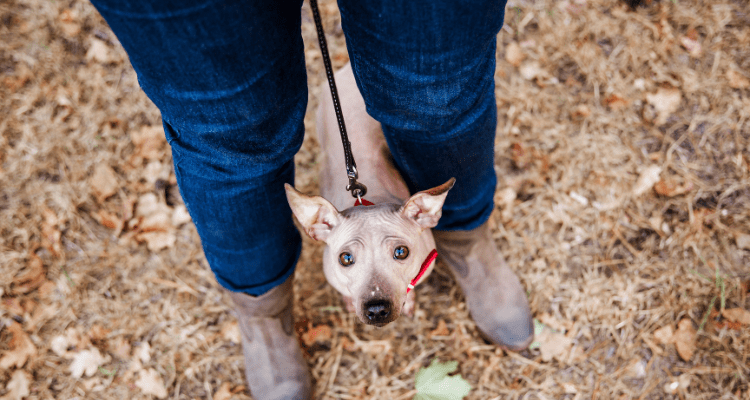
Watch for early signs of stress. Look for yawns, lip licks, whale eye, tucked tail, pinned ears, paw lifts, or a frozen body. These are clues. If you see them, give space and slow things down.
Use the idea of a threshold. Under threshold, a dog can eat, play, and learn. Over threshold, the dog shuts down or explodes. Keep your dog under threshold so trust can grow.

First 48 Hours: Build a Safe Base
Start simple. Your dog needs calm, safety, and a clear plan. The first days set the tone.
Do this right away:
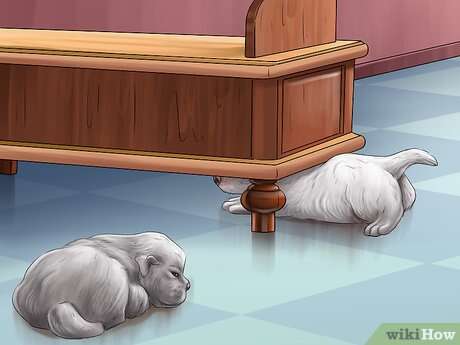
- Set up a quiet room with a bed, water, and chews.
- Use a crate or covered den if your dog likes it.
- Add white noise to mask street sounds.
- Use a baby gate to cut foot traffic.
Follow low-pressure rules:
- Let the dog come to you. Do not reach in.
- Toss treats away to give choice and space.
- Keep visits short and sweet.
- Use the two-second touch test. Pet for two seconds, then pause. If the dog leans in, do two more.
Keep the routine boring and steady. In how to help timid dog feel safe, calm beats busy every time.

A Daily Routine That Builds Trust
Timid dogs bloom with structure. A solid plan reduces guesswork and fear.
Try this daily flow:
- Morning: potty break, short sniff walk, breakfast from a puzzle toy.
- Midday: quiet rest, easy training in tiny bursts, chew time.
- Evening: gentle play, short walk, dinner, calm cuddle if invited.
- Night: lights low, white noise, no late hype.
Use choice often. Choice gives control, and control lowers stress. Offer two beds. Let your dog pick routes on walks. Teach a hand target so your dog can “ask” for help.
How to help timid dog feel safe is not about more activity. It is about the right kind of activity at the right time.

Read Body Language Like a Pro
Safety starts with seeing the small stuff. When you can spot a stress cue early, you can act early.
Look for:
- Green signs: loose jaw, soft eyes, wag at mid-tail, easy breath.
- Yellow signs: slow blink, head turn, tongue flick, shake off.
- Red signs: freeze, hard stare, growl, snap, escape attempt.
Your goal in how to help timid dog feel safe is to live in the green. If you see yellow, give space or add distance. If you see red, end the scene and reset.

Training That Works: Desensitization and Counter-Conditioning
These two tools are the gold standard. Go slow, pair the scary thing with good stuff, and keep it easy.
Follow this simple plan:
- List triggers. Rank them from easy to hard.
- Start at an easy level. Far away, low sound, short time.
- Pair the trigger with high-value food. Hot dog. Cheese. Fresh kibble if that excites your dog.
- Use a marker word like “Yes!” when the dog notices the trigger but stays calm.
- Stop before stress shows. Short sets. Many reps.
Try these games:
- Look at That: Dog glances at the trigger, you mark, then treat. This flips fear to curiosity.
- Treat and Retreat: Toss a treat near the trigger, then toss one behind your dog so they can reset.
- Pattern Games: Simple repeat moves like “1-2-3-Treat” to build predictability.
This is the heart of how to help timid dog feel safe. Pair fear with joy. Keep it below threshold. Win small. Repeat.

Socialization Done Right
For a timid dog, socialization means safe, slow, and choice-based. Do not rush greetings or dog parks.
Use distance and layers:
- Watch from afar. Let your dog see, hear, and sniff new things without contact.
- Do parallel walks with neutral dogs or calm people.
- Allow your dog to say no. A “no” today can be a “maybe” next week.
Hosting visitors:
- Set up a station with a bed and chew in another room.
- Ask guests not to stare, reach, or crowd.
- Use treat tosses to the side, never over the head.
- Keep visits short and end on a good note.
How to help timid dog feel safe with new people is about consent and space. Let trust rise like dough, not like a fire.
Home Setup and Gear That Soothe
The right tools make life easier and safer.
Use:
- A well-fitted Y-front harness for control without neck strain.
- A long line in safe areas to give freedom without risk.
- A muzzle, trained with cookies, if your dog may bite when scared.
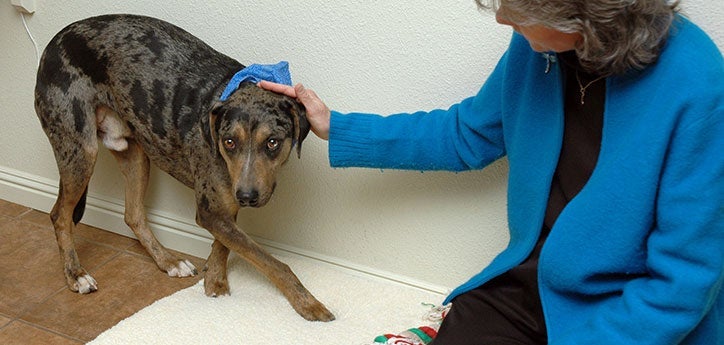
- Calming aids. Some dogs do well with a pressure wrap or dog-appeasing pheromone. Results vary, so test and watch.
House tips:
- Keep paths wide. Move furniture if needed.
- Add non-slip rugs to stop sliding.
- Use warm, dim lights at night.
How to help timid dog feel safe at home is often about small tweaks that cut stress.
Food, Sleep, Movement, and Calm
Body health feeds brain health. Fear fades faster when needs are met.
Focus on:
- Nutrition: a balanced diet that agrees with your dog’s gut. Ask your vet if you see tummy issues.
- Chewing: long, safe chews can lower arousal and help rest.
- Sleep: many dogs need 12 to 16 hours a day. Guard nap times.
- Exercise: choose sniff walks over high-arousal play. Nose work builds calm confidence.
When you think how to help timid dog feel safe, think “rested, fed, and calm” first.
When to Call a Pro
If fear blocks daily life, bring in expert help. Timid dogs do not “grow out of it” without a plan.
Seek:
- A vet check to rule out pain, ear issues, or thyroid changes.
- A certified behavior pro who uses force-free methods.
- Your vet’s advice on meds if needed. Short- or long-term meds can lower fear so training can work.
How to help timid dog feel safe sometimes needs a team. That is smart, not a failure.
Track Progress and Stay Patient
Progress is a curve, not a straight line. Expect waves.
Use these tools:
- Keep a stress journal. Note trigger, distance, and your dog’s body cues.
- Set tiny goals. For example, “Stand on the porch and watch cars for 3 calm minutes.”
- Celebrate every green-zone win. One calm breath is a win.
This mindset is key in how to help timid dog feel safe. Small steps stack into real change.
Frequently Asked Questions of how to help timid dog feel safe
How long does it take for a timid dog to feel safe?
Each dog is unique. With a steady plan, many dogs show change in weeks, and deeper gains in months.
Should I comfort my dog when they’re scared?
Yes, in a calm way. Gentle support does not “reward fear,” but keep your voice soft and your touch brief.
What treats work best for fear training?
Use small, soft, high-value treats your dog loves. Think tiny bits of cheese, chicken, or a favorite moist kibble.
Is crate training good for timid dogs?
It can be, if done with choice and rewards. The crate should be a den, not a jail.
Can I take a timid dog to the dog park?
Skip it at first. Busy parks can flood a timid dog; try quiet, sniffy walks instead.
Will medication change my dog’s personality?
When used well, meds help fear drop so your dog’s true self can shine. Work with your vet to tailor the plan.
Conclusion
Helping a shy dog is a journey of calm steps and kind choices. You now know how to help timid dog feel safe with routine, safe spaces, thoughtful training, and clear body language cues. Focus on small wins, track progress, and bring in pros when needed.
Start today. Pick one tip, like treat-and-retreat at the door, and test it this week. If this guide helped, subscribe for more step-by-step plans, share your story, or leave a question so we can help your dog feel brave.

Pet Care Writer & Researcher
Daniel writes practical guides on daily care, feeding, and safety, turning complex topics into simple, actionable advice.