How To Manage Dog Energy Levels Daily: Vet-Backed Tips
Tired pups or zoomies? Learn how to manage dog energy levels daily with routines, exercise, and enrichment for calmer days and better sleep.
Meet your dog’s needs with the right mix of exercise, brain work, rest, and routine.
You want clear, proven steps on how to manage dog energy levels daily. You’re in the right place. I’ve coached hundreds of pet parents, from new puppy homes to sport dog handlers. This guide blends hands-on know-how with research, so you can master how to manage dog energy levels daily with calm, confidence, and simple steps that fit real life.

Know Your Dog’s Natural Energy Curve
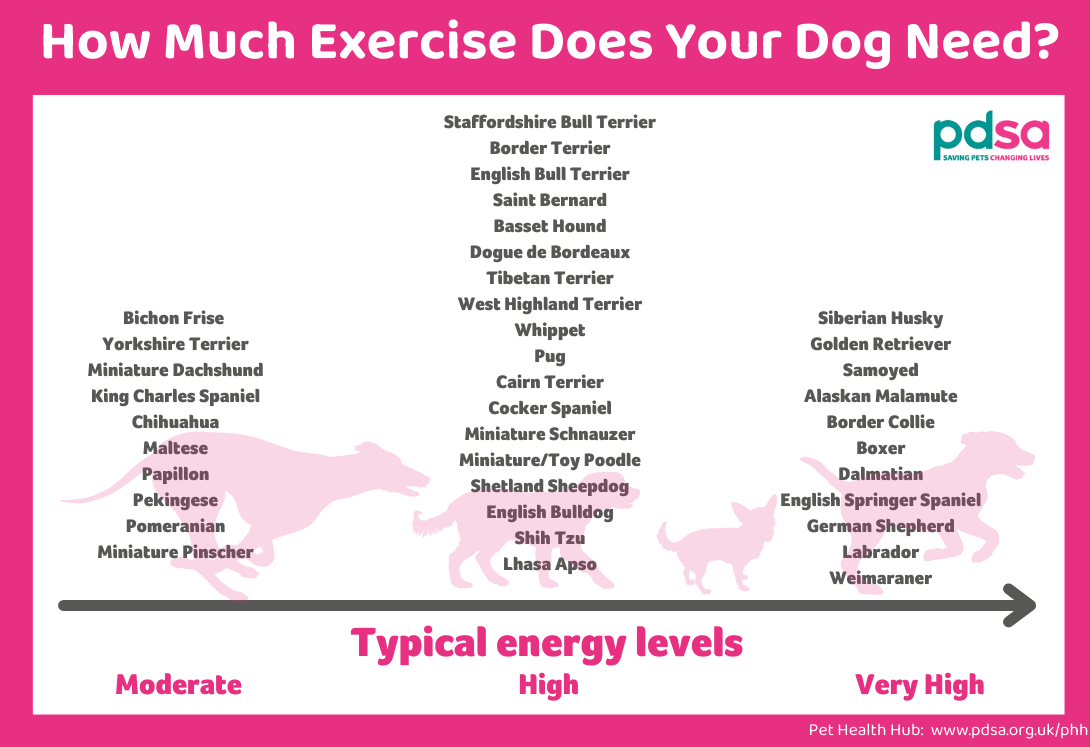
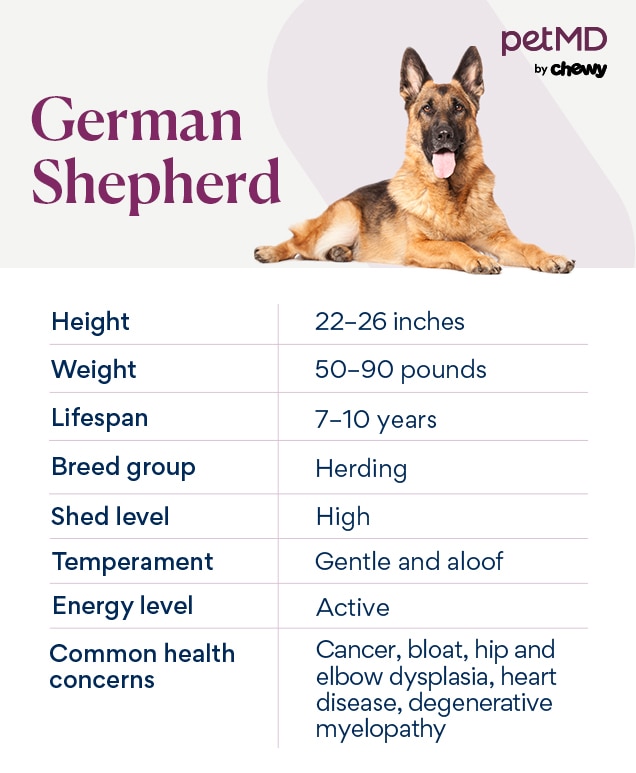
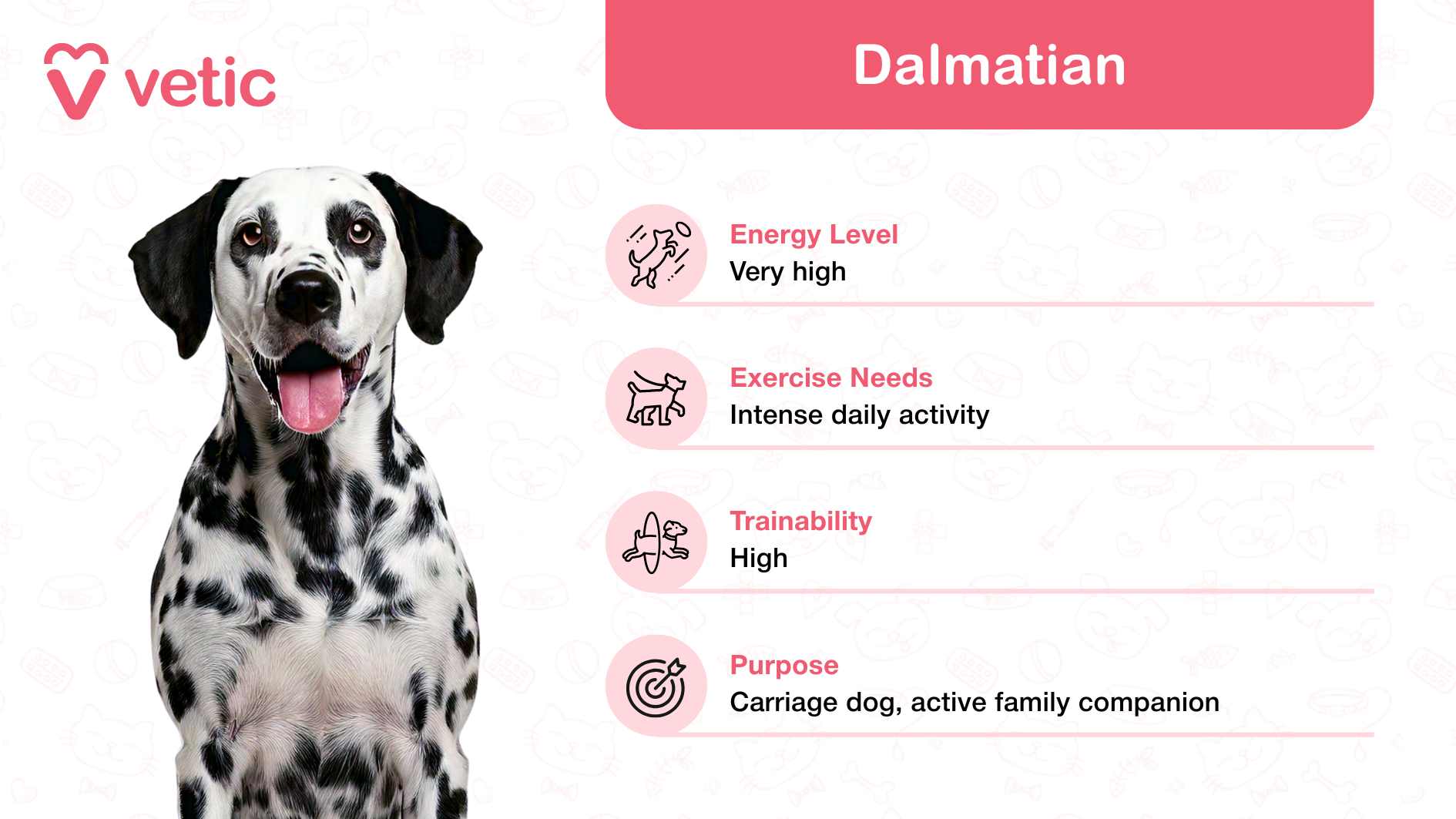
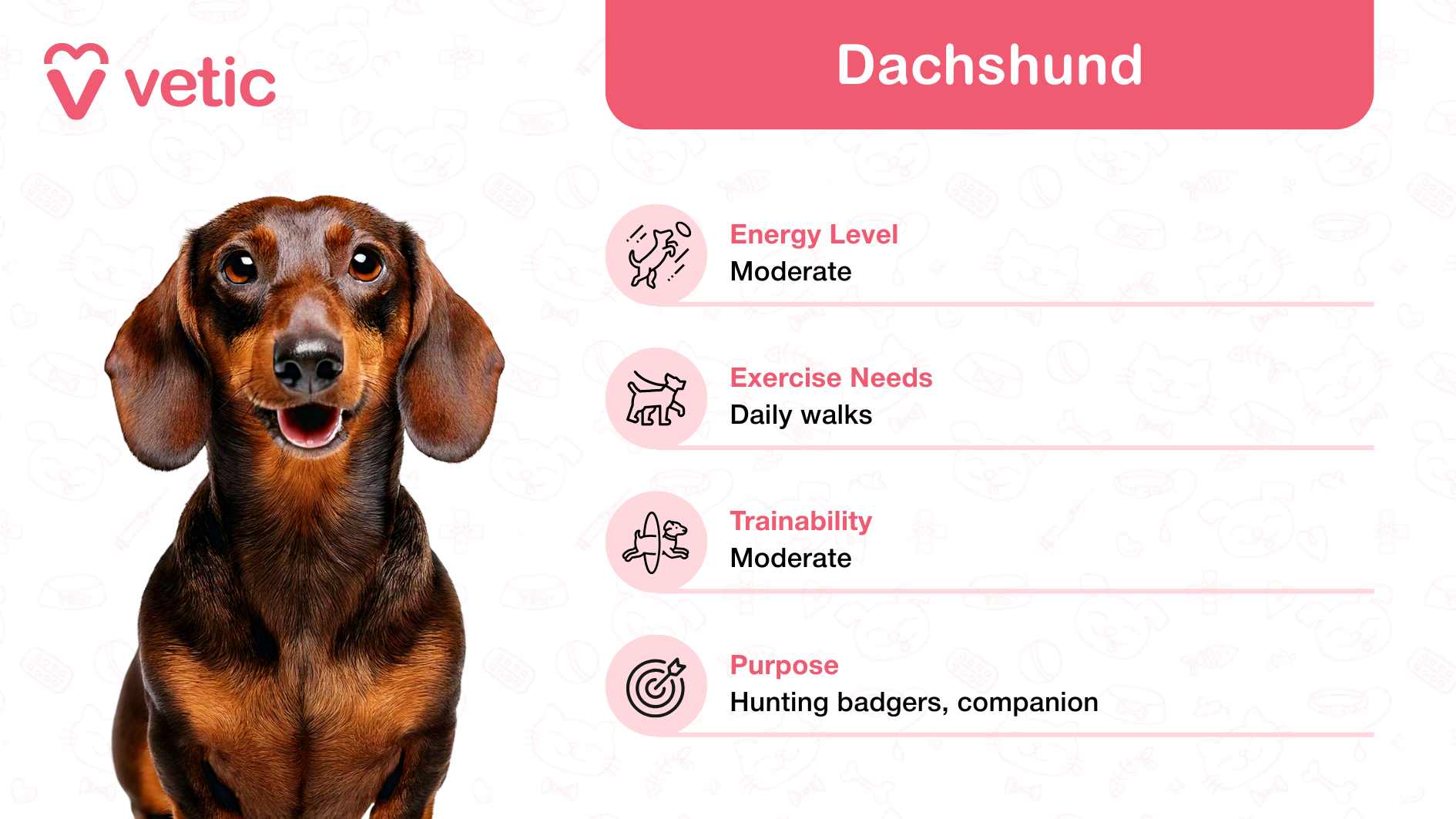
Every dog is unique. Breed, age, size, and health shape daily pep and stamina. A young herding dog may crave long work and tasks. A senior toy breed may need short strolls and soft games. Health also matters. Thyroid issues, pain, or gut stress can change drive and mood.
Use what you see. Watch your dog for one week. Track when they get the zoomies, yawn, search for you, or crash hard. This data will guide how to manage dog energy levels daily for your exact dog.
Practical checks:
- Age: Puppies need quick play and many naps. Adults can handle longer work. Seniors do best with gentle, steady plans.
- Build: Flat-faced breeds tire fast in heat. Lean runners love long jogs in cool hours.
- Health: If energy swings are sharp or new, call your vet.
)
Build a Daily Rhythm That Sticks
Dogs thrive on a steady plan. A simple rhythm keeps their brain and body in sync. Think in blocks: morning move, mid-day brain, evening release, and calm close.
A sample flow you can tweak:
- Morning: Potty, brisk walk, short training, breakfast in a puzzle feeder.
- Mid-day: Sniff break, tug or fetch in sets, nap in a quiet spot.
- Evening: Walk or play, dinner in a slow feeder, two calm drills like place or settle.
This type of plan is the heart of how to manage dog energy levels daily. Start small. Keep what works. Drop what spikes arousal late at night.
Exercise Smart: Quality Over Quantity
More is not always better. The right exercise drains the tank without flooding the brain. Mix steady movement and short bursts with skill work.
Pro tips from the field:
- Use intervals: 2 minutes fetch, 1 minute sit or down. Repeat 4 to 6 sets.
- Try decompression walks: slow pace in a quiet field with a long line. Let your dog sniff.
- Add strength: hill walks, gentle stairs, or controlled cavaletti poles.
- Keep it safe: Warm up 5 minutes. Cool down 5 minutes. Skip hard runs in heat.
I learned this with a rescue pointer who would sprint until he crashed. Intervals made him calm, not wired. That is how to manage dog energy levels daily without meltdowns.
Mental Enrichment That Actually Tires
Brain work is jet fuel. Ten minutes of scent games can relax a dog more than a long jog. The goal is to make your dog think, sniff, and solve.
Try these:
- Food puzzles: frozen Kongs, snuffle mats, muffin tin with treats under balls.
- Scent games: scatter feed in grass, box searches, find the toy by name.
- Training: two five-minute sessions of sit, down, stay, recall, or tricks.
- Chews: safe long-lasting chews after play to shift into rest.
Rotate toys and games every few days. This simple rotation is a secret weapon in how to manage dog energy levels daily.
Feed for Steady Fuel, Not Spikes
Food shapes energy. Think steady burn, not sugar rush. Aim for a balanced diet with good protein and fat. Avoid junk treats with lots of fillers.
Simple rules:
- Time meals: feed after exercise, not right before hard play.
- Use meals for work: in puzzles or for training reps.
- Hydrate: add water to kibble or offer broth ice cubes.
- Watch weight: extra pounds strain joints and drain drive.
When I shifted a client’s dog to puzzle-fed meals, food guarding fell, focus rose, and the dog slept better. Smart feeding is a key part of how to manage dog energy levels daily.

Protect Sleep and Recovery
Dogs need lots of sleep. Many healthy adults sleep 12 to 14 hours per day. Puppies and seniors need more. Deep rest resets the brain and body.
Put rest on the plan:
- Make a sleep zone: dark, cool, quiet, with a comfy bed or crate.
- Teach a settle cue: reward calm on a mat after play.
- Use white noise at night if your home is loud.
- Keep kids and guests from pestering a napping dog.
When rest is solid, you will find it much easier to choose how to manage dog energy levels daily without fights or nagging.

Read the Signs and Track Progress
Your dog is talking. Learn the cues. Over-aroused dogs pace, mouth, jump, and struggle to rest. Under-stimulated dogs may bark, dig, or chew the wrong things. A well-balanced dog can nap after fun and wake up ready to learn.
Tools that help:
- An energy log: note walk lengths, games, meals, naps, and mood.
- Wearables: activity trackers can show trends in rest and movement.
- Video: record training to see stress or focus changes.
Use this data to refine how to manage dog energy levels daily. Adjust one thing at a time and watch the change.
Tailor by Life Stage and Breed
One size does not fit all. Match the plan to age and breed traits.
By stage:
- Puppies: short play, many naps, basic skills, safe social time. Keep sessions tiny.
- Adults: mix of cardio, strength, and brain work. Keep a firm routine.
- Seniors: gentle walks, soft games, short skill refreshers, joint care, and warm-ups.
By breed type:
- Herding and working dogs: jobs to do, like scent work or task games.
- Toy breeds: short bursts, indoor games, cozy rest.
- Flat-faced breeds: avoid heat, keep walks short, watch for labored breath.
Make these tweaks and you will master how to manage dog energy levels daily with less stress and more joy.

Weather, Safety, and Season Tips
Heat, cold, and air quality change the plan. Smart swaps keep dogs safe and calm.
Season smarts:
- Hot days: walk at dawn or dusk. Use shade and water. Play nose games inside.
- Cold snaps: shorter walks, boots if needed, warm-ups before fetch.
- Bad air or storms: indoor training, treadmill with care, puzzle marathons, calm chew time.
Safety first is the backbone of how to manage dog energy levels daily all year long.
When to Call in Pros
If your dog is frantic, shuts down, or shows new fear or pain, get help fast. Sudden changes can be medical. Vets can check thyroid, pain, or gut issues. Trainers and behavior pros can build a plan.
Red flags:
- Big mood swings or no interest in play.
- Not sleeping, or waking with panic.
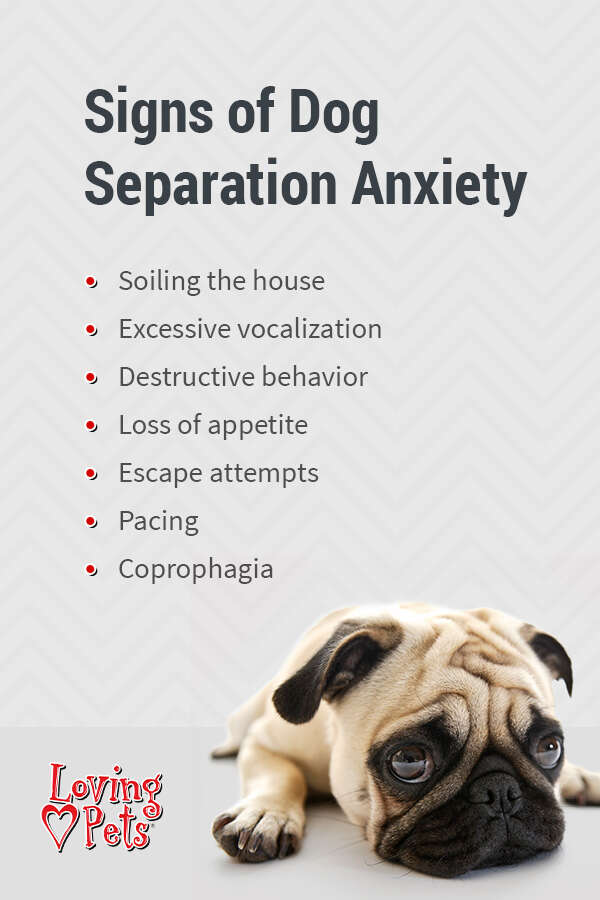
- Aggression, resource guarding, or severe separation stress.
A pro team can refine how to manage dog energy levels daily and keep both you and your dog safe and happy.
Frequently Asked Questions of how to manage dog energy levels daily
How much exercise does my dog need each day?
Most adult dogs do well with 60 to 90 minutes across the day. Split it into two or three blocks with brain work mixed in.
What is the best time to train for focus?
Morning after a short walk works well for many dogs. They are alert but not overexcited.
Can mental games replace a walk?
They can help on bad weather days, but walks are still key. Sniffing outside supports calm and cuts stress.
How do I help a reactive dog burn energy safely?
Use decompression walks in quiet spots and short scent games at home. Train distance and focus with easy wins.
Is fetch bad for high drive dogs?
Not if you use intervals and rest between throws. Warm up, keep sets short, and cool down.
How to manage dog energy levels daily when I work long hours?
Use morning activity, a midday walker, and evening brain games. Feed with puzzles and set a solid sleep routine.
Do seniors still need training and play?
Yes, in gentle ways. Short walks, soft puzzles, and simple skills keep minds sharp and bodies moving.
Conclusion
A calm, happy dog is not an accident. It is the result of a clear plan: the right mix of movement, brain work, food, and sleep, done at the right times. Start small. Track results. Adjust with care. That is how to manage dog energy levels daily and build a life you both love.
Try one change today. Swap a rushed fetch for a sniff walk and a puzzle meal. Notice the calm that follows. Want more support? Subscribe for weekly tips, ask a question, or share your wins in the comments.

Pet Care Writer & Researcher
Daniel writes practical guides on daily care, feeding, and safety, turning complex topics into simple, actionable advice.