How To Keep Dog Safe Indoors: Vet-Approved Tips
Learn how to keep dog safe indoors with vet-backed tips for hazard-proofing, boredom busting, and emergency prep. Get a handy home safety checklist.
Block hazards, secure food and meds, train routines, and enrich every day.
If you have ever wondered how to keep dog safe indoors, you are in the right place. I’ve spent years helping families build homes that work for pets. You will learn clear steps, solid rules, and smart tools. We will cover real risks, easy fixes, and daily habits. By the end, how to keep dog safe indoors will feel simple, kind, and doable for any home.
Home setup and dog-proofing basics
Start with the layout. Make clear zones for rest, play, and eating. Use baby gates to block risky rooms. Add a comfy bed in a quiet corner.
Secure the trash. Dogs love smelly bins. Use a can with a tight lid or a latch. Lock cabinets that hold food, meds, or cleaners.
Hide cords. Tuck them behind furniture. Use cord covers. Bitter spray can help if your dog chews. Shorten blind cords so they do not dangle.
Check windows. Screens should lock and fit tight. Keep balconies shut. A dog can slip through gaps fast.
Remove small items. Pick up coins, hair ties, batteries, socks, and toys. These can choke or block the gut.
Mind your plants. Keep lilies, sago palm, pothos, philodendron, aloe, and dieffenbachia out of reach. Many common houseplants can harm dogs.
From my own home, a simple rule helped a lot. Anything that can fit in a tennis ball tube lives behind a door. That single move cut down surprise vet runs. It is a small change that answers how to keep dog safe indoors every day.
Indoor hazards and how to fix them
Cleaners and chemicals belong high up. Use child locks on low doors. Keep bleach, detergent pods, and drain cleaner far from paws.
Food risks are real. Chocolate, grapes, raisins, xylitol, onions, and garlic can be toxic. Set a house rule that people food never hits the floor. Wipe surfaces after meals.
Store meds well. Use lidded boxes. Do not leave pill packs on tables or in bags. Many poison cases involve human meds.
Manage heat and flame. Skip open flames. Pick flameless candles. Place space heaters behind a gate. Teach a settle mat while you cook.
Watch laundry gear. Keep washer and dryer doors shut. Check before each load. Many dogs love warm spots, which can turn risky.
Anchor heavy things. Secure TVs and tall shelves to studs. Use non-slip mats under furniture. A jumping dog can tip things fast.
Choose safe chews. Skip cooked bones and most rawhide. Try tough rubber toys, nylon chews, or natural sticks like bully sticks. Always supervise chew time.
If you want how to keep dog safe indoors across all seasons, build these fixes into your weekly clean-up. It turns safety into a habit.
Health and comfort indoors
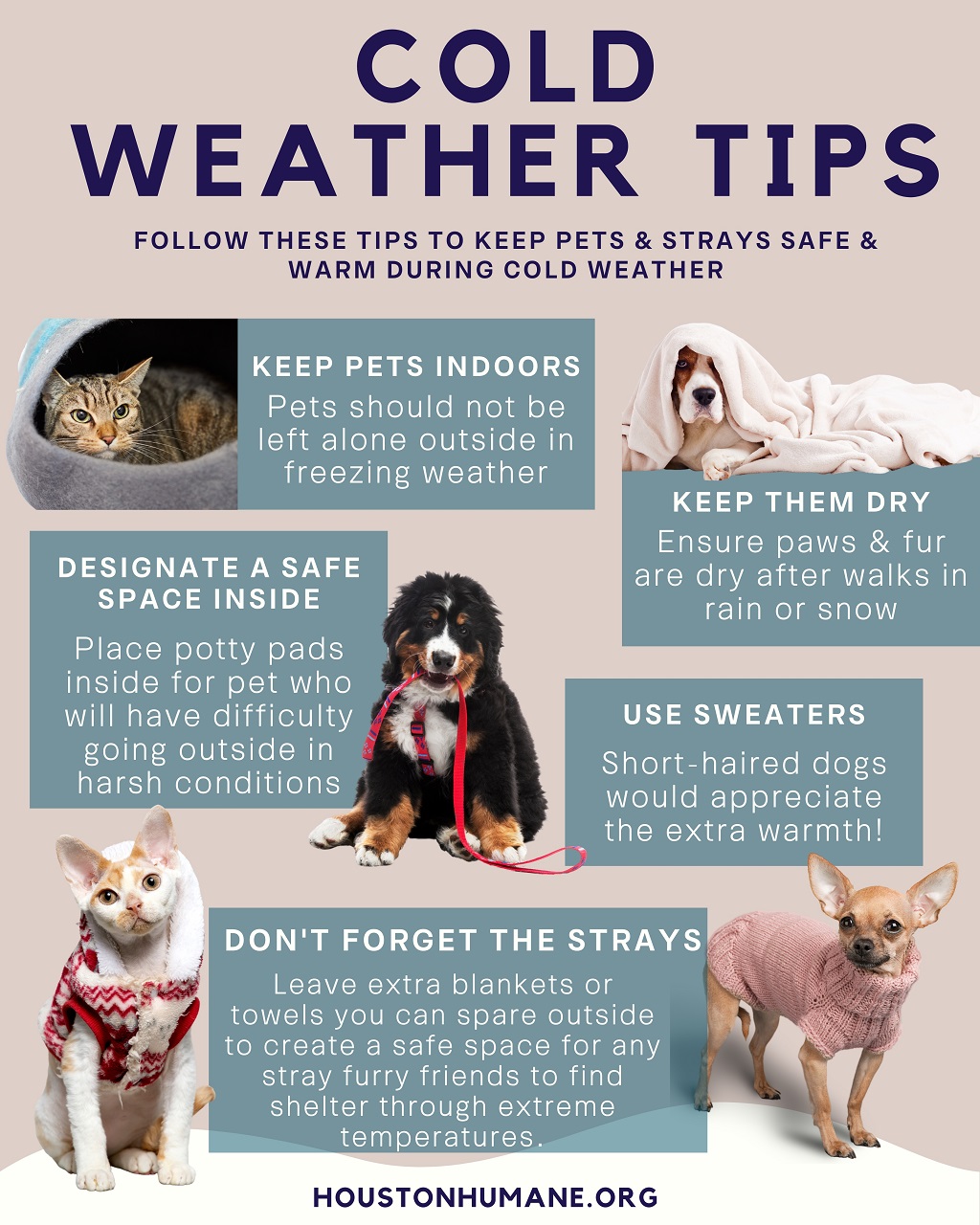
Aim for a steady room temperature. Most dogs like 68–72°F. Use fans or AC on hot days. Add warm beds or blankets in winter.
Offer fresh water in more than one spot. Use a heavy bowl or a spill-proof bowl. Wash bowls daily to stop slime and germs.
Pick the right crate size. Your dog should stand, turn, and lie down with ease. A crate is a safe den, not a jail. Do not use it as a punishment. Keep long crate time rare.
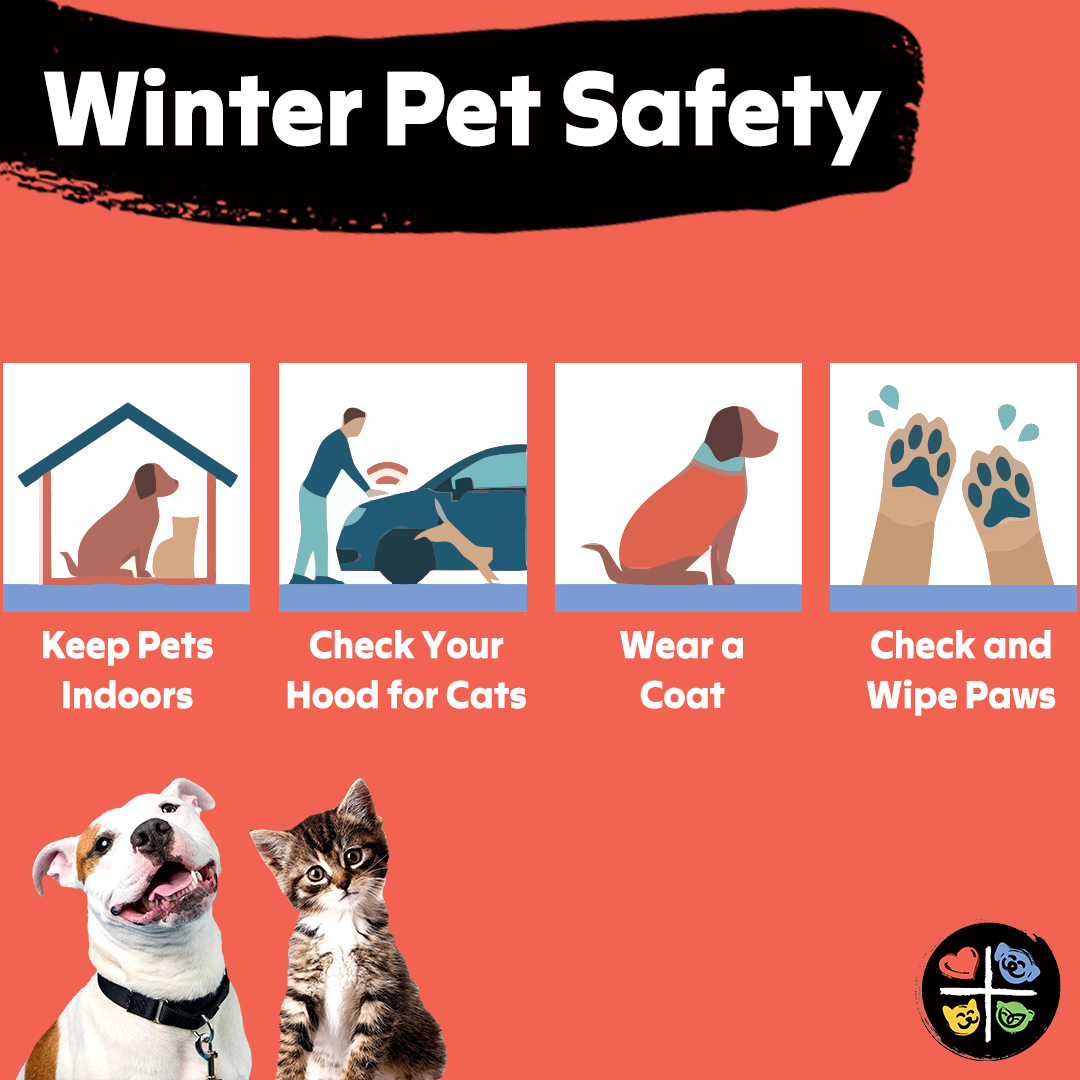
Create a quiet space. Many dogs fear storms or loud sounds. Try white noise. Close drapes. Ask your vet about calming aids if needed.
Trim nails often. Long nails slip on floors and strain joints. Place rugs on slick halls. This helps seniors and large breeds.
Keep potty breaks on a schedule. A regular routine prevents accidents and stress. It also helps you spot changes in health fast.
These steps look small. But they are the core of how to keep dog safe indoors with comfort and calm.
Behavior and mental safety
A tired brain is a safe brain. Plan two play or walk blocks each day. Short indoor training sessions count too. Five minutes of sits, downs, and stays can work wonders.
Use food puzzles, snuffle mats, and slow feeders. Rotate toys to keep them new. Hide treats in boxes for a fun scent game. Simple jobs make dogs proud and relaxed.
Prevent separation stress. Practice short exits. Pick a cue like “I’ll be back.” Leave a high-value chew when you go. A pet cam helps you track progress.
Teach family rules. Ask kids to wait for a tail wag before they pet. Watch for stress signs like yawns, lip licks, whale eye, or a tucked tail. Respect a dog’s need for space.
Reduce window barking. Cover low windows with film. Move furniture away from view lines. Use white noise to mask street sounds.
A quick story from my work with a foster dog. He chewed the door frame each time I left. I moved him to a smaller safe room, added a snuffle mat and a frozen chew, and left a worn T-shirt with my scent. Chewing stopped in three days. That is how to keep dog safe indoors by meeting the need under the behavior.
Emergency prep and safety checks
Make a pet first-aid kit. Include gauze, non-stick pads, vet wrap, saline, tweezers, blunt scissors, digital thermometer, and styptic powder. Add your dog’s meds and a copy of records.
Post key numbers. Place your vet and poison control by the door and fridge. Save them in your phone.
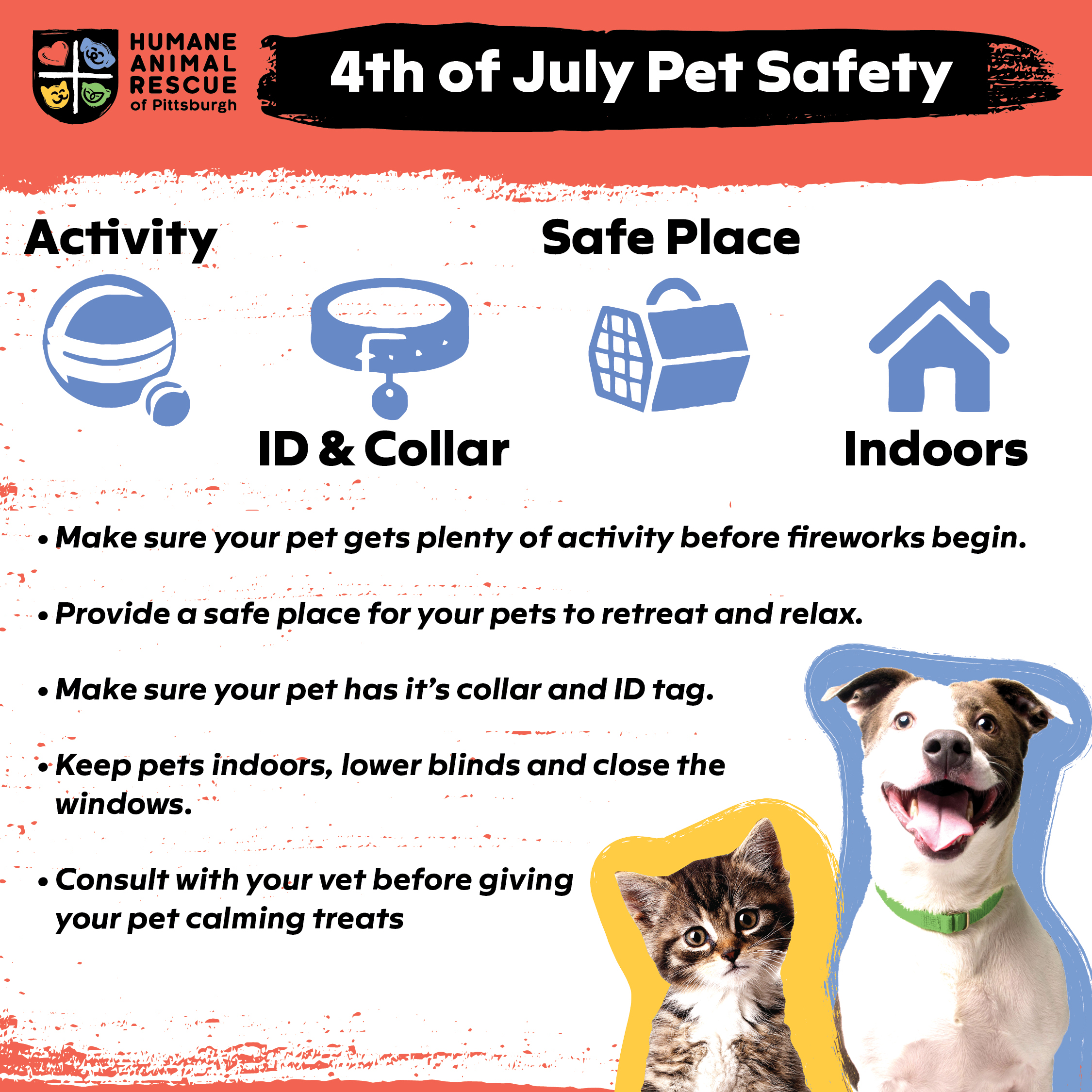
Plan for exits. Keep a leash by each door. Place your crate or carrier in a known spot. Practice quick exits just like a fire drill.
Use ID you can trust. Keep a tag on the collar at all times. Microchip your dog and update the info. Even indoor dogs can slip out.
Test alarms. Check smoke and CO detectors each month. A smart alarm that alerts your phone can save lives. A pet rescue sticker on the window helps first responders.
Do a monthly sweep. Look for loose wires, low batteries, plant growth, and toy wear. Holiday décor adds risk. Secure trees, skip tinsel, and store glittery cords.
These checks build a safety net. If you ask how to keep dog safe indoors during a crisis, this is your answer.

Daily routines and supervision
Build a gentle rhythm. Do a morning yard or potty trip, a short play, and breakfast. Midday, offer a potty break and a brain game. At night, a calm walk, dinner, and a quiet chew.
Set up alone time with care. Use a safe room or crate, a water bowl, and a long-lasting chew. Turn on soft music. Close blinds to block triggers.
Rotate and inspect toys each week. Toss any toy with rips, loose eyes, or sharp edges. Wash plush toys. Clean rubber toys with hot soapy water.
Keep rules simple and steady. Use the same cues like sit, wait, and drop. A predictable home lowers stress. This is a core part of how to keep dog safe indoors.
Stop door dashing. Teach a wait at every door. Reward calm sits. Use a baby gate as a second barrier for guests and deliveries. Keep packages off the floor.
Adjust for age. Puppies need tighter gates and more breaks. Seniors need rugs for grip, ramps for sofas, and low beds. Custom care is key to how to keep dog safe indoors for life.

Smart tech and tools that help
Pet cams let you watch and talk. You can spot stress signs and step in early. Use them to time breaks and reward quiet.
Smart feeders and water fountains can help, but still check daily. Tech should support your routine, not replace it.
Use playpens and gates to define space. They protect both your dog and your stuff. Choose sturdy panels with smooth edges.
Add night lights in halls and stairs. This helps seniors and small dogs move with ease. Smart plugs can turn lights on at dusk.
Protect wires with cord covers. Use anti-chew sprays on baseboards if needed. Place routers and modems inside cabinets or up high.
Run an air purifier if dust or dander builds up. Good air helps short-nosed breeds breathe easier. It also cuts odors and particles.
With the right tools, how to keep dog safe indoors becomes low effort and high reward.
Frequently Asked Questions of how to keep dog safe indoors
What are the most common indoor poisons for dogs?
Human meds, xylitol, chocolate, and grapes top the list. Cleaners, batteries, and some houseplants also cause harm.
Is crate training safe and humane?
Yes, when sized right and used for short periods. Make it a cozy den with a bed and safe chew.
How much indoor exercise does my dog need?
Most dogs do best with two active sessions each day. Add short training and puzzle games to work the mind.
How do I stop my dog from chewing cords?
Use cord covers, move wires out of reach, and provide better chew options. Reward your dog for chewing the right thing.
What should be in a pet first-aid kit?
Gauze, non-stick pads, vet wrap, saline, tweezers, blunt scissors, and a thermometer. Include your vet’s number, meds, and a copy of vaccine records.
How can I make windows safer for my dog?
Lock screens, secure latches, and use window film to cut views that trigger barking. Keep furniture away from ledges.
What indoor temperature is safe for dogs?
Most dogs like 68–72°F. Use fans or AC in heat and add warm bedding in winter.
Conclusion
A safe home is not one big fix. It is many small, steady choices. Secure the space, set clear rules, and meet daily needs for body and mind. That is how to keep dog safe indoors, day after day.
Start with one step today. Lock the trash. Add a gate. Set a toy rotation. Then build your checklist and share it with your family. If this guide helped, subscribe for more pet-safe tips, or drop a comment with your own wins and questions.

Pet Care Writer & Researcher
Daniel writes practical guides on daily care, feeding, and safety, turning complex topics into simple, actionable advice.