
Can A Basenji Dog Bark: Why Basenjis Vocalize
Wondering can a basenji dog bark? Learn Basenji vocal sounds, why they yodel not bark, and simple tips to manage noise. Read now.
Basenjis rarely bark; they yodel, howl, and make unique sounds, though occasional barking is possible.
I’ve lived with Basenjis and studied their behavior for years, so I know why people ask "can a basenji dog bark." This guide explains what that question really means, why Basenjis sound different, when they might bark, and how to handle vocal behavior the smart way. Read on for clear answers, practical tips, and real-life experience to help you understand and live happily with a Basenji.

Why Basenjis are known as "barkless" dogs
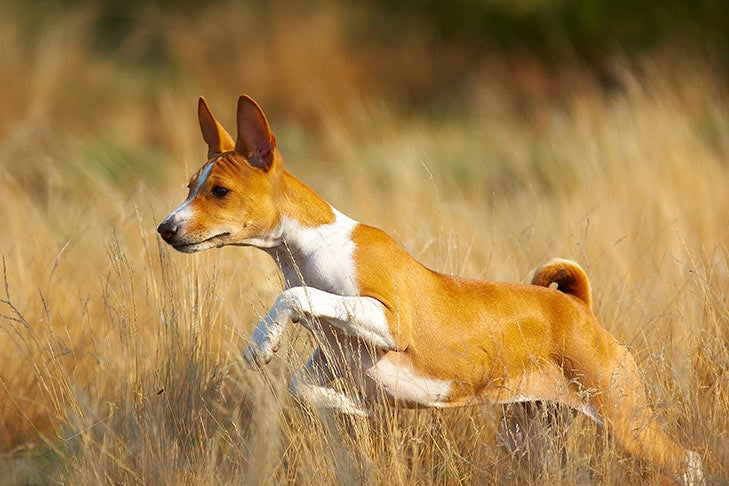
Basenjis have a long history as hunting dogs from central Africa. Over generations, breeders favored dogs that used quiet, alert signals instead of loud barks while hunting. This history shaped both their behavior and their vocal anatomy.
The phrase "barkless" is a shorthand. It does not mean silence. Basenjis use a range of sounds that are simply not typical dog barks. Learning this difference helps answer whether can a basenji dog bark and what to expect at home.

Can a Basenji dog bark? The clear answer and why
Yes, can a basenji dog bark — but not like many other breeds. Basenjis produce fewer true barks and more unique noises. They are famous for a yodel-like sound called a "baroo" and other vocalizations that feel musical or strange to people used to classic barking.
Reasons they bark less:
- Genetic selection favored quieter hunting behavior.
- Their larynx and vocal fold use produces different tones.
- Early training and environment shape vocal habits.
So, when someone asks can a basenji dog bark, expect occasional barks in certain situations, not constant barking.

Other sounds Basenjis make and what they mean
Basenjis are vocal in ways that differ from barking. Common sounds include:
- Baroo: a yodel-like call used in play or when excited.
- Howl or bay: used when alert or communicating at distance.
- Whine or whimper: signals need, discomfort, or attention seeking.
- Growl: warning or defensive signal, often short and low.
- Chirp or chortle: a quirky, brief noise when curious or happy.
Each sound has meaning. Learning to read these helps you respond calmly and gives insight into whether can a basenji dog bark in a given context.

Why a Basenji might bark sometimes
Basenjis may bark more than usual for clear reasons. Common triggers include:
- Alarm or threat near the home.
- Pain, illness, or discomfort.
- Fear or anxiety from new people, pets, or sounds.
- Boredom and lack of mental stimulation.
- Poor socialization or inconsistent training.
When you ask can a basenji dog bark in your neighborhood, consider context. A Basenji that rarely barks may still alert with a short bark when needed.
Training and management to reduce unwanted barking
Good habits start early. Use these steps to manage Basenji vocal behavior:
- Socialize broadly: expose them to people, animals, and places gently.
- Reward quiet: use treats and praise when the dog stays calm.
- Teach a "quiet" cue: pair a calm cue with small rewards.
- Provide enrichment: puzzle toys, scent games, and daily walks cut boredom.
- Address triggers: desensitize to sounds or experiences that cause alarm barking.
- Consult a trainer: seek positive, reward-based methods over punishment.
When training, remember the question can a basenji dog bark is less about stopping sound and more about shaping useful, calm communication.

Health, genetics, and behavior considerations
Always consider health when vocal habits change. Sudden or increased barking can signal:
- Pain or dental issues.
- Ear infections or hearing loss changes.
- Thyroid or neurological problems.
Some Basenjis inherit traits that make them more vocal. Responsible breeders test for temperament. If you're unsure about whether can a basenji dog bark because of health, see a vet for a check-up.

Personal experience: lessons learned living with Basenjis
From my time with two Basenjis, here are lessons I learned:
- Expect charm and unpredictability. Their yodels are oddly addictive.
- Early, steady training matters more than trying to change adult behavior.
- Enrichment beat discipline. A tired Basenji is a quiet Basenji.
- Mistake to avoid: using harsh correction. That increases anxiety and unwanted noise.
These practical tips come from real life. If you ask can a basenji dog bark in your home, remember that patience and consistency win.
Frequently Asked Questions of can a basenji dog bark
Can a Basenji dog bark like other dogs?
Yes, a Basenji can bark, but it is less common. Their barks are usually short and situational.
Why do Basenjis yodel instead of bark?
Basenjis have different vocal habits shaped by genetics and breeding for quiet hunting. The yodel is a natural vocal form for them.
Will training stop my Basenji from barking?
Training can reduce unwanted barking by teaching alternatives and rewarding quiet, but it won’t remove natural vocal habits entirely.
Do Basenjis bark at strangers or only at threats?
They may bark at strangers if anxious or if the stranger is perceived as a threat. Socialization reduces fearful barking.
Is excessive barking a sign of illness in Basenjis?
Yes, sudden or new barking can signal pain or medical issues, so consult a vet if vocal behavior changes.
How do I stop my Basenji from barking at night?
Provide exercise before bedtime, use calming routines, and limit access to triggers. If barking persists, rule out health or anxiety causes.
Conclusion
Basenjis are not truly "barkless," but they rarely bark the way many breeds do. Understanding whether can a basenji dog bark helps you set realistic expectations and use training, enrichment, and vet care to manage vocal behavior. Embrace their unique sounds, invest in early socialization, and keep routines consistent. If you want a quieter yet expressive companion, a Basenji can be a great fit. Try one training tip this week and see how your Basenji responds — then share what worked or ask for help in the comments.

Pet Care Writer & Researcher
Daniel writes practical guides on daily care, feeding, and safety, turning complex topics into simple, actionable advice.