
Do Dog Whistles Stop Barking: Effective Solutions That Work
Find out if do dog whistles stop barking, when they help, and humane tips to reduce barking fast. Read expert advice and real results.
Dog whistles can sometimes reduce barking briefly, but they seldom stop it permanently.
As a longtime dog trainer and behavior consultant, I get asked, "do dog whistles stop barking" almost every week. I’ll walk you through how dog whistles work, when they help, when they don’t, and practical, humane ways to manage barking. Expect clear explanations, real-world tips from my experience, and evidence-based guidance so you can decide whether a dog whistle fits your training plan.

How dog whistles work: the basics and the science
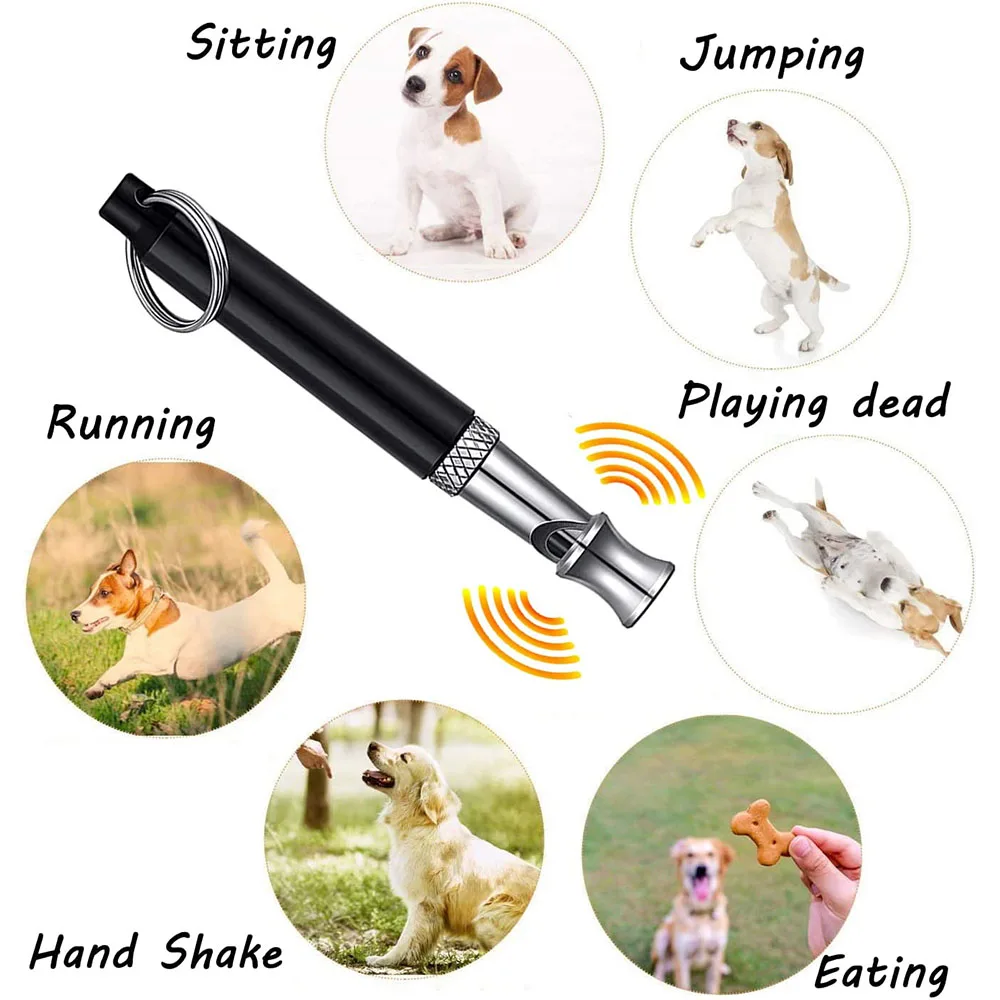
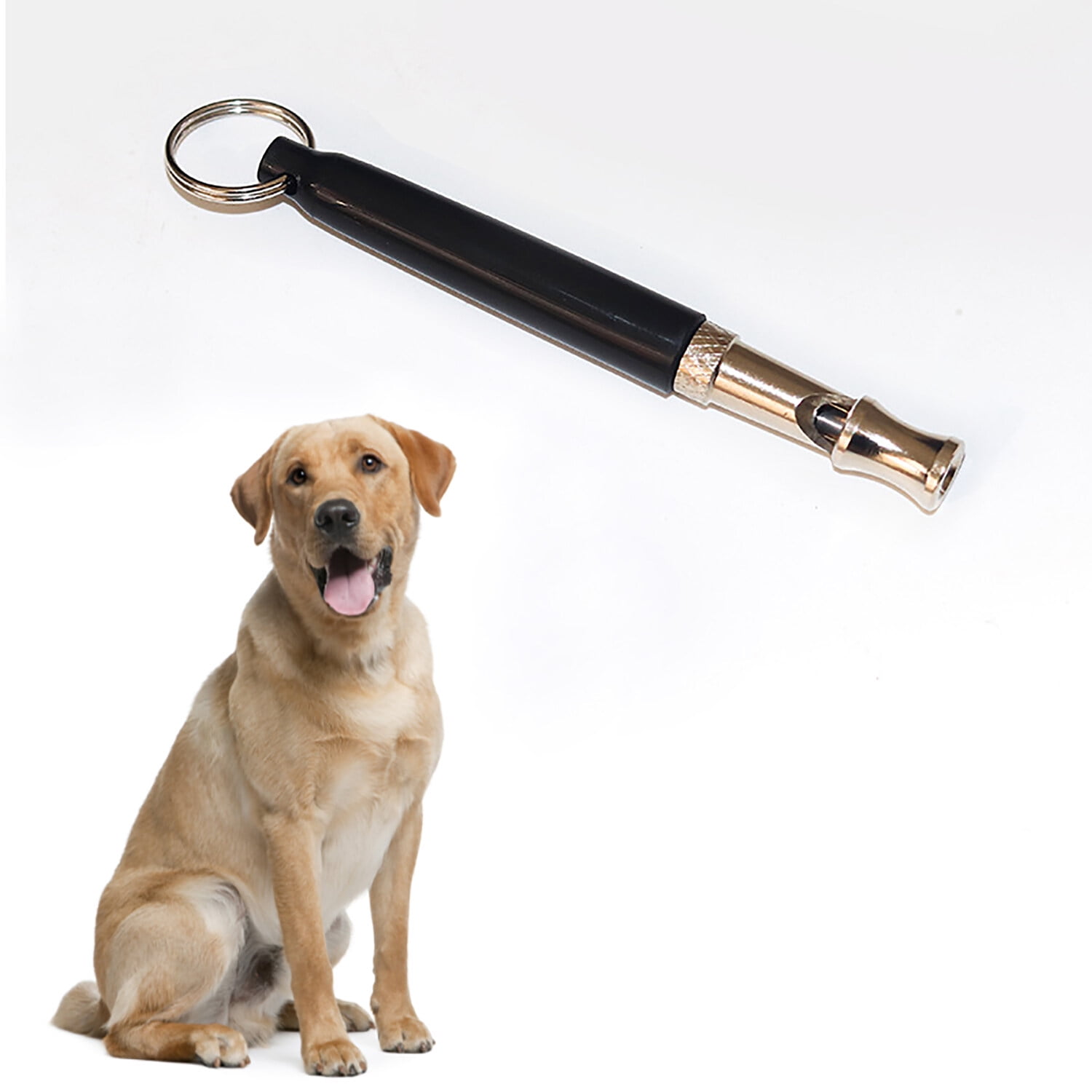
Dog whistles emit high-frequency sounds. Dogs hear much higher pitches than humans. A dog whistle typically produces tones above 16 kHz, which many dogs detect while humans cannot.
The sound itself is neutral. It does not carry an innate meaning for a dog. Dogs learn to link the whistle with outcomes through training. If the whistle predicts praise, a treat, or a stop to something unpleasant, the dog responds in that trained way.
Research and observation show that the physiological effect is limited. The whistle catches attention. It can interrupt a behavior like barking. But interruption is not the same as solving the reason for barking.

Do dog whistles stop barking? What works and what fails
When people ask do dog whistles stop barking, they mean can a whistle make barking end. The short reality is mixed. A whistle can stop barking in certain situations. It often works as an attention-getter for dogs that know the whistle predicts something positive or instructive.
However, do dog whistles stop barking when the barking stems from fear, boredom, or territorial drive? Usually not. If a dog is highly motivated—protecting territory, anxious, or in the middle of play—a whistle may be ignored or even make the dog more reactive.
From my experience, whistles are best as a training tool, not a magic fix. Used with consistent training, the whistle can cue quiet behavior. Used alone, it gives inconsistent results and may frustrate owners.

Situations where dog whistles are effective
- Training recall and attention
- A trained dog will stop barking to listen when the whistle signals a command.
- Interrupting brief, attention-seeking barks
- When barking is simply to get your focus, a whistle can break the pattern.
- In noisy environments
- The high pitch can cut through low-frequency noise and reach the dog’s ears.
I once used a whistle with a neighbor’s terrier that barked every time someone passed the gate. After pairing the whistle with treats and a “quiet” command over two weeks, the terrier learned to pause and check rather than bark immediately. That quick success came from training, not the whistle alone.
Limitations: why dog whistles often fail to stop barking
- No built-in meaning
- Dogs don’t know what a whistle means until it is taught.
- Varying hearing among dogs
- Older dogs or dogs with hearing loss may not hear the whistle at all.
- Strong emotional drivers
- Fear, territorial instincts, and high arousal can override a whistle’s effectiveness.
- Risk of habituation
– Repeated use without reward can make the sound meaningless over time.
Be honest: if barking is tied to anxiety or loneliness, do dog whistles stop barking? Probably not. These cases need behavior modification and environmental change.

How to use a dog whistle correctly and humanely
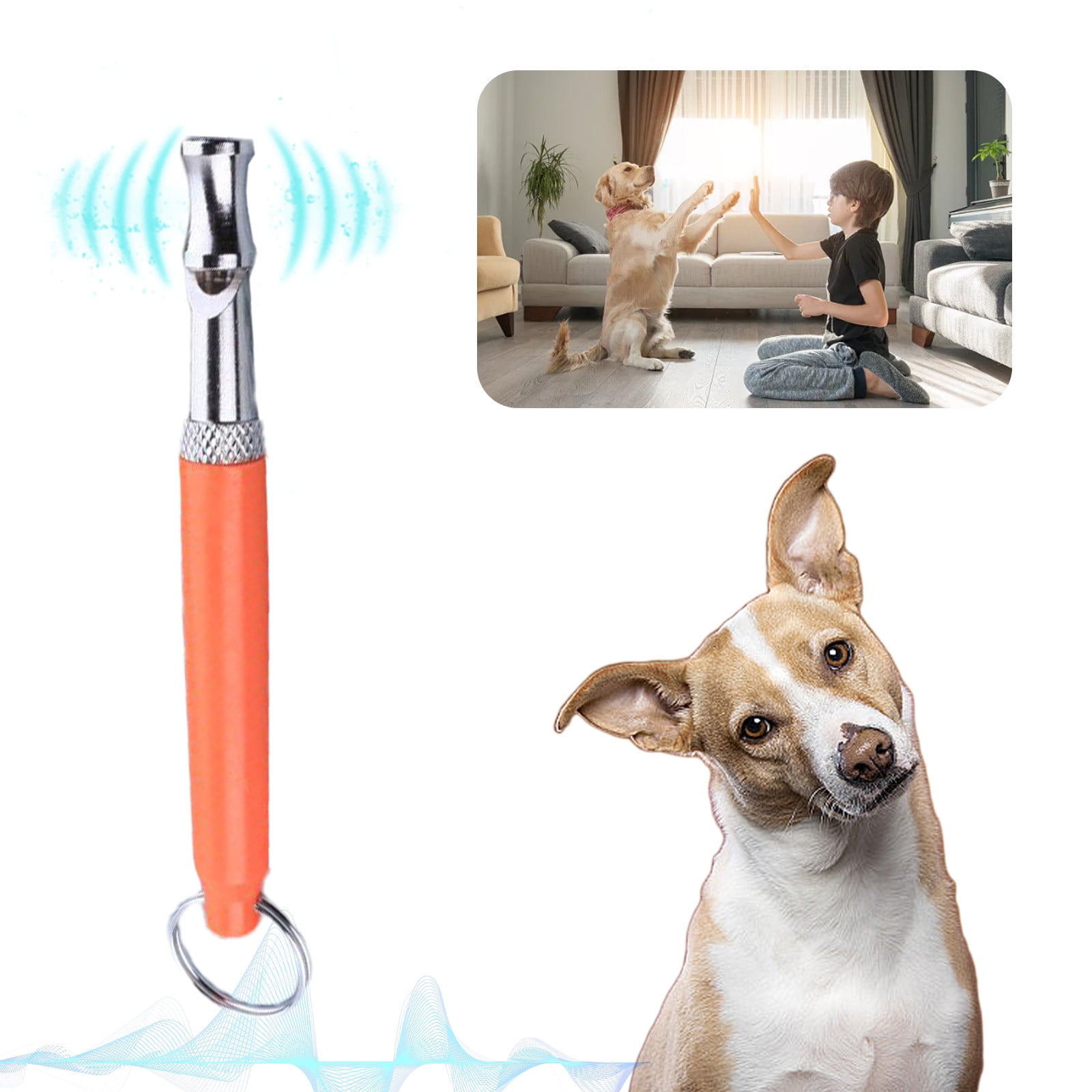
- Teach the whistle as a cue
- Pair the whistle with a treat, praise, or a known command. Make it predictable.
- Keep sessions short and positive
- Train in brief, daily sessions. End on success.
- Combine with a “quiet” command
- Use the whistle to get attention, then give the quiet cue and reward silence.
- Monitor your dog’s reaction
- If the dog shows stress or confusion, stop and use gentler methods.
- Avoid punishment
- Do not use the whistle as a reprimand or to cause discomfort.
In training, patience beats force. My rule: use the whistle as part of a plan. Start slow, reward good behavior, and track progress in small steps.
Alternatives and complementary approaches to stop barking
- Positive reinforcement training
- Reward quiet behavior immediately and consistently.
- Environmental adjustments
- Close blinds, remove visual triggers, or provide enrichment toys to reduce barking sources.
- Addressing anxiety and boredom
- Exercise, mental stimulation, and routine reduce stress-driven barking.
- Professional behavior modification
- A certified trainer or behaviorist can design a plan for persistent issues.
When owners ask do dog whistles stop barking, I suggest trying whistles alongside these methods. Often, a combined plan is what produces lasting change.

Common mistakes and troubleshooting
- Expecting instant results
- Training takes consistent repetition; a whistle won’t fix long-standing habits overnight.
- Using it inconsistently
- Inconsistent cues confuse dogs. Use the whistle in defined contexts only.
- Overuse without rewards
- If you whistle but never reward desired behavior, the dog learns nothing useful.
- Ignoring root causes
- If the dog barks from fear or pain, a whistle won’t help. See a vet or behaviorist.
A mistake I made early in my career was relying solely on the whistle for a neighbor’s nuisance barker. The owner stopped basic training steps and the dog got worse. I learned to always pair the whistle with clear rewards and rules.
PAA-style quick questions
- Do dog whistles stop barking on their own?
- Not reliably. They interrupt or get attention but need training to be effective.
- Are dog whistles safe for dogs?
- Yes, when used correctly; whistles are non-painful sounds. Watch for signs of distress.
- Will a dog get used to a whistle?
- Dogs can habituate. Keep training varied and reinforce the cue with rewards.
- Can puppies learn whistle cues faster?
- Puppies are often more receptive, but consistency matters more than age.
- Is a silent whistle truly silent to humans?
- Many are inaudible to humans but loud to dogs; some people can still hear lower frequencies.
Frequently Asked Questions of do dog whistles stop barking
How fast will a dog respond to a whistle?
Most dogs can learn to respond within days if you train consistently. Complex behaviors and stubborn habits can take weeks to change.
Can any breed hear a dog whistle?
Most breeds hear the high frequencies, but individual hearing varies with age and health. Older or deaf dogs may not respond.
Will using a whistle hurt my dog’s hearing?
No, a properly used whistle does not damage hearing. Avoid extremely loud, sustained blasts and watch for stress.
Should I use a whistle for aggressive barking?
No, aggressive barking needs professional behavior intervention. A whistle may escalate or be ignored in aggression cases.
How do I teach quiet with a whistle?
Blow the whistle to get attention, give the quiet command, then reward when the dog is silent. Repeat in short, frequent sessions.
Conclusion
Dog whistles can help reduce barking in specific, trained situations, but they are not a cure-all for barking problems. Real success comes from pairing the whistle with clear training, rewards, and addressing the root causes of barking like fear, boredom, or lack of exercise. If you want lasting change, build a consistent plan, monitor your dog’s response, and get professional help for complex issues. Try a whistle as one tool in your toolkit, track results, and adjust as needed. If this helped, try the training steps for two weeks, share your progress, or leave a comment with your questions.

Pet Care Writer & Researcher
Daniel writes practical guides on daily care, feeding, and safety, turning complex topics into simple, actionable advice.