How To Get My Puppy To Stop Barking: Gentle Proven Tips
Calm your home with simple, humane steps on how to get my puppy to stop barking. Quick tips, training routine, and when to get professional help.
Teach calm cues, manage triggers, and reward quiet behavior consistently and kindly.
I’ve trained puppies for years and helped dozens of owners answer the question how to get my puppy to stop barking. This guide breaks the problem down into clear steps you can use today. You’ll learn why puppies bark, practical training routines, tools that help, and how to avoid common mistakes. Read on for simple, proven strategies that work for puppies of any breed.

Why puppies bark and what it means
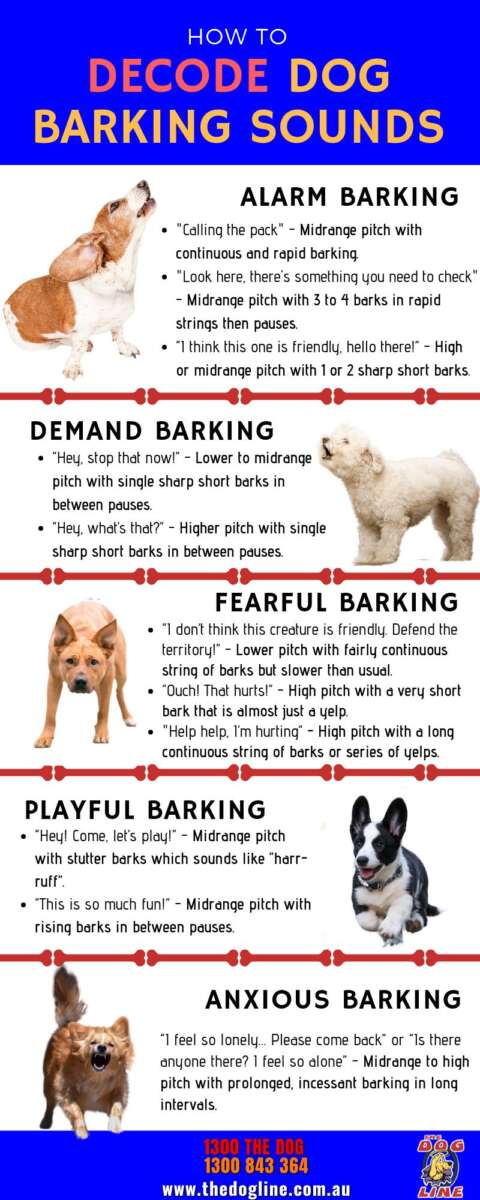
Puppies bark to speak. Barking can mean excitement, fear, boredom, attention seeking, or alarm. Understanding the why is the first step in learning how to get my puppy to stop barking.
Puppies have small attention spans and big emotions. They test limits with noise. They also learn quickly which sounds get a response from you. If barking earns attention, it will repeat. If barking removes a problem, like keeping a stranger away, it will repeat too.
- Stranger or dog at the fence. Puppies alert to movement.
- Boredom and lack of exercise. Energy fuels noise.
- Separation anxiety. Barking can escalate when left alone.
- Startle responses. Noisy environments cause reactive barking.
Knowing the trigger makes your plan work faster. When you know why your pup barks, you can pick the right tool and training method.
:strip_icc()/puppy-barking-2804577-f7f6bffd80fa4edca1bd247ba52fc0a6.jpg)
Basic training you can start today
Training builds calm. Use short, consistent sessions. Practice daily for five to ten minutes. This routine helps when you want to stop barking.
Teach a quiet cue
- Wait for a pause in barking. Say a simple word like “quiet.”
- Reward the pause instantly with a treat or praise.
- Repeat until the cue predicts calm behavior.
Teach an alternative behavior
- Ask for “sit” or “down” when barking starts.
- Reward the desired action immediately.
- Practice in many places so the puppy generalizes the skill.
Use time and consistency
- Train the quiet cue during calm times first.
- Reinforce the cue when the puppy is mildly aroused, not wild.
- Keep training sessions short and fun.
These basics answer how to get my puppy to stop barking by replacing noise with a polite behavior.

Environmental management and daily routine
Change the environment to cut triggers. Management prevents reinforcement while you train.
Reduce visual triggers
- Close curtains or use a privacy screen at windows.
- Bring the puppy to a quieter room during high-traffic times.
Increase physical and mental exercise
- Add short walks and play sessions daily.
- Use food puzzles and scent games to tire the mind.
Create a calm space
- Provide a comfy bed and safe toys.
- Use white noise or soft music for dogs if outside noise triggers barking.
Routine lowers anxiety. When a puppy knows what to expect, barking often drops.

Tools and aids that help (and how to use them)
Tools can speed progress. Use them as aids, not crutches. The goal is training, not tech alone.
Reward-based tools
- Clickers: mark the exact quiet moment. Pair click with treat.
- Treat pouch: keeps rewards handy for quick reinforcement.
Management tools
- Crates: used correctly, crates provide safety and reduce barking when alone.
- Baby gates: limit visual access to triggers.
Avoid punishment tools that cause fear. Correction-only devices can harm trust and worsen barking. Focus on positive reinforcement and safe management.

Socialization and exposure training
Proper exposure reduces fear-driven barking. Socialization teaches puppies that new things are okay.
Controlled introductions
- Start with calm, low-intensity meetings with people and dogs.
- Reward calm behavior and step back if the pup becomes overwhelmed.
Desensitization and counterconditioning
- Introduce triggers at low levels while giving treats.
- Gradually increase the intensity as the puppy stays calm.
These steps help if your puppy barks at guests, other dogs, or strange sounds. Slow, positive exposure is key to lasting change.

Troubleshooting: common challenges and fixes
Some problems are persistent. Here are fixes for frequent issues when you wonder how to get my puppy to stop barking.
Barking for attention
- Ignore short barks that seek attention. Reward quiet behavior only.
- Teach a polite greeting routine for visitors.
Separation barking
- Start with short departures and build duration slowly.
- Make departures low-key and offer a safe chew toy.
Reactive outdoor barking
- Move the puppy away from the window or fence.
- Train a “look at me” cue to redirect focus.
If progress stalls after consistent effort, consult a professional trainer or behaviorist to rule out deeper anxiety or medical causes.

Personal experience and lessons learned
I trained my Labrador mix to stop barking at the mail carrier. I started by teaching “quiet” in calm rooms. Then I staged brief, low-intensity visits with the mail carrier. We rewarded every silent look. It took two weeks of consistent practice for the barking to drop significantly.
Lessons I learned
- Consistency beats intensity. Short daily sessions work better than long, sporadic ones.
- Timing matters. Reward the exact moment of silence to link behavior and outcome.
- Avoid yelling. Yelling sounds like barking to a dog and often makes things worse.
These practical tips come from hands-on work and show how to get my puppy to stop barking in real life.

Behavior to avoid and safety notes
Some actions make barking worse or harm the pup. Know what not to do.
Avoid these mistakes
- Don’t reward barking with attention or treats.
- Don’t use shock or harsh correction devices.
- Don’t isolate the puppy for long periods without mental stimulation.
Safety checks
- Have a vet exam if barking starts suddenly or is paired with other symptoms.
- Rule out hearing issues or pain that can change behavior.
Be realistic. Some breeds are naturally more vocal. Training helps, but it may not eliminate all barking.
PAA-style quick questions
What is the fastest way to reduce puppy barking?
- The fastest safe method is consistent reward-based training for a “quiet” cue and removing triggers while you train.
Can crate training stop barking?
- Crates can reduce barking when used properly. They work best as a safe, predictable place, not as punishment.
When should I seek a professional for barking?
- Consult a professional if barking is severe, linked to anxiety, or doesn’t improve after several weeks of consistent training.
Does spaying or neutering affect barking?
- Surgery can reduce some hormone-driven behaviors, but it’s not a guaranteed fix for barking. Training remains essential.
How long will training take?
- Expect noticeable changes in 2–6 weeks with daily practice. Full habit change may take longer depending on cause and consistency.
Frequently Asked Questions about how to get my puppy to stop barking
How long will it take for my puppy to learn to be quiet?
Most puppies show improvement in two to six weeks with short daily sessions. Consistency and managing triggers speed results.
Is it okay to ignore my puppy when it barks for attention?
Yes. If barking gains attention, ignoring is necessary. Reward the puppy only when it is quiet and calm.
Can I use treats every time to stop barking?
Use treats at first to reinforce quiet. Gradually phase to praise and intermittent treats so silence stays reliable without constant food.
Should I punish my puppy for barking?
No. Punishment can increase stress and make barking worse. Use positive reinforcement and management instead.
What if my puppy only barks when I leave?
Work on short departures and build time slowly. Provide mental toys and consider a trainer if separation anxiety is severe.
Conclusion
Stopping excessive barking takes patience, clear steps, and kindness. Start by identifying why your puppy barks. Use short training sessions to teach a quiet cue. Manage triggers while you train and add exercise and mental work. Avoid punishment and be consistent. If you commit to this plan, you will see steady progress.
Take action today: pick one trigger, practice five minutes a day, and celebrate the small wins. Share your story or ask questions below to get feedback from other owners and trainers.