Are Dog Foods Good For Dogs: What To Know Before Buying
Are dog foods good for dogs? Learn what makes dog food healthy, which ingredients matter, and how to choose the best option for your pet.
Yes, complete and balanced dog foods can be good for dogs when matched to their needs.
The answer to “are dog foods good for dogs” depends on the food’s ingredients, safety, nutritional balance, and fit for your dog’s age, size, health, and lifestyle. As a pet nutrition writer, I have seen how the right food can support energy, healthy weight, digestion, skin, and a shiny coat. I have also seen how poor choices, sudden diet changes, and overfeeding can cause trouble.
This guide explains how to choose safe dog food, read the label, spot warning signs, and decide when homemade meals or special diets may be better.
Are dog foods good for dogs?
Yes, commercial dog foods can be very good for dogs. Many are made to provide the protein, fat, vitamins, minerals, and calories dogs need each day. The best options are labeled “complete and balanced” for your dog’s life stage.
A complete diet is like a well-built house. Protein forms the frame, fats provide fuel, carbohydrates can add energy, and vitamins and minerals help maintain the small systems that keep the whole body working.
However, not every dog food is right for every dog. A food may be safe but still cause problems if it contains too many calories, does not suit a medical condition, or is fed in the wrong amount.
When asking “are dog foods good for dogs,” check these key points:
• The food is complete and balanced for the correct life stage.
• The company follows strong safety and quality controls.
• The food suits your dog’s size, activity level, and health.
• Your dog maintains a healthy weight and has normal stools.
• Your veterinarian approves the diet if your dog has a medical condition.
What makes dog food nutritionally good?
Good dog food supplies the right nutrients in the right amounts. Dogs need more than meat alone. They need a balanced mix of amino acids, fatty acids, vitamins, minerals, water, and energy.
Protein supports muscles, skin, organs, hormones, and immune function. Animal proteins such as chicken, beef, turkey, fish, and eggs can be useful, but plant proteins may also contribute to the total nutrient profile.
Fat is an important energy source. It also helps the body use vitamins A, D, E, and K. Omega-3 fatty acids from fish oil or marine sources may support skin, coat, and joint health.
Carbohydrates are not automatically bad for dogs. Rice, oats, barley, potatoes, and other carbohydrate sources can provide energy and fiber. Dogs can digest cooked carbohydrates, and many healthy dogs do well with them.
Fiber helps support regular bowel movements and healthy gut bacteria. Some diets use beet pulp, pumpkin, chicory root, or other fiber sources. The best amount depends on the dog.
Look for a nutritional adequacy statement on the package. In the United States, this statement is based on standards set by the Association of American Feed Control Officials. It should state whether the food is suitable for growth, maintenance, pregnancy, nursing, or all life stages.
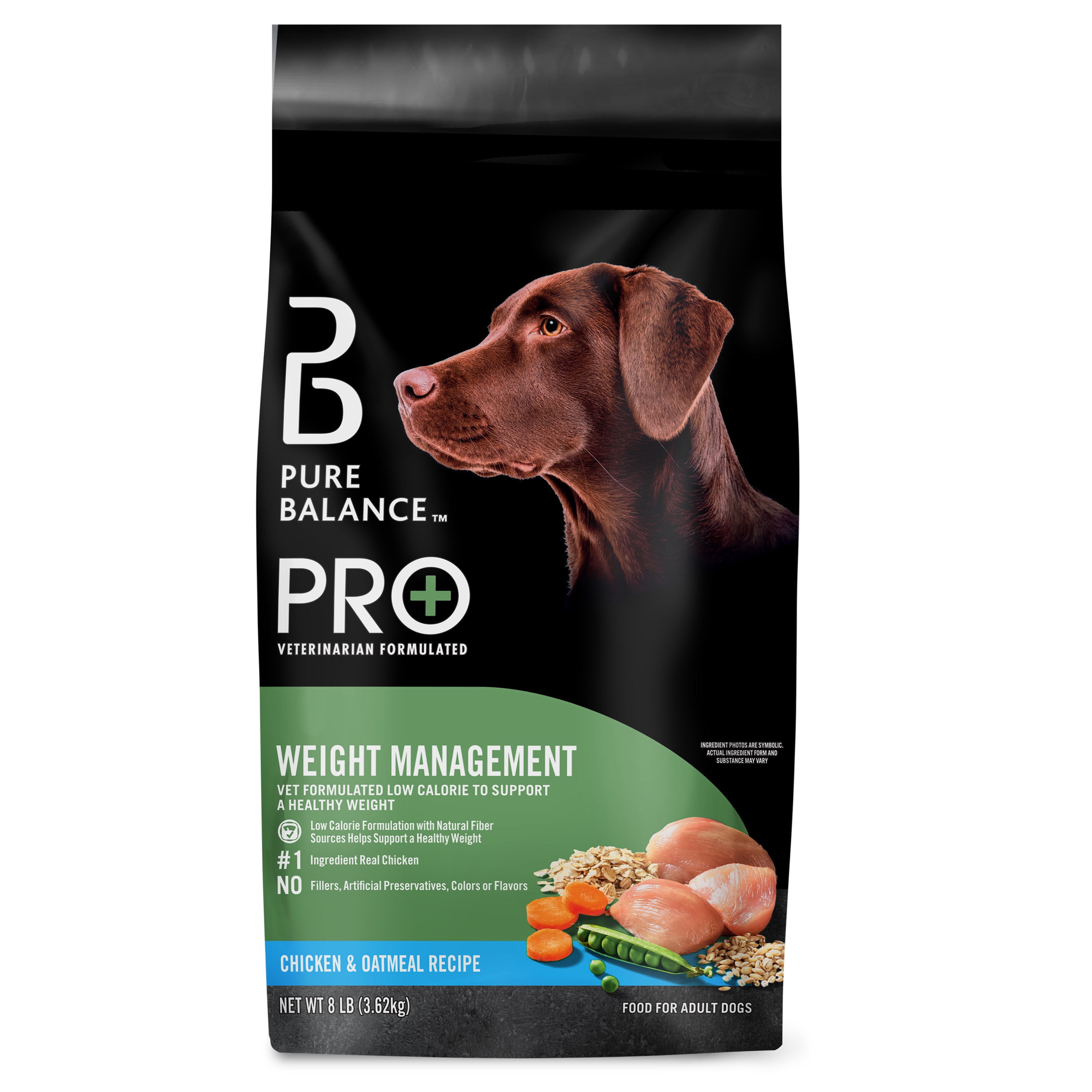
How to read a dog food label
A dog food label can look like a wall of science. You do not need to understand every word to make a smart choice. Focus on the parts that matter most.
1. Check the life stage
Puppies need food for growth. Adult dogs need food for maintenance. Pregnant or nursing dogs have higher nutritional needs.
Large-breed puppies may need special food that controls calcium, phosphorus, and calories. Too much growth energy can place stress on developing bones and joints.
2. Find the nutritional adequacy statement
Look for terms such as:
• Complete and balanced for adult maintenance
• Complete and balanced for growth
• Complete and balanced for all life stages
A food labeled for intermittent or supplemental feeding should not usually be your dog’s main diet.
3. Understand the ingredient list
Ingredients appear by weight before cooking. This means fresh meat may appear high on the list because it contains a lot of water. A dry ingredient may provide more actual nutrients than its position suggests.
Do not judge a food by one ingredient alone. “Chicken-free” does not automatically mean healthier, and “premium” does not have one legal definition that guarantees better nutrition.
4. Compare calories
Calories matter more than many owners realize. Two cups of different foods may contain very different amounts of energy.
The feeding guide is a starting point, not a strict rule. Watch your dog’s body shape and adjust portions with veterinary guidance.
5. Look for contact and quality information
Trustworthy manufacturers usually provide clear contact details and can answer questions about formulation, testing, and quality control. A company that cannot explain who formulates its food or how it checks safety deserves caution.
Benefits of feeding a complete commercial dog food
Commercial dog food offers several practical benefits. It is convenient, consistent, and designed to meet known nutrient targets.
Balanced nutrition
A well-formulated food can reduce the risk of missing key nutrients. This is especially important for puppies, senior dogs, and dogs with health problems.
Consistent portions
Kibble and canned food make it easier to measure meals. Consistent portions can help prevent weight gain, which is one of the most common nutrition problems in dogs.
Food safety
Commercial diets are processed and tested under regulated systems. No food system is perfect, but reputable companies have plans for ingredient checks, pathogen control, and product recalls.
Special formulas
Some foods are made for specific needs, such as:
• Weight control
• Sensitive digestion
• Dental care
• Joint support
• Kidney disease
• Food allergies
• Urinary health
Prescription diets should be used with veterinary advice. A regular “sensitive stomach” food is not the same as a therapeutic diet for a diagnosed disease.
Easy storage
Dry food stores well when kept in a cool, dry place. Canned food is convenient too, but it must be refrigerated after opening and used within the time listed on the label.

When dog food may not be good for your dog
Even a high-quality product can be wrong for an individual dog. The question “are dog foods good for dogs” must include the dog’s personal response.
Your dog may not tolerate a food because of an allergy, intolerance, poor portion control, or a sudden change. Signs of a diet problem can include:
• Repeated vomiting
• Ongoing diarrhea
• Excess gas
• Itchy skin or ears
• Frequent licking of the paws
• Dull coat
• Weight gain or weight loss
• Low energy
• Increased thirst or urination
One mild loose stool may not mean the food is bad. Stress, treats, parasites, infection, and eating something unusual can also cause digestive upset.
Seek veterinary care promptly if your dog has blood in the stool, repeated vomiting, severe weakness, breathing trouble, facial swelling, or signs of dehydration.
A common mistake is changing foods too often. Many owners see one bad bowel movement and switch brands overnight. That can make the problem worse because the gut has no time to adjust.
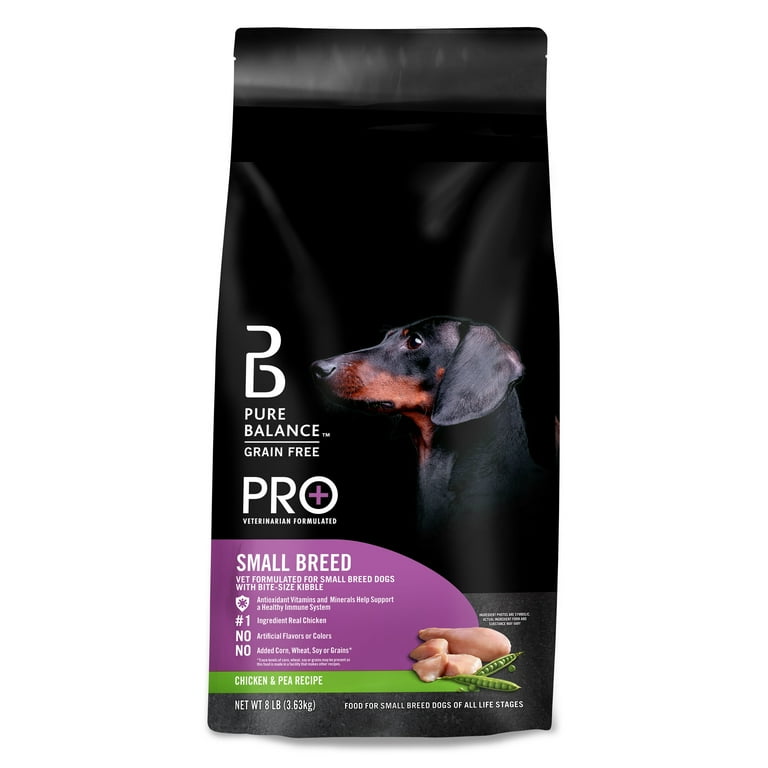
Dry food, wet food, fresh food, or raw food?
There is no single best format for every dog. Dry, wet, fresh, and raw diets each have benefits and limits.
Dry dog food
Dry food is often affordable and simple to measure. It has a long shelf life and may help remove some surface plaque through chewing, although it does not replace tooth brushing or professional dental care.
Dry food is also calorie-dense. Small serving errors can add up over time.
Wet dog food
Canned food contains more water. It can help dogs that need extra moisture or have poor appetites. Many dogs also prefer its smell and texture.
Wet food usually costs more per calorie and spoils faster after opening. It may also be easier for some dogs to overeat.
Fresh cooked food
Fresh cooked diets can work when they are properly formulated. The main risk is imbalance. Meat, rice, and vegetables alone do not provide every nutrient a dog needs.
If you prepare food at home, use a recipe created by a board-certified veterinary nutritionist. Avoid changing ingredients without checking the nutrient effect.
Raw food
Raw diets may appeal to owners who want a more natural approach. Yet raw meat can carry harmful bacteria, and unbalanced raw diets may lack calcium, certain vitamins, or other nutrients.
Raw diets can also expose people in the home to germs. Children, older adults, pregnant people, and those with weak immune systems face a higher risk from foodborne illness.
The World Small Animal Veterinary Association and other veterinary groups warn that “natural” does not automatically mean safe or complete. A food’s safety and nutrient balance matter more than its marketing style.

Are grain-free dog foods healthier?
For most dogs, grain-free food is not automatically healthier. Grains such as rice, corn, wheat, and oats can provide useful nutrients and are not harmful to dogs unless a dog has a confirmed problem with a specific ingredient.
True grain allergies are less common than many owners believe. Dogs may react to animal proteins, environmental allergens, fleas, or several causes at once.
The relationship between some grain-free diets and canine dilated cardiomyopathy has been studied by veterinary researchers and regulators. The issue is complex, and no simple statement explains every case. Many reported diets contained high amounts of peas, lentils, chickpeas, or potatoes, but research continues.
Do not remove grains just because a label sounds more natural. Ask your veterinarian before making a major diet change, especially if your dog has heart disease, weakness, fainting, or poor exercise tolerance.

How much dog food should you feed?
The correct amount depends on body weight, age, activity, metabolism, neuter status, and health. The package guide provides a useful starting point, but it can overestimate or underestimate your dog’s needs.
Use these steps:
-
Check the food’s calories per cup, can, or gram.
-
Measure each meal with a standard measuring cup or kitchen scale.
-
Count treats, chews, table scraps, and food used for medication.
-
Check your dog’s body shape every few weeks.
-
Adjust portions slowly if weight changes.
A healthy dog should have ribs that are easy to feel but not sharply visible, except in some naturally lean breeds. The waist should be visible from above, and the abdomen should tuck upward when viewed from the side.
Treats should usually provide no more than about 10 percent of daily calories. If your dog gets many treats during training, reduce the meal slightly while keeping the overall diet balanced.
One practical lesson is that “one scoop” is not a reliable measure. Scoops vary in size, and people often fill them above the rim. Measuring food carefully is one of the simplest ways to improve a dog’s health.

How to change your dog’s food safely
A slow transition can help reduce gas, diarrhea, and refusal to eat. Most dogs do well with a change over seven days, though sensitive dogs may need longer.
Try this schedule:
• Days 1 and 2: 75 percent old food and 25 percent new food
• Days 3 and 4: 50 percent old food and 50 percent new food
• Days 5 and 6: 25 percent old food and 75 percent new food
• Day 7: 100 percent new food
Mix the foods in the same bowl unless your veterinarian advises a different method. Keep treats simple during the transition so you can identify the cause if stomach upset occurs.
If vomiting or severe diarrhea develops, stop the transition and contact your veterinarian. Puppies, elderly dogs, and dogs with chronic disease may need more careful supervision.

Safe human foods and dangerous foods for dogs
Some plain human foods can be healthy additions in small amounts. Examples include cooked lean meat, carrots, green beans, plain pumpkin, and small pieces of apple without seeds.
These foods should not replace a complete diet. They should also be served without salt, butter, sauces, onions, garlic, or heavy seasoning.
Keep these foods away from dogs:
• Chocolate
• Grapes and raisins
• Xylitol, also called birch sugar
• Onions and garlic
• Alcohol
• Coffee and other caffeine products
• Macadamia nuts
• Raw yeast dough
• Cooked bones
• Very fatty foods
If your dog eats a dangerous food, call a veterinarian or a pet poison service at once. Do not make your dog vomit unless a professional tells you to do so.
Common mistakes to avoid when choosing dog food
Choosing dog food becomes easier when you know what to avoid. Marketing can be useful, but it should not replace evidence.
Watch out for these mistakes:
• Choosing food by attractive packaging alone
• Assuming expensive food is always better
• Focusing only on the first ingredient
• Ignoring calorie content
• Feeding too many treats
• Switching foods too quickly
• Using homemade recipes without nutrient analysis
• Giving supplements without veterinary advice
• Choosing a medical diet based on an online post
• Ignoring changes in weight, stool, skin, or energy
A food does not need to contain exotic meat or unusual vegetables to support good health. In many cases, a simple, complete, and well-tested diet is the better choice.
When to ask a veterinarian about your dog’s diet
Talk with a veterinarian before changing food if your dog has kidney disease, diabetes, pancreatitis, heart disease, urinary stones, severe allergies, or chronic digestive problems.
You should also ask for help if your dog is losing weight, gaining weight, refusing food, drinking much more than usual, or having ongoing skin or stomach issues.
A veterinarian can assess body condition, blood work, dental health, stool quality, and medical history. This creates a clearer picture than judging food by online reviews alone.
For complex cases, ask whether a board-certified veterinary nutritionist should formulate the diet. This is especially important for homemade meals and elimination diets.
Frequently Asked Questions About Are Dog Foods Good for Dogs
Are commercial dog foods safe for dogs?
Most reputable commercial dog foods are safe when stored and served correctly. Choose a food labeled complete and balanced for your dog’s life stage, and follow safe handling instructions.
Is expensive dog food better for dogs?
Not always. Price can reflect ingredients, packaging, or marketing, but it does not guarantee better nutrition or better results for your dog.
Can dogs eat the same food every day?
Yes, many healthy dogs can eat the same complete and balanced food every day. The diet should still be reviewed if your dog’s age, weight, activity, or health changes.
Is wet food better than dry food?
Neither is best for every dog. Wet food provides more moisture and may improve appetite, while dry food is often easier to measure and store.
Are grain-free foods good for dogs?
Grain-free foods are not automatically healthier. Most dogs can digest grains, and you should discuss grain-free diets with a veterinarian before choosing one.
Can homemade dog food meet a dog’s nutritional needs?
Yes, but only when the recipe is properly balanced. Meat and rice alone are not enough, so use a recipe from a qualified veterinary nutrition professional.
How do I know if a dog food is working?
A suitable diet usually supports a stable healthy weight, firm stools, normal energy, healthy skin, and a good coat. Ongoing vomiting, diarrhea, itching, or weight change calls for veterinary advice.
Conclusion
So, are dog foods good for dogs? Yes, when the food is complete, balanced, safe, and suited to the individual dog. The label, calorie level, ingredient quality, feeding amount, and your dog’s health all matter.
Choose nutrition over clever marketing. Measure meals, limit treats, change diets slowly, and watch your dog’s body and behavior. If your dog has a health problem or a lasting reaction to food, work with a veterinarian instead of guessing.
Use this guide as a starting point, review your dog’s diet today, and share your questions or experience with other caring dog owners.

Pet Care Writer & Researcher
Daniel writes practical guides on daily care, feeding, and safety, turning complex topics into simple, actionable advice.