How To Bathe A Dog Without Fear: Calm, Easy Steps 2026
Calm your pup’s nerves with how to bathe a dog without fear—gentle prep, soothing steps, and pro tips for a stress-free wash at home.
Use calm prep, slow desensitization, and rewards to make dog baths stress-free.
If bath time feels like a wrestling match, you are not alone. I have bathed hundreds of dogs in homes, shelters, and clinics. I will show you how to bathe a dog without fear with simple steps that work in real life. You will learn what your dog feels, what gear to use, and how to turn dread into a calm, easy habit. Read on for a full plan grounded in behavior science and hands-on know-how.

Understand Fear First: What Your Dog Is Trying To Tell You
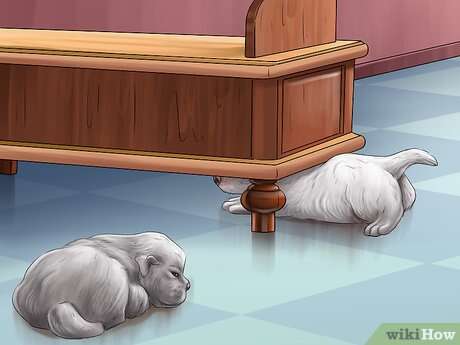
Many dogs fear baths due to noise, slick floors, and loss of control. Sudden water, new smells, and restraint can trigger fight, flight, or freeze. You may see whale eyes, tucked tail, shaking, or lip licking. These are normal stress signs, not stubbornness.
Your best start for how to bathe a dog without fear is empathy. Dogs learn by pairing events with feelings. If the bath predicts calm touch and rewards, fear drops over time. Research in animal behavior shows that slow exposure and positive outcomes build trust and reduce stress.
Common triggers to watch:
- Slippery tubs or sinks that make feet slide
- Loud water or echoing bathrooms
- Strong shampoo smells or cold water
- Rushed handling or tight grips
- Past bad bath memories
If you spot stress signs, pause. Lower the trigger. Then try again with more space, more snacks, and less noise. This is the base of how to bathe a dog without fear.

Set The Stage: Gear, Space, And Prep That Calm The Room
Good prep can cut stress in half before water even runs. Make the space safe and quiet. Gather all tools first so you never leave your dog mid-bath.
What to set up:
- Non-slip mat inside and outside the tub for steady feet
- Handheld sprayer or small cup for gentle rinsing
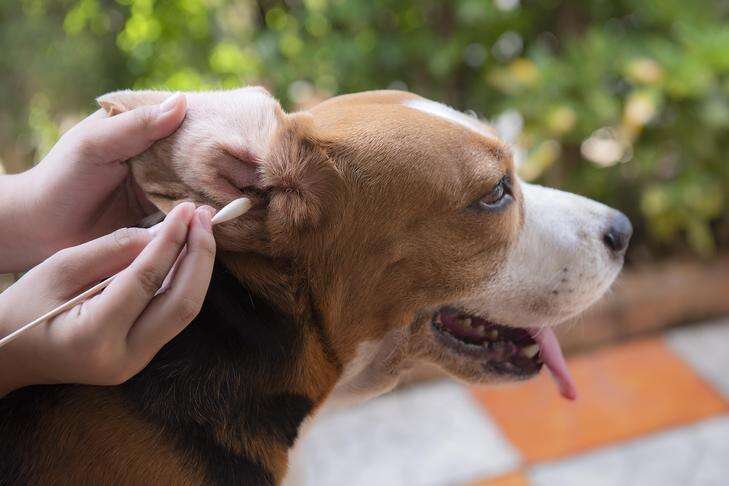
- Cotton balls for ears to reduce splash (do not push deep)
- Dog-safe shampoo matched to coat and skin
- Many pea-size treats in a bowl
- Two towels and a soft brush
- Room-warm water and a warm bathroom
Before the bath, give a short walk. Let your dog sniff the tub and mat. Feed a few treats there. Play calm music if it helps you both. This simple routine is part of how to bathe a dog without fear and sets a steady tone.

The Calm Bath Routine: Step-By-Step From Start To Dry
Follow this slow, clear sequence. Keep your voice soft. Breathe. Move like honey, not lightning.
- Invite, never drag. Lure your dog onto the mat with treats.
- Clip a light leash to guide if needed. Do not tie the leash in the tub.
- Start water off your dog. Check it with your wrist. Warm, not hot.
- Wet paws first, then legs, then body. Save head and ears for last.
- Speak low and feed treats during each small step.
- Lather shampoo on the body. Use small circles. Avoid eyes and ear canals.
- Rinse more than you think you need. Soap left on skin can itch.
- Clean the face with a damp cloth. No spray on the nose or eyes.
- Squeeze water from the coat with hands, then towel pat. Do not rub hard.
- End with a favorite reward. Food, toy, or a sniffy walk.
Keep sessions short. If fear spikes, step back a stage. This ladder style is a core of how to bathe a dog without fear. It helps your dog feel safe at each level.

Special Cases: Puppies, Seniors, Rescues, And Double Coats
Each dog needs a tweak to the plan. Small changes can make a big win.
For puppies:
- Keep it fun and very short. Two to five minutes can be enough.
- Use many tiny treats and a warm towel hug.
For seniors:
- Add extra mats for joints. Warm the room more.
- Use gentle water flow and slow touch.
For rescue or fearful dogs:
- Start with tub-only sessions. No water. Treat, praise, end.
- Add water later in tiny splashes paired with food.
For double coats:
- Brush well before and after. Use more rinse time.
- Avoid hot dryers. Use cool air or towel layers.
These tweaks keep the core of how to bathe a dog without fear while meeting real needs.

Training Tools That Work: Desensitization And Counterconditioning
These two methods are gold for fear-free baths. They are simple and kind.
Desensitization means tiny, low-intensity steps:
- Show the sprayer off. Treat.
- Turn it on across the room. Treat.
- Mist near the tub edge. Treat.
Counterconditioning pairs the trigger with good stuff:
- Water sound means roast chicken appears.
- Paw in the tub means cheese appears.
Keep steps so small that your dog stays under the fear line. Studies in veterinary behavior show this combo lowers stress and builds new bath comfort. Use it daily for two to five minutes. This is the heart of how to bathe a dog without fear.

Safety And Products: What To Use And What To Avoid
Right products protect skin and build comfort.
Safe choices:
- Dog-formulated shampoos with the right pH
- Medicated shampoo only with vet advice
- A silicone lick mat on the wall with a thin smear of wet food
- Cotton balls at the ear entrance to block splash
Avoid:
- Human shampoo that can dry skin
- Hot water or high-pressure spray
- Strong scents that can overwhelm
- Q-tips inside ears
Aim for lukewarm water, about body temp. Rinse well to avoid itch. If your dog has dandruff, hot spots, or allergies, ask your vet for shampoo advice. When you choose safe tools, you reinforce how to bathe a dog without fear with care and comfort.

Drying, Brushing, And The Happy Finish
The end of the bath should feel like a win. Finish strong and calm.
Drying tips:
- Use two towels. First to blot, second to finish.
- Let your dog shake. It is normal and helps a lot.
- If using a dryer, start on the lowest, coolest setting and keep it at a distance. Feed treats as the air runs.
Post-bath care:
- Brush when the coat is only slightly damp. It eases tangles.
- Offer water and a calm place to rest.
- End with a short play or sniff walk.
This finish anchors how to bathe a dog without fear with a happy memory at the end.

Troubleshooting: Real Problems, Real Fixes
Things go wrong. That is okay. Here is how to handle them.
If your dog panics in the tub:
- Stop the water. Help them out. Breathe with them.
- Next time, use a shallow basin or a yard hose with warm water and a mat.
If nails scratch you or slip:
- Trim nails the day before. Add more mats.
- Use a bath tether point with a quick-release clip for safety, never a tie.
If shaking returns at rinse:
- Lower the water noise. Use a cup, not a sprayer.
- Rinse in short bursts with treats.
If skin gets itchy after:
- Rinse longer. Switch to a gentle, fragrance-free shampoo.
- Check with your vet if redness or hot spots last.
Use each setback as a training note. Small wins stack up. This is the practical path for how to bathe a dog without fear.

When To Call A Pro: Groomers And Vets
Some dogs need expert help. That is smart care, not defeat.
Call a fear-free groomer when:
- Your dog is large, matted, or very noise sensitive
- You lack safe gear at home
- You want a controlled desensitization plan
Call your vet when:
- You see skin infections, pain, or ear issues
- Your dog shows severe panic despite slow training
- You think a calming aid might help
Pros can build a tailored plan and use low-stress handling. That teamwork still follows the rules of how to bathe a dog without fear, just with extra skill and tools.
Frequently Asked Questions of how to bathe a dog without fear
How often should I bathe my dog?
Most dogs do well every four to eight weeks. Active or oily coats may need more, and sensitive skin may need less.
Can I use human shampoo on my dog?
No. Human shampoos can strip oils and change skin pH. Use a dog-safe shampoo to protect the skin barrier.
What water temperature is best?
Use lukewarm water, about body temp. If it feels cozy on your wrist, it is right.
How do I keep water out of my dog’s ears?
Place cotton balls at the ear entrance and avoid spraying the head. Clean ears after with a vet-approved solution if needed.
My dog hates the dryer. What can I do?
Start with towels and air dry. If you use a dryer, pick low, cool air, keep distance, and pair the sound with steady treats.
Will treats during bath make my dog spoiled?
No. They help change the emotional state. Rewards build a calm link to bath time.
What if I have no tub at home?
Use a non-slip mat in a shower, a kiddie pool with warm water, or a groomer’s bathing station. Keep the same calm steps.
How long does desensitization take?
It varies by dog. Many see progress in one to three weeks with daily two to five minute sessions.
Conclusion
You can turn bath time from fear to calm with prep, small steps, and steady rewards. Set the space, move slow, and pair each step with something your dog loves. That is how to bathe a dog without fear in a way that lasts.
Try one change today, like a non-slip mat or treat-at-tap-on. Track small wins in a notebook. Want more tips like this? Subscribe, share your bath story in a comment, and keep building stress-free care at home.

Pet Care Writer & Researcher
Daniel writes practical guides on daily care, feeding, and safety, turning complex topics into simple, actionable advice.