How To Brush A Dog Properly: Vet-Approved Guide 2026
Learn how to brush a dog properly with vet tips, tools, and steps for every coat. Prevent mats, reduce shedding, and make grooming stress-free at home.
Brush in small sections with the right tools, light pressure, and steady praise.
If you want to know how to brush a dog properly, you are in the right place. I have coached hundreds of pet parents and groomed dogs of every coat type. In this guide, I will show you how to brush a dog properly with clear steps, honest tips, and real tools that work. Stick with me, and you will turn brushing into easy, calm, and even fun time for both of you.

Why brushing your dog matters
Brushing does more than remove loose hair. It spreads natural oils. That keeps skin soft and the coat shiny. It lets you spot fleas, ticks, cuts, and bumps early.
Good brushing also cuts down shedding in your home. It prevents mats that pull on the skin and hurt. It can even cool your dog by letting air reach the skin. Plus, it is bonding time your dog will love.
Groomers and vets agree on the basics. Brush often. Use the right tool. Use light, short strokes. This is the base of how to brush a dog properly.

Tools and products you need
Use the right brush for your dog’s coat. The tool matters as much as your technique. Here are the essentials I trust on the grooming table.
- Slicker brush removes loose hair and small tangles in most coats.
- Pin brush works well on long or silky coats to keep flow and shine.
- Bristle brush smooths short coats and lifts dust and dander.
- Undercoat rake reaches deep coats like Huskies and Shepherds.
- Metal comb finds hidden knots and checks your work.
- Dematting tool breaks up mats safely when used with care.
- Grooming gloves help with short coats and sensitive dogs.
- Detangling or conditioning spray adds slip and protects hair.
- High value treats make the whole process positive.
- A non-slip mat keeps your dog steady and relaxed.
Pick tools with rounded tips and solid handles. Cheap tools can scratch skin or break hair. Quality tools help you learn how to brush a dog properly without pain.
Step-by-step: how to brush a dog properly
Follow these simple steps. This is the exact process I teach new clients.
- Set the stage. Choose a calm spot. Use a non-slip mat. Gather tools and treats.
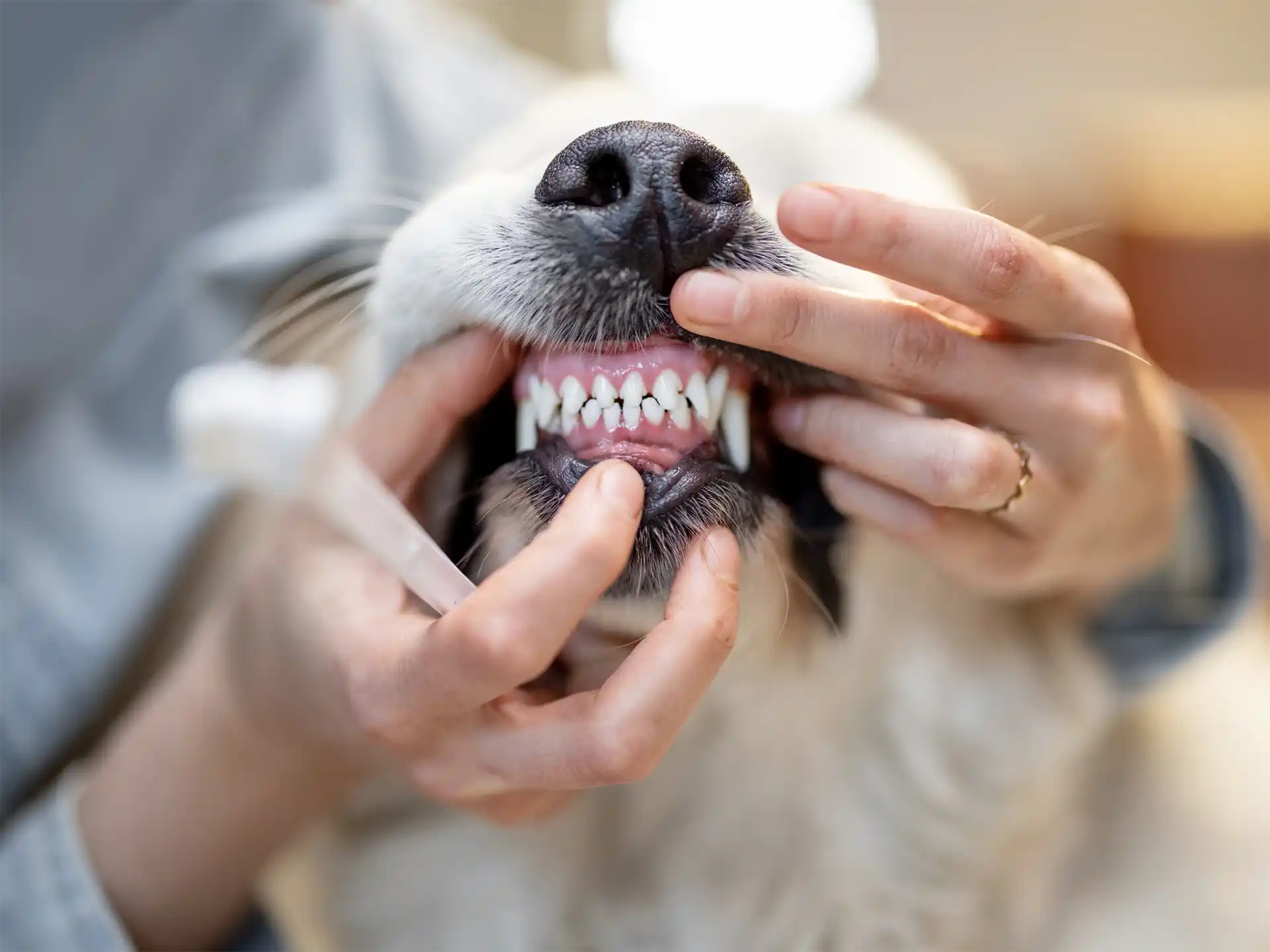
- Do a quick body check. Look at eyes, ears, armpits, belly, and tail base. Note any tender spots.
- Light mist with detangler if the coat is dry. Never soak. A light spray reduces breakage.
- Start at the rear and work forward. Work from feet to back to neck. Small areas help your dog relax.
- Use line brushing. Lift a thin layer of hair with your free hand. Brush the hair beneath it from skin to tip.
- Hold the skin gently near a knot. Brush through with short strokes. This prevents tugging.
- Keep pressure light. Let the brush do the work. Stop if the skin turns pink.
- Follow each area with a comb. If the comb glides, you did it right.
- Praise and treat often. Short wins build trust. End before your dog gets tired.
- Wipe the coat with a soft cloth. This removes loose hair and adds shine.
Repeat this path each time so your dog knows what to expect. Routine is key to how to brush a dog properly. If you hit a stubborn mat, pause and move on. Come back with a plan, not force.

Brushing different coat types
Every coat needs a slightly different plan. Here is how to brush a dog properly for each type.
Short, smooth coats
Use a rubber curry or grooming glove first. Finish with a soft bristle brush. Brush with the hair growth. This lifts dead hair and boosts shine.
Double coats
Use an undercoat rake to clear the dense layer. Follow with a slicker to smooth. Brush in sections. Use light pressure to avoid skin burn. Do not shave a double coat.
Curly or wavy coats
Mist with detangler. Use a slicker brush and then a metal comb. Line brush in small steps. Curly hair mats fast, so be patient.
Long, silky coats
Start with a pin brush. Support the hair with your hand to avoid pull. Follow with a comb on ears, skirt, tail, and behind legs. Keep the ends neat.
Wire coats
Use a slicker or a firm bristle brush. For show coats, hand stripping may be best. Ask a pro if you are not trained. Do not use heavy deshedding on wire coats.
Knowing your dog’s coat helps you pick the right tool and plan. That is the heart of how to brush a dog properly.
:strip_icc()/sps-dog-brushes-test-chris-christensen-oval-pin-anna-mejorada-03-06c5ecb860514690b4c392c77a057c37.jpg)
Handling mats and heavy shedding
Mats are tight knots that pull the skin. They trap moisture and can cause sores. Treat them with care.
- Never cut a mat with scissors. Skin can hide in a fold.
- Hold the skin near the mat to reduce pull.
- Use detangler and a dematting tool with slow, short strokes.
- Break large mats into small ones. Work from tip toward skin.
- If the area is tight or near eyes, ears, or groin, see a groomer.
For shedding, plan a full session. Use an undercoat rake, then a slicker, then a comb. Bathe and dry if you can, since dry, blown hair releases faster. During peak shed, brush a few minutes a day. This is a smart way to master how to brush a dog properly and keep your home clean.

Training your dog to enjoy brushing
Brushing should feel safe. Many dogs fear tools at first. Here is how I build trust.
- Pair the brush with treats. Show brush, treat, repeat.
- Start with one minute. Stop while your dog still feels happy.
- Speak soft and steady. Keep your body relaxed.
- Touch sensitive zones last. That means tail, feet, armpits, and ears.
- End with a play break or sniff walk. Happy endings build habit.
If your dog growls or freezes, slow down. Try a softer tool or fewer strokes. This mindset is part of how to brush a dog properly with empathy.

How often to brush and build a routine
Frequency depends on coat, season, and lifestyle. Use this as a simple plan.
- Short coats need brushing one to two times a week.
- Double coats need brushing three to four times a week, daily during shed.
- Curly or long coats need daily brushing to prevent mats.
- Active dogs that swim or hike need more brushing due to debris.
Set a weekly schedule. Keep sessions short. Track trouble spots so you can start there next time. When you plan your week around how to brush a dog properly, it becomes easy and fast.
Mistakes to avoid and safety tips
Small errors can cause pain or damage hair. Avoid these common traps.
- Pressing too hard can cause brush burn on the skin.
- Pulling on mats can make your dog hate grooming.
- Skipping a comb check leaves hidden knots behind.
- Overusing a deshedding tool can thin the coat too much.
- Brushing a very wet coat can stretch hair and cause breakage. Use a light mist instead.
Pause if you see red skin, dandruff spikes, or sudden odor. These can be signs of skin issues. When in doubt, call your vet. Smart choices are part of how to brush a dog properly.
When to call a groomer or vet
Some jobs need a pro. There is no shame in that. Safety comes first.
- Solid or pelted mats that sit tight to the skin.
- Pain, yelps, or sudden fear during brushing.
- Fleas, ticks, hot spots, or open sores.
- Ear odor, redness, or black debris.
- Lumps, bumps, or fast coat changes.
Pros have tools and training for tough tasks. Use them as partners in how to brush a dog properly and keep your dog healthy.
Frequently Asked Questions of how to brush a dog properly
How long should a brushing session last?
Start with five to ten minutes. Build up as your dog relaxes. Short, happy sessions are better than one long battle.
What direction should I brush the coat?
Brush with the hair growth for comfort. Then cross-lightly to find hidden tangles, but stay gentle.
Can I brush my dog after a bath?
Yes, after the coat is dry or lightly damp with conditioner spray. Wet hair can stretch and break if brushed hard.
What is line brushing and why use it?
Line brushing lifts a thin layer of hair and brushes the hair under it from skin to tip. It prevents missed spots and reduces pulling.
Which brush is best for my dog?
Match the tool to the coat. Use a slicker for most, a rake for double coats, a pin brush for long or silky hair, and a comb to check.
How do I stop static and flyaways?
Use a light mist of conditioner or detangling spray. Brush in small sections and avoid over-drying.
How do I know if I am brushing too hard?
Check the skin. If it turns pink, you are pressing too hard. Ease up and slow your strokes.
Conclusion
Brushing does not have to be a struggle. With the right tools, a calm plan, and kind praise, you can master how to brush a dog properly. Keep sessions short, use light strokes, and check with a comb to confirm your work.
Start today with one small area and a few treats. Build a simple routine this week. If you found this helpful, share it with a fellow dog parent, subscribe for more practical guides, or drop your questions in the comments.

Pet Care Writer & Researcher
Daniel writes practical guides on daily care, feeding, and safety, turning complex topics into simple, actionable advice.