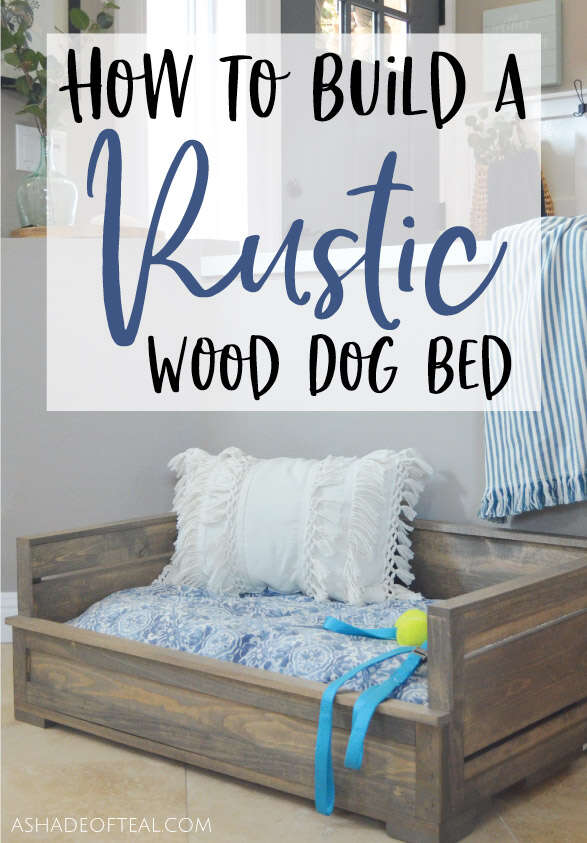
How To Build A Dog Bed Out Of Wood: Easy DIY Guide
Learn how to build a dog bed out of wood with simple plans, budget-friendly materials, and easy steps for a sturdy, stylish pet bed.
Build a sturdy wooden dog bed by measuring your dog, cutting safe lumber, sanding edges, and adding a washable cushion.
Learning how to build a dog bed out of wood is a practical weekend project for beginners and skilled DIY makers alike. With the right measurements, smooth finishes, and strong joints, you can create a safe bed that fits your dog, matches your home, and lasts for years. This guide explains each step clearly, including wood choices, tools, sizing, design ideas, safety checks, and common mistakes to avoid.
Why Build a Wooden Dog Bed?
A wooden dog bed gives your pet a raised, stable place to rest. It can also keep a cushion off a cold floor and improve airflow beneath the sleeping area. For homes with hardwood floors, tile, or damp entryways, this raised design can feel warmer and cleaner.
A DIY wooden dog bed also lets you control the size and style. You can build a simple platform, a framed bed with legs, or a more polished piece that looks like furniture.
The main benefits include:
• Custom sizing for small, medium, or large dogs
• Better airflow beneath the mattress
• Easy cleaning under the bed
• Stronger support than many soft beds
• The ability to match your home décor
• Lower cost than some designer pet beds
Wood alone is not a bed, however. Your dog still needs a soft, supportive cushion that fits the frame. A firm foam pad with a removable, washable cover is often a good choice.

Choose the Right Wood and Materials
The best wood for a dog bed is smooth, sturdy, and free from harmful treatments. Pine is affordable and easy to cut, while poplar is smooth and simple to paint. Hardwood such as oak or maple offers extra strength but usually costs more.
For a basic wooden dog bed, gather these materials:
• 1-by-4 or 1-by-6 boards for the frame
• 1-by-2 boards for support cleats
• Plywood for the platform
• Four wooden legs or sturdy furniture feet
• Wood screws
• Wood glue labeled for interior use
• Sandpaper in 80, 120, and 220 grit
• Non-toxic paint, stain, or finish
• A washable dog mattress or foam cushion
• Rubber pads for the feet
Avoid pressure-treated lumber, reclaimed wood with an unknown history, and boards with a strong chemical smell. Pressure-treated wood is made for outdoor use and may contain preservatives that are not suitable for a dog’s sleeping area.
Before cutting, inspect every board. Skip pieces with deep cracks, loose knots, mold, or sharp splinters. A straight board will make the project much easier.
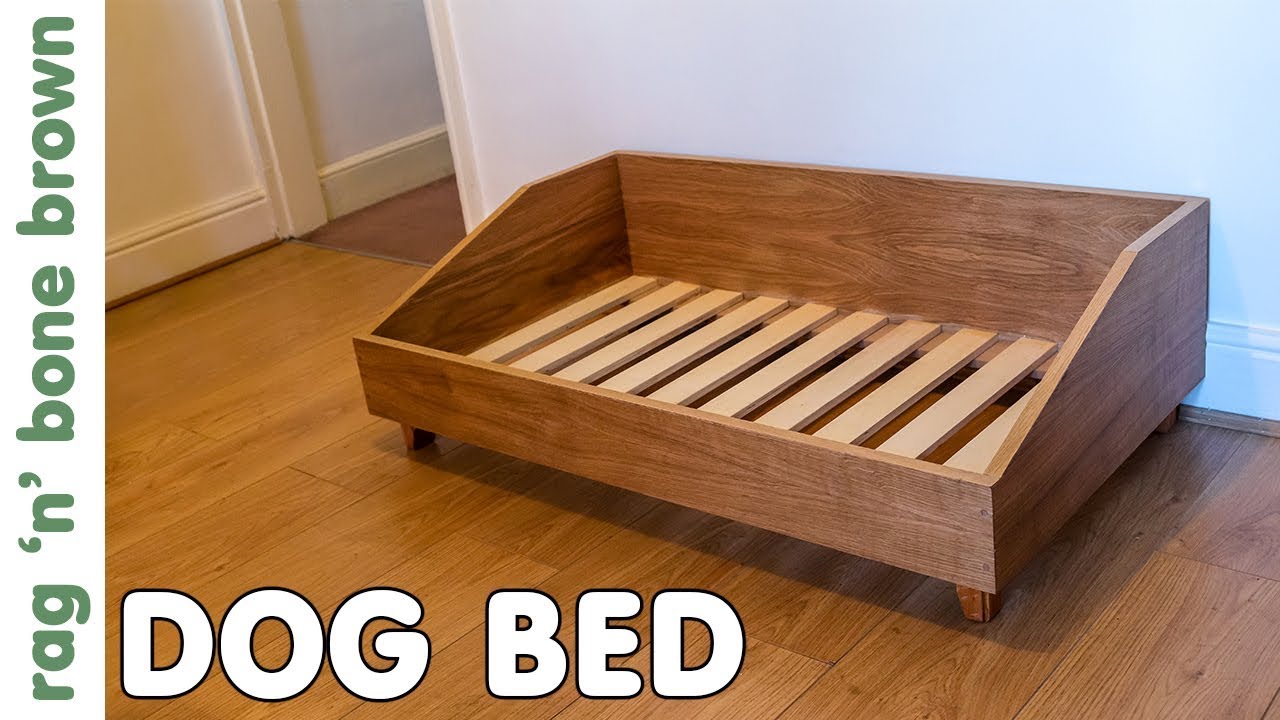
Measure Your Dog and Plan the Bed
Good measurements are the foundation of how to build a dog bed out of wood. Measure your dog while they are lying in their favorite sleeping position. Include the full length from nose to tail and the width from shoulder to shoulder.
Add at least 6 inches to both measurements. Add more space if your dog stretches, rolls, or sleeps with their legs extended.
Use this simple guide as a starting point:
• Small dog: 24 by 18 inches
• Medium dog: 30 by 24 inches
• Large dog: 40 by 30 inches
• Extra-large dog: 48 by 36 inches
These sizes are general estimates. Your dog’s sleep habits matter more than breed labels.
For example, a compact dog that curls up may prefer a smaller bed. A long-bodied dog may need extra length. If your dog is still growing, build the bed for their expected adult size.
Decide on the bed height as well. A low platform is easier for older dogs and dogs with joint pain. A taller bed creates more airflow but may be harder to climb onto. For most dogs, a platform 4 to 8 inches above the floor works well.
Create a simple sketch before buying wood. Mark the outside frame size, the inside cushion size, leg height, and where each screw will go.

Tools You Will Need
You do not need a full workshop to learn how to build a dog bed out of wood. A few basic tools are enough for a simple frame.
Prepare these tools:
• Measuring tape
• Pencil
• Carpenter’s square
• Circular saw or handsaw
• Drill and drill bits
• Countersink bit
• Clamps
• Sanding block or random orbital sander
• Safety glasses
• Hearing protection
• Dust mask
A carpenter’s square helps you mark straight cuts. A countersink bit lets screw heads sit below the wood surface, which prevents sharp edges from touching your dog or scratching your floor.
If you use a circular saw, support the board on both sides of the cut. Keep your hands away from the blade path, and unplug the tool before changing blades or making adjustments.
Work outdoors or in a well-ventilated garage when cutting or finishing wood. Keep your dog away from the work area until all dust, paint, and odors are gone.

How to Build a Dog Bed Out of Wood Step by Step
The following method creates a simple raised platform with a wooden frame. It works well for most small and medium dogs and can be scaled for larger pets.
1. Cut the frame pieces
Cut two long boards to the length of your planned bed. Cut two short boards to the width minus twice the thickness of the long boards.
For example, if the outside bed size is 30 by 24 inches and your boards are 3/4 inch thick, the short boards should be 22 1/2 inches long. This allows the short pieces to fit between the long pieces.
Check each cut with your square. Small errors can make the frame twist.
2. Build the outer frame
Place the boards on a flat surface. Apply a thin layer of wood glue to each joint, then clamp the pieces together.
Drill pilot holes before inserting screws. Pilot holes reduce splitting, especially in pine. Drive two screws through each outside corner, and keep the screws at least 3/4 inch from the board edges.
Wipe away extra glue with a damp cloth before it dries.
3. Add inner support cleats
Cut two support cleats to fit along the inside of the long frame boards. Position them several inches below the top edge, depending on the thickness of the platform and cushion.
Attach the cleats with glue and screws. These pieces support the plywood and stop it from sagging.
For a wide bed, add a center support rail beneath the platform. This is especially important for large dogs or thick mattresses.
4. Prepare the plywood platform
Cut the plywood so it fits inside the frame. Test the fit before attaching it. The platform should sit flat without forcing the frame apart.
Drill pilot holes around the edge of the plywood. Place screws every 6 to 8 inches along the support cleats. Keep the screw heads flush or slightly below the surface.
Do not leave exposed screw points inside the bed. Check the underside with your hand after assembly.
5. Attach the legs
Turn the bed upside down and position one leg near each corner. Keep every leg the same distance from the edges.
Use glue and screws to secure the legs. If the legs are tall, add corner blocks or side braces to reduce movement. Shake the frame gently before placing your dog on it.
For an older dog, use shorter legs or skip the legs and build a low platform. A bed that looks stylish is not useful if your dog struggles to climb into it.
6. Sand every surface
Begin with 80-grit sandpaper to remove rough spots. Move to 120 grit, then finish with 220 grit for a smooth touch.
Round the outside corners and soften the top edges. Pay special attention to areas your dog may rub against, such as the front edge and corners.
After sanding, vacuum the bed and wipe it with a slightly damp cloth. Do not apply finish while dust remains on the wood.
7. Apply a safe finish
Choose a water-based, low-odor finish made for indoor furniture. Let each coat dry fully according to the product label.
A finish protects the wood from stains and moisture, but it does not make the surface chew-proof. If your dog chews wood, avoid decorative trim and inspect the bed often.
Never let your dog sleep on freshly painted or stained wood. The surface should be fully cured, dry, and free from strong odor.
8. Add the cushion
Measure the inside of the frame and select a cushion that fits without large gaps. A cushion that slides around can make the bed less comfortable and less safe.
Add a washable cover with a zipper if possible. A waterproof liner beneath the cover can protect the foam from accidents.
Place rubber pads beneath the legs. They reduce sliding, protect floors, and can lower noise when the bed moves.

Make the Bed Comfortable and Safe
A successful wooden dog bed must support your dog’s body without creating hazards. The frame should remain stable when your dog steps on, turns around, or jumps off it.
Use this safety checklist:
• Sand all edges and corners
• Countersink every screw
• Remove loose splinters
• Make sure the frame does not rock
• Keep gaps too small for paws to become trapped
• Use a cushion with good support
• Avoid loose ribbons, cords, and small decorations
• Keep paint and finish fully cured
• Check the bed often for chewing damage
Veterinary guidance commonly recommends firm, supportive bedding for dogs with arthritis or mobility problems. However, the ideal cushion depends on the dog’s age, size, weight, and health. Ask your veterinarian if your dog has joint disease, pressure sores, or trouble standing.
In my own DIY projects, one mistake stands out: making the frame too tight around the cushion. Fabric expands slightly after washing, and a tight fit made the cover difficult to remove. Leave a small amount of room so the cushion can be cleaned without a struggle.

Design Ideas for Different Dogs
Once you understand how to build a dog bed out of wood, you can adapt the design to your dog’s needs.
For a dog that likes to lean, add a low backrest or side rails. Keep the rails low enough for easy entry. Do not turn the bed into a closed box unless your dog enjoys enclosed spaces and has plenty of ventilation.
For a chewer, use a plain design with rounded edges and no small decorative parts. Hardwood may resist light chewing better than soft pine, but no wood bed can withstand a determined chewer forever.
For a senior dog, use a low frame with a wide entry. Add a ramp if the bed is raised, but make sure the ramp has a non-slip surface.
For a hot-weather sleeper, use a slatted platform beneath a thin washable mat. The gaps should be narrow enough to prevent paws from slipping through.
For a stylish living room bed, stain the exterior and add simple trim. Keep the sleeping surface free of harsh finishes, raised nails, and decorative pieces that your dog could chew.

Common Mistakes to Avoid
Many problems with a DIY dog bed come from rushed measurements or weak joints. Taking extra time during the planning stage can prevent most repairs.
Avoid these common errors:
• Building from the dog’s standing size instead of sleeping size
• Using untreated but rough boards
• Skipping pilot holes
• Using too few screws
• Leaving screw heads above the wood
• Making the bed too high for an older dog
• Choosing a cushion that is too soft
• Applying finish in a closed room
• Letting the dog use the bed before the finish cures
• Forgetting to add a center support to a wide bed
One lesson I have learned from furniture projects is that stability matters more than appearance. A simple frame that stays solid is better than an ornate bed that wobbles. Test the bed with firm hand pressure from several directions before adding the cushion.
Also check the floor after moving the bed. If it leaves marks or slides, add rubber feet or a non-slip mat.

Care and Maintenance
A wooden dog bed can last for many years with basic care. Vacuum hair and dust from beneath the cushion each week. Wash the cover as directed by the manufacturer.
Wipe the wooden frame with a damp cloth. Avoid soaking the wood, especially around joints and screw holes. Dry the surface soon after cleaning.
Inspect the bed at least once a month for:
• Loose screws
• Cracked boards
• Chewed corners
• Worn rubber feet
• Mold or damp areas
• Cushion damage
Repair small problems early. Tighten loose screws and sand minor rough spots. Replace a damaged cushion if the foam has flattened or lost its shape.
If the wood becomes deeply stained or cracked, stop using the bed until you repair or replace the affected part. A strong frame is only safe when every part remains secure.

Frequently Asked Questions
What is the best wood for a DIY dog bed?
Pine, poplar, oak, and maple can all work well when they are smooth and untreated. Choose wood that is free from mold, deep cracks, chemical odors, and sharp splinters.
How big should a wooden dog bed be?
Measure your dog while they are lying down, then add about 6 inches to the length and width. Add more space for dogs that stretch or change positions often.
Is a raised wooden dog bed good for older dogs?
It can be helpful if the bed is low and easy to enter. A tall bed may increase fall risk, so use short legs or a ramp for dogs with arthritis or weak joints.
Can I use pressure-treated wood for a dog bed?
Pressure-treated wood is not a good choice for an indoor dog bed. It contains preservatives designed for outdoor use, so choose untreated lumber instead.
What finish is safe for a wooden dog bed?
Use a water-based, low-odor finish intended for indoor furniture, and allow it to cure fully before use. The finish should be dry and free from strong odors when your dog first sleeps on the bed.
How do I stop the dog bed from sliding?
Add rubber pads to the bottom of each leg or place the bed on a non-slip mat. These options protect floors and help your dog step onto the bed with confidence.
Does a wooden dog bed need a cushion?
Yes, most dogs need a cushion or mattress for comfort and body support. Choose a washable pad that fits the frame and does not slide around.
Conclusion
Learning how to build a dog bed out of wood is easier when you plan the measurements, choose safe lumber, create strong joints, and sand every surface well. A low, stable frame with a washable cushion can give your dog a comfortable place to rest while adding useful furniture to your home.
Start with a simple design, test the frame carefully, and adjust the height for your dog’s age and mobility. With thoughtful measurements and regular maintenance, your handmade dog bed can serve your pet for years. Gather your tools, sketch your design, and begin building a bed made just for your dog.

Pet Care Writer & Researcher
Daniel writes practical guides on daily care, feeding, and safety, turning complex topics into simple, actionable advice.