How To Build Trust With A New Dog: Fast Bonding Guide 2026
Learn how to build trust with a new dog using calm routines, body language, and play. Build a strong bond fast with expert tips for first weeks.
Offer safety, routine, choice, and rewards; avoid pressure; let trust grow daily.
If you’re wondering how to build trust with a new dog, you’re already on the right path. I’ve helped hundreds of families and foster dogs settle in, and the same core steps work again and again. In this guide, I’ll show you how to build trust with a new dog using simple routines, kind training, and clear reading of body language. You’ll get proven steps, real-life examples, and a plan you can start today.
Why Trust Comes First
Learning how to build trust with a new dog starts with safety. A dog who feels safe can learn, play, and connect. Without safety, stress wins and progress stalls. Trust is the bridge between fear and a calm, happy life with you.
Research on shelter dogs shows that predictability lowers stress. Calm voices, steady routines, and gentle choices help the nervous system settle. When stress drops, curiosity grows. That’s when bonding starts.
I once worked with a shy shepherd who paced nonstop. We set a simple routine and added quiet sniff walks. By day five, her eyes softened. That’s the power of trust.
The First 72 Hours: Set Up Safety and Routine
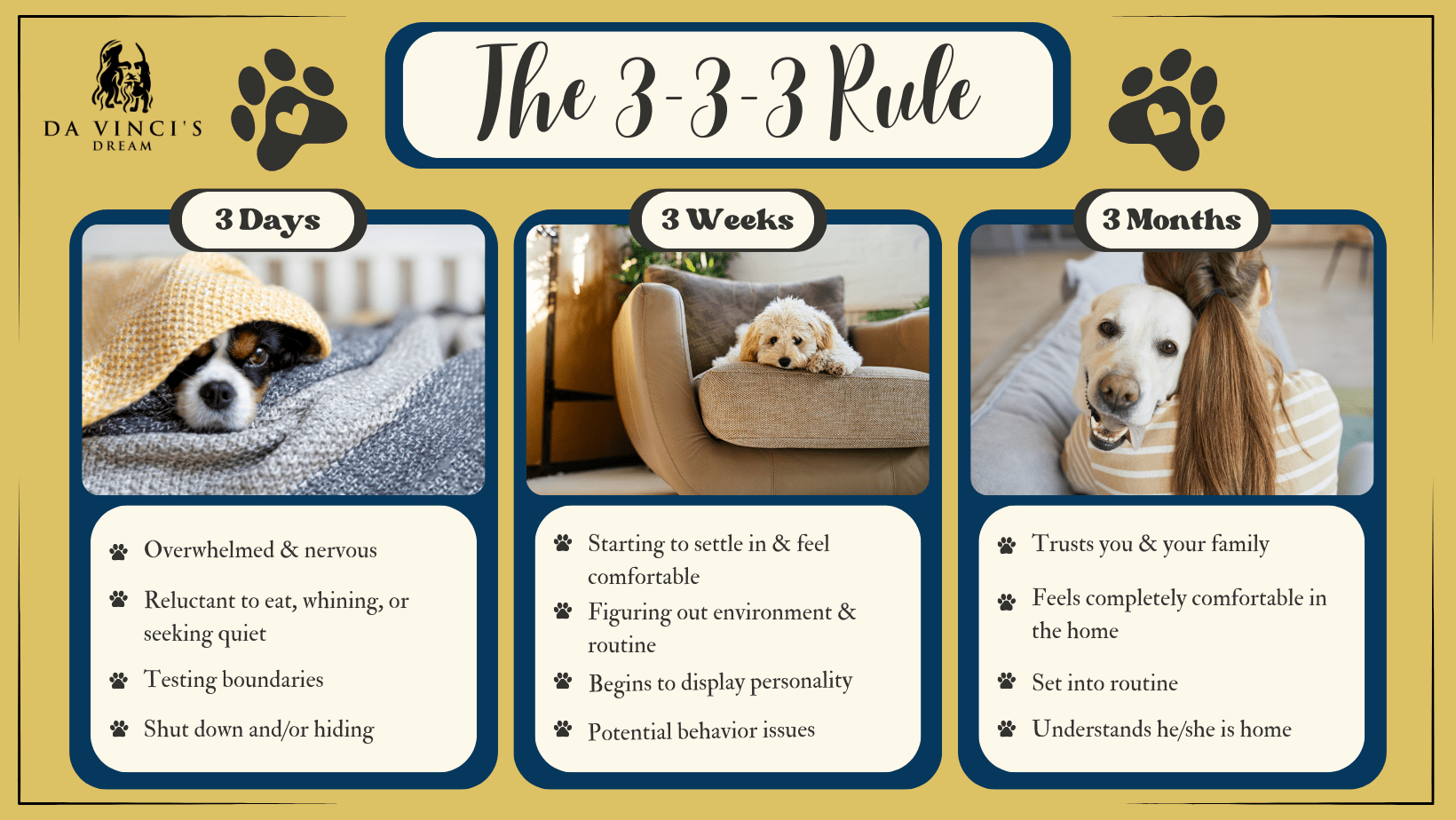
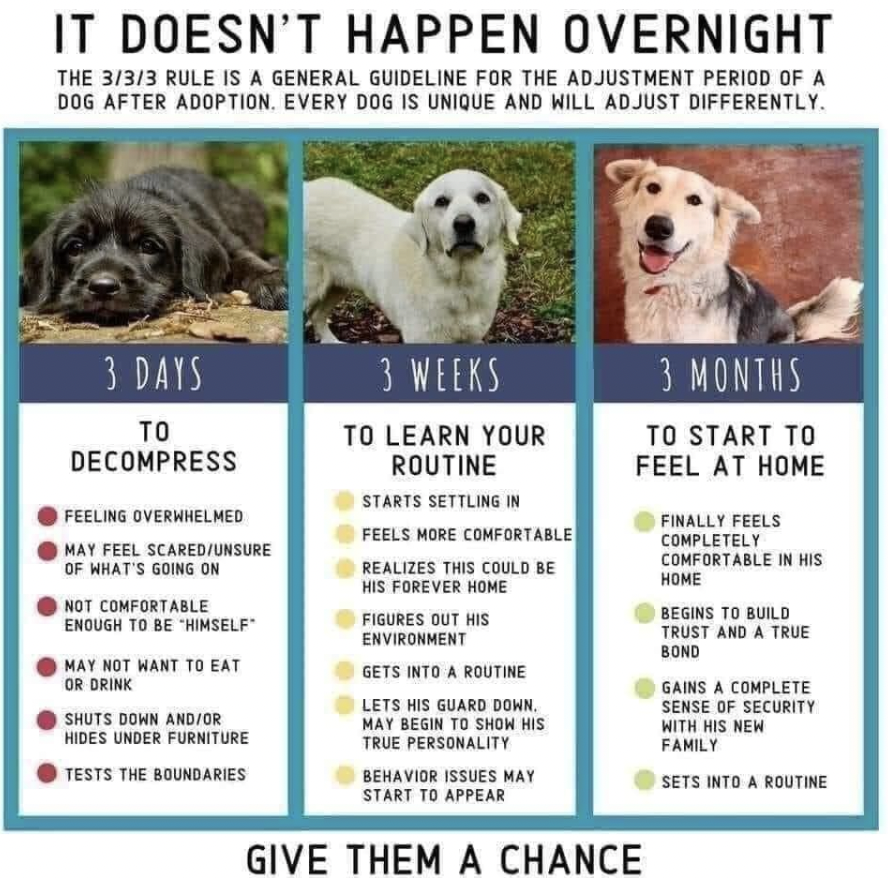
The first three days are a decompression window. Think of it like landing after a long flight. Keep things quiet. Keep things simple.
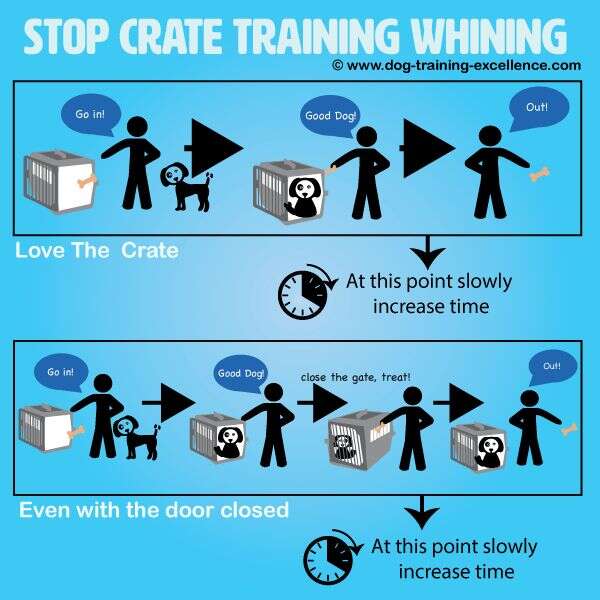
Create a safe zone. Use a crate with the door open or a cozy bed in a corner. Give water, a chew, and space. Keep visitors and trips to a minimum.
Build an easy routine. Same wake time. Same meal time. Same walk time. Short sessions beat long ones. This is how to build trust with a new dog fast, without forcing it.
Read Your Dog’s Body Language
To learn how to build trust with a new dog, become a great observer. Your dog is “talking” all day with body signals. Watch for small changes.
Common stress signs:
- Whale eye, tucked tail, pinned ears
- Lip licking, yawning, shake-offs
- Freezing, pacing, or avoiding touch
Green-light signals:
- Soft eyes, loose jaw, neutral tail
- Curved body, gentle wiggles
- Choosing to approach and stay
If you see stress, lower pressure. Add space, slow your voice, and toss a treat away. Let your dog reset.

Pair Yourself With Good Things: Reward-Based Training
If you want to know how to build trust with a new dog, link yourself with great outcomes. Food, play, and praise work wonders. Use a marker word like “Yes!” to tell your dog, “That’s it.”
Keep sessions short. Five treats, then a break. Reward any brave choice. A glance at you. A step toward a new room. A sit by choice. Rewards make you the source of safety.
Skip punishment. It may stop a behavior for a moment, but it harms trust. Research shows reward-based methods reduce fear and boost learning. That’s your goal.
Consent-Based Touch and Handling
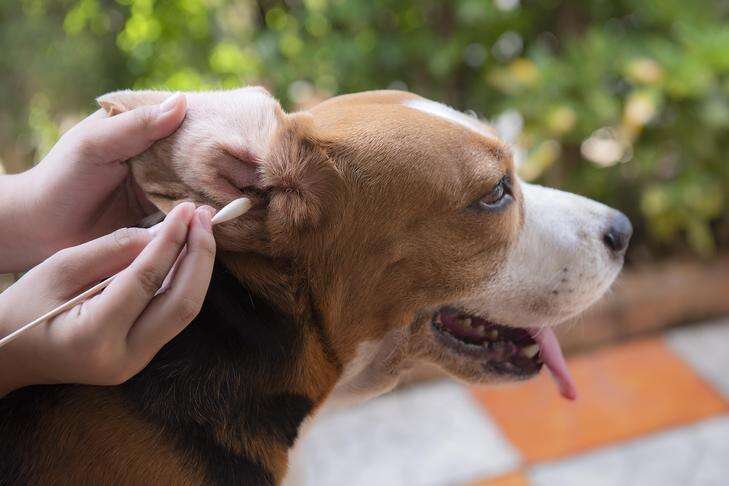
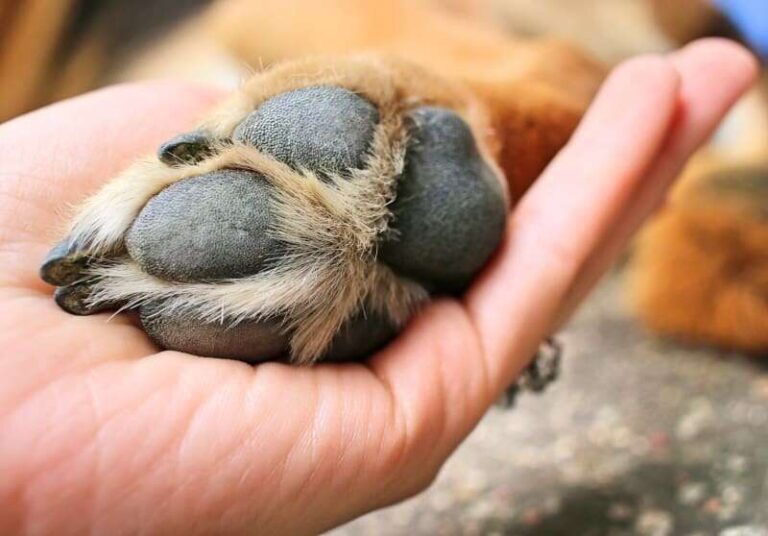
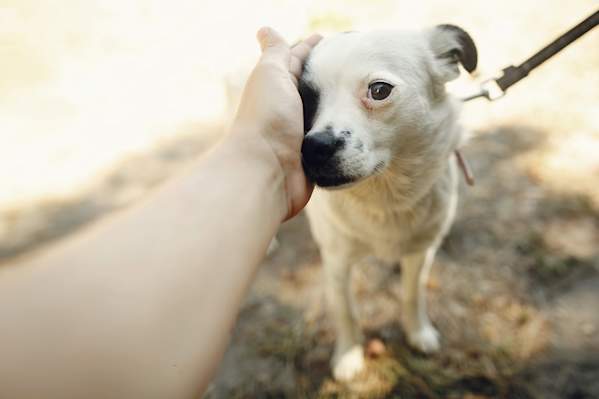
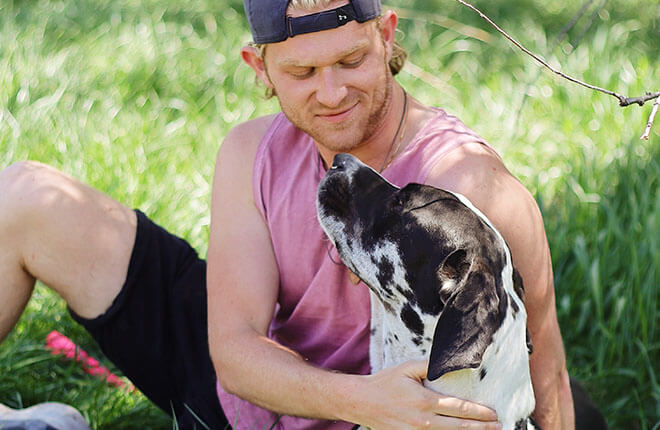
Touch can soothe, or it can scare. To master how to build trust with a new dog, ask for consent. Offer your hand, then pause. If your dog leans in, pet the chest or side. If they lean away, stop.
Try these:
- Pet for three seconds, then pause and wait
- Teach a chin rest on your palm for grooming
* Pair nail touches or ear checks with tiny treats
Don’t hug, hover, or grab. Let your dog choose when and how long. Choice builds trust faster than force.
Bond Through Play and Enrichment
Play is the shortcut to your dog’s heart. It turns you into fun and safety at once. Keep it gentle and structured.
Great ideas:
- Sniff walks where your dog leads at a loose pace
- Food puzzles and snuffle mats to lower stress
- Gentle tug with rules, or fetch with short reps
- Scatter feeding in grass for calm, natural seeking
Use play to teach calm starts and stops. End while your dog wants more. This timing keeps the game special and helps with how to build trust with a new dog.
Walks That Build Confidence, Not Fear
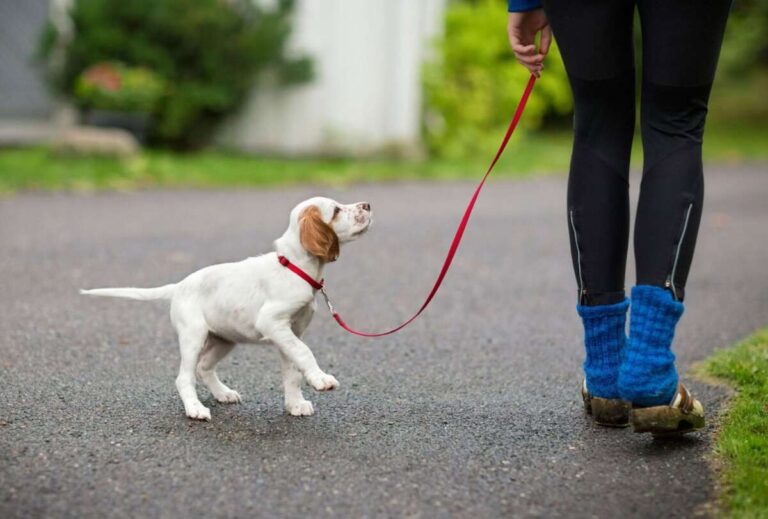
Your first walks set the tone. Skip crowded streets at first. Keep the leash loose and the route short. Let your dog sniff. Sniffing lowers heart rate and builds calm.
Gear matters. Use a snug harness that does not rub. Clip the leash to the front if pulling is heavy. Avoid dog parks and busy meetups for now. Quiet walks help more with how to build trust with a new dog than high-energy chaos.
If your dog freezes or looks worried, step aside and feed a few treats. Give space and time. Move on when your dog softens.
Feed in Ways That Build Trust
Food is a bridge. Use it with care. Hand-feed part of meals for a week or two. Drop the rest in a bowl in the safe zone.
Easy wins:
- Hand-feed ten kibbles at a time while your dog sits
- Toss treats away from you to release pressure
- Use stuffed Kongs for calm, solo chewing
If your dog guards food, don’t push. Walk by at a distance and toss a higher value treat. This trades up without a fight and helps with how to build trust with a new dog.

Calm Socialization and Visitor Rules
New people can be hard. Set rules to keep trust growing. Tell guests to ignore your dog at first. No eye contact. No reaching. Let your dog choose to approach.
Pair guests with treats. They can toss food to the side to reduce pressure. Keep visits short. One person at a time is best in the early days.
Exposure should be controlled, not flooded. Research shows slow, paired exposure beats “throw them in and hope.” That’s how to build trust with a new dog without backfires.
Sleep and Downtime Are Your Secret Tools
Rest is the reset button. Many new dogs sleep a lot at first. That’s normal. Their brain is sorting new smells and sounds. Let it.
Aim for lots of quiet time. Use soft music or a white-noise machine. Keep kids and other pets from bugging the dog’s bed. When in doubt, protect the nap.
Trust grows in calm moments as much as in training. This is a key part of how to build trust with a new dog.
Mistakes To Avoid
Some things slow trust or even break it. Learn them now and skip the pain.
Common traps:
- Doing too much too soon with guests or dogs
- Forcing touch, lifting, or bath time
- Using harsh tools or leash pops
- Skipping rest or changing the routine each day
- Free-feeding without training moments
When you avoid these, your plan speeds up. Small kind steps beat big bold ones.
A Simple 14-Day Trust Plan
Here’s a starter plan you can follow. It is flexible. Adjust to your dog’s pace.
Days 1–3:
- Quiet house, safe zone set up
- Short sniff walks, same route
- Hand-feed 30–50% of meals
- Reward any check-ins or sits
Days 4–7:
- Three five-minute training sessions daily
- Name game, sit, touch (nose to hand)
- One new room or sound per day with treats
- Invite one calm visitor, with rules
Days 8–14:
- Add one longer sniff walk
- Start cooperative care steps, like chin rest
- Easy enrichment daily, like a puzzle toy
- Short play, then settle on a mat for treats
Stick to this, and you will feel the bond grow. This is how to build trust with a new dog in a clear, kind way.
When To Seek Professional Help
Sometimes you need a guide. That’s smart, not a failure. Get help if you see bites, hard freezes, or panic. Also seek help if fear is not easing after a few weeks.
Look for modern, force-free pros. Choose certified trainers or behavior consultants who use reward-based methods. Many vets now offer fear-free care plans too. A good pro will speed up how to build trust with a new dog and keep you safe.
Frequently Asked Questions of how to build trust with a new dog
How long does it take to build trust with a new dog?
Every dog is different, but plan on weeks, not days. Many families see steady gains in two to eight weeks.
Should I crate my new dog to build trust?
Use the crate as a safe den, not a jail. Keep the door open at first and pair the space with chews and calm.
Can I take my new dog to the dog park right away?
Skip dog parks early on. Quiet sniff walks and one-on-one meets are safer and better for trust.
What if my dog growls when I get close?
Back off and give space. Growls are warnings, not “bad behavior,” and they guide you to adjust your plan.
How many training sessions should we do per day?
Try two to three short sessions, two to five minutes each. Keep them fun, then end on a win.
Will hand-feeding make my dog dependent on me?
No. It builds positive history early on. You can fade hand-feeding as trust grows.
What’s the best treat for building trust?
Use small, soft, and tasty rewards your dog loves. Chicken, cheese, or commercial soft treats work well.
Conclusion
Trust is a daily practice, not a single event. Keep things safe, simple, and kind. Watch your dog’s signals, reward brave choices, and protect rest. If you follow these steps, you will feel the bond settle in and deepen.
Start today. Pick two ideas from this guide and try them for a week. Share your wins and questions in the comments, and subscribe for more step-by-step help on how to build trust with a new dog.

Pet Care Writer & Researcher
Daniel writes practical guides on daily care, feeding, and safety, turning complex topics into simple, actionable advice.