How To Calm An Anxious Dog At Home: Proven Tips 2026
Calm your pup fast with vet-backed soothing routines. Learn how to calm an anxious dog at home using simple steps, safe tools, and comfort cues.
Create a safe space, routine, and positive training to calm anxious dogs at home.
If you’re searching for how to calm an anxious dog at home, you’re in the right place. I’ve helped many worried pups settle with science-backed methods and easy daily habits. In this friendly guide, you’ll learn clear steps, real examples, and pro tips that make a fast, gentle difference. Stick with me, and you’ll feel confident about how to calm an anxious dog at home without guesswork.
What Anxiety Looks Like In Dogs And Why It Happens
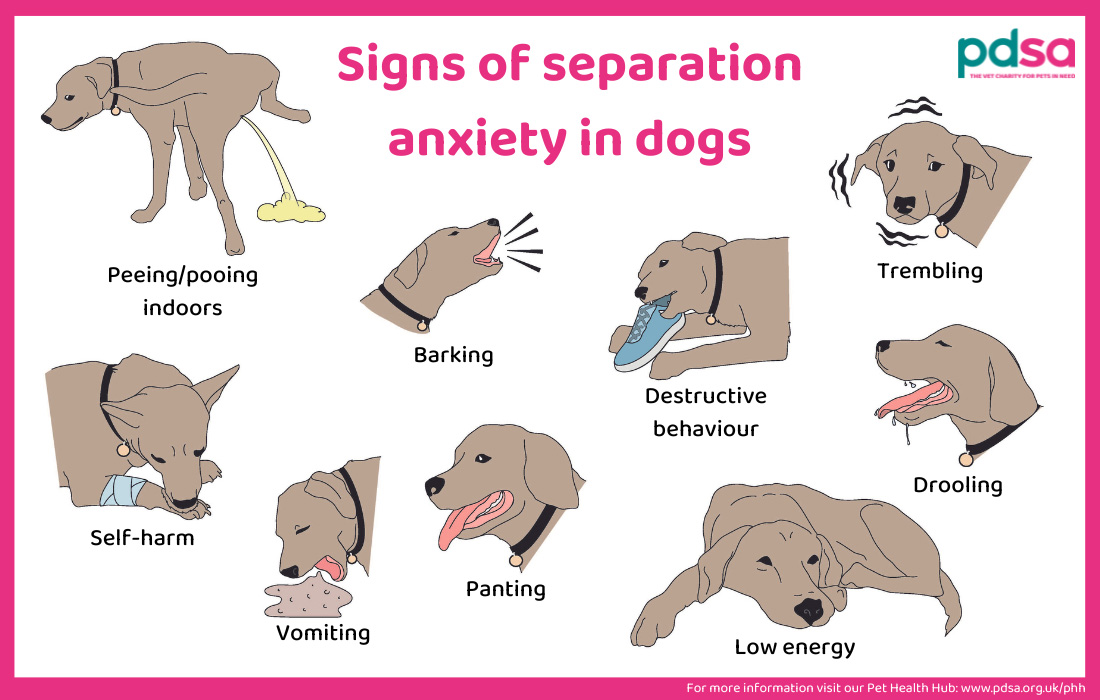
Anxiety is not “bad behavior.” It is a stress response. You may see panting, pacing, shaking, drooling, hiding, barking, or clingy behavior. Some dogs even yawn, lip-lick, or turn away when worried.
Common triggers include loud sounds, strangers, separation, vet visits, or changes in routine. Pain, illness, and poor sleep make it worse. If you want to know how to calm an anxious dog at home, first learn what sets your dog off and what helps them recover.
Veterinary behavior research shows that gentle training, safe spaces, sniffing, and steady routines lower stress markers. Heart rate variability improves when dogs feel control and predictability. That is why we focus on choice, comfort, and small wins.
A Simple Plan: How To Calm An Anxious Dog At Home Today
Use this quick-start routine to see relief fast. It is simple, kind, and backed by behavior science. It also builds a base for long-term change.
- Reset the environment. Close curtains. Lower lights. Play soft white noise. Offer water and a chew.
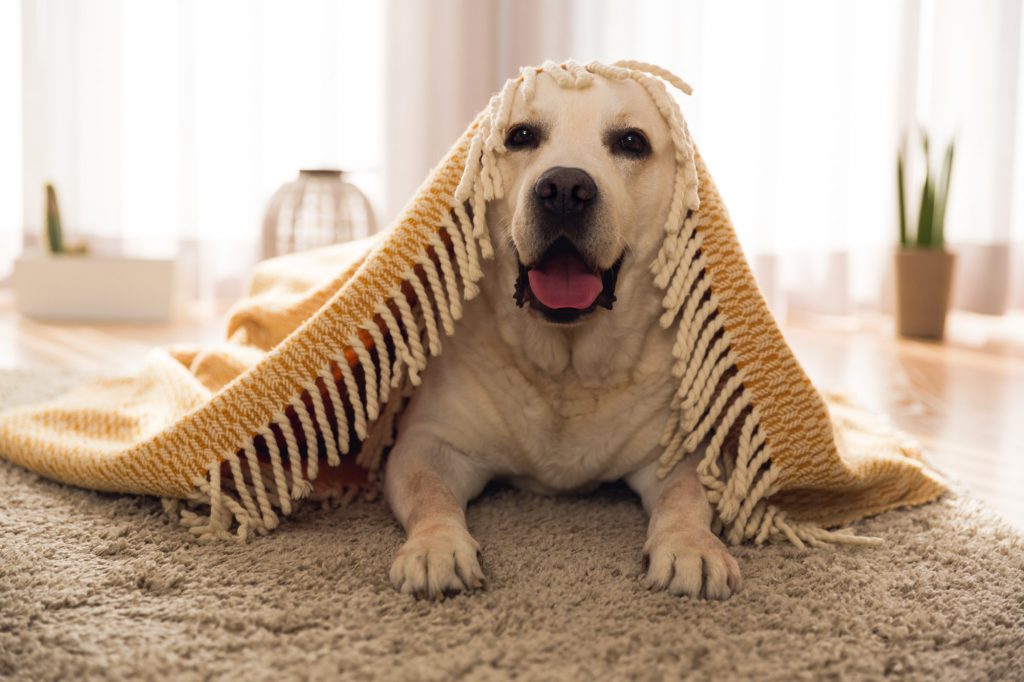
- Create a safe spot. Use a covered crate or a quiet corner with a bed and a blanket that smells like you.
- Switch to calm cues. Speak softly. Move slow. Pet in slow strokes from neck to shoulder if your dog seeks touch.
- Reward the calm. Mark and treat any sigh, soft eye, or relaxed pose. Catch the small moments.
- Add sniffing and licking. Use a snuffle mat, lick mat, or a scatter of kibble. Sniffing lowers arousal.
If you ask how to calm an anxious dog at home in one sentence, here it is: make the room quiet, give your dog a safe choice, then reward every hint of calm. Repeat those steps any time stress starts to rise. Over time, your dog learns that calm earns good things.
Build A Calm Base: Space, Routine, And Safety
Dogs relax when life is predictable. Keep meals, walks, and rest times steady. Short naps in a quiet space stop overtired meltdowns. Aim for many tiny breaks through the day.
Set up a “home base.” Think of it like a cozy den. Add a bed, chew, water, and a light cover. If you use a crate, make it a happy place. Feed meals there. Drop treats in often. Never use it for time-outs after fear.
Routines reduce guesswork. Add a simple cue for rest, like a soft chime before naps. Pair it with a chew. This is a core move in how to calm an anxious dog at home because it tells your dog, “You are safe, and good things happen here.”

Training That Soothes The Brain
Fear fades when dogs learn that triggers predict safety. Two gold-standard tools are desensitization and counterconditioning. Start at a level where your dog notices the trigger but stays relaxed. Then pair it with high-value food. Slow steps win.
Teach a go-to “calm station.” Place a mat. Mark and treat any touch, stand, or sit on it. Build to longer settles. Add a simple cue like “mat.” This gives your dog a clear job during stress.
Layer in pattern games. Try “1-2-3 treat.” Walk, count 1-2-3, and give a treat on 3. The rhythm helps dogs tune out chaos. This is one of my favorite answers to how to calm an anxious dog at home in busy spaces like living rooms near windows.
Tools That Help Without Masking The Cause
Some products can take the edge off while you train. They are not magic, but they can help.
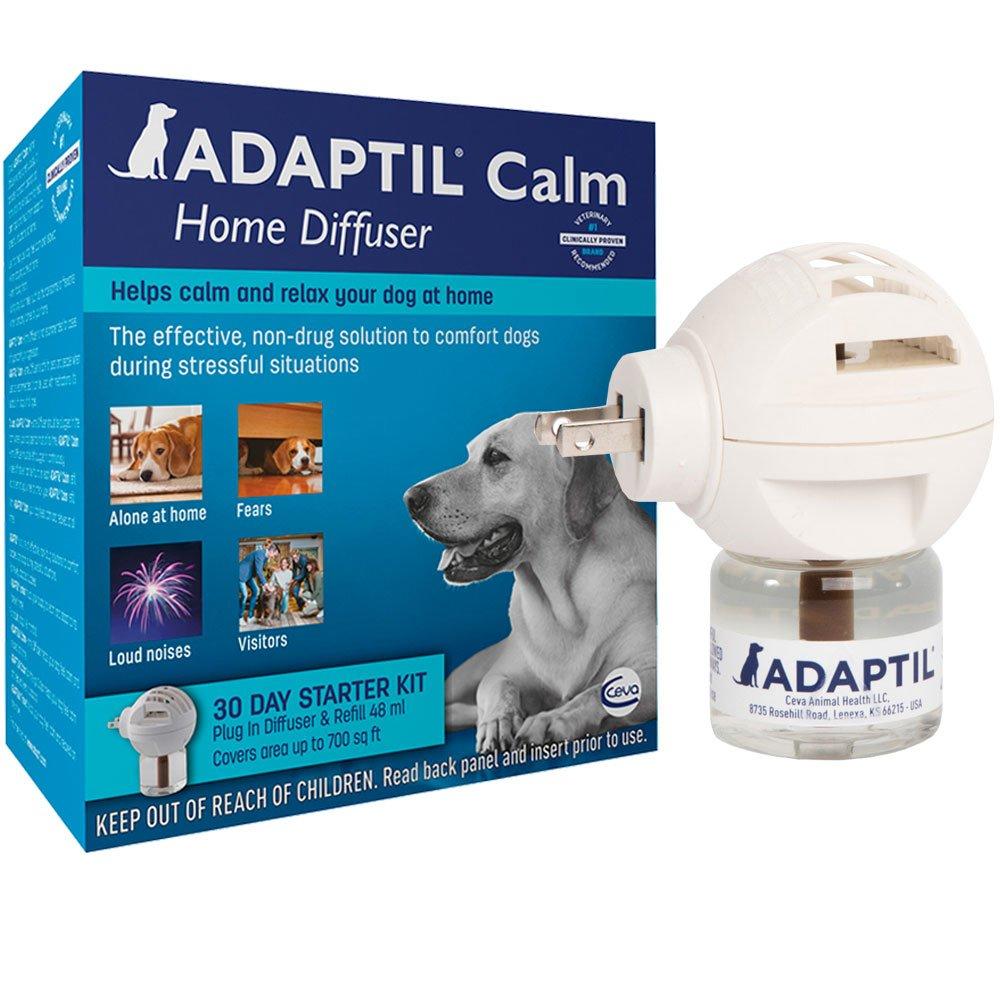
- Pheromone diffusers or collars may help some dogs relax.
- Pressure wraps can reduce startle and steady the body.
- White noise or soft music blocks sudden sounds.
- Calming chews with L-theanine, alpha-casozepine, or melatonin can help mild cases.
- Omega-3s support brain health. Ask your vet for dosing.
Use care with CBD. Evidence is mixed and dosing varies. Always speak with your vet first. The goal is to lower stress so you can teach new, calm habits. That is the heart of how to calm an anxious dog at home for lasting change.

Enrichment, Exercise, And Diet Tweaks That Reduce Stress
Anxiety drains energy. Smart activity refills the tank. Aim for sniff walks, not speed walks. Let your dog choose paths. Sniffing lowers heart rate and calms the nervous system.
Offer chewing and licking daily. Use stuffed Kongs, lick mats, or braided chews. Short training games boost joy and control. Keep sessions under three minutes. End on a win.
Check diet and tummy health. Sudden food changes can upset the gut and mood. Many dogs show better focus with steady protein and added omega-3s. Ask your vet about gut support if your dog often has soft stools.
Handling Noise And Separation Triggers At Home
For noise, plan before storms or fireworks. Close windows and curtains. Play white noise. Start a chew as the first rumble starts. Pair soft sound recordings at low volume with treats on calm days to build resilience.
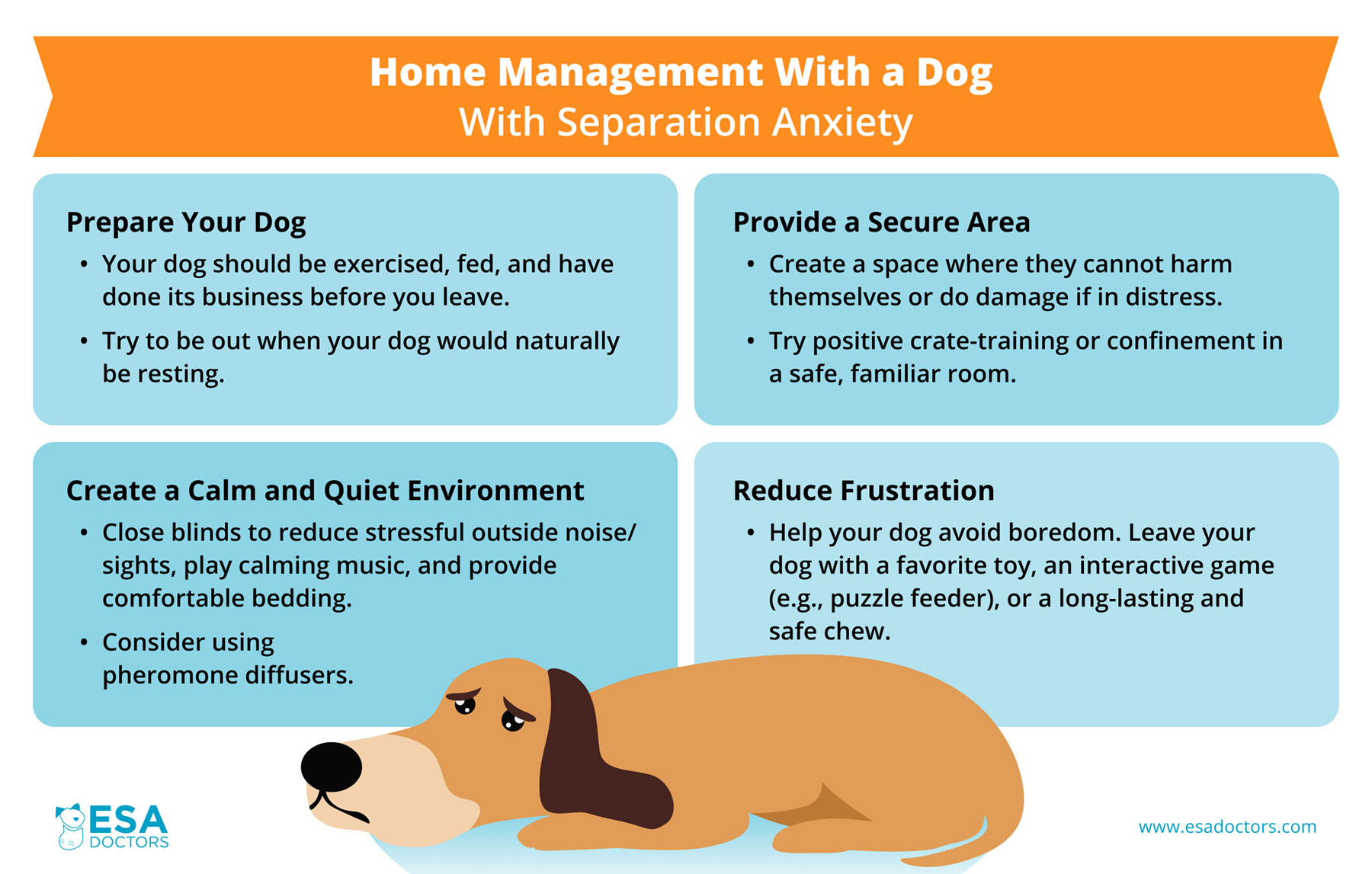
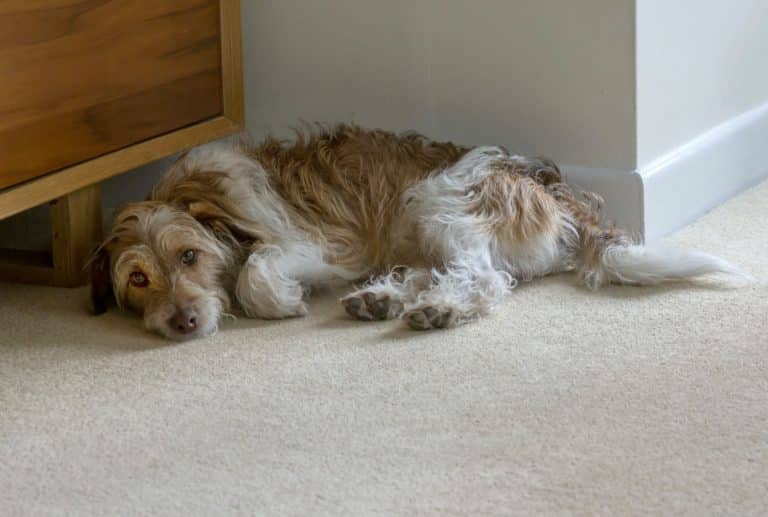
For separation, practice tiny absences. Pick a cue, like a light jacket. Put it on, feed a treat, step out for 10 seconds, step back in, and act relaxed. Grow the time slowly. This slow build is a proven piece of how to calm an anxious dog at home when alone time sparks fear.
Watch for red flags like drooling puddles, door damage, or howling. These suggest you need pro help and maybe meds while you train.

Your Role: Voice, Touch, And Timing
Your dog reads you. Use a calm voice. Soften your face and shoulders. Breathe slow. Dogs cue off our bodies like we cue off a friend’s tone in a tense room.
Touch can soothe when your dog wants it. Try slow, long strokes. Count to five. Pause and check if your dog leans in. If not, give space. Reward any choice toward calm. This is a humane path in how to calm an anxious dog at home without force.
Mark and reward the moments you like. Catch the exhale, the soft blink, the hip drop. Small wins stack into big change.
When To Seek Professional Help
Call your vet if anxiety is severe, sudden, or worsening. Pain, thyroid issues, or gut trouble can fuel fear. A full exam is key.
For behavior support, look for a credentialed pro. A veterinary behaviorist, a certified behavior consultant, or a skilled trainer who uses rewards can guide a plan. In tough cases, meds like SSRIs, trazodone, or gabapentin may help your dog learn. This medical support is often part of how to calm an anxious dog at home when training alone is not enough.
Common Mistakes To Avoid
Do not punish fear. Yelling or leash pops can make anxiety worse and break trust. It can also hide signs you need to see.
Do not flood your dog with the scary thing. Overexposure blocks learning. Work at easy levels first. Do not rely only on gadgets. Apps and devices help, but training and routine make the change stick.
Skip long, overstimulating outings. Short, calm work beats big, wild days for anxious brains.
A 7-Day Starter Routine
Try this simple week to build momentum. Keep sessions short and fun. Repeat what works.
- Day 1: Set up the safe space. Feed one meal there. Play white noise for 10 minutes.
- Day 2: Start mat training. Three one-minute sessions. Mark and treat any contact with the mat.
- Day 3: Add sniff games. Two five-minute snuffle sessions. Reward any calm after.
- Day 4: Noise prep. Play soft thunder at very low volume. Treat for relaxed ears and eyes.
- Day 5: Mini separations. Five exits of 10–30 seconds. Jacket cue on, treat, exit, return, treat.
- Day 6: Pattern game. Do 1-2-3 treat on a short indoor walk. Finish with a chew in the safe space.
- Day 7: Review and rest. Note what worked. Repeat best steps twice. This is a solid base for how to calm an anxious dog at home long term.
Frequently Asked Questions of how to calm an anxious dog at home
What is the fastest way to calm my dog right now?
Lower lights, add white noise, and offer a high-value chew or lick mat. Reward any breath out or soft posture with a tiny treat.
Should I comfort my anxious dog or ignore them?
Comfort them if they seek it and stay calm and steady. Gentle support does not “reward fear”; it helps the brain settle.
How long does it take to fix anxiety?
Mild cases improve in weeks with daily practice. Severe cases need months and often vet support.
Can exercise alone solve anxiety?
Exercise helps, but it is not a cure. Pair it with training, rest, and a safe space for real change.
Do calming supplements work?
Some do for mild anxiety, like L-theanine or pheromones. Ask your vet to choose safe options and doses.
What if my dog gets worse when I leave?
That may be separation anxiety. Use tiny absences and get help from your vet or a qualified behavior pro.
Is crate training good for anxious dogs?
Yes, if the crate is a happy den and never a punishment. Build it with food, choice, and short, easy sessions.
Conclusion
You can change your dog’s story with steady, kind steps. Build a safe space, set a routine, train calm behaviors, and use tools that lower stress while you teach new skills. That is the proven path for how to calm an anxious dog at home and help your best friend feel safe.
Start with one small step today. Set up the calm spot, play white noise, and reward a single exhale. Want more support? Subscribe for new training plans, or share your dog’s wins and questions in the comments.
Pet Care Writer & Researcher
Daniel writes practical guides on daily care, feeding, and safety, turning complex topics into simple, actionable advice.