How To Choose Shampoo For Dogs: Vet-Approved Guide 2026
Learn how to choose shampoo for dogs based on coat type, skin needs, and allergies. Get vet-backed tips, ingredient checklists, and avoid harsh irritants.
Pick dog shampoo by skin type, coat needs, safe ingredients, and pH.
If you have ever stood in a pet aisle feeling lost, you are not alone. I groom dogs and work with vets, and I know how to choose shampoo for dogs without guesswork. This guide breaks it down in plain words, with tips you can use today.

Understand Your Dog’s Skin And Coat
Dog skin is thinner than human skin. It also has a higher, more neutral pH. That is why human shampoo can dry and sting. A dog’s coat type also changes what works best.
Start with a quick check:
- Skin type. Normal, dry, oily, or sensitive? Any flakes, odor, or red spots?
- Coat type. Short, double, curly, wire, long, or hairless?
- Age and lifestyle. Puppy, senior, swimmer, or city walker?
If you keep that snapshot in mind, how to choose shampoo for dogs gets simple. You match the formula to the skin and coat you see.
Know The Main Types Of Dog Shampoos
Different jobs need different tools. Here are the common types and when to use them.
- Everyday gentle shampoo. For normal skin and regular baths.
- Puppy shampoo. Extra mild and tear-free for young skin.
- Hypoallergenic shampoo. Fragrance-free and simple for sensitive dogs.
- Oatmeal or soothing shampoo. Helps mild itch and dryness.
- Moisturizing shampoo. Adds hydration for brittle coats.
- Whitening or brightening shampoo. Lifts stains on light coats.
- Deodorizing shampoo. Targets odor, but avoid heavy perfume.
- Medicated shampoo. For yeast, bacteria, mites, or severe itch. Use with vet guidance.
- Flea and tick shampoo. Short-term help. Pair with a monthly preventive.
- Waterless or foam shampoo. Good for spot cleans or winter baths.
- 2-in-1 shampoo and conditioner. Handy for quick jobs, not for heavy mats.
When you know these types, how to choose shampoo for dogs comes down to fit. Pick the type that solves your dog’s top need.

Ingredients To Seek And Ingredients To Avoid
Great dog shampoos use mild cleansers and skin-friendly extras. Weak or harsh blends can upset the skin fast.
Good to seek:
- Mild surfactants. Coco-glucoside, decyl glucoside, sodium cocoyl isethionate.
- Soothers. Colloidal oatmeal, aloe vera (stabilized), chamomile extract.
- Humectants and lipids. Glycerin, panthenol, ceramides, squalane, fatty acids.
- Preservatives with a safer profile. Potassium sorbate, sodium benzoate, phenoxyethanol.
- Light, low-allergen scents. Or go fragrance-free for sensitive dogs.
Best to avoid or use with care:
- Human shampoos. Wrong pH and often too harsh.
- Harsh sulfates for sensitive dogs. Sodium lauryl sulfate (SLS), strong solvents.
- Dyes and phthalates. Add color or scent risk without benefit.
- Formaldehyde releasers. DMDM hydantoin, quaternium-15.
- Isothiazolinones. Methylisothiazolinone (MIT) can irritate some dogs.
- High-dose essential oils. Tea tree, peppermint, and citrus can be risky. Tiny, well-diluted use only.
- Heavy perfume. Fragrance load raises the odds of reactions.
A quick tip: fragrance-free is safer than “unscented.” Unscented can still contain masking scents. If you learn this filter, how to choose shampoo for dogs becomes far easier and safer.
Match Shampoo To Common Skin And Coat Needs
Use what you see and what your vet says.
- Itchy or flaky skin. Try colloidal oatmeal, aloe, and ceramides. If itch lasts over a week, call your vet.
- Yeast or odor. Ask your vet about miconazole or ketoconazole blends. Follow contact time on label.
- Bacterial hotspots. Chlorhexidine shampoos help. Use as directed by your vet.
- Oily seborrhea. Look for degreasing yet mild formulas. Avoid heavy oils.
- Allergies. Hypoallergenic, fragrance-free base. Pair with vet allergy plan.
- Long, curly, or matted coats. Use a hydrating shampoo and a separate conditioner. Detangle while wet.
- White coats with stains. Use a brightening shampoo that is free of bleach.
- Puppies. Choose extra mild, tear-free, and rinse well.
If you are still unsure how to choose shampoo for dogs in tricky cases, ask your vet. A short chat can save weeks of trial and error.
Read The Label Like A Pro
A label tells you how a product really works.
- Look for pH balanced for dogs. Many brands list it. Neutral to slightly alkaline is common for dogs.
- Find active ingredients and their percent. Examples: chlorhexidine 2%, miconazole 2%.
- Follow contact time. Medicated shampoos often need 5 to 10 minutes.
- Scan the first five ingredients. They show the base cleansers and humectants.
- Watch for vague terms. “Proprietary blend” with no detail is a red flag.
- Check batch number and expiry. Fresh stock matters for actives.
Once you know this, how to choose shampoo for dogs is a clear, step-by-step process. Read, compare, and choose with intent.
Patch Test And Safe Bathing Steps
Do a small test before a full bath. It can prevent a bad day.
- Patch test. Apply a drop on the belly or inner thigh. Rinse after 5 minutes. Wait 24 hours.
- Dilute when advised. Some shampoos work best at 1:5 with water. Check the label.
- Water temp. Use lukewarm water. Hot water strips oils and stings.
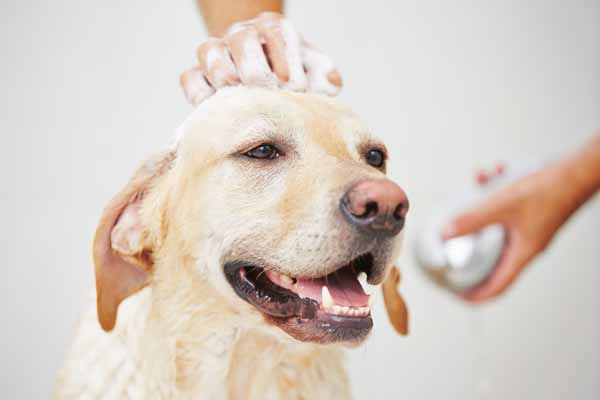
- Apply and massage. Work from neck to tail. Keep out of eyes and ears.
- Contact time. Medicated formulas need time. Use a timer.
- Rinse and rinse again. Water should run clear.
- Dry well. Use towels and low heat. Damp skin invites yeast.
- Reward and rest. Make baths calm and kind.
Follow these steps and how to choose shampoo for dogs becomes how to use it right. Both matter for healthy skin.
Bathing Frequency And Coat Care Routine
Bath needs vary by coat and life stage. Here are simple ranges.
- Double coats (Labs, Huskies). Every 6 to 8 weeks. Brush weekly to cut shedding.
- Curly or wool coats (Poodles, Doodles). Every 3 to 4 weeks. Use conditioner and frequent brushing.
- Silky, long coats (Yorkies, Maltese). Every 2 to 4 weeks. Detangle daily.
- Short smooth coats (Boxers, Beagles). Every 4 to 8 weeks. Wipe-downs help between baths.
- Hairless breeds. Weekly gentle baths. Moisturize after.
- Swimmers and hikers. Rinse after wet or muddy days. Shampoo as needed.
These are guides. If you wonder how to choose shampoo for dogs with odd routines, pick a gentle base. Then adjust with a medicated or moisturizing option as needed.

Common Mistakes To Avoid
Little changes prevent big skin problems.
- Using human shampoo. It shifts pH and strips oils.
- Bathing too often without moisture care. Dry skin leads to more itch.
- Chasing strong perfume. Clean dogs should smell like…almost nothing.
- Skipping the rinse. Leftover suds cause flakes and itch.
- DIY with dish soap or harsh vinegar. It can burn and break the barrier.
- Mixing actives at random. Ask your vet before stacking treatments.
Steer clear of these, and how to choose shampoo for dogs will pay off fast.

Budget And Brand Comparison Tips
You do not need the most expensive bottle. You need the right one.
- Check cost per ounce. Concentrates can be a better value.
- Prefer clear labels and full ingredient lists.
- Look for simple formulas if your dog is sensitive.
- Buy small first. Test before you commit.
- Save medicated shampoos for true needs. Use a gentle base for routine baths.
Use these steps, and how to choose shampoo for dogs will fit your budget and your dog.
A Simple DIY Soak (And When Not To DIY)
A mild oatmeal soak can calm light itch.
- Recipe. Blend plain oats to a fine powder. Add 1 cup to a tub of lukewarm water. Soak 10 minutes. Rinse well.
- Do not use on raw or infected skin. Do not replace vet care.
- Avoid essential oils for DIY. Doses can be risky.
Even with DIY tips, how to choose shampoo for dogs should focus on tested products. Home soaks help, but they are not a cure.
Real-World Cases From My Grooming Bench
Case 1: A doodle with constant flakes. The owner used a strong whitening shampoo weekly. We switched to a fragrance-free, oatmeal base and added a light conditioner. Baths moved to every 4 weeks. Flakes were gone in two weeks.
Case 2: A bulldog with odor between skin folds. We used a vet-approved chlorhexidine shampoo with a 10-minute contact time. Then a gentle, non-scented wash for off weeks. The smell faded, and the skin looked calm within a month.
These small wins show how to choose shampoo for dogs based on signs, not hype.
Frequently Asked Questions of how to choose shampoo for dogs
How often should I bathe my dog?
Most dogs do well every 3 to 8 weeks. Adjust based on coat, activity, and skin needs.
Can I use baby shampoo on my dog?
It is gentler than many human shampoos, but still not ideal for dogs. The pH is off and can dry skin over time.
What if my dog has allergies?
Start with a hypoallergenic, fragrance-free shampoo. If symptoms persist, ask your vet about medicated options and allergy testing.
Do whitening shampoos damage coats?
Good ones should not. Pick sulfate-free, no-bleach formulas and follow the label.
How do I stop the wet dog smell?
Rinse very well, dry fully, and brush after. If odor returns fast, check for yeast, ear issues, or skin folds.
Are natural shampoos always safer?
Not always. Natural oils and plant extracts can still irritate or harm pets if used wrong.
What contact time is best for medicated shampoos?
Most need 5 to 10 minutes. Read and follow the exact label for that product.
Conclusion
You now know how to choose shampoo for dogs with calm, clear steps. Match the formula to skin and coat. Read labels, test small, and rinse well. When in doubt, your vet is your best guide.
Pick one product to try this week and note the results. Small tweaks bring big comfort. Want more simple pet care guides? Subscribe, share this with a fellow dog parent, or drop your questions in the comments.

Pet Care Writer & Researcher
Daniel writes practical guides on daily care, feeding, and safety, turning complex topics into simple, actionable advice.