How To Deal With Dog Anxiety Naturally: 2026 Tips
Learn how to deal with dog anxiety naturally with safe home remedies, calming routines, and enrichment tips that ease stress and build your pup’s confidence.
Support dogs with calm routines, training, exercise, enrichment, and vet-approved natural aids.
You want real answers that work now, not vague tips. In this guide, I show you how to deal with dog anxiety naturally with methods I use daily as a canine behavior coach. We will blend gentle training, smart routines, and proven natural tools. You will see how small changes add up to a calmer, happier dog—without guesswork.
What Dog Anxiety Looks Like (And Why It Matters)
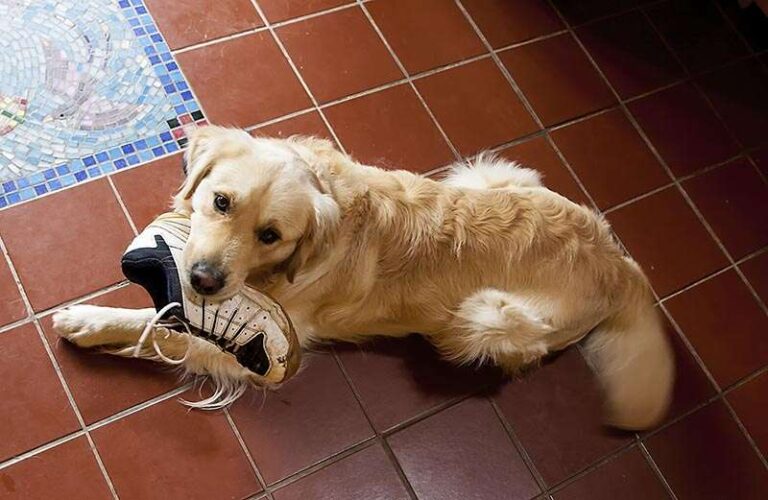
An anxious dog is not “stubborn.” They are scared. You might see pacing, whining, drooling, shaking, or barking. Some dogs hide. Others chew doors or soil the house. Triggers can be loud sounds, strangers, car rides, or being home alone.
To learn how to deal with dog anxiety naturally, you must spot the signs early. Track when it starts, how long it lasts, and what helps a little. Keep a simple log. Patterns guide your plan and make progress clear.
Build a Calm Daily Foundation
At the core of how to deal with dog anxiety naturally is a steady routine. Dogs relax when life is predictable. Think of routine as the base of a calm house.
Try this simple daily flow:
- Morning: relaxed sniff walk, water, breakfast from a puzzle feeder.
- Midday: short training game, nap time in a quiet spot.
- Late day: play, second walk, social time that fits your dog’s style.
- Evening: calm chew, soft music, lights down, same bedtime.
Sleep matters. Most adult dogs need 12 to 14 hours a day. Protect nap zones. Well-rested brains can learn and cope better.

Enrichment That Calms the Brain
Another key in how to deal with dog anxiety naturally is nose and brain work. Sniffing lowers heart rate and helps dogs process stress. It is like yoga for their minds.
Simple enrichment ideas:
- Sniff walks: slow pace, let the nose lead.
- Scatter feeding: toss kibble in the grass for a mini “search.”
- Food puzzles: start easy, then build skill.
- Chews: safe long-lasting chews can soothe and reduce arousal.
- DIY scent games: hide treats in boxes, let your dog hunt.
Keep it easy at first. Hard puzzles can frustrate anxious dogs. Success builds calm.
Training That Eases Fear
Behavior training sits at the heart of how to deal with dog anxiety naturally. Use desensitization and counterconditioning. That means you expose your dog to a tiny slice of the trigger and then pair it with great things. Your dog learns, “This is safe. Good stuff happens.”
Core steps:
- Find the threshold: the level where your dog notices the trigger but stays calm.
- Pair it with value: high-value treats, play, or a sniff break.
- Go slow: raise intensity in small steps only when your dog stays relaxed.
- Use a safety cue: a mat or bed means “calm zone.”
- Practice short, often: five minutes beats a long, hard session.
A note on tools: choose a harness over a collar for better control and less pressure. Reward calm, not fear. Never punish fear. It makes anxiety worse and breaks trust.

Create a Comfort-First Home Environment
Your home setup also shapes how to deal with dog anxiety naturally. Think ease, not force. Your goal is to lower stress signals all day.
What helps right away:
- Safe den: a cozy crate or corner with a cover, bed, and a chew.
- Sound masking: white noise or soft classical music during triggers.
- Pheromones: dog-appeasing pheromone diffusers may ease mild stress.
- Pressure wraps: snug vests can help some dogs during storms.
- Light control: close curtains at dusk if outside sights spark barking.
Remove pressure where you can. If the doorbell is a big trigger, teach guests to text first. Set your dog up to win.

Natural Aids, Diet, and Supplements
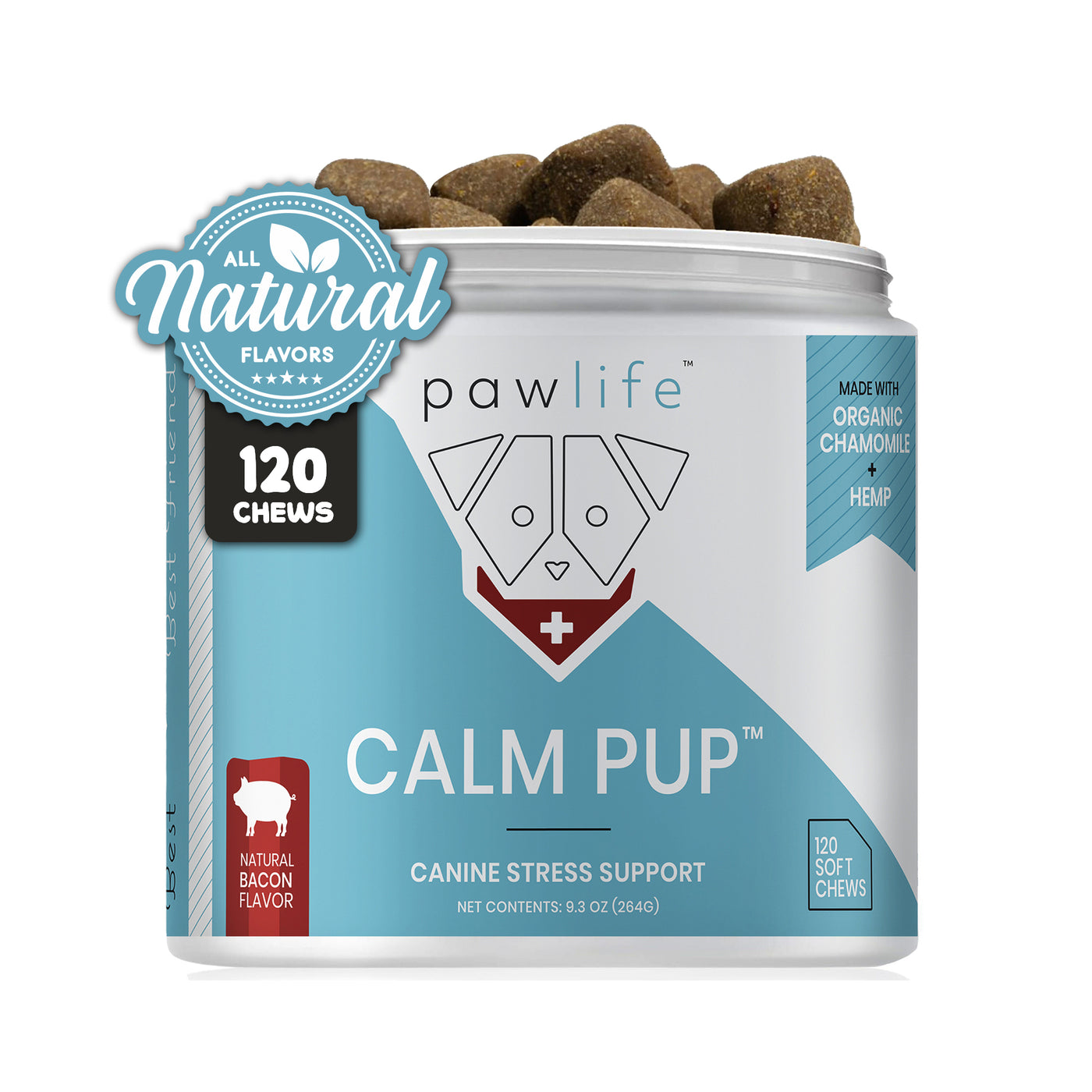
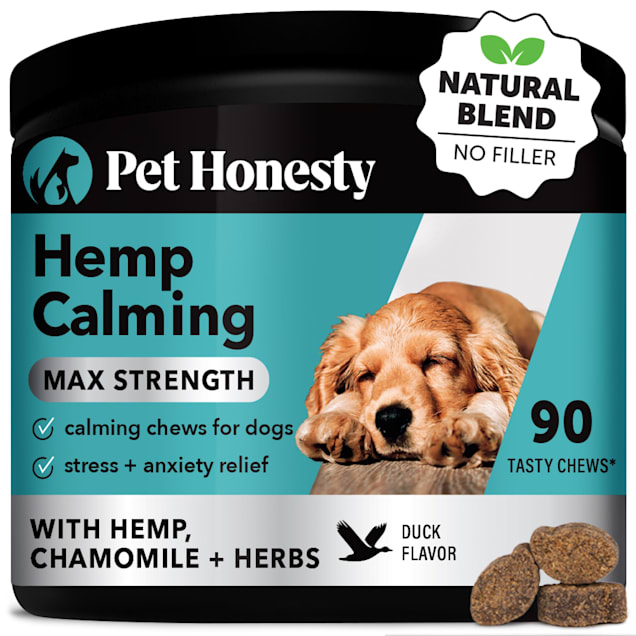
Supplements can help when you plan how to deal with dog anxiety naturally, but they work best with training and routine. Natural does not mean risk-free. Always ask your vet first, as dosing and mix with meds matter.
Options to discuss with your vet:
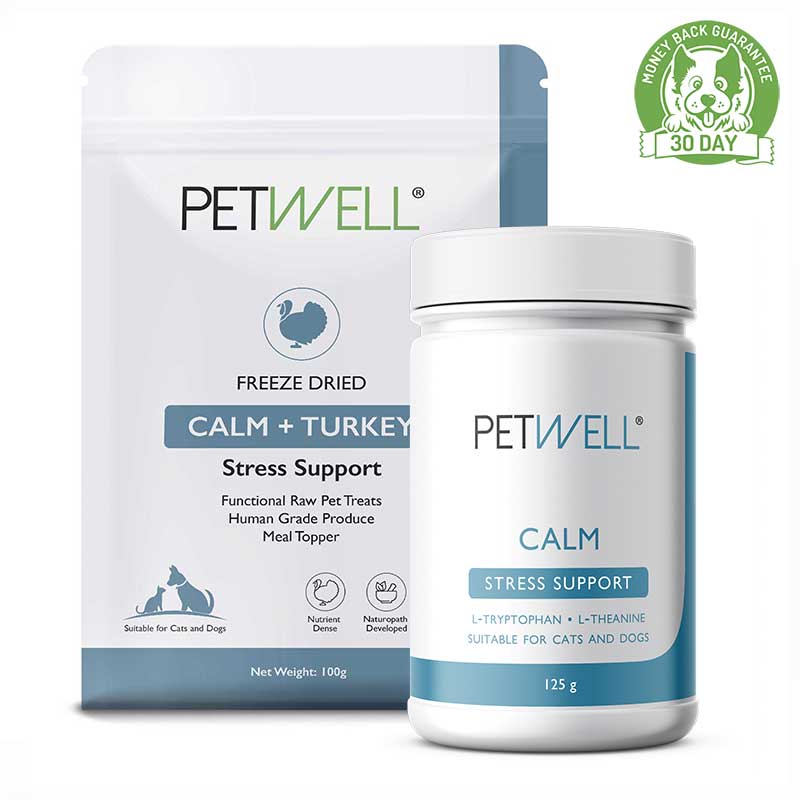
- L-theanine: research in dogs shows it can reduce fear scores and help settle arousal.
- Alpha-casozepine (milk protein): may support calm in mild to moderate cases.
- Omega-3s (fish oil): support brain health and may reduce stress markers.
- Probiotics: some strains can influence the gut-brain axis and mood.
- Melatonin: sometimes used short-term for noise events; vet guidance is key.
- Herbal blends (chamomile, valerian, passionflower): evidence is mixed; quality and dosing vary.
- CBD: some owners report benefits, but product quality and THC risk are concerns; only use vet-guided products designed for pets.
Nutrition basics also count:
- Steady feeding times.
- Balanced diet with enough protein.
- Avoid sudden diet changes before stressful events.
Track results for two to four weeks. Keep only what helps.
Tackling Common Anxiety Triggers
Here is how to deal with dog anxiety naturally in common cases. The goal is to pair calm management with gentle training.
Separation distress:
- Start with very short absences. Leave for a few seconds, return before panic.
- Use a camera to watch signs. Add time only when your dog stays calm.
- Give a safe chew and white noise. Skip high-energy goodbyes.
Noise phobia (storms, fireworks):
- Play low-volume storm sounds while you pair treats or play.
- Use sound masking, pressure wraps, and a den space.
- For big events, prep days ahead with your vet’s plan.
Strangers or dogs:
- Keep distance where your dog can look and then look back to you.
- Mark and treat for calm glances at the trigger.
- Leave before your dog tips into fear.
Vet visits:
- Happy visits: stop by for treats, no procedures.
- Train a chin rest or mat settle.
- Ask about pheromones and pre-visit calming aids.
Car anxiety:
- Feed meals in a parked car, door open. Build slow.
- Short drives paired with a sniff walk at the end.
- Use a safe restraint and cool air.

Source: org.uk
When Natural Tools Are Not Enough
It is still part of how to deal with dog anxiety naturally to know your limits. If your dog cannot eat, sleep, or learn due to fear, get help fast. Severe cases may need meds to lower fear so training can work. That is not a failure. It is humane care.
Seek a vet or a certified behavior professional if you see:
- Panic-level destruction or escape attempts.
- Self-harm, weight loss, or chronic gut issues.
- No progress after four to six weeks of steady work.
A blended plan often wins: meds plus kind training plus routine plus enrichment.
Field Notes: What Has Worked for My Clients
I learned how to deal with dog anxiety naturally over years of work with families. Two quick snapshots show the mix that helps.
The storm dog:
A herding mix shook at the first rumble. We built a den, used white noise, and paired low storm sounds with L-theanine (vet-approved). We practiced two minutes a day. By week four, he ate and played through a real storm.
The home-alone howler:
A young hound shredded doors. We reset to one-minute absences, used a camera, and gave a frozen lick mat at each step. We raised time only on calm days. At week six, he reached 45 minutes with no howls. Owners cried happy tears.
A Gentle 14-Day Starter Plan
Use this plan to practice how to deal with dog anxiety naturally. Keep sessions short. Log what works.
Days 1–3:
- Build a calm routine. Add one sniff walk daily.
- Create a den space. Start scatter feeding.
- Teach a three-breath settle: you breathe slow, reward calm.
Days 4–7:
- Start tiny-trigger training at a safe distance.
- Add one food puzzle per day.
- Play two minutes of soft tug or fetch, then a calm chew.
Days 8–11:
- Raise trigger level one notch if your dog stays relaxed.
- Add white noise during naps.
- Try a vet-approved calming aid.
Days 12–14:
- String two calm wins back-to-back each day.
- Test a short, easy challenge. End on success.
- Review your log. Keep what works. Drop what does not.
Frequently Asked Questions of how to deal with dog anxiety naturally
What is the fastest first step to calm an anxious dog?
Start by lowering the trigger and adding structure. Use a quiet space, a sniff walk, and a safe chew to reset the nervous system.
Can I fix anxiety without medication?
Many dogs improve with routine, training, and natural aids. If fear blocks learning, meds from your vet can help you reach the goal faster and safer.
Are calming chews safe?
Some are safe and helpful, but quality and dosing vary. Always ask your vet before starting any new supplement.
How long until I see results?
Mild cases may shift in two to four weeks. Moderate to severe anxiety can take months, but steady, small steps win.
Do crates help or hurt anxious dogs?
A crate helps if it is a choice-based den, never a punishment. Keep the door open at first and add value with chews and calm time.
Conclusion
You now have a clear path to help your dog feel safe again. Blend routine, enrichment, kind training, and vet-guided natural aids. Track the small wins. They add up fast.
Start today with one sniff walk and a calm den space. Then build five-minute sessions into your week. If you need help, reach out to your vet or a certified behavior pro. Want more guides like this? Subscribe, share your progress, or drop a question in the comments.

Pet Care Writer & Researcher
Daniel writes practical guides on daily care, feeding, and safety, turning complex topics into simple, actionable advice.