How To Feed A Dog On A Schedule: Vet-Approved Tips 2026
Learn how to feed a dog on a schedule with easy routines, portion tips, and vet-backed timing. Build healthy habits and prevent overeating.
Feed at the same times each day, measure portions, and stick to the plan.
If you want calm meals, steady weight, and fewer tummy upsets, you need a plan. Here, I’ll show you how to feed a dog on a schedule with clear steps, real examples, and pro tips I use with clients. You’ll learn what to feed, when to feed, and how to adjust for age, size, and busy days—so meals work like clockwork and your dog thrives.

Why a schedule is good for your dog
A feeding routine gives your dog a body clock. Hunger cues line up with mealtimes. Digestion gets smoother. House training is easier. Energy is more even through the day.
A schedule also helps you spot problems fast. If a dog that eats like a champ skips a meal, you know to check in. Research in canine care links steady routines to lower stress and better weight control.
In my work with new adopters, I’ve seen chaos turn to calm in one week. Once we set a plan, the dog stops begging, sleeps better, and seems more secure. That is the power of a simple, steady meal plan. If you ask how to feed a dog on a schedule, this is the why behind it.
Step-by-step: how to feed a dog on a schedule
Follow these simple steps. They work for most dogs and homes.
-
Pick meal frequency
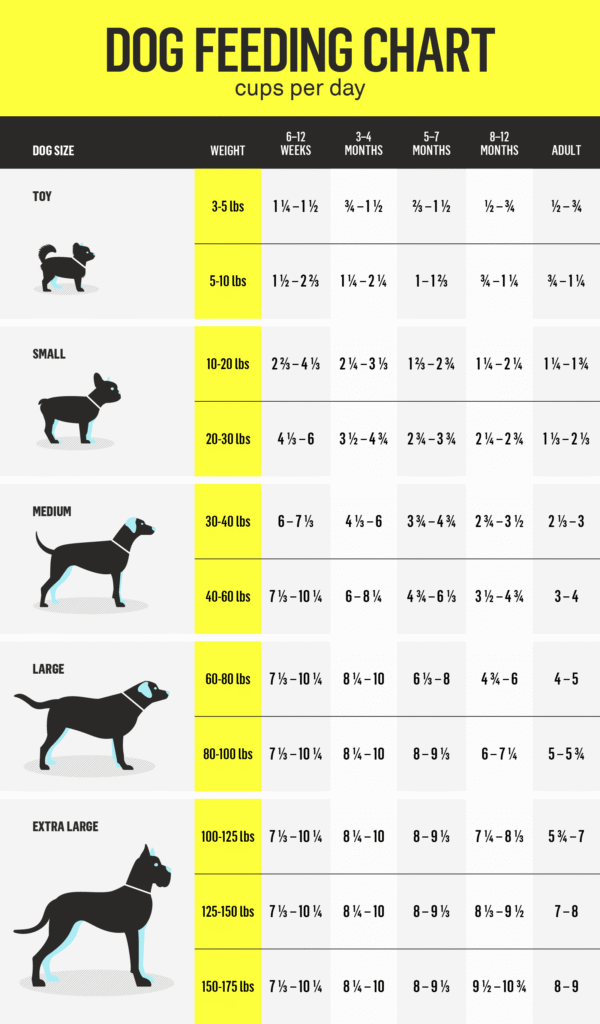
Choose based on age and health. Puppies need 3 to 4 meals. Most adult dogs do well on 2 meals. Many seniors still do well on 2, sometimes 3 smaller meals. This is the base for how to feed a dog on a schedule. -
Set meal times you can keep
Think 7 am and 6 pm, or 8 am and 7 pm. Keep times within a 30-minute window. Dogs love patterns. Pick times that match work, school, and sleep. This locks in how to feed a dog on a schedule without stress. -
Measure portions
Use a kitchen scale or a marked scoop. Start with the bag guide or vet advice. Adjust every 1 to 2 weeks based on body condition. You can learn how to feed a dog on a schedule and hit a stable weight with this habit. -
Serve, then remove leftovers
Give 15 minutes to eat. Remove the bowl if food remains. This builds appetite at the next meal and reduces grazing. It also keeps pests away. -
Time water and exercise
Water should be out all day. But for dogs prone to bloat, limit heavy play 60 minutes after meals. Light sniff walks are fine. Save fetch or runs for later. -
Track treats
Treats count. Keep them under 10 percent of daily calories. Swap in a bit less at dinner if training was heavy. -
Introduce changes slowly
Shifting times? Move by 15 to 30 minutes per day. New food? Mix over 5 to 7 days. Slow change means fewer tummy upsets.
Pro tip: Place meals near the same mat or spot each time. This helps anxious dogs feel safe and ready to eat. It is a small win in how to feed a dog on a schedule.
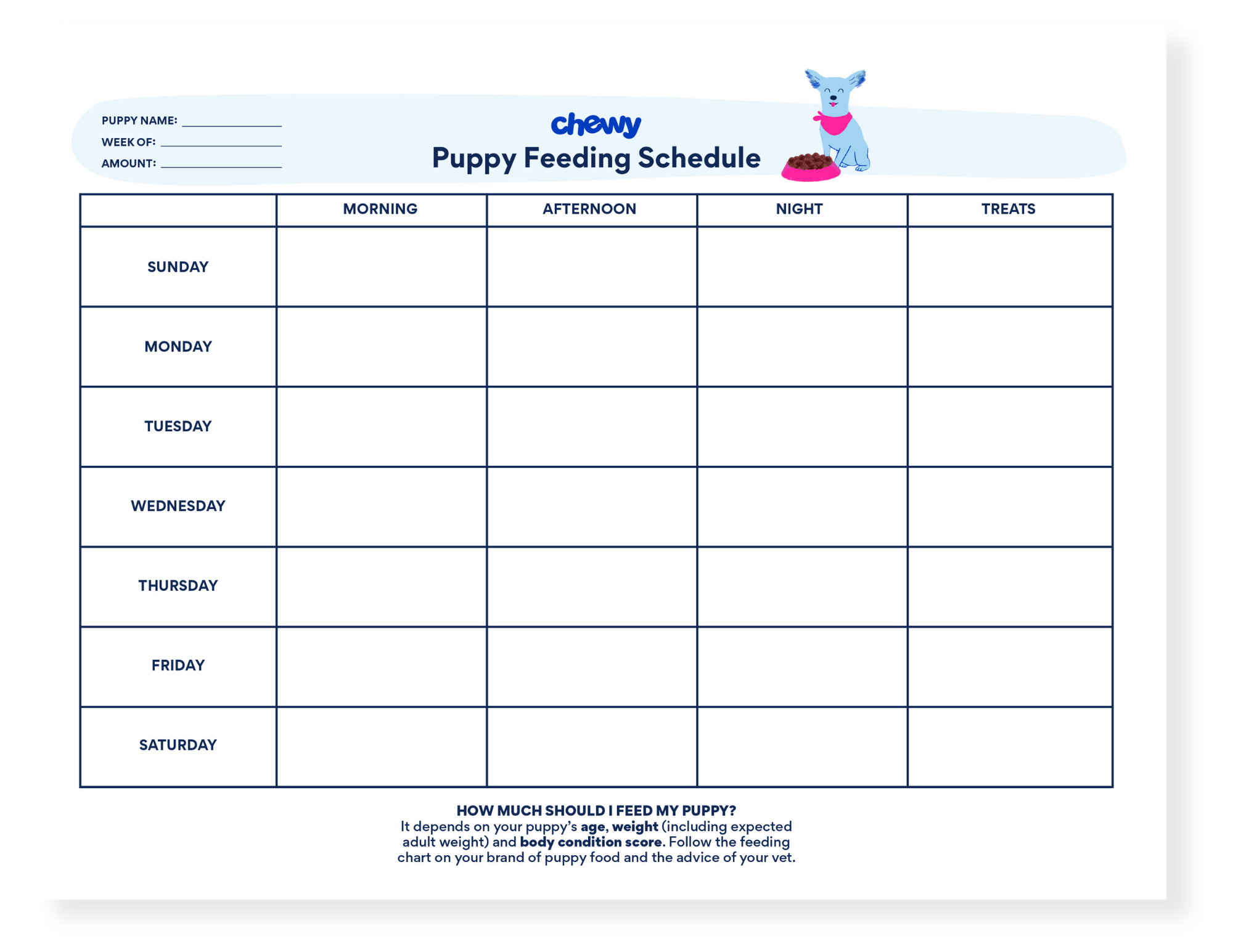
Meal timing by life stage
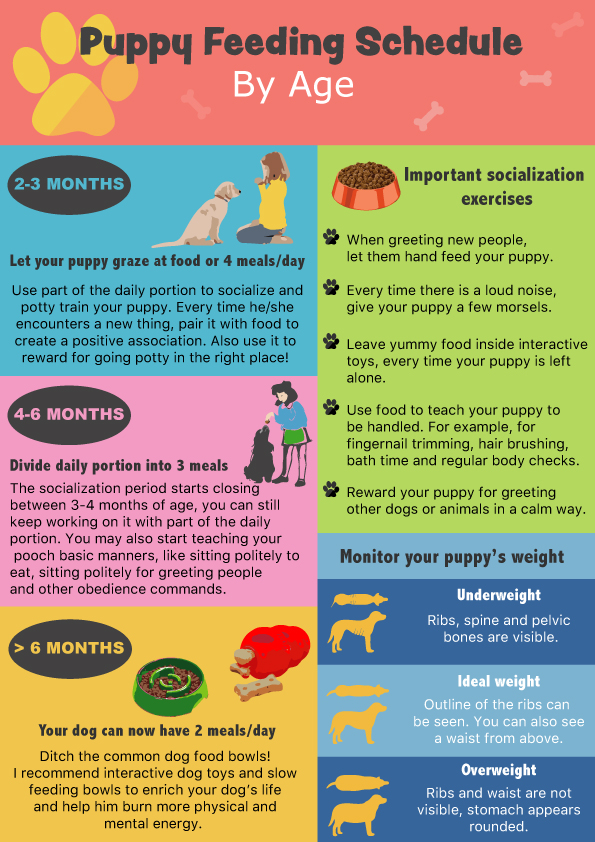
Puppies
- 8–12 weeks: 4 meals at set times.
- 3–6 months: 3 meals.
- 6–12 months: Move toward 2 meals as growth slows.
Adults
- 1–7 years: 2 meals work best. Tie meals to wake-up and dinner time. This keeps energy steady and reduces begging.
Seniors
- 7+ years: 2 meals are fine. Some dogs do better with 3 smaller meals. This eases digestion and keeps blood sugar steady.
Special cases
- Toy breeds may need 3 meals to avoid dips in blood sugar.
- Large, deep-chested breeds may do best with 2 to 3 smaller meals to reduce bloat risk.
- Dogs with diabetes or kidney disease need vet-set times. Ask for a schedule that locks in how to feed a dog on a schedule based on meds and labs.
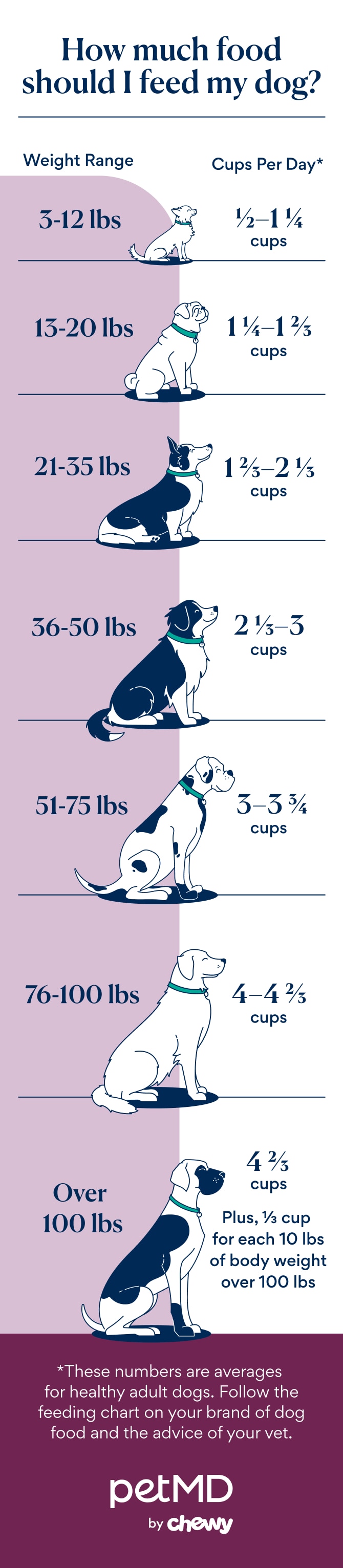
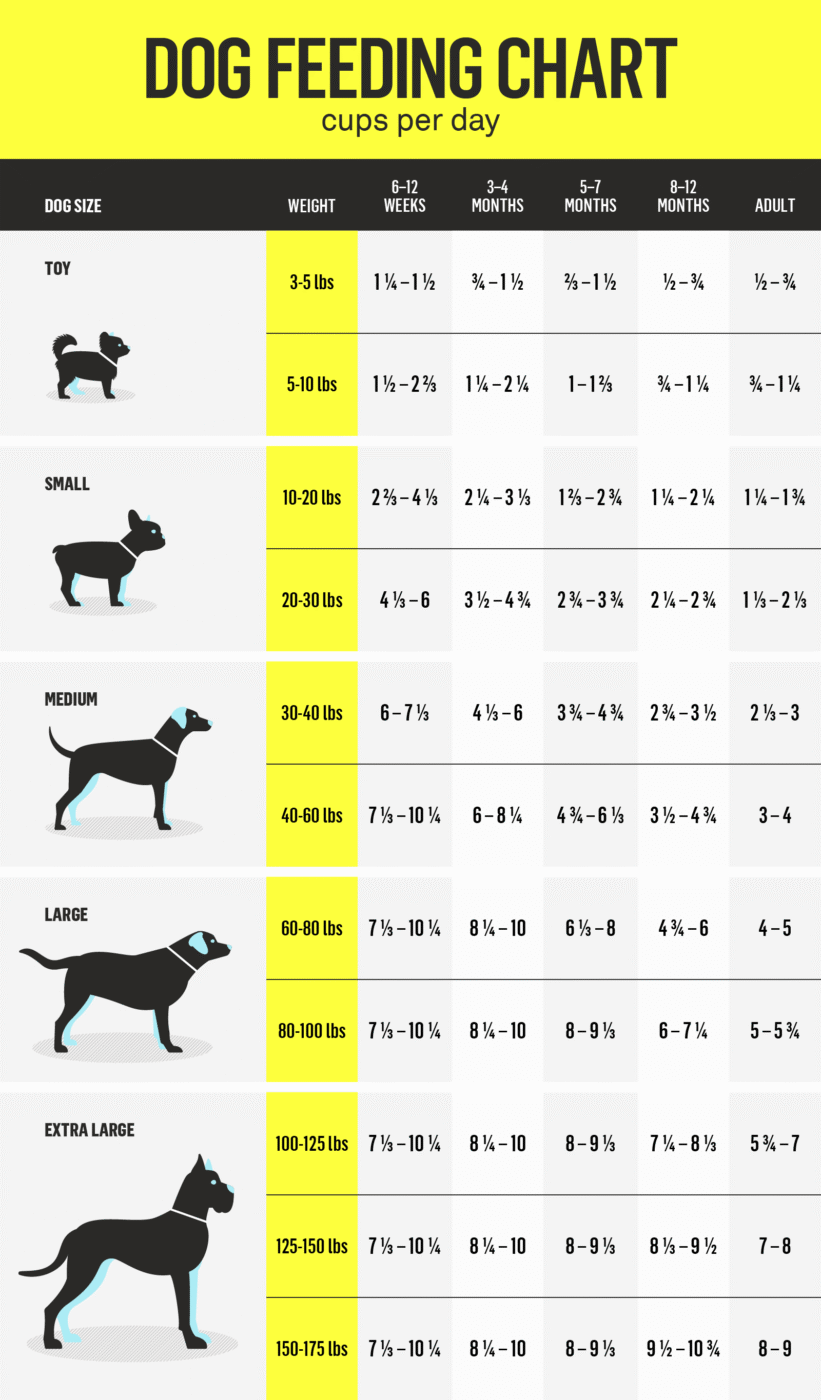
What and how much to feed at each meal
Choose a complete, balanced diet that fits age, size, and health. Look for clear feeding guides and quality protein. Wet, dry, or mixed can all be fine if they fit your dog and your budget.
How much
- Start with the label guide for your dog’s ideal weight, not current weight if overweight.
- Split by number of meals.
- Adjust every 1–2 weeks based on the ribs test and waist view. Aim for a visible waist and easy-to-feel ribs without pressing.
What to watch
- If stools get loose, cut back 10 percent and slow treat use.
- If your dog acts hungry but keeps good weight, add low-calorie bulk like green beans.
- If your dog gains, trim total food by 10 percent and recheck in two weeks.
Hand feeding some meals can help shy or new rescue dogs. It builds trust and keeps the plan on track. This is a simple trick in how to feed a dog on a schedule without power struggles.
Real life fixes for busy days
We all miss a time now and then. Here is how to stay steady.
- Use an auto-feeder for breakfast if mornings are rushed.
- Prep pre-measured baggies for the week. Grab and pour.
- If you are home late, send a sitter to feed at the normal time.
- Shift times by 15–30 minutes, not hours. Dogs handle small moves best.
- Keep a travel kit in the car. Food, collapsible bowl, and water.
If travel pushes you off the plan, return to your normal times the next day. Gentle resets protect how to feed a dog on a schedule long term.

Mistakes to avoid with scheduled feeding
These slip-ups are common and easy to fix.
- Free-feeding along with meals. This blurs hunger cues.
- Guessing portions. Use a scale or scoop.
- Big swings in meal times. Keep within 30 minutes.
- Too many treats. Keep it under 10 percent of daily calories.
- Skipping walks. Light walks help appetite and gut movement.
I once worked with a sweet Lab who “could not” lose weight. We swapped the giant coffee mug scoop for a real 8-ounce cup, set firm times, and cut table scraps. She dropped 6 pounds in six weeks. Small, steady steps are the heart of how to feed a dog on a schedule.
Helpful tools to stay on track
Tools make habits easy. Pick what fits your style.
- Auto-feeders with portion control and app alerts.
- A kitchen scale for precise grams or ounces.
- Calendar reminders or smart speaker alarms.
- A simple meal log. Date, time, amount, and notes on stools or mood.
- Slow feeder bowls to pace fast eaters.
Use tools to support how to feed a dog on a schedule, not to replace common sense. If your dog seems off, check in, adjust, or call your vet.
Health checks and red flags
A schedule helps you catch changes fast. Act on these signs.
- Missed meals for more than 24 hours in a healthy adult.
- Vomit, diarrhea, or blood in stool.
- Fast weight change or a swollen belly.
- Pain when eating or tooth trouble.
- New thirst or peeing more than normal.
If you see one or more, call your vet. Share your meal log. This data helps the team guide how to feed a dog on a schedule that fits your dog’s health needs.
Sample daily schedules you can copy
Small adult dog, office hours
- 7:00 am: Walk, then breakfast.
- 12:30 pm: Short walk, training treats only.
- 6:30 pm: Walk, then dinner.
- 9:00 pm: Calm play and water top-up.
Large active adult dog
- 6:30 am: Short walk, breakfast.
- Midday: Sniff walk.
- 6:30 pm: Dinner.
- 8:00 pm: Longer walk or play, not too soon after meals.
Puppy, 12 weeks
- 7:00 am: Breakfast.
- 12:00 pm: Lunch.
- 4:00 pm: Snack meal.
- 7:30 pm: Dinner.
- 9:30 pm: Potty break.
Use these as a base. Adjust to your life. Write it down. Take note of what works. This is how to feed a dog on a schedule and keep it smooth every week.
Frequently Asked Questions of how to feed a dog on a schedule
How many times a day should I feed my dog?
Most adult dogs do well on two meals a day. Puppies need 3–4 meals, and some seniors prefer 3 smaller meals.
Can I change meal times on weekends?
Yes, but keep shifts within 30–60 minutes. Larger jumps can upset digestion and hunger cues.
What if my dog does not finish the meal?
Pick up the bowl after 15 minutes and try again at the next set time. If this happens often, reduce portions slightly and watch for stress or illness.
Is free-feeding bad?
Free-feeding can lead to weight gain and missed health clues. Scheduled meals help you track appetite and maintain a healthy body weight.
Should I feed before or after walks?
Light walk first, then feed works well for many dogs. Save intense exercise for 60 minutes after meals, especially for large breeds.
How do I handle training treats with a schedule?
Keep treats under 10 percent of daily calories. Reduce meal size a little on heavy training days.
What if my work shift changes often?
Use auto-feeders, sitters, or doggy day care for stable times. Try to anchor at least one meal to a constant time each day.
Conclusion
A steady meal plan builds health, calm, and trust. Pick times you can keep, measure food, and log results. Adjust with small steps and watch your dog thrive.
Try the plan for 14 days. Note weight, stools, and mood. If you need help, ask your vet and refine how to feed a dog on a schedule for your dog’s age, size, and health. Want more guides like this? Subscribe, share your wins, or drop your questions in the comments.

Pet Care Writer & Researcher
Daniel writes practical guides on daily care, feeding, and safety, turning complex topics into simple, actionable advice.