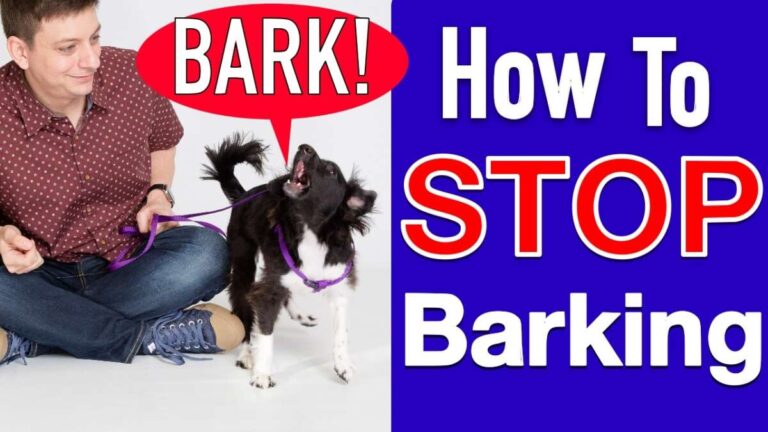
How To Get My Dachshund To Stop Barking: Quick Fixes
Learn how to get my dachshund to stop barking with gentle training tips, calming techniques, and practical solutions for a quieter, happier home.
Teach the trigger, reward quiet moments, meet daily needs, and use calm, consistent training to reduce barking.
Learning how to get my dachshund to stop barking starts with understanding what the bark means. Dachshunds are alert, clever, and quick to sound the alarm, so punishment often adds fear instead of silence. This guide explains the causes, training steps, home changes, and safety checks that can help your dog become calmer without losing their lively personality.
Why Dachshunds Bark So Much
Dachshunds were bred to hunt badgers. Their loud bark helped people find them underground. That history still shapes their behavior today.
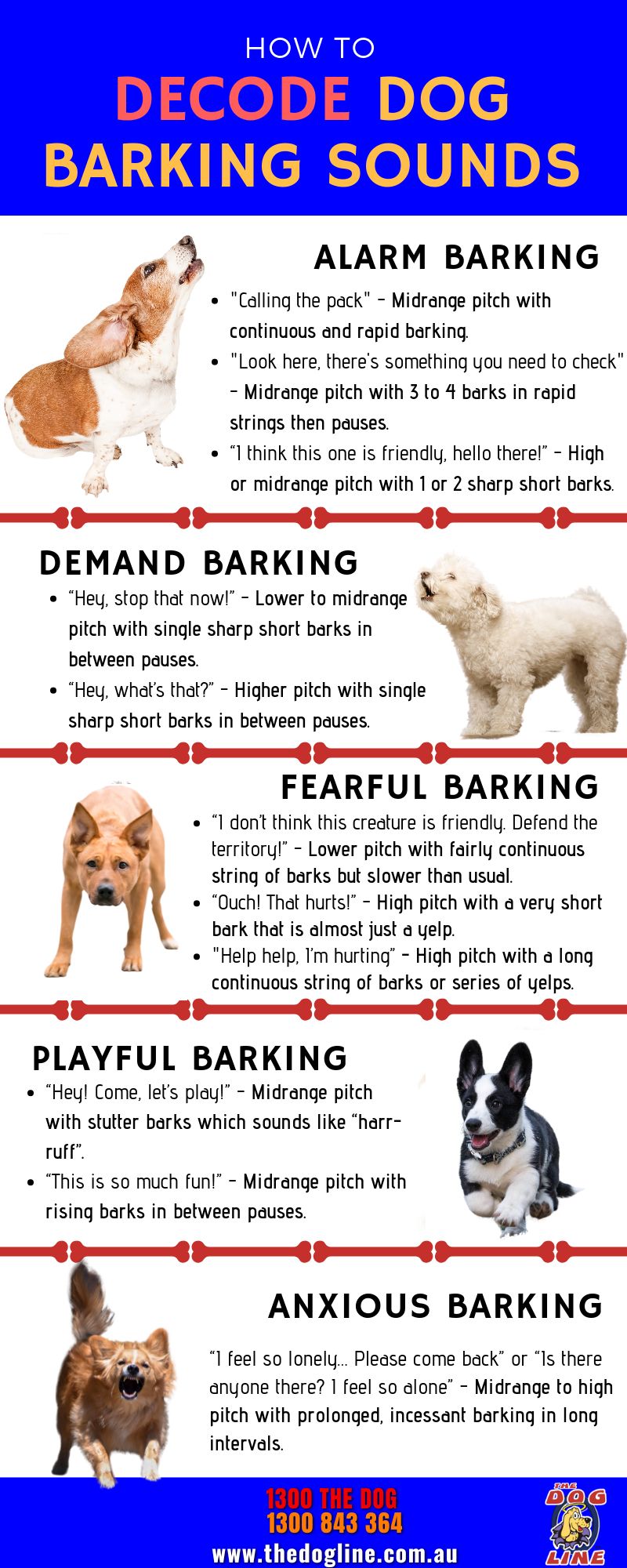
A dachshund may bark to warn you, ask for attention, show fear, or release excitement. Some dogs bark when they feel bored or trapped. Others bark because a sound, person, dog, or moving object has become a trigger.
The first step in how to get my dachshund to stop barking is to find the reason behind the noise. Barking is a form of communication. It is not always bad behavior.
Common causes include:
• Alarm barking at people, cars, pets, or sounds
• Demand barking for food, play, or attention
• Fear or stress caused by strangers, travel, or loud noises
• Boredom and a lack of exercise
• Separation distress when you leave
• Pain, hearing loss, or other health changes
• Excitement during play or greetings
Watch what happens before, during, and after each barking episode. Keep a simple log for three days. Note the time, trigger, location, length of the barking, and what your dog received afterward.
For example, if your dachshund barks at the window and you lift them up, barking may become a successful way to get attention. If barking makes you open the door, your dog may learn that noise controls the door.

Rule Out Health and Anxiety Problems
A sudden change in barking needs attention. A dog that becomes noisy overnight may be reacting to pain, illness, hearing changes, or confusion.
Schedule a veterinary exam if your dog:
• Starts barking much more than usual
• Barks at empty spaces or seems confused
• Whines, pants, paces, or cannot settle
• Barks when touched or lifted
• Shows changes in sleep, appetite, thirst, or bathroom habits
• Struggles to stay alone
Older dachshunds can develop age-related changes that affect sleep and behavior. Back pain also deserves special care because dachshunds have a higher risk of spinal problems. Never assume that a behavior issue is only a training problem.
Separation anxiety is another important concern. A dog with separation anxiety may bark, howl, scratch doors, destroy items, or have accidents only when alone. This problem often needs a gradual behavior plan with help from a veterinarian or a certified behavior professional.
Avoid using a shock collar or harsh corrections for fear-based barking. These tools may stop the sound for a moment, but they can increase fear and make the trigger more dangerous in your dog’s mind. Reward-based training is safer and supported by major veterinary behavior groups.

Use the “Quiet” Training Method
Teaching a quiet cue is one of the most useful parts of how to get my dachshund to stop barking. The goal is not to shout over your dog. The goal is to teach a clear response that earns a reward.
Follow these steps:
-
Find a low-level trigger. Ask a helper to knock softly, or use a mild sound.
-
Let your dog bark once or twice. Do not wait for a long barking storm.
-
Hold a small, tasty treat near your dog’s nose. Most dogs pause to sniff.
-
The instant your dog is quiet, say “quiet” in a calm voice.
-
Give the treat at once.
-
Wait a few seconds, then repeat.
-
Slowly increase the quiet time before giving the reward.
Keep each session short. Five minutes is enough for many dogs. Practice when your dachshund is calm, not only during a major outburst.
Timing matters more than volume. If you say “quiet” while your dog is still barking, the word may become background noise. If you reward too late, your dog may not understand which behavior earned the treat.
A useful rule is simple: barking does not earn rewards, but calm behavior does. Reward your dog for looking at you, taking a breath, sitting, or walking away from the trigger.
Teach an Alternative Behavior
Stopping barking is easier when your dog has another job. A dachshund cannot bark, run to the window, and lie on a mat at the same time.
Choose one simple behavior, such as:
• Touching your hand with the nose
• Sitting on a mat
• Looking at you
• Picking up a toy
• Going to a bed
Train this behavior away from distractions first. Say “place,” guide your dachshund to the mat, and reward them for staying there. Add time in small steps.
Next, practice with a mild trigger. When your dog notices a person outside, say “place.” Reward your dog for moving to the mat and staying quiet. If your dog cannot respond, the trigger is too strong. Move farther away or make the sound softer.
This approach is called replacement behavior training. It gives your dog a safe answer to the question, “What should I do now?” In real homes, this often works better than repeating “no” all day.
One lesson that helps many owners is to train before the problem peaks. Once a dachshund is barking, spinning, and racing around, learning becomes much harder. Catch the first glance toward the trigger and reward calm attention early.

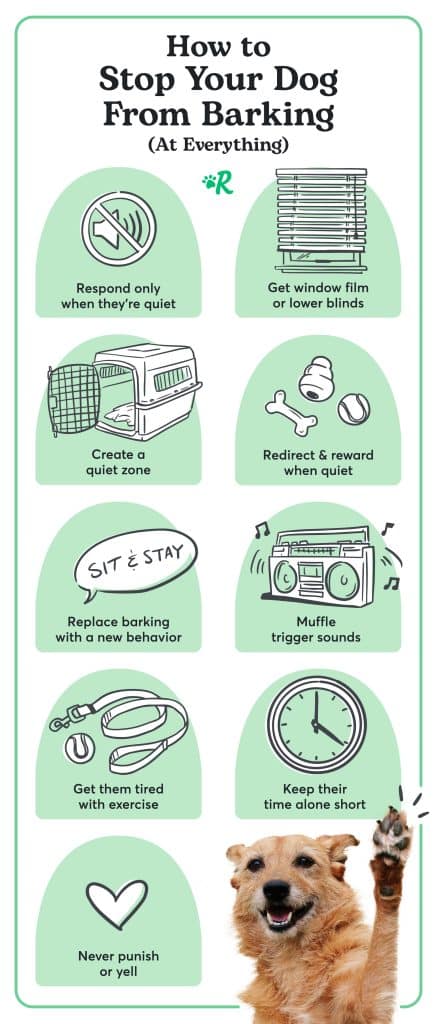
Reduce Barking Triggers at Home
Training works best when your home setup supports it. Every repeated barking episode gives the habit more practice.
Try these changes:
• Close curtains or use window film to block street views
• Move furniture away from windows
• Use a baby gate to limit access to busy rooms
• Run a fan or soft music to cover outdoor sounds
• Give your dog a quiet resting area
• Ask visitors to ignore your dachshund at first
• Keep your dog away from the front door during deliveries
• Use food puzzles during busy parts of the day
Do not let your dachshund spend hours guarding the yard or watching the street. Outdoor barking can become self-rewarding. Each bark may make a person walk away, which can convince your dog that barking worked.
For door barking, toss treats away from the door when someone knocks. This moves your dog’s body and attention away from the entry. With practice, the knock can become a signal to run to a mat instead of rushing the door.
Management is not giving up. It is like putting a fence around a garden while you teach a dog not to dig. It prevents rehearsal while new habits grow.
Meet Your Dachshund’s Daily Needs
A tired dog is not always a quiet dog, but an under-stimulated dog often has more energy to spend on barking. Dachshunds need both physical activity and mental work.
A balanced daily plan may include:
• Two or three short walks
• Slow sniffing time outdoors
• Food puzzles or scatter feeding
• Short obedience sessions
• Safe play with toys
• Chew items approved for your dog
• Calm rest after activity
Sniffing is especially useful. A walk that allows your dachshund to explore can be more satisfying than a fast walk around the block. Let your dog pause, smell, and process the world when the area is safe.
Do not rely on exercise alone. Some dogs become fitter and more excitable when owners only add long runs. Pair movement with calm training, chewing, and rest.
A simple routine can help. For example, offer a morning walk, breakfast in a puzzle toy, a short training session, and a quiet nap. Predictable days can lower stress and make barking easier to manage.

Handle Attention and Demand Barking
Demand barking can be frustrating because it often works. If your dog barks and receives food, eye contact, play, or a door opening, the behavior gains strength.
To change the pattern:
-
Check that your dog’s basic needs are met.
-
Avoid yelling, pushing, or staring.
-
Wait for a brief pause.
-
Ask for a calm behavior, such as sit.
-
Reward the calm behavior with attention or access.
-
Repeat the same response every time.
Expect barking to increase briefly when the old strategy stops working. This is called an extinction burst. Your dachshund may bark harder or longer before giving up. If you reward the louder burst, you may teach your dog to persist.
You do not need to ignore every sound. If your dog needs to go outside, seems hurt, or is genuinely frightened, respond with care. The goal is not to silence communication. The goal is to prevent barking from becoming the only way your dog gets results.

Help With Barking at People and Dogs
For barking at people or dogs, distance is your best friend. Start far enough away that your dachshund can notice the trigger and still eat a treat.
Use this pattern:
• Your dog sees the person or dog
• You say “yes” or use a clicker
• Your dog receives a treat
• You move away before barking begins
Over time, the trigger becomes a sign that good things happen. This is called counterconditioning. The gradual change in emotional response is more reliable than forcing close contact.
Never drag your dog toward a person or another dog. Do not insist on greetings. A small dog can feel trapped when a large person or dog approaches, and barking may be an attempt to create space.
If your dachshund lunges, snaps, or cannot take food, work with a qualified reward-based trainer or veterinary behaviorist. Safety comes first. Use a secure harness and leash, and avoid crowded areas while training.

Manage Barking When You Leave
If barking happens only when you leave, practice very short absences. Start by picking up your keys, then sitting down. Next, step outside for one or two seconds and return before your dog becomes upset.
Build time slowly. Some dogs need increases of only a few seconds. A camera can help you see whether your dog settles or becomes distressed after you leave.
Helpful steps include:
• Give a food toy before departure
• Keep arrivals and departures calm
• Exercise your dog earlier, not immediately before leaving
• Use a quiet room with familiar bedding
• Avoid long absences during early training
• Ask a friend or sitter to help when needed
Do not use “cry it out” for a dog showing serious panic. Severe distress can worsen with repeated exposure. A veterinarian may discuss behavior treatment, medication, or a referral to a qualified professional.
Common Mistakes to Avoid
Many owners are kind and careful but still make training harder without realizing it. The most common mistake is inconsistency.
Avoid these errors:
• Shouting “quiet” again and again
• Rewarding barking with treats after a long outburst
• Using punishment for fear or anxiety
• Training only during emergencies
• Expecting silence after one session
• Giving too much freedom too soon
• Ignoring pain or sudden behavior changes
Another mistake is demanding perfect silence. A healthy dachshund may still bark at an unusual sound. A realistic goal is fewer episodes, shorter episodes, and faster recovery.
Progress may come in waves. Travel, visitors, illness, storms, and changes at home can cause setbacks. Return to an easier step instead of assuming the training failed.
A Simple Two-Week Training Plan
A plan makes how to get my dachshund to stop barking more practical. Keep treats small, use rewards your dog loves, and stop each session while your dog is still successful.
Days 1 through 3
Track every barking trigger. Block the biggest visual triggers and reward quiet behavior during normal daily life.
Days 4 through 6
Teach “quiet” in a calm room. Practice five times per day for one to three minutes.
Days 7 through 9
Teach a mat or “place” behavior. Reward your dachshund for going there and relaxing.
Days 10 through 12
Practice with mild versions of real triggers. Use distance, soft sounds, or a helper.
Days 13 and 14
Add small distractions. Continue managing windows, doors, and outdoor access.
Measure progress by writing down:
• How often barking starts
• How long it lasts
• How quickly your dog responds
• How much distance your dog needs from a trigger
This record shows small gains that may be easy to miss. It also tells you when to seek professional help.
Frequently Asked Questions About How to Get My Dachshund to Stop Barking
Why does my dachshund bark at everything?
Dachshunds are alert hunting dogs, so they may react to sounds, movement, people, and animals. Fear, boredom, pain, attention seeking, and lack of training can also increase barking.
Should I yell at my dachshund to make it stop barking?
No. Yelling can sound like barking and may increase excitement or fear. Use a calm cue, create distance from the trigger, and reward quiet behavior.
How long does it take to stop a dachshund from barking?
Many dogs show early improvement within a few weeks of daily practice. The timeline depends on the cause, the dog’s age, the strength of the habit, and how consistent the household is.
What is the best command for barking?
“Quiet” can work when it is taught with rewards and good timing. It is also helpful to teach a replacement behavior, such as going to a mat or looking at you.
Will more exercise stop my dachshund from barking?
Exercise can help when boredom adds to the problem, but it is not a complete solution. Your dog also needs mental stimulation, calm training, rest, and trigger management.
Should I use a bark collar?
Bark collars are not a first choice, especially for fear, anxiety, or aggression. Reward-based training and professional guidance are safer ways to change the cause of barking.
When should I contact a professional?
Contact a veterinarian for sudden barking, signs of pain, or major anxiety. Seek a qualified reward-based trainer or veterinary behaviorist if your dog lunges, bites, panics when alone, or does not improve with consistent training.
Conclusion
The best way to learn how to get my dachshund to stop barking is to treat barking as information, not defiance. Find the trigger, rule out health issues, prevent repeated rehearsals, teach a quiet cue, and reward a better behavior.
Keep sessions short and stay consistent. Your dachshund may always have an opinion, but with patience, clear limits, and positive training, that opinion does not need to fill the whole house. Start with one trigger today, track your progress, and explore trusted veterinary or training resources if you need extra support.

Pet Care Writer & Researcher
Daniel writes practical guides on daily care, feeding, and safety, turning complex topics into simple, actionable advice.