How To Give Dog Medicine Safely: Vet-Approved Tips 2026
Learn how to give dog medicine safely with vet-approved steps, smart hiding tricks, and dosing tips to reduce stress and avoid mistakes.
Give meds with vet guidance, correct dose, gentle handling, and reward calm behavior.
If you have ever chased your dog around the house with a pill, you are not alone. I have helped hundreds of dog owners learn how to give dog medicine safely, and I have made a few mistakes along the way too. In this guide, I will show you clear, simple steps that work in real homes. You will learn how to give dog medicine safely with less stress, better results, and more trust between you and your pup.
Why safe dosing and handling matter
Learning how to give dog medicine safely protects your dog from harm and helps the drug work as it should. The right dose, timing, and method all matter. Too much can cause side effects. Too little can fail to treat the problem.
A few key risks to know:
- Some human drugs are toxic to dogs, even in tiny amounts.
- Certain tablets should never be crushed or split.
- Giving pills or liquids the wrong way can cause choking or aspiration.
Always read the label and follow your veterinarian’s plan. If anything on the label is unclear, call your vet before you dose.

Prep checklist before you give any drug
A simple setup makes dosing smooth. It is a big part of how to give dog medicine safely.
Do this before you start:
- Confirm the prescription name, strength, and dose.
- Check timing with or without food.
- Gather tools like a pill pocket, small treats, a 1–5 mL oral syringe, or a towel.
- Plan a high-value reward like cheese or a favorite play.
- Set up a calm spot away from other pets.
- Wash your hands before and after handling medicine.
- Start a simple log for dose time, amount, and notes.
Personal tip: I stage a “practice party” first. I run through the motions, but I only give treats. This primes your dog to expect good things.

How to give pills and capsules
This is where most owners struggle with how to give dog medicine safely. Use the least stressful method that still ensures the full dose.
Try these methods, in order:
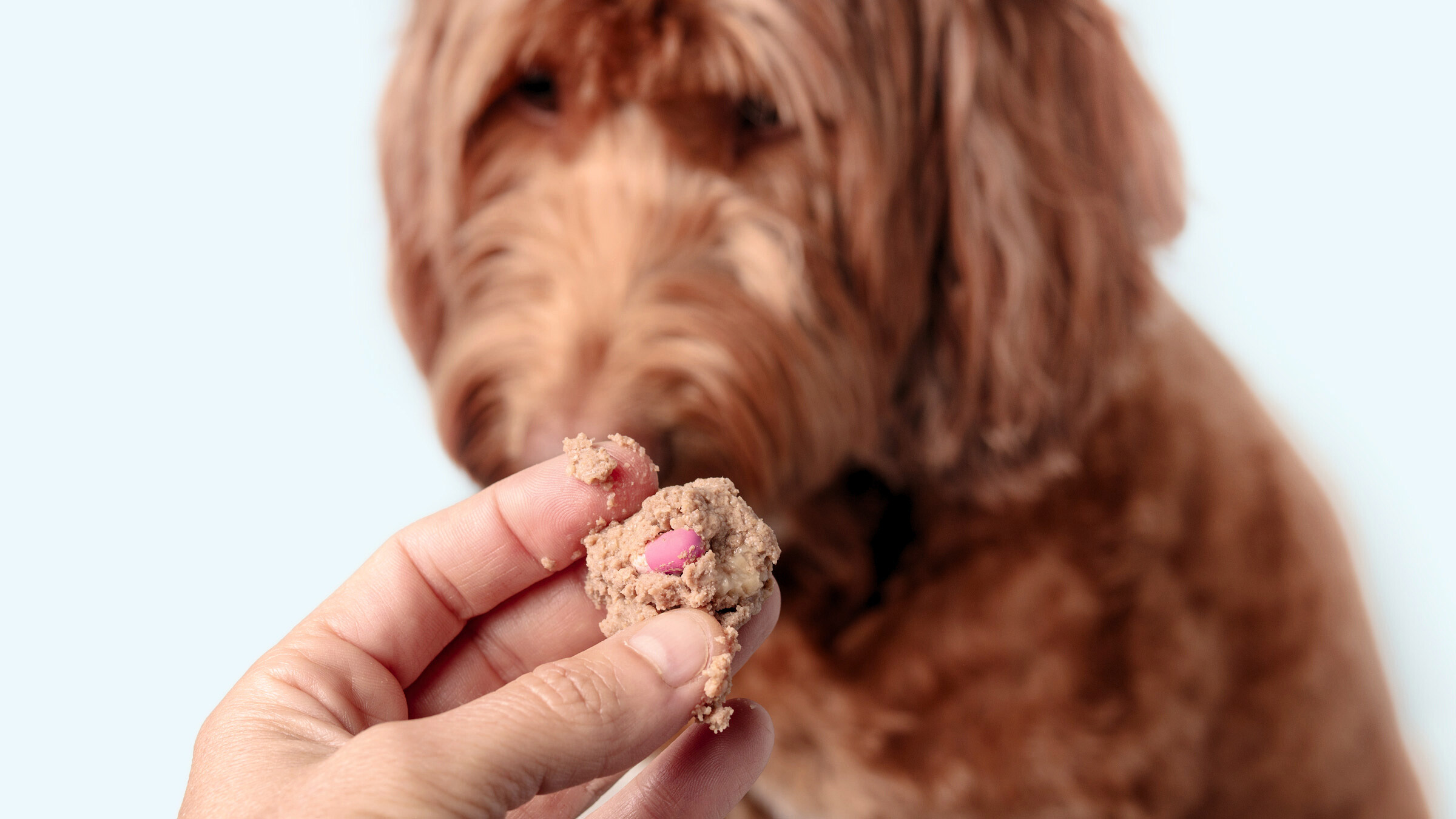
- Hide in a soft treat. Use a pill pocket or a small ball of cream cheese, canned food, or banana. Give a plain treat, the “pill treat,” then another plain treat in quick sequence.
- Use a food wrap. Place the pill in a tiny meatball of wet food. Make it small so your dog swallows without chewing.
- Hand pill when needed. Stand beside your dog. Tilt the head slightly up. Gently open the mouth from behind the canine teeth. Place the pill far back on the tongue, close the mouth, then stroke the throat. Offer a sip of water or a treat once swallowed.
- Use a pill gun if your dog resists. Aim the device to place the pill past the tongue base. Follow with a small water chaser.
Important safety notes:
- Never crush extended-release or enteric-coated tablets.
- Do not force or pin your dog down. That breaks trust.
- If your dog coughs or gags for more than a minute, stop and call your vet.
If you are still stuck on how to give dog medicine safely with pills, ask your vet about a flavored compound or a liquid form.

How to give liquid medicine
Liquids can be easier once you know the trick. This is a core skill in how to give dog medicine safely.
Follow these steps:
- Use an oral syringe with clear markings.
- Gently insert the tip into the cheek pouch, not straight down the throat.
- Give a small amount at a time so your dog can swallow.
- Keep the head level. Do not tilt it back.
- Praise, then reward right away.
Taste hacks:
- Ask your vet about flavoring.
- Follow with a small treat to clear the taste.
- Chill the medication if the label allows. Cold can dull bitterness.
Call your vet if your dog drools, foams, or refuses every time. A different formula may solve it.
How to give ear, eye, and skin meds
Topical meds need clean technique. It is part of how to give dog medicine safely without waste.
Ears:
- Check the plan for cleaning first or not.
- Gently hold the ear flap up so the canal points down.
- Place drops into the ear canal, not on the flap.
- Massage the base of the ear for 10–20 seconds.
- Let your dog shake. Wipe away extra with cotton, not swabs deep in the canal.
Eyes:
- Wash your hands. Have treats ready.
- Rest your hand on your dog’s head to steady it.
- Pull the lower eyelid down to make a small pouch.
- Drop the liquid or place a small ribbon of ointment. Do not touch the eye with the tip.
- Blink the eye by closing the lids gently.
Skin and spot-ons:
- Part the fur until you see skin.
- Apply where your dog cannot lick, often between the shoulder blades.
- Keep kids and other pets away until dry.
Injections at home (if your vet approves)
Some dogs need insulin or allergy shots. You can do this. It is still about how to give dog medicine safely with care and calm hands.
Steps that help:
- Check the dose twice. Keep insulin refrigerated if directed.
- Use the right syringe type. Match units to insulin.
- Rotate sites to avoid soreness.
- Make a skin tent between two fingers. Insert the needle bevel up at a shallow angle.
- Inject, count to two, then remove and praise.
- Dispose of sharps in a safe container. Never in the trash.
If you see blood, swelling, or pain at the site, call your vet.

Smart behavior tips for stress-free dosing
Training makes dosing easy over time. It also supports how to give dog medicine safely every day.
Try these:
- Break each step into tiny parts. Reward each step.
- Make dosing a routine tied to a walk, meal, or bedtime.
- Use a calm voice. Breathe out and smile. Dogs read your mood.
- If your dog says no, stop and reset. A short break beats a fight.
My go-to trick: a rapid-fire treat stream right after dosing. Ten small treats in ten seconds. It flips the feeling from fear to fun.
What if things go wrong?
Even with care, stuff happens. Plan now. That is part of how to give dog medicine safely under pressure.
If your dog spits out a pill:
- Check the floor and lips. Many dogs “fake swallow.”
- Wrap it again and try once more with a better treat.
- If it keeps failing, call your vet for options.
If you miss a dose:
- Give it when you remember, unless it is close to the next dose.
- If close, skip and return to schedule. Do not double up unless your vet says so.
If your dog vomits after dosing:
- Note the time. If it was soon after dosing, call your vet. A repeat dose may be needed.
Possible overdose signs:
- Lethargy, tremors, vomiting, black stools, agitation, or seizures.
- Call your vet, an emergency clinic, or a poison control hotline right away.
- Do not induce vomiting unless a vet tells you to.
Tracking, follow-up, and long-term safety
A simple log protects your dog and your peace of mind. It locks in how to give dog medicine safely over weeks or months.
What to track:
- Date, time, dose, and any notes on appetite, stools, mood, or skin.
- Reactions after new meds or dose changes.
- Reminders for refills and rechecks.
Check interactions with your vet before adding supplements. Some herbs, antacids, or pain meds can change how drugs work. For long-term meds like NSAIDs, steroids, or seizure drugs, ask about baseline labs and regular blood work. It keeps treatment safe.
Common mistakes to avoid
Avoid these pitfalls to master how to give dog medicine safely.
Watch out for:
- Giving human meds without vet approval.
- Crushing tablets that should not be crushed.
- Hiding pills in sugar-free peanut butter. Some contain xylitol, which is toxic.
- Forcing or chasing your dog. You may win the dose and lose trust.
- Skipping food when the label says give with a meal.
If you are ever unsure, pause and call your vet. A two-minute call can prevent a big problem.
Frequently Asked Questions of how to give dog medicine safely
How do I know if I should give medicine with food?
Check the label and ask your vet. Some meds need food to prevent stomach upset, while others work best on an empty stomach.
Can I split my dog’s pills?
Only if the pill is scored and your vet says it is okay. Do not split extended-release or enteric-coated tablets.
What if my dog bites when I try to give a pill?
Use food-hiding methods, a pill pocket, or a flavored liquid. Ask your vet about compounding or training help to reduce fear.
Is it safe to use peanut butter to hide pills?
Yes, if it does not contain xylitol. Read the label and choose simple ingredients.
How long should I try before calling the vet for help?
If you fail twice, stop and call. Your vet can change the form, flavor, or dosing plan.
Can I crush pills into my dog’s food?
Only if your vet approves and the drug allows crushing. Some pills taste bitter or lose effect when crushed.
What signs mean a bad reaction to medicine?
Watch for vomiting, diarrhea, hives, swelling, extreme lethargy, or behavior changes. Call your vet if you see any of these.
Conclusion
You now have a clear plan for safe dosing at home. From prep to pills to liquids, you know how to give dog medicine safely, cut stress, and protect your dog’s health. Small steps, calm hands, and great treats make a huge difference.
Put this guide to work today. Set up your dosing station, print a simple log, and practice with treats. If you found this helpful, subscribe for more pet care guides, share with a friend, or ask your question in the comments.

Pet Care Writer & Researcher
Daniel writes practical guides on daily care, feeding, and safety, turning complex topics into simple, actionable advice.