How To Help A Dog Lose Weight Safely: Vet-Approved Tips
Learn how to help a dog lose weight safely with vet-approved tips on diet, exercise, and portion control. Simple steps, real results—start today.
Create a vet-approved plan with measured meals, lean food, and daily exercise.
If you’re wondering how to help a dog lose weight safely, you’re in the right place. I’ve guided many pet parents through healthy, steady weight loss plans that protect muscle, support joints, and boost energy. In this guide, I’ll show you a clear, step-by-step plan that works in real life, backed by veterinary best practices and lessons from the field.

Start With a Vet Check and a Clear Goal
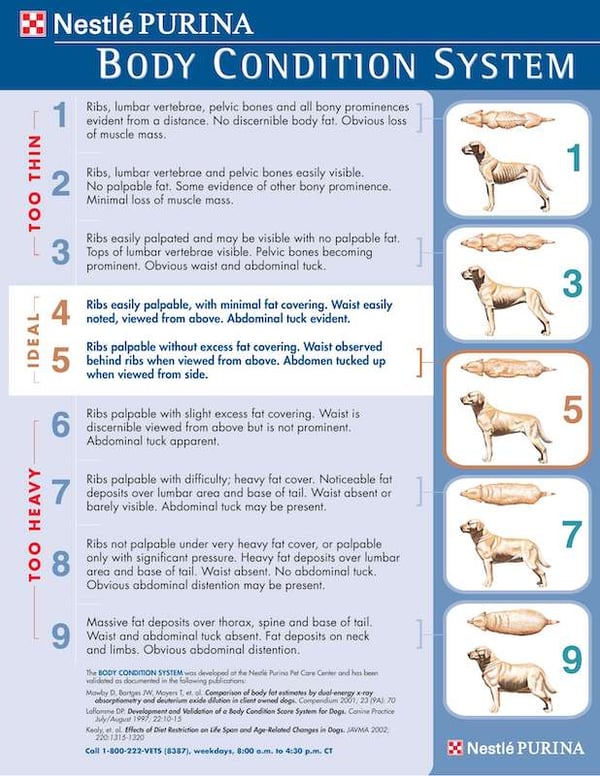
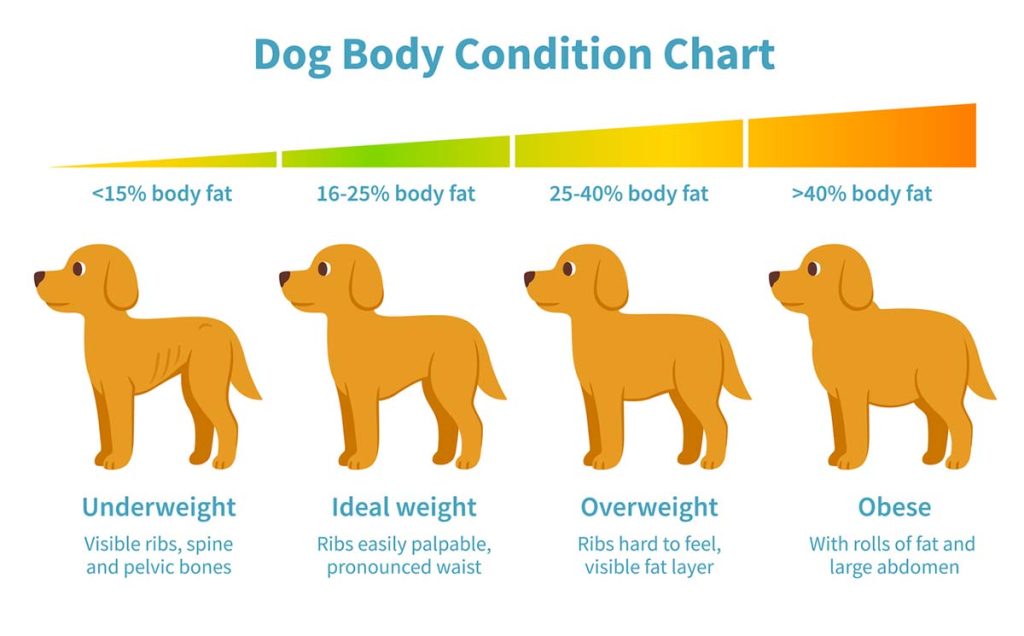
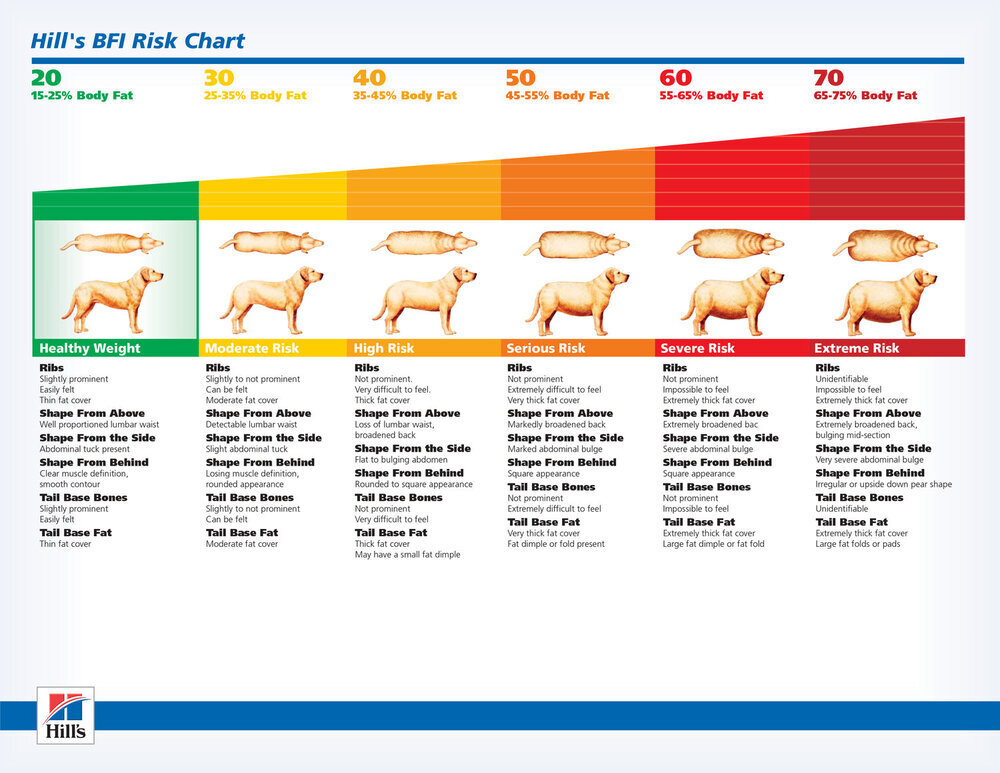
A safe plan starts at the clinic. Ask your vet to rule out issues that can block fat loss, like hypothyroidism or Cushing’s disease. Get a Body Condition Score (BCS) and a target weight. This number guides food choices, exercise, and progress checks.
Aim for a slow loss of 1 to 2 percent of body weight each week. That helps burn fat while keeping muscle. Your vet can set a daily calorie goal. A simple start is to feed around the resting energy need for the target weight, then adjust every two weeks. For example, a 30 lb dog aiming for 24 lb may start near 350 to 400 kcal per day, split into two meals.
Ask for a baseline blood test if your dog is middle-aged, senior, or on meds. Pain control for arthritis can raise activity and improve results. This is a key step in how to help a dog lose weight safely because it sets a safe and smart plan.

Build a Feeding Plan That Works
Food drives results. You want higher protein, more fiber, and fewer calories per cup. Choose a complete and balanced diet that meets AAFCO standards for adult dogs. Weight-management formulas help, but your vet can also suggest a therapeutic diet if needed.
Measure food by weight, not cups. A small kitchen scale can be your best tool. Split meals to twice a day to reduce hunger. Keep treats to under 10 percent of daily calories. Low-calorie options include green beans, cucumber, carrots, and small bits of apple. Skip grapes, raisins, onions, garlic, chocolate, and anything with xylitol.
Use slow feeders or puzzle bowls. They help your dog eat slower and feel full. If your dog begs, try a chew toy stuffed with part of the meal. This simple structure is core to how to help a dog lose weight safely without stress.
Design Safe, Steady Exercise
Start where your dog is today. Add time and intensity in small steps. A good plan adds about 10 percent more time each week. If your dog is very out of shape, begin with two 10-minute walks, then build from there.
Mix it up to keep joints happy and mind sharp:
- Brisk leash walks with short sniff breaks to lower stress.
- Interval walking. One minute brisk, one minute easy, repeat.
- Gentle hills or soft grass for strength.
- Swimming or underwater treadmill for low-impact work.
- Short toy games indoors on rainy days.
Watch for heat, sore paws, or heavy panting. Keep water with you. Training games also burn calories and build focus. This is a key part of how to help a dog lose weight safely, because movement boosts fat burn and preserves muscle.
Set Up Your Home for Success
Your home can make or break the plan. Post the daily food and treat budget on the fridge. Pre-portion meals in labeled containers. Ask family and neighbors not to hand out snacks. Keep treat jars out of sight to avoid “just one more.”
Use a feeding station in a calm spot. Add a food puzzle to each meal to slow intake. If you have more than one dog, feed them in separate rooms. That stops food stealing and lets you track who ate what. This daily setup supports how to help a dog lose weight safely with less friction.
Track, Review, and Adjust
Weigh your dog every 7 to 14 days. Use the same scale and time of day. Keep a simple log with weight, BCS notes, and weekly steps or walk time. Add a photo from the side and above each month to see shape changes.
If weight stalls for two weeks, trim the daily calories by 5 to 10 percent or add 10 minutes of walking. Do not slash food fast. That can cause hunger, muscle loss, and bad moods. If there is no change after 4 to 6 weeks, call your vet to review the plan and check for pain or medical blocks. Good tracking is the quiet engine of how to help a dog lose weight safely.
:max_bytes(150000):strip_icc()/DogWeight-chart-FINAL-ea188e08a73b4d3381ab261e0ded7210.png)
Real-Life Case Study: Milo the Labrador
Milo came to me at 82 lb with a BCS of 8/9. His target weight was 68 lb. We set a daily budget near 900 kcal with a high-protein, high-fiber diet. We split meals, used a gram scale, and capped treats at 80 kcal per day.
Walks began at 2 x 15 minutes and grew to 2 x 30 minutes with hills and short intervals. We logged weight every week. He lost about 1.3 percent per week. At week 10, he hit a plateau, so we trimmed 70 kcal and added one swim day. At week 16, he reached 68 lb, with better energy and muscle tone. His story shows how to help a dog lose weight safely with small, steady wins.

Common Mistakes to Avoid
Avoid these traps. They slow progress and drain morale.
- Free-feeding. Bowls left out make intake hard to track.
- Using cups instead of a scale. Cups can be off by a lot.
- Weekend “cheat” snacks. They undo the week’s work fast.
- Rapid calorie cuts. That can cause hunger, stress, and muscle loss.
- Over-exercising early. Sore joints and paw blisters lead to setbacks.
- Skipping the vet. Hidden pain or disease can stall fat loss.
- Fad diets or home-cooked plans without a nutritionist. These can miss key nutrients.
When you avoid these errors, you’ll master how to help a dog lose weight safely with less guesswork.

Helpful Tools and Templates
Gear helps you stay on track. Here is a simple toolkit.
- Digital kitchen scale. For precise meal portions.
- Measuring spoon set. For oils or toppers.
- Treat log on your phone. Track every bite.
- Walking plan. Days, minutes, and rest notes.
- Photo log. Monthly side and top views for shape checks.
Try a sample day:
- Morning: 20–30 minute brisk walk, then 50 percent of breakfast in a slow feeder.
- Midday: 10-minute sniff walk or 5-minute training game.
- Evening: 20–30 minute walk with a few short jog bursts, then dinner in a puzzle toy.
- Snacks: Frozen green beans or a small chew, counted in the daily plan.
Tools keep habits simple. They also make it easy to show your vet real data on how to help a dog lose weight safely.
Frequently Asked Questions of how to help a dog lose weight safely
How fast should my dog lose weight?
Aim for 1 to 2 percent of body weight per week. Slower is fine; faster raises risk of muscle loss and hunger.
What is the best food for weight loss?
Look for a complete adult diet with higher protein and more fiber, and fewer calories per cup. Your vet may suggest a therapeutic diet if your dog is very overweight or has other issues.
How many treats are okay?
Keep treats under 10 percent of daily calories. Count them, use low-calorie options, and include them in the daily total.
Does exercise matter more than diet?
Diet drives most of the loss, but exercise protects muscle and helps mood. Do both for the best and safest results.
What if my dog always seems hungry?
Slow feeders, more fiber, and splitting meals help. Check with your vet to rule out medical causes and confirm the calorie budget.
Can senior dogs lose weight safely?
Yes, but go slow and focus on joint-safe exercise. Ask your vet about pain control and muscle-preserving diets.
How do I handle weight loss with two dogs?
Feed in separate spaces, measure each portion, and log intake. Use collars or tags to track who gets which meal.
Conclusion
You now have a clear, proven plan to help your dog slim down with care. Set a vet-guided goal, measure meals, choose a lean, high-fiber diet, and build gentle, steady exercise. Track progress, adjust with small steps, and celebrate the wins you can see and feel.
Start today: set the daily calorie target, weigh the next meal, and plan two short walks. If you found this helpful, subscribe for more step-by-step pet health guides or leave a comment with your dog’s first small win.

Pet Care Writer & Researcher
Daniel writes practical guides on daily care, feeding, and safety, turning complex topics into simple, actionable advice.