How To Introduce A New Dog To Family: Easy Home Guide
Learn how to introduce a new dog to family with calm, proven steps for kids and pets, plus a day-one checklist. Build trust and avoid common mistakes.
Start slow, meet on neutral ground, set clear rules, and reward calm behavior.
Bringing a new dog into your home can feel big, but it does not need to be hard. I’ve helped many families learn how to introduce a new dog to family, from busy homes with toddlers to quiet homes with seniors. In this guide, I’ll walk you through what works in real life, backed by training best practices and calm, step-by-step moves that lower stress for everyone. Stick with me, and you’ll have a solid plan you can trust.

Prepare Your Home and Family
A smooth start begins before your dog arrives. Clear the space, set up zones, and make a simple plan for day one. Think of it as baby-proofing, but for a curious pup with paws.
Do this first:
- Create a safe base. Set up a crate or quiet room with a bed and water.
- Remove hazards. Pick up shoes, wires, kids’ toys, and food bowls on the floor.
- Set a potty spot. Choose one door and one outdoor area for easy training.
- Buy the basics. A flat collar, ID tag, leash, poop bags, and treats.
Prep your people too. Hold a quick family meeting. Explain who will feed, walk, and train. Practice a calm greeting. No rushing, no hugs. This small meeting is a big part of how to introduce a new dog to family with less stress.

The First Meeting: Neutral Ground and Calm Energy
Meet away from the front door if you can. A quiet sidewalk, park edge, or driveway works. Keep the leash loose. Your job is to make the space feel safe and boring.
Follow these steps:
- Walk first. A short parallel walk lowers nerves and burns extra energy.
- No face-to-face rush. Let the dog sniff the air and the ground.
- Mark the good. Say yes and give a tiny treat for calm looks and loose body.
Watch body cues. Soft eyes, a loose tail, a small sniff break are all green lights. Stiff legs, hard stares, and tucked tails mean slow down. This first calm step is key in how to introduce a new dog to family the right way.

Bringing the Dog Home: Day One to Day Three
Think “quiet launch,” not “surprise party.” Keep the first 72 hours simple. New dogs often need a decompression window to sleep, eat, and learn your rhythm.
Use this plan:
- Room tour on leash. One room at a time. Skip the stuffed toy bin for now.
- Short visits with people. Invite, do not chase. Let the dog come to you.
- Food and water in the safe base. No crowding during meals.
- Many short potty breaks. Praise outside. Stay calm if there are accidents.
I follow the three-day calm rule with all new fosters. It prevents overwhelm and helps the dog settle fast. This is my favorite part of how to introduce a new dog to family with care.

Introducing the Dog to Kids and Elderly Family Members
Kid energy can be loud and fast. Older adults may move slow and use canes or walkers. Plan each first hello.
Tips that work:
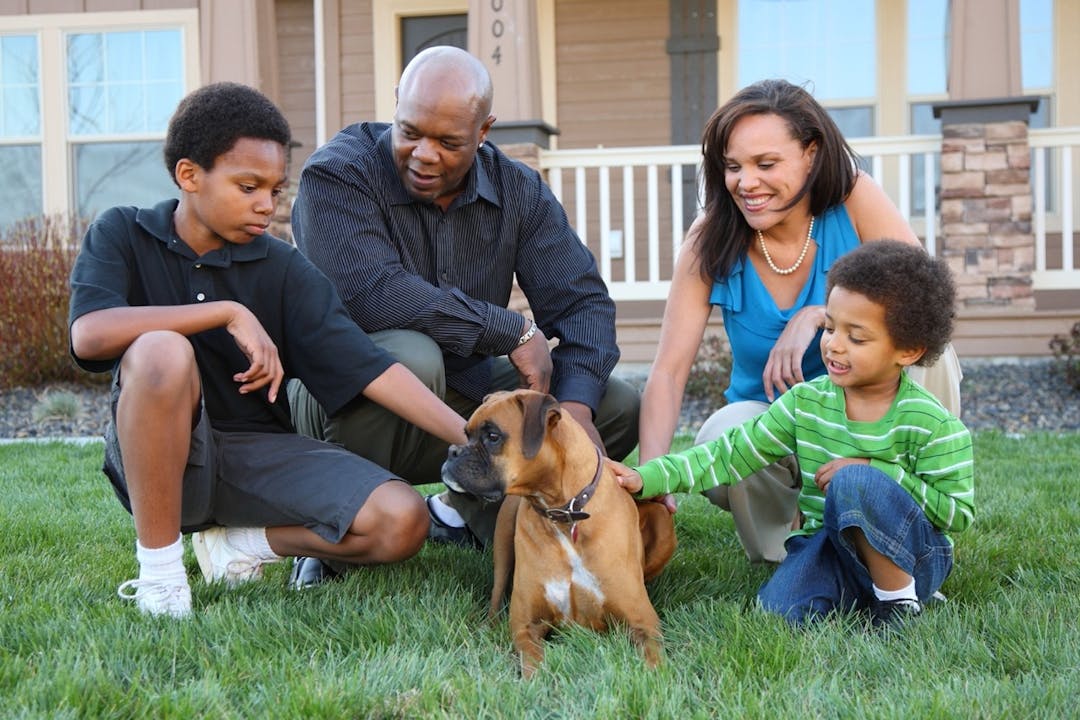
- Teach kids “pat, pause, observe.” Pet the shoulder for two seconds, then pause. If the dog leans in, repeat.
- No hugs, no face-in-fur. Many dogs find this scary.
- Seat greetings. Have kids sit on the floor or couch and let the dog choose to approach.
- For elders, steady the dog on a leash and reward calm sits.
Keep visits short and sweet. This simple approach is central to how to introduce a new dog to family when you have mixed ages at home.
Dog-to-Dog Introductions Done Right
If you have a resident dog, go slow. Some dogs click at once, others warm up over days.
Do this:
- Meet on a walk. Parallel at a distance, then reduce space if both stay loose.
- Sniff breaks. Allow brief butt-to-shoulder sniffs, then move apart.
- Home entry on leashes. Keep the first few minutes calm.
- Remove high-value items. No chews or food bowls on the floor yet.
Watch for stress. Freezing, side-eyes, or blocking doors can hint at tension. If you see it, reset distance. These steps are a proven base for how to introduce a new dog to family dogs without drama.

Setting Routines: Sleep, Meals, and Potty
Dogs relax when life is clear. Day one, set a schedule. Keep it short and repeatable.
Use this template:
- Morning: potty, 10-minute walk, breakfast, quiet time.
- Midday: potty, short play, nap.
- Evening: walk, dinner, chew, cuddle, bed.
Feed in the same spot. Use the same door for potty. Regularity is your secret tool in how to introduce a new dog to family life fast.

Training, Socialization, and Boundaries
Start with easy wins. Sit, down, come, and go-to-mat. Keep sessions to two minutes. Reward often. Quit while you are ahead.
Boundaries that help:
- Doors: teach a wait cue before going out.
- Couch: invite up, do not let the dog claim it.
- Guests: park your dog on a mat with a chew when people arrive.
Early social time matters, but keep it safe. Choose calm dogs, kind people, and clean spaces. This blend of structure and fun is the heart of how to introduce a new dog to family routines that last.

Reading Body Language and Stress Signals
Your dog talks with their body. Learn the basics so you can act before trouble starts.
Green lights:
- Loose tail, soft eyes, open mouth
- Sniffing the ground, shake-offs after stress
- Curved, side approaches
Yellow flags:
- Lip licking, yawning, turning away
- Tucked tail, pinned ears
- Stiff body, slow motion walk
Red flags:
- Hard stare, growl, freeze
- Lunging, snapping
If you see yellow, give space and quiet. If you see red, stop the interaction. Reading the signs is a key skill in how to introduce a new dog to family with safety first.
Common Mistakes and How to Avoid Them
Avoid these traps I see most:
- Too much too soon. Crowds, pet stores, and dog parks can overwhelm a new dog.
- Free-feeding and free-range. Structure beats chaos.
- Ignoring rest. Most dogs need 16 to 18 hours of sleep per day.
- Punishing warning signs. Growls are feedback. Listen and guide instead.
Small, steady steps beat big leaps. That’s the core truth behind how to introduce a new dog to family without stress.
Troubleshooting: When to Call a Pro
Reach out early if you see ongoing fear, resource guarding, or fights. A certified trainer or veterinary behavior expert can help you spot patterns and fix them with kind methods.
Look for:
- A plan that uses rewards, not pain
- Clear homework you can follow
- Check-ins to track progress
I’ve seen small tweaks solve big problems fast. Expert help can turn a rough week into a win. This is often the missing piece in how to introduce a new dog to family when things feel stuck.
Frequently Asked Questions of how to introduce a new dog to family
How long does it take to introduce a new dog to family?
Most dogs need a few days to settle and a few weeks to bond. Plan a calm first week and build up social time slowly.
Should I let my new dog roam the house right away?
No. Start with one room and expand as the dog learns rules. This prevents accidents and stress.
How do I stop resource guarding in a new dog?
Manage first. Feed in a quiet spot and pick up chews. Trade up with treats and teach “leave it” and “drop” using rewards.
What if my resident dog growls at the new dog?
Pause, give space, and reset with a parallel walk. Watch body language and remove high-value items. If it repeats, call a trainer.
How to introduce a new dog to family when I work full-time?
Use a simple routine, a crate, and a midday potty break helper. Keep evenings calm with short walks and training bursts.
Can I take my new dog to the dog park in week one?
Skip it. Dog parks can flood a new dog with stress. Choose quiet walks and one calm dog friend instead.
Conclusion
You now have a clear, friendly plan to welcome your dog with care. Keep it simple: slow intros, safe spaces, steady routines, and kind training. That is the proven path for how to introduce a new dog to family and build trust that lasts.
Start today. Pick one step, like a calm walk or a mat settle, and do it well. Share your wins, ask questions, and subscribe for more step-by-step help. Your best days with your new dog are just ahead.

Pet Care Writer & Researcher
Daniel writes practical guides on daily care, feeding, and safety, turning complex topics into simple, actionable advice.