How To Know When Dog Needs Vet Visit: Vet-Approved Signs
Learn how to know when dog needs vet visit with clear signs, timelines, and vet tips. Act fast to protect your pup’s health.
Call your vet if your dog shows new pain, breathing trouble, collapse, or won’t eat.
Worried about how to know when dog needs vet visit? You’re in the right place. I’ve guided hundreds of pet parents through tough choices, and I’ll help you read the signs with confidence. This clear, friendly guide shows how to know when dog needs vet visit, what to do first, and when to head to the ER now.
Why early vet care matters
Dogs hide pain. It is a survival trait. That makes small signs important. Early care saves money, time, and stress.
If you ask how to know when dog needs vet visit, start with baseline health. Know your dog’s normal energy, appetite, and bathroom habits. Then changes jump out fast.
Preventive exams catch heart disease, dental pain, and lumps early. Most healthy adult dogs need a check once a year. Seniors and dogs with chronic issues do best with visits every six months.
Red flags that need a same‑day vet visit
Some issues are not an ER, yet still urgent. These signs mean you should call today and be seen soon.
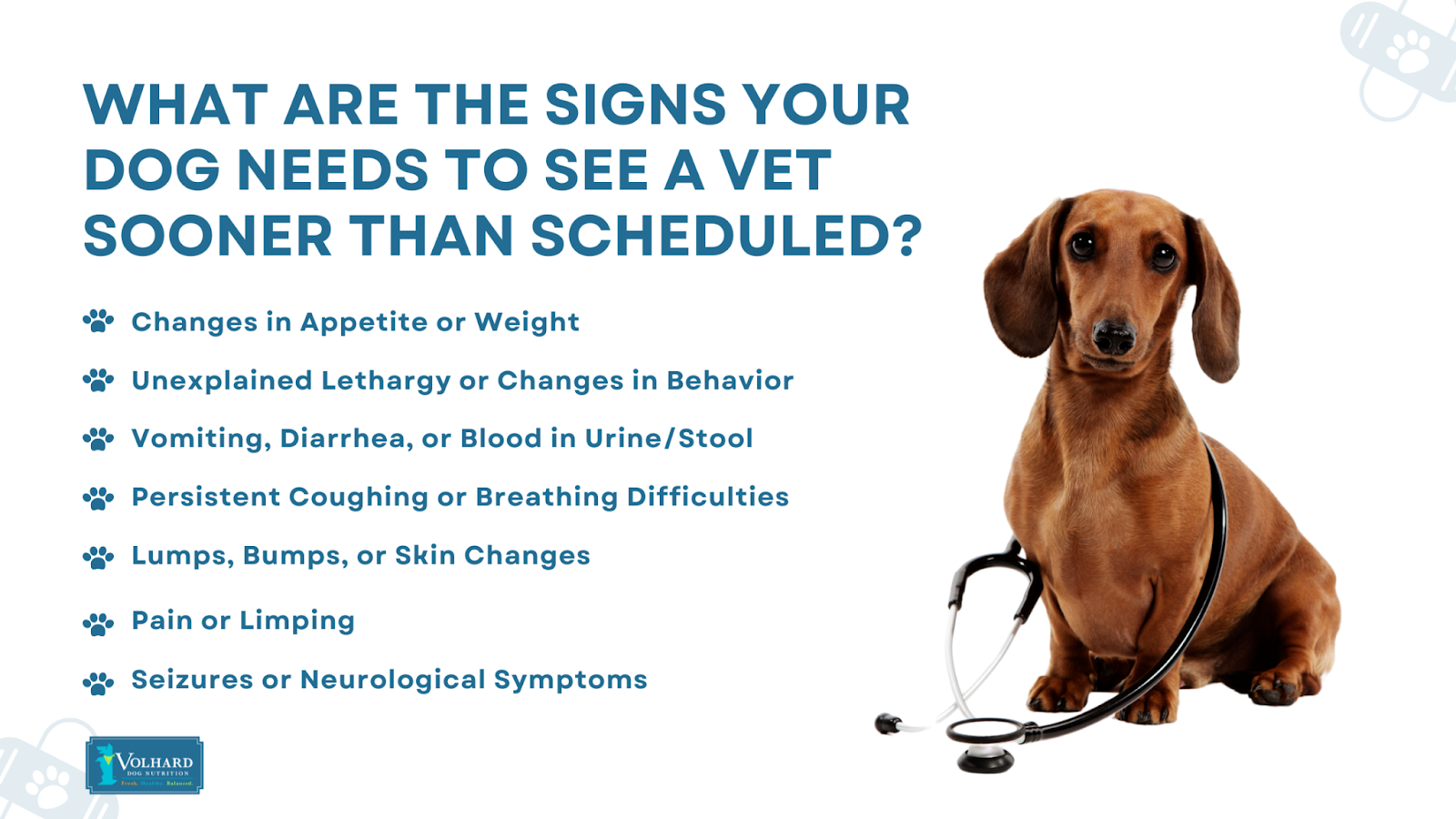
If you want how to know when dog needs vet visit, watch for these:
- Vomiting or diarrhea more than twice in 24 hours
- Not eating for 24 hours in adults, or 12 hours in toy breeds
- Sudden, severe lethargy or weakness
- Repeated coughing, gagging, or noisy breathing
- Limping that stops weight bearing
- Red, painful, or squinting eyes
- Fever over 103.5°F
- Pale, yellow, or very red gums
- A firm or painful belly
- Signs of pain like shaking, a hunched back, or yelping
Call your vet. Share when signs began and what changed at home. Do not give human meds unless your vet says so.

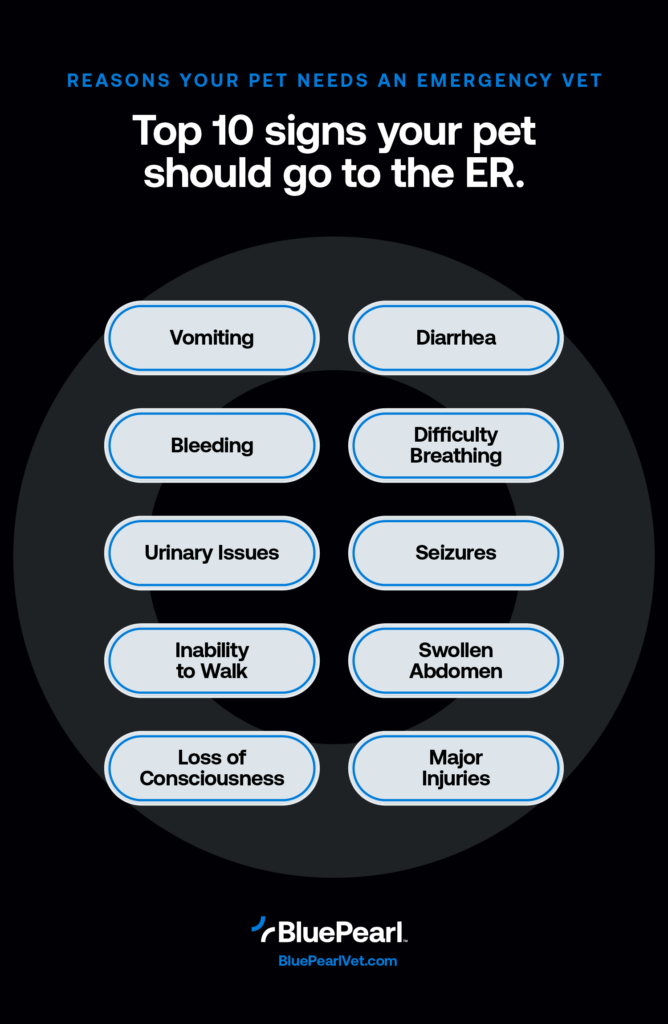
True emergencies: go to the ER now
Do not wait on these signs. Drive to the nearest emergency vet or call them as you leave.
This is the strongest answer to how to know when dog needs vet visit right now:
- Trouble breathing, blue or gray gums, or open‑mouth breathing at rest
- A swollen, hard belly with retching but no vomit
- Seizures over three minutes, cluster seizures, or first‑ever seizure
- Hit by a car, fall from height, or a bite wound
- Heat stroke signs or a body temperature over 104°F
- Poison risk: chocolate, xylitol, grapes or raisins, human meds, cannabis, rodent poison, sago palm
- Straining to urinate or no urine, especially in male dogs
- Blood in vomit or stool, or black tar stool
- Eye trauma, sudden vision loss, or a bulging eye
- Whelping trouble, more than two hours between pups, or green discharge before any pup
On the way, keep your dog warm, quiet, and secure. Call a poison control line if you suspect a toxin.
Subtle changes that still matter
Small shifts often point to big issues. You live with your dog. You will notice them first.
To pin down how to know when dog needs vet visit, track these gentle but real clues:
- Drinking more or less water than normal
- Peeing more often, accidents, or strong urine smell
- Bad breath, drooling, or pawing at the mouth
- Itching, red skin, ear odor, or head shaking
- Weight loss, weight gain, or a dull coat
- Stiffness after rest, or slower walks
- A new lump, or a lump that grows, reddens, or hurts
If a change lasts more than a day or two, call your vet. A quick chat can save weeks of worry.

Age, breed, and health change the rules
How to know when dog needs vet visit depends on who your dog is.
Puppies crash fast. They dehydrate quickly. Vomit, bloody stool, or a dull puppy is urgent. Toy breeds can get low blood sugar. If a tiny pup skips meals and seems shaky, call now.
Seniors hide disease behind “slowing down.” More drinking and peeing can mean kidney disease, diabetes, or Cushing’s. Weight loss with good appetite can mean a gut issue or cancer.
Breed matters. Deep‑chested dogs like Great Danes risk bloat. Brachycephalic dogs like Bulldogs struggle with heat and airway stress. Working and sport dogs get soft tissue injuries that look mild but are not.
Chronic conditions set new thresholds. A diabetic dog who will not eat needs same‑day help. A heart patient who coughs more at night needs an urgent call.

Simple home checks before you call
Quick checks help you share useful facts. They do not replace care. They guide it.
Use these steps to support how to know when dog needs vet visit:
- Gums and capillary refill: Gums should be pink and moist. Press and release. Color should return in 1–2 seconds.
- Temperature: Normal is 100.0–102.5°F. Use a digital rectal thermometer with lube.
- Heart rate at rest: 60–140 beats per minute. Small dogs and puppies run faster.
- Breathing rate at rest: 10–30 breaths per minute. Count for 30 seconds and double it.
- Hydration: Gums should feel slick, not tacky. A skin tent that stays up can mean dehydration.
Write numbers down. Share the notes with your vet. If anything feels off, call.
What to tell your vet and what to bring
Good details speed good care. A clear story helps your vet help your dog.
When sorting how to know when dog needs vet visit, prepare this:
- A timeline: first sign, what changed, and how fast
- Appetite, water intake, pee and poop notes
- Any toxin risk and, if possible, the package
- All meds and supplements, with doses
- Short videos of coughs, limps, or odd behavior
- A fresh stool or urine sample, if asked
- Medical records and insurance info
Keep a simple health log on your phone. It makes patterns easy to spot.

Cost, telehealth, and smart timing
Money and time matter. Planning helps. Delay does not.
Here is a calm plan for how to know when dog needs vet visit without guesswork:
- Call your clinic. Many offer nurse triage. They will guide you.
- Use a trusted pet telehealth service for mild issues. They can spot red flags fast.
- Ask for a written estimate before care when safe to do so.
- Know your emergency clinic’s location now, not later.
- Consider pet insurance or a savings plan before you need it.
- For toxins, call a poison control line. They can give a case number for your vet.
If you think it is an emergency, it is. Go.
Preventive care that keeps you out of the ER
Prevention is the quiet hero. It makes how to know when dog needs vet visit much simpler.
Use this simple schedule:
- Puppies: Exams and core vaccines at about 8, 12, and 16 weeks. Deworming and fecal checks. Rabies per local law. Lifestyle vaccines like Bordetella or leptospirosis as needed.
- Adults: Yearly exam, vaccines per risk, heartworm test, and year‑round parasite prevention.
- Seniors: Exams every six months, baseline blood and urine tests, and blood pressure checks.
- Teeth: Daily brushing if you can. Professional cleanings as advised.
- Weight: Aim for a trim waist and ribs you can feel.
Good baseline care makes small changes stand out. Then you know when to act.
Personal notes from the field
I once saw a Great Dane with a tight, round belly and dry retching. His family drove straight to the ER. He had bloat. Quick action saved his life. That is the clearest case of how to know when dog needs vet visit now.
Another case was a tiny Yorkie who skipped breakfast and looked wobbly. A dab of corn syrup on the gums while heading to the clinic kept her safe. Low blood sugar is sneaky in toy pups.
I will not forget the Spaniel with a red, squinting eye. The owner waited a day. It became an ulcer. Fast care could have saved pain. Eyes are always urgent.
These moments taught me this: trust your gut, watch the small signs, and call early. It pays off every time.
Frequently Asked Questions of how to know when dog needs vet visit
How do I know if my dog’s vomiting needs a vet?
If your dog vomits more than twice in 24 hours, call your vet. If there is blood, weakness, or a swollen belly, go to the ER.
When is not eating an emergency?
Adults can miss one meal and be okay. If your dog skips 24 hours or any toy breed seems weak or shaky, call now.
What is a normal temperature for dogs?
Normal is 100.0–102.5°F. Over 103.5°F is a fever, and over 104°F is urgent.
How can I tell if pain needs a vet visit?
Watch for shaking, a hunched back, panting at rest, or yelping. If your dog will not use a leg or cries when touched, be seen the same day.
Is coughing always serious?
A single cough is not a crisis. Repeated coughs, gagging, or breathing noise at rest mean your dog should see a vet soon.
Should I go to the ER or wait for my vet?
Trouble breathing, seizures, major trauma, or a bloated belly are ER now. For mild signs, call your clinic for triage.
Can telehealth replace an in‑person exam?
Telehealth is great for guidance and triage. It cannot replace a hands‑on exam, tests, or treatment.
Conclusion
You now have a clear map for action. You know the red flags, the ER signs, and the subtle shifts that count. You also know how to know when dog needs vet visit by using simple home checks and smart planning.
Trust your gut. If something feels off, call your vet and share details. Take one small step today: save your clinic and nearest ER numbers in your phone. Want more helpful guides like this? Subscribe, share your questions in the comments, and help another pet parent feel ready.

Pet Care Writer & Researcher
Daniel writes practical guides on daily care, feeding, and safety, turning complex topics into simple, actionable advice.