How To Prevent Dog Obesity At Home: Simple 2026 Guide
Stop weight gain with vet-backed steps on how to prevent dog obesity at home. Meal plans, portion tips, and fun exercise ideas to keep pups fit.
Control calories, measure meals, limit treats, and move daily with fun play.
As a trainer who works with vets, I’ve helped many families learn how to prevent dog obesity at home. This guide gives you clear steps that work in real life. If you want a simple, science-backed plan on how to prevent dog obesity at home, you’re in the right place.
Why dog obesity happens and why it matters
Extra weight builds up when calories in stay higher than calories out. Age, breed, neuter status, meds, and low activity can raise risk. Some dogs beg more, move less, and learn to snack all day. That is how quiet weight gain sneaks up on you.
Extra weight strains joints and the heart. It raises anesthesia risks and makes heat and stairs hard. Research shows lean dogs live longer, often by about two years. Learning how to prevent dog obesity at home can add happy, active time to your dog’s life.
Check your dog’s weight at home
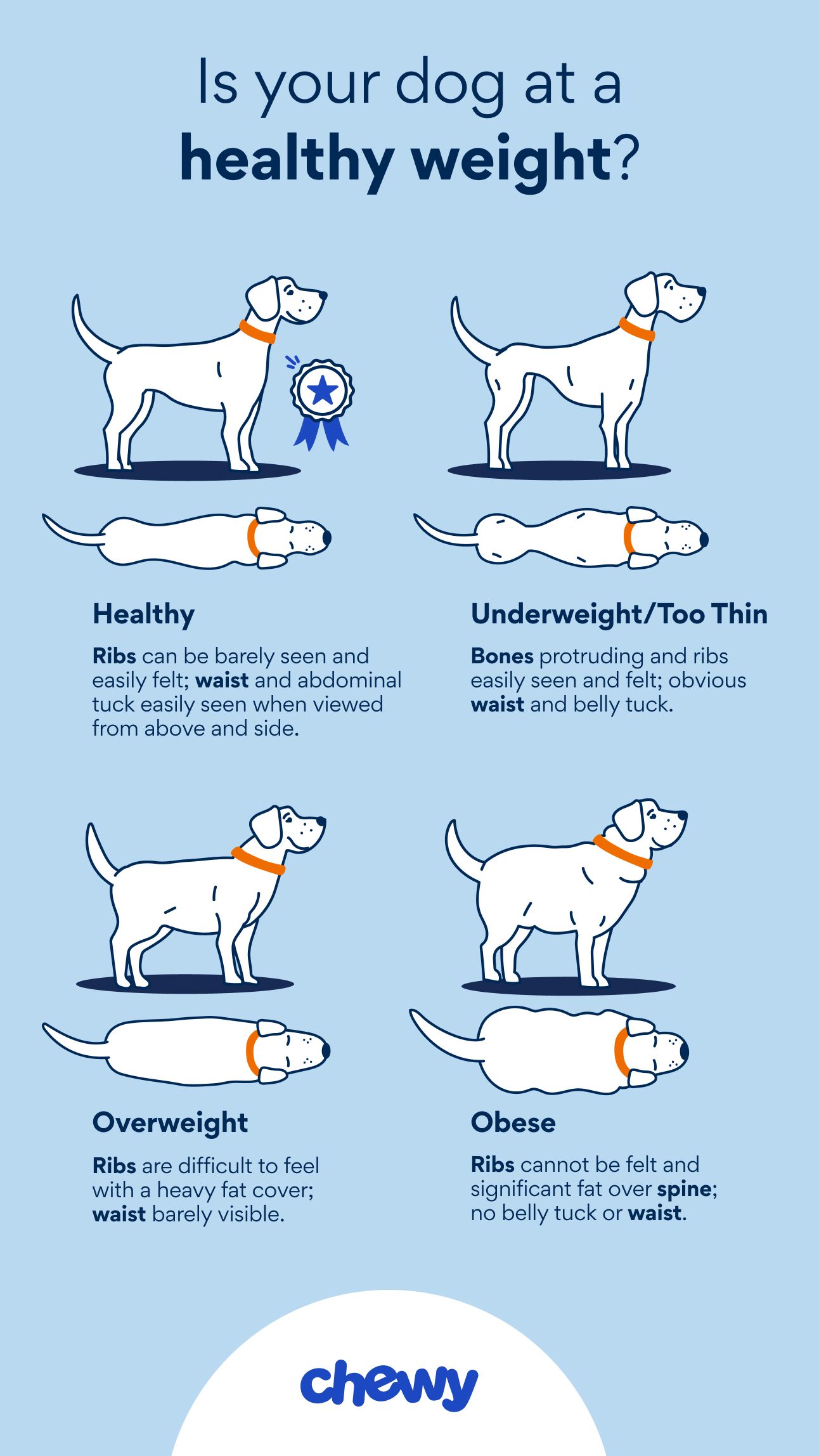
Use a body condition score from 1 to 9. Aim for 4 to 5. You should feel ribs with light pressure, see a waist from above, and a tummy tuck from the side. If you must dig for ribs, your dog is likely heavy.
Weigh weekly with a scale. For small dogs, hold your dog and subtract your weight. Take a photo from the side and top each month. This simple habit is core to how to prevent dog obesity at home.

Build a simple calorie plan
Start with your dog’s ideal weight, not current weight. Use your food’s chart as a baseline for the ideal weight, then feed 10 to 20 percent less for slow loss. Keep treats under 10 percent of daily calories. When in doubt, ask your vet for a target or use a trusted calculator.
I like to split food into two to three meals to cut hunger. Use a kitchen scale in grams for accuracy. If nothing changes after two to three weeks, drop total calories by another 5 to 10 percent. A steady, safe rate is about 0.5 to 1 percent body weight lost per week. This steady method is the heart of how to prevent dog obesity at home.

Choose the right food and treats
Pick a diet with good protein, moderate fat, and higher fiber for fullness. Wet or air-dried foods can help some dogs feel full with fewer calories. If your dog is very heavy or has health issues, ask your vet about a clinical weight loss diet.
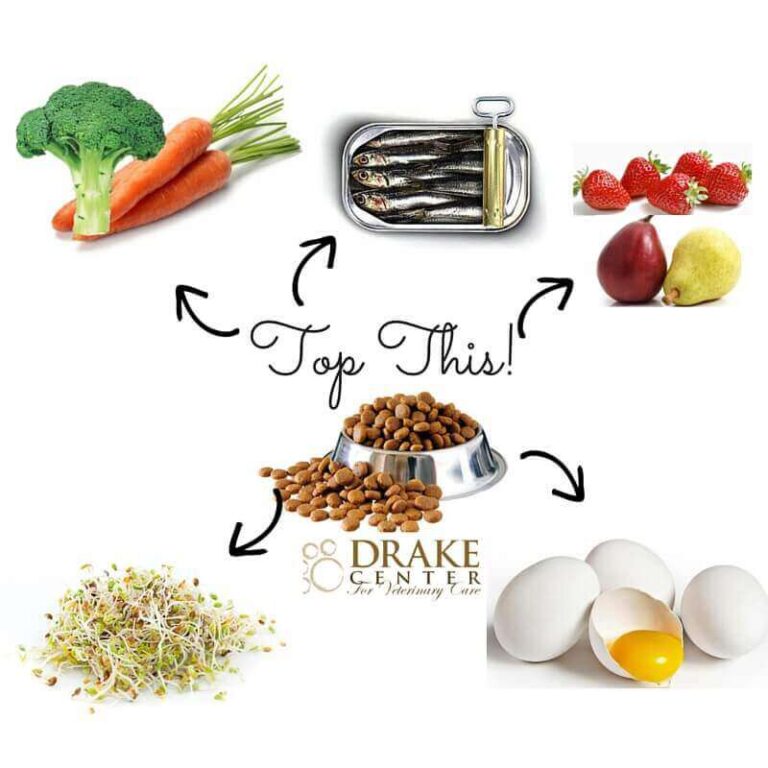
Swap high-cal snacks for low-cal choices. Try carrots, green beans, cucumber, zucchini, apple slices without seeds, blueberries, or a few pieces of air-popped, plain popcorn. Use part of the daily kibble as training treats. Stuff a food toy with the meal, then freeze it to slow eating. These swaps make how to prevent dog obesity at home far easier.

Portion control that works
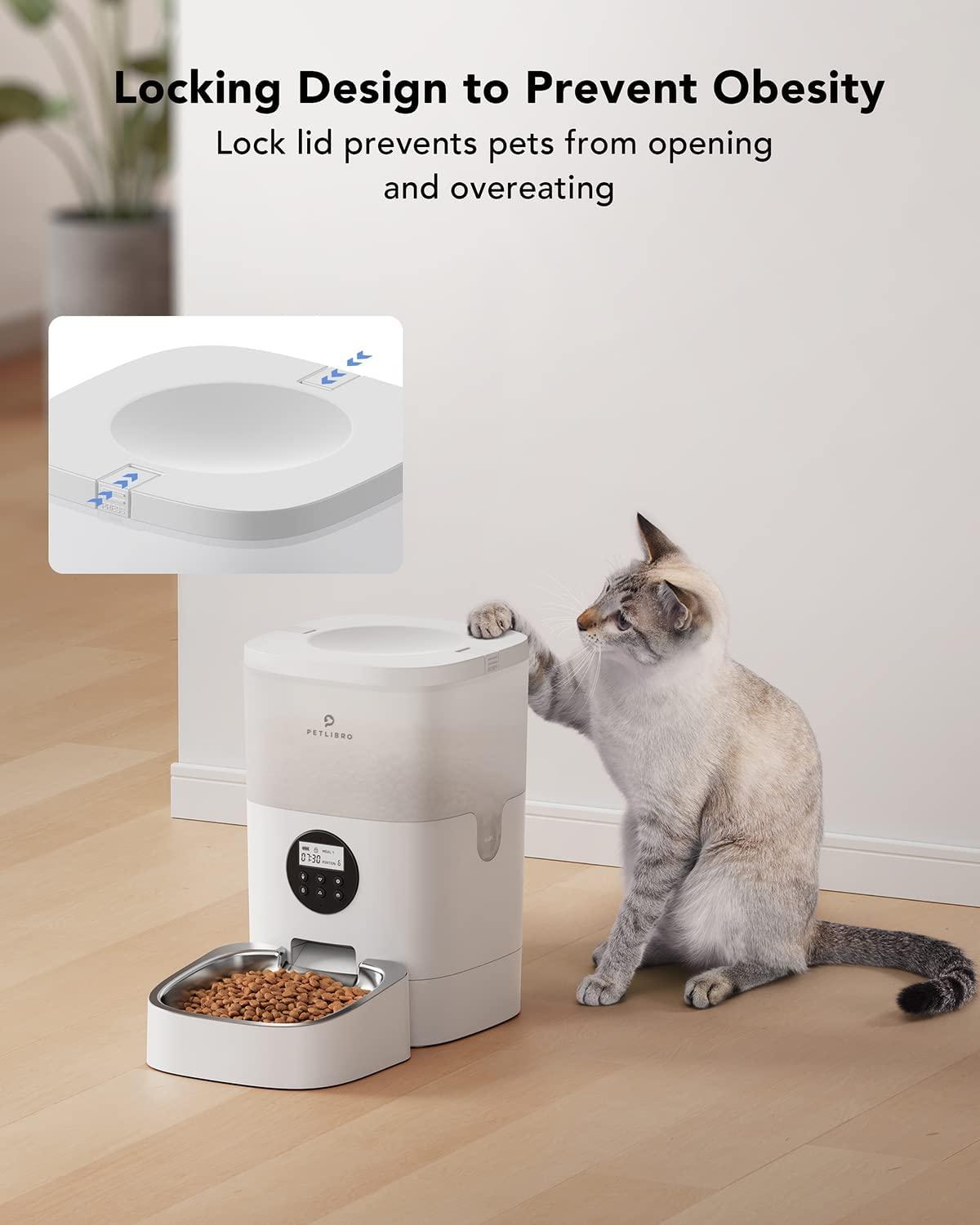
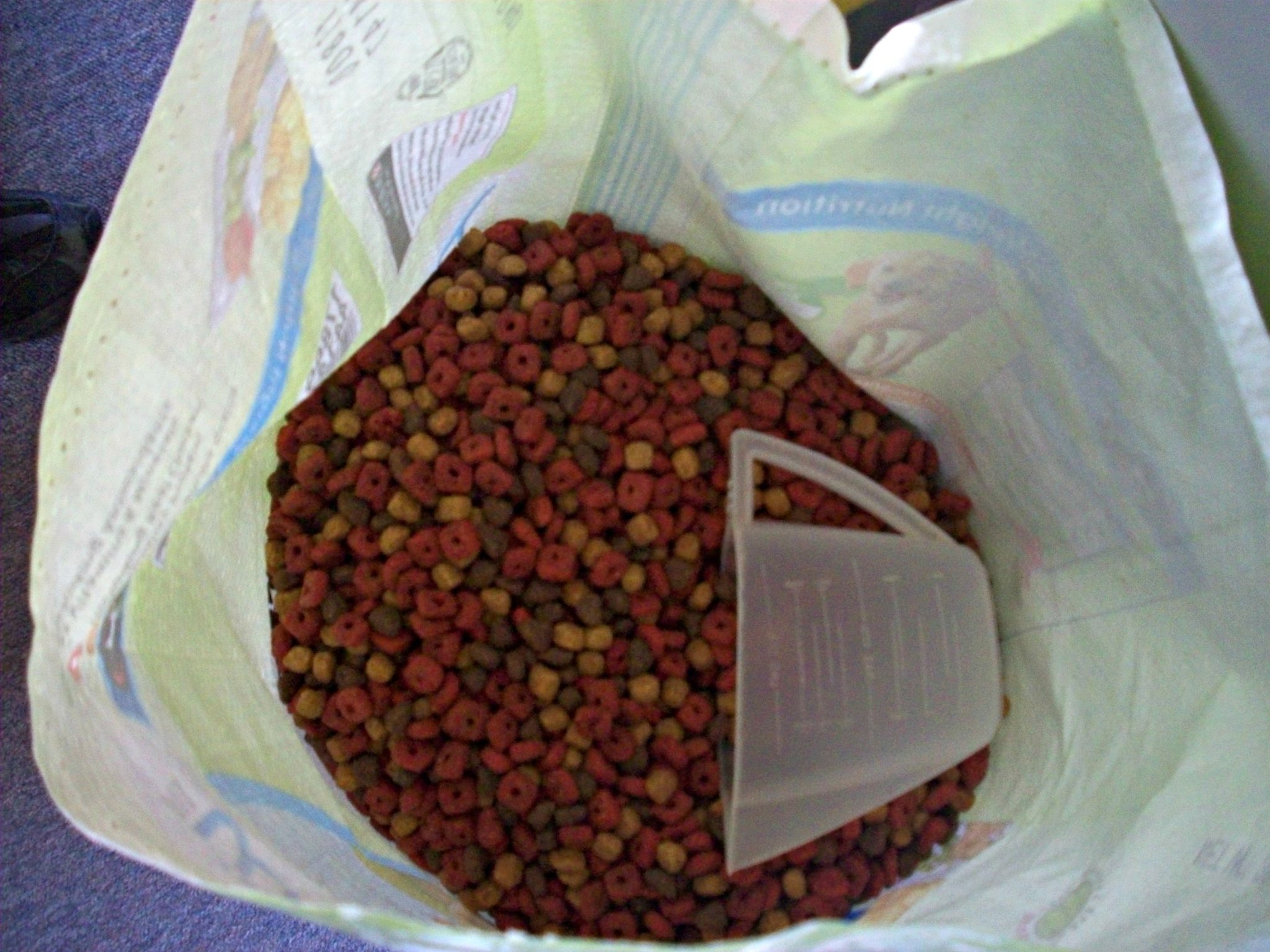
Guessing is the enemy. Measure every meal with a gram scale. Pre-portion meals into small containers or bags for the week. Label each one so any family member can feed the right amount.
Use slow bowls, snuffle mats, or puzzle feeders. They stretch meals and add joy. Set a feeding schedule and stick to it. Post a note on the fridge so guests do not slip your dog snacks. Clear rules are key in how to prevent dog obesity at home.
Daily movement plan by age and weather
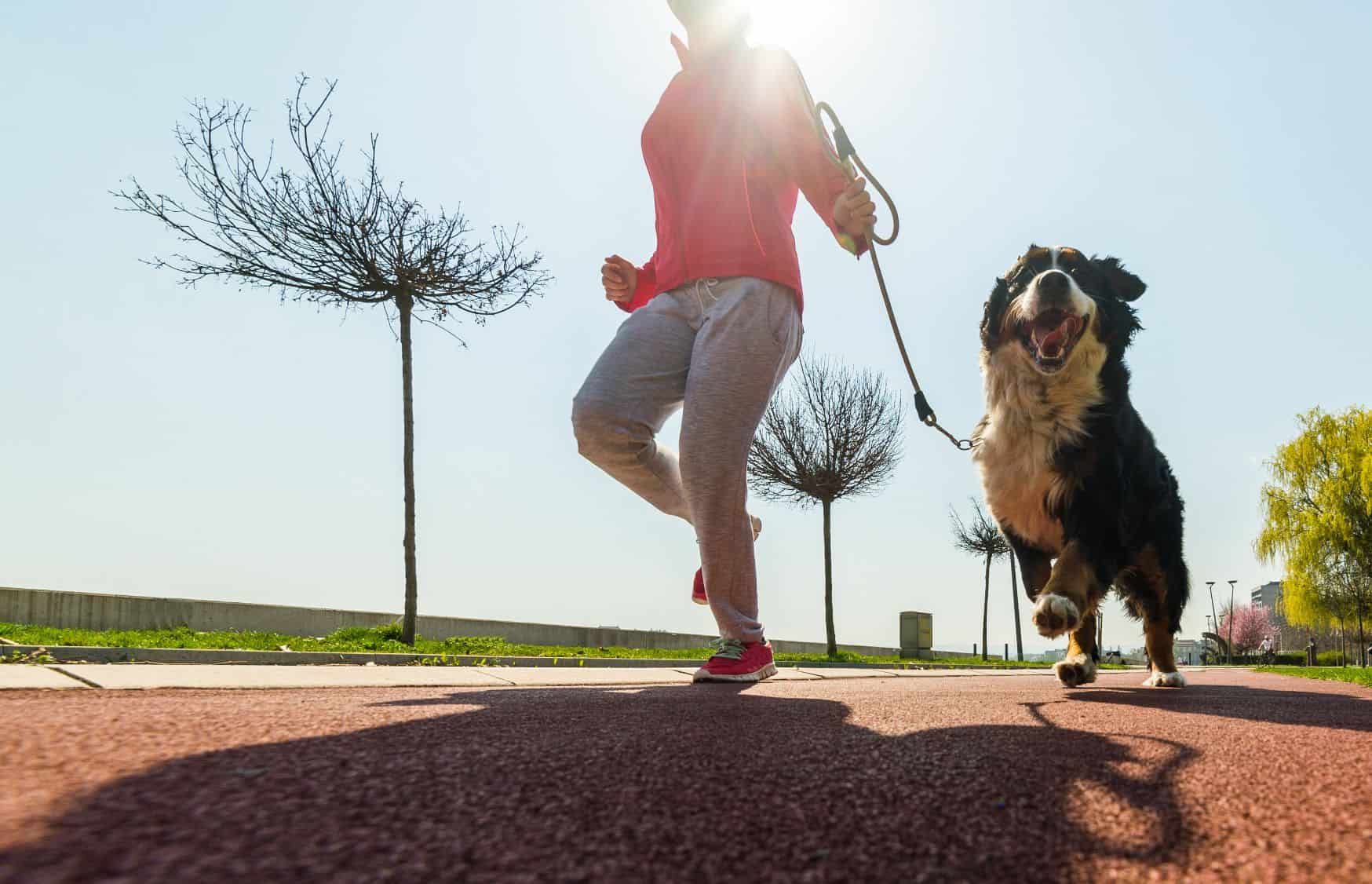
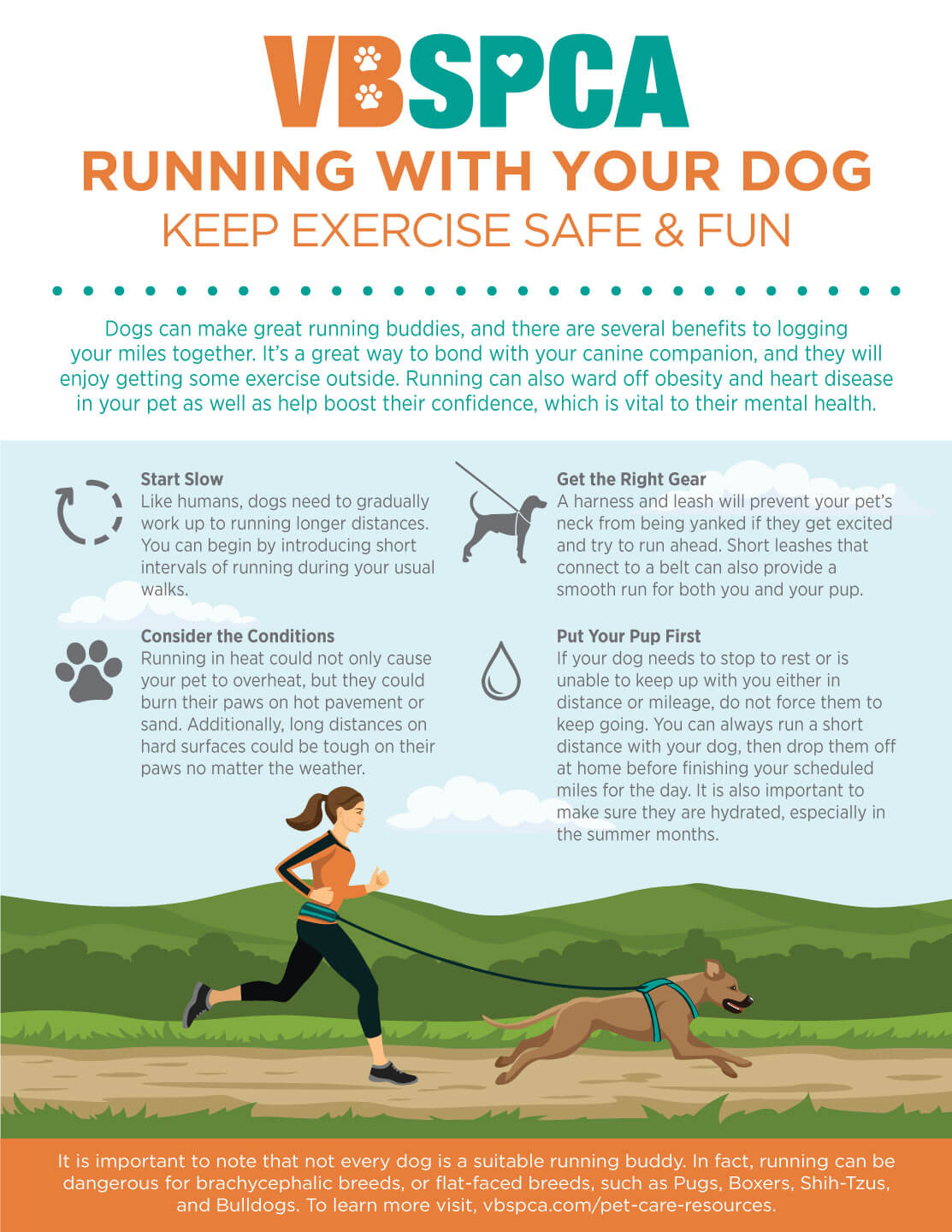
Most adult dogs do best with 30 to 60 minutes of brisk walking each day. Start slow if your dog is heavy. Add about 10 percent time or distance each week. Watch for panting, lagging, or sore joints, and rest as needed.
Try indoor games when weather is bad. Play fetch in a hall, hide-and-seek with kibble, short tug, or “find it” scent games. Use a flirt pole in the yard for quick bursts if joints are sound. Gentle stairs or hill walks build strength for some dogs. Build a mix your dog loves. Making a daily movement habit is a core part of how to prevent dog obesity at home.
Behavior hacks to curb begging and scavenging
Begging is a learned skill. Do not pay it with food or eye contact. Teach a “go to mat” cue and reward calm with part of the meal. Feed in puzzle toys to keep the mouth and brain busy.
Dog-proof your space. Use lidded bins and keep food off counters. In multi-dog homes, feed in separate spots to stop stolen bites. These small rules support how to prevent dog obesity at home with less stress.
Track, adjust, and stay consistent
Weigh weekly at the same time of day. Log grams fed, treats, and activity. Take a front, side, and top photo each month. Small trends guide smart changes.
No loss after two to three weeks? Trim daily calories by 5 to 10 percent and add a few more minutes of play. Hitting a wall can mean hidden treats, too many chews, or a health issue. If weight does not budge over a month, talk to your vet. This steady review process is how to prevent dog obesity at home for good.
Real-life case study
Milo, a 7-year-old Beagle, came to me at a 7/9 body score. We cut his food by 15 percent based on his ideal weight, moved treats to his kibble ration, and added two 15-minute walks plus a nightly sniff game. In 14 weeks, he dropped to a 5/9 score and had more pep than ever.
His family kept a whiteboard with daily grams and steps. They fed in puzzle toys and ended couch snacking. Simple, steady steps made how to prevent dog obesity at home feel easy, not strict.
Common mistakes to avoid
- Free-feeding food lets dogs graze past their needs. Fix it with set meals and measured portions.
- Using big chews and creamy treats hides many calories. Swap for veggie bites or kibble-as-treats.
- Weekend splurges undo weekday wins. Keep rules the same every day.
- Jumping into hard runs can strain joints. Start slow and build.
- Skipping the vet when weight will not drop can miss medical causes. Get labs if you stall.
Dodging these traps is a powerful way to master how to prevent dog obesity at home.
7-day home plan to start now
- Day 1: Weigh your dog, take photos, and pick an ideal weight with your vet or a trusted guide.
- Day 2: Set calories for the ideal weight. Cut by 10 to 20 percent for loss. Buy a gram scale.
- Day 3: Pre-portion a week of meals. Move treats into the daily ration.
- Day 4: Add one extra 10-minute brisk walk. Try a snuffle mat at dinner.
- Day 5: Swap high-cal snacks for veggies or kibble. Teach “go to mat.”
- Day 6: Start a nightly “find it” game with five kibble pieces. Log steps and mood.
- Day 7: Re-check your plan. Adjust as needed. Share rules with the whole family.
Follow this for four weeks. This is a fast track on how to prevent dog obesity at home.
Frequently Asked Questions of how to prevent dog obesity at home
How much should I feed my dog for weight loss?
Feed for the ideal weight, not the current weight. Start 10 to 20 percent below the maintenance amount for that ideal weight and adjust every two to three weeks.
What are the best low-calorie treats?
Use part of your dog’s daily kibble, or try carrots, green beans, or blueberries. Keep total treats under 10 percent of daily calories.
How fast should my dog lose weight?
Aim for about 0.5 to 1 percent of body weight per week. Slow, steady loss is safer for joints and keeps energy up.
Is it bad to free-feed kibble?
Yes, most dogs overeat when food is always out. Scheduled, measured meals make control and tracking easy.
Can walking alone help?
Yes, brisk walks help a lot, but diet drives most weight loss. Combine measured food and daily walks for best results.
How do I handle a multi-dog home?
Feed in separate spots and use labeled meal containers. This stops food theft and keeps portions fair.
When should I see the vet?
If weight will not drop after a month of solid effort, talk to your vet. They can screen for issues and suggest a tailored diet.
Conclusion
You now have a clear, home-based plan: measure meals, cap treats, move daily, and track results. These simple habits protect joints, boost energy, and can add years to your dog’s life. Start today with one change, then stack the next.
If this helped, share it with a friend, subscribe for more at-home pet health tips, or drop your questions in the comments. Your first win on how to prevent dog obesity at home can start right now.

Pet Care Writer & Researcher
Daniel writes practical guides on daily care, feeding, and safety, turning complex topics into simple, actionable advice.