How To Socialize A Puppy With Other Dogs: Pro Tips 2026
Learn how to socialize a puppy with other dogs using safe steps, timelines, and pro tips. Build confidence, prevent fear, and enjoy calmer walks.
Start early, go slow, reward calm meetings, and give space to both dogs.
You’re here because you want to know how to socialize a puppy with other dogs the right way, not the rushed way. I’ve guided hundreds of families through safe, happy meetups between pups and older dogs. In this guide, I’ll show you how to socialize a puppy with other dogs step by step, with clear rules, pro tips, and real stories from the field. Read on if you want a confident puppy who loves dog life without fear or fuss.
:strip_icc()/train-puppy-to-lay-down-2805078-final-f45c61fc6fa84a7ab4b58e4e99c731e1.png)
Why early socialization matters
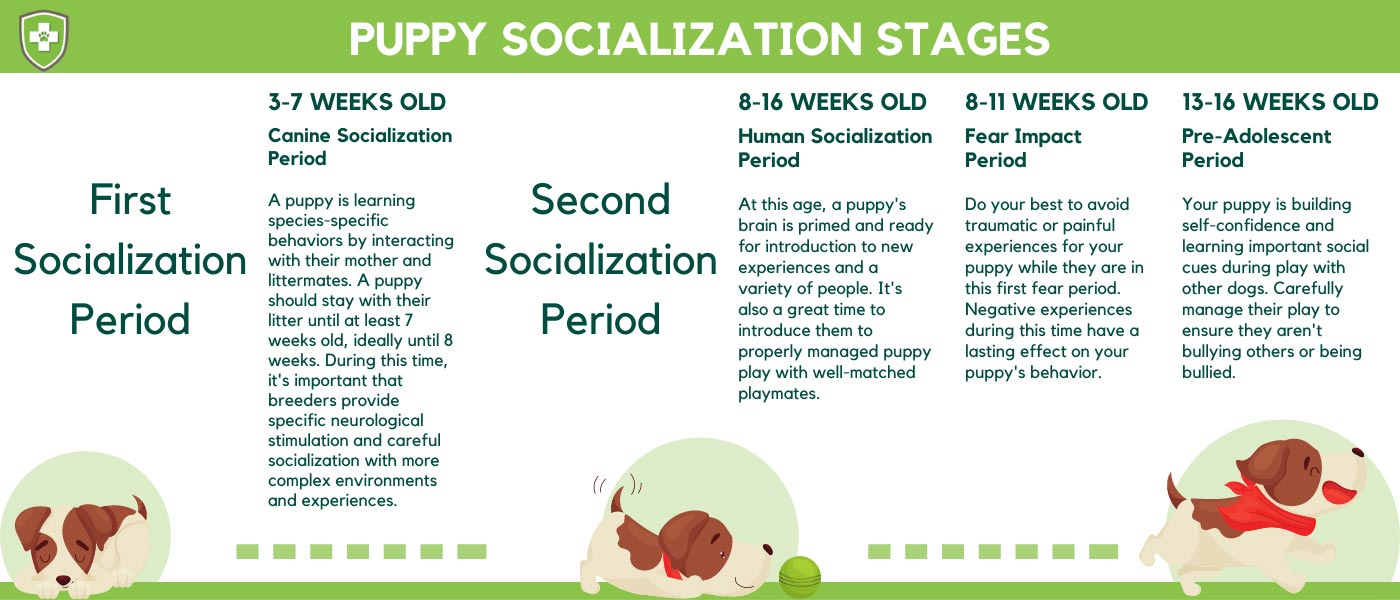
Social skills shape fast in puppies. There is a key window from about 3 to 14 weeks. During this stage, new things feel normal if they are safe and fun. This is why learning how to socialize a puppy with other dogs early can prevent fear, fights, and stress later.
Good socialization is not “let them figure it out.” It is guided, short, and kind. Your job is to protect your pup’s trust. Keep meetings calm, reward often, and end while it still feels easy. This is the heart of how to socialize a puppy with other dogs for lifelong success.

When to start socializing your puppy
You can start right away, even before full vaccines, with low-risk setups. Carry your pup to watch calm dogs from a safe distance. Let them see, sniff the air, and earn treats. This counts as smart social time.
Once your vet gives the okay, plan short meetups with healthy, friendly dogs. Keep it brief and sweet. Think three to five minutes at first. This slow start is a core part of how to socialize a puppy with other dogs without overwhelm.
Vaccines, safety, and smart risk management
Health comes first. Talk with your vet about timing. Many vets support safe, controlled social time after the first round of shots, in clean spaces, with known dogs. Avoid dog parks and unknown dogs until fully vaccinated.
Choose lower-risk places. Use a clean yard, a friend’s home, or a training studio. Skip areas with heavy dog traffic or waste. If you want to master how to socialize a puppy with other dogs, blend safety with steady exposure.
First steps at home before real meetings
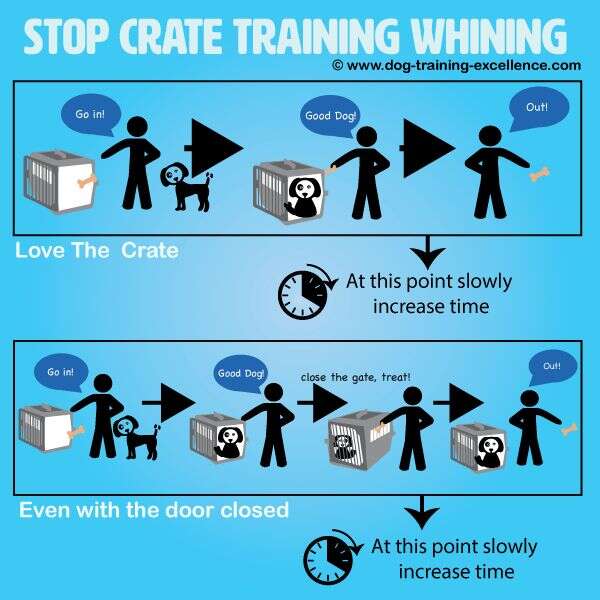
Set up a calm base. Use a crate or pen so your puppy can rest and feel safe. This helps your pup shift from play to chill without fuss. Rest is part of social learning.
Swap scents before a meeting. Rub a cloth on the other dog and let your pup sniff it at home with treats. Put a baby gate up for first “hello” moments. This is a simple way to begin how to socialize a puppy with other dogs without pressure.
Read dog body language like a pro
Watch for green-light signs.
- Loose, wiggly body means okay.
- Play bows mean “let’s play.”
- Soft eyes and open mouth show ease.
Watch for yellow or red flags.
- Lip licking, yawning, or turning away means stress.
- Tail tucked, ears pinned, or stiff body means stop.
- Hard stare or freezing is a clear no.
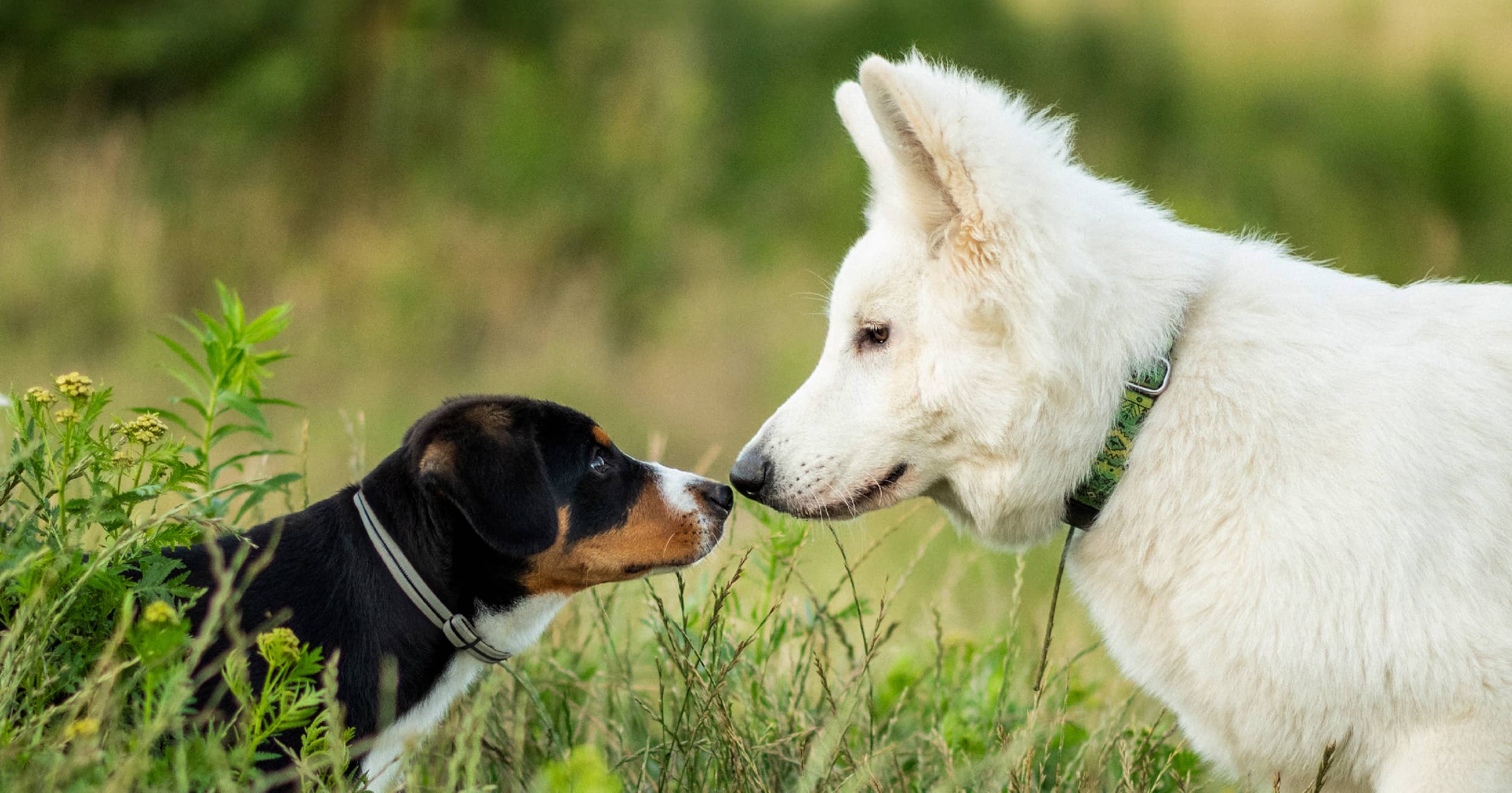
Use the three-second rule. Let them sniff for three seconds. Call them apart for a treat. Repeat if both dogs return by choice. This “consent test” is a simple tool in how to socialize a puppy with other dogs.

Step-by-step: Controlled introductions with known dogs
Follow this plan for first meets.
- Start with a parallel walk. Stay 15 to 30 feet apart. Reward for looking at the other dog.
- Move closer in slow steps. Keep both leashes loose.
- Do a few short passes. Then let them sniff for three seconds. Call away. Treat.
- Rotate sniff spots. Face-to-tail is normal. Face-to-face can be tense.
- Keep sessions short. End on a win. Leave both wanting more.
Use neutral ground if you can. Avoid tight halls and doorways. Bring high-value treats. If you wonder how to socialize a puppy with other dogs who are different sizes, pick calm, friendly partners first, and match play styles.
:max_bytes(150000):strip_icc()/how-to-socialize-a-puppy-1211281205-2000-2000-0eb3037f7117427da4303640da76fbc5.jpg)
Puppy classes, playgroups, and dog parks
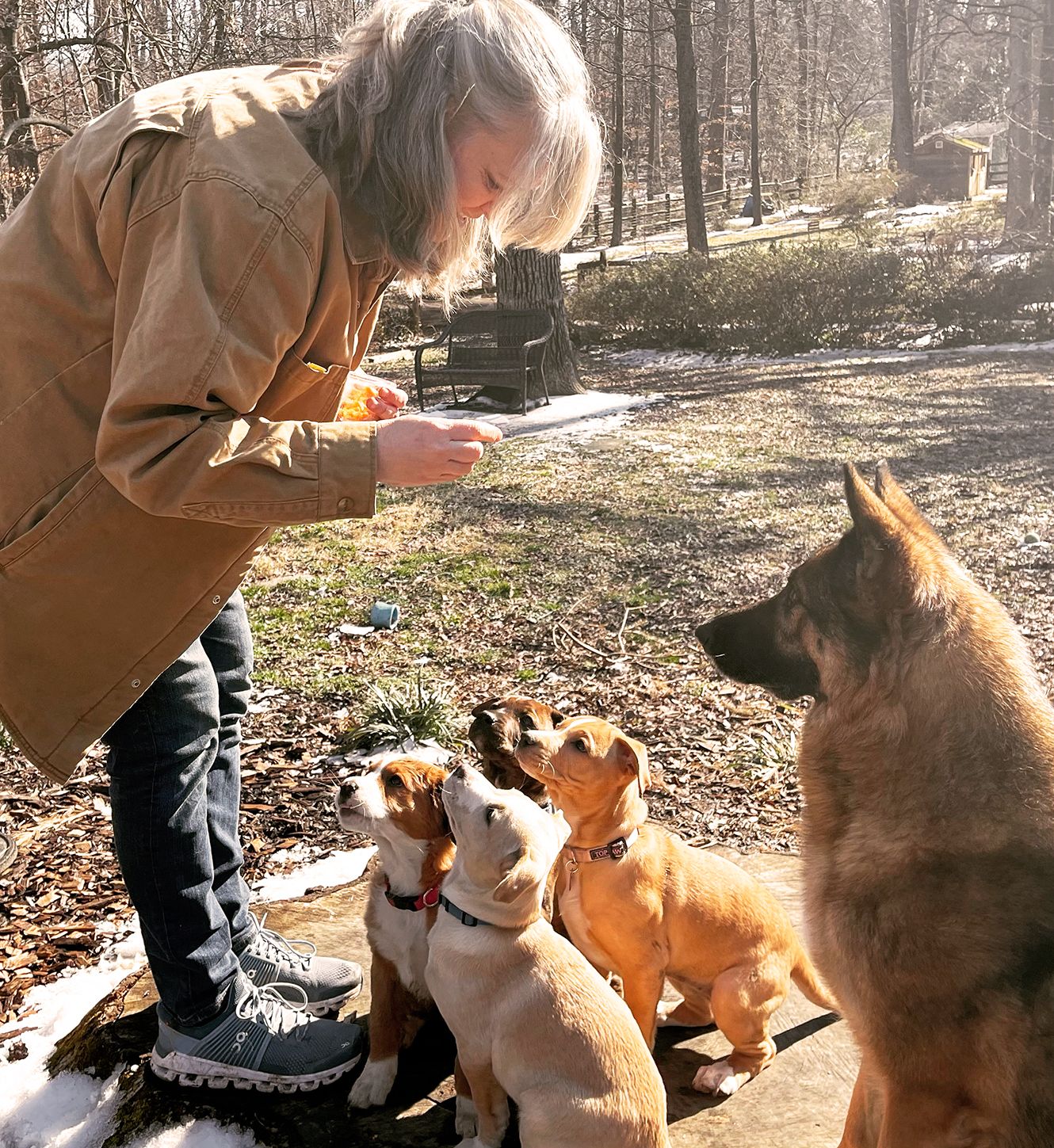
Puppy classes are gold. Look for small groups, clean floors, and a trainer who manages play. They should group pups by size and style. You want more calm reps than chaos.
Choose playgroups with rules. Breaks every few minutes are vital. Rough play should pause when one dog looks tired. Dog parks are high risk for young pups. Wait until your pup is older, vaccinated, and ready. If your goal is how to socialize a puppy with other dogs, a good class beats a park every time.

Your ongoing socialization plan
Think variety over volume. Aim for two to four short dog meetups per week. Mix calm adult dogs with a few gentle pups. Keep most meets under ten minutes.
Track wins in a simple log. Note time, place, partner dog, and mood. If you want to master how to socialize a puppy with other dogs, logs help you spot trends and avoid pushing too fast.

For shy, sensitive, or barky puppies
Distance is your friend. Start far enough away that your pup can look, then look back to you. Mark and treat that choice. Use calm helper dogs who ignore puppies.
Try this game. Look at That: pup glances at the dog, you say yes, then treat. Repeat. Add slow steps closer. This is a safe way to practice how to socialize a puppy with other dogs without flooding them.
Common mistakes to avoid
Do not force greetings. Dragging a puppy to say hi can backfire. Choice builds confidence. Pressure breaks it.
Do not allow bullying or nonstop chase. Step in early. Short breaks keep arousal low. Do not rush the process. If you repeat how to socialize a puppy with other dogs like a mantra, you will remember to go slow and be kind.
Tools and rewards that help
Use a comfy Y-harness and a six-foot leash. A long line is great in a quiet field. Bring a treat pouch and soft treats the size of peas.
Have a calm-down plan. Teach “Let’s go,” “Touch,” and “Find it.” Scatter a few treats on the ground to reset arousal. These tools make how to socialize a puppy with other dogs easier and safer.
A simple two-week social plan
Week one
- One parallel walk with a known adult dog for ten minutes.
- One fence or gate hello with a second calm dog, three-second sniffs.
- One puppy class or trainer-run play session, ten minutes of play split with breaks.
Week two
- Two short meetups with friendly dogs, new places.
- One café sit-and-watch from a distance, pay for calm looks.
- One small-group puppy class, focus on recalls from play.
Repeat and adjust as needed. If you ask yourself how to socialize a puppy with other dogs each week, this plan keeps you on track.
Troubleshooting and red flags
Pause and reset if you see stiffness, hiding, or hard stares. Give more distance next time. End on an easy success, like a quiet watch-and-treat from afar.
Call a pro if the pup snaps, guards, or cannot settle near dogs. Look for certified trainers or a veterinary behavior team. Expert help is a wise step in how to socialize a puppy with other dogs when things feel stuck.
Frequently Asked Questions of how to socialize a puppy with other dogs
When can I start socializing my puppy with other dogs?
You can begin controlled, low-risk exposure right away after your vet’s guidance. Use distance, carry or observe, and meet only healthy, known dogs at first.
How long should first dog meetings last?
Keep them very short, about three to five minutes. End while both dogs still look loose and happy.
What if my puppy hides or seems scared?
Back up, lower the pressure, and reward calm looks from farther away. Try again another day with a calmer dog and more space.
Are dog parks good for young puppies?
Not at first. Parks can be chaotic and risky. Choose supervised puppy classes and known adult dogs instead.
How do I stop rough play before it escalates?
Use the three-second rule and call for breaks often. If play does not cool down fast, end the session and try a calmer partner next time.
Can I socialize my puppy before all vaccines?
Yes, with smart choices. Meet healthy, vaccinated dogs in clean spaces and avoid high-traffic areas.
Conclusion
Social skills grow from calm, clear, and kind practice. Start early, keep sessions short, and protect your pup’s trust. If you follow these steps on how to socialize a puppy with other dogs, you build a confident friend for life.
Make a simple plan this week. Schedule one safe meetup, one class, and one watch-and-treat session. Want more tips like this? Subscribe, leave a comment with your pup’s wins, and let’s help your puppy shine.

Pet Care Writer & Researcher
Daniel writes practical guides on daily care, feeding, and safety, turning complex topics into simple, actionable advice.