How To Spot Early Signs Of Dog Illness: Vet-Approved Guide
Learn how to spot early signs of dog illness fast with vet-backed tips, symptoms to watch, and next steps so you can act early and keep your pup healthy.
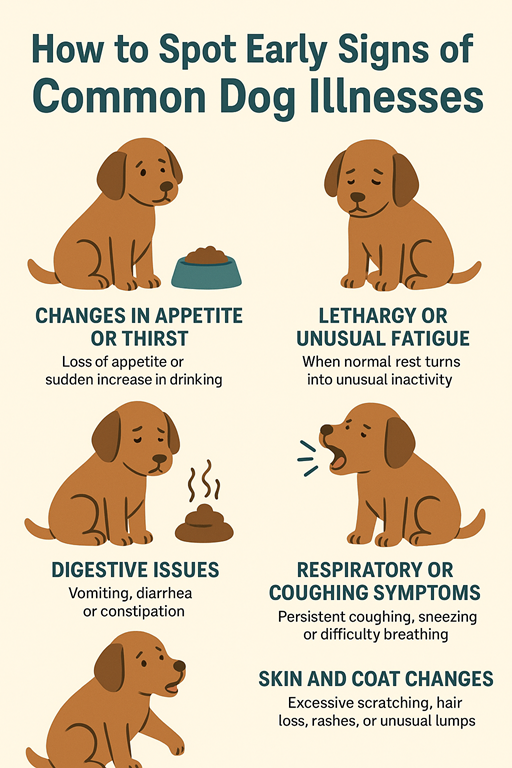
Watch for changes in behavior, appetite, energy, bathroom habits, and breathing.
If you want to learn how to spot early signs of dog illness, you are in the right place. I’ll walk you through clear signs, simple home checks, and when to call your vet. You will see real tips that dog owners use each day. By the end, you will feel calm, ready, and in control.
Why Early Detection Matters
Dogs hide pain. That is their nature. Small changes often show up before big problems. Quick action can stop a mild issue from turning into an emergency.
Studies show that early care leads to better outcomes and lower costs. Your job is to notice patterns. Then act fast and share clear notes with your vet. That is how to spot early signs of dog illness before they snowball.

Know Your Dog’s Normal
You cannot spot “not normal” if you do not know “normal.” Build a baseline. Watch your dog on good days.
Track these basics:
- Usual energy level and play time
- Typical thirst and appetite
- Normal poop and pee patterns
- Regular sleep routine
- Weight, body shape, and coat look
Keep a simple log in your phone. One line a day is enough. A solid baseline makes how to spot early signs of dog illness much easier.

Behavior And Mood Changes
Mood shifts are early flags. This is your first clue.
Watch for:
- Hiding, clinginess, or sudden irritability
- Less interest in toys, walks, or people
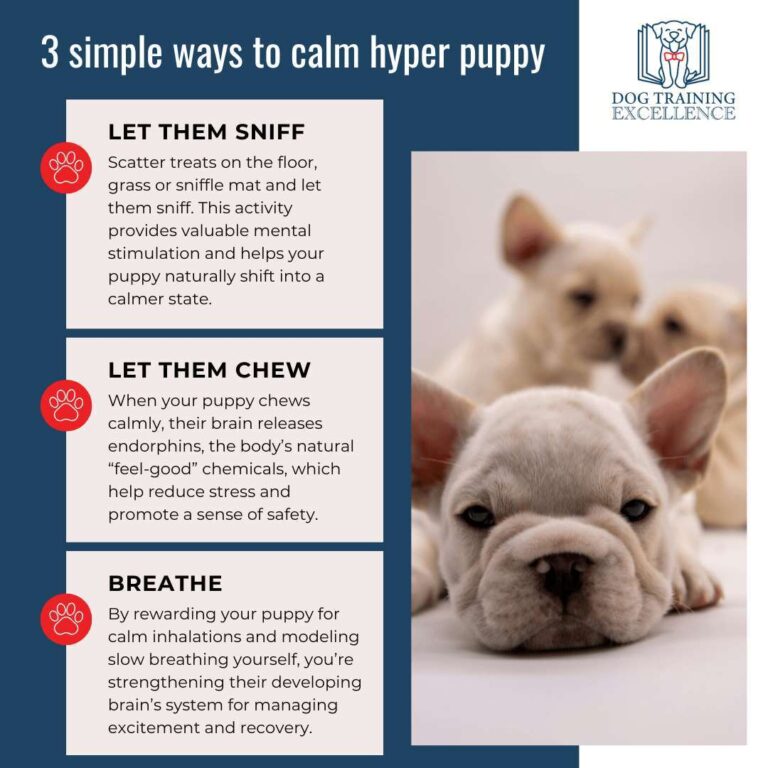
- Restlessness, pacing, or not settling at night
- New anxiety, fear, or startle response
If your happy dog acts “off” for more than a day, note it. This is often how to spot early signs of dog illness when nothing else looks wrong yet.
Appetite, Thirst, And Weight Signals
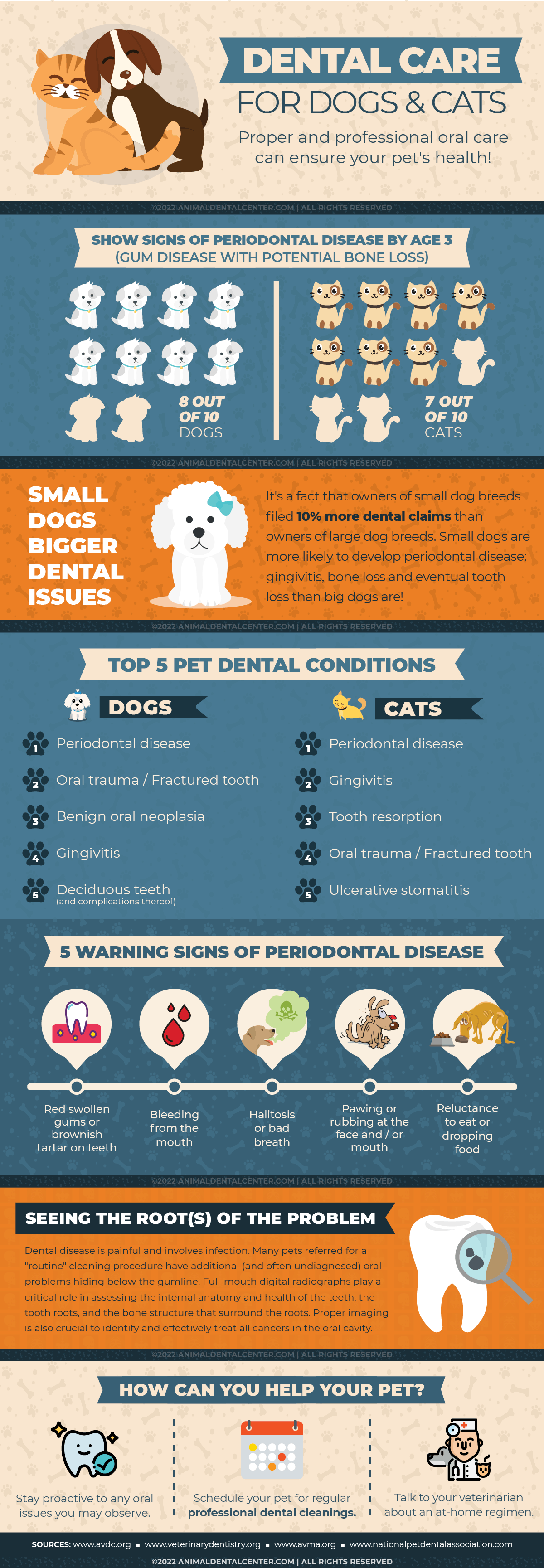
Food and water tell a story. Subtle changes matter.
Look for:
- Skipping meals or slow eating
- Begging more, raiding trash, or sudden hunger
- Big jumps in thirst or pee volume
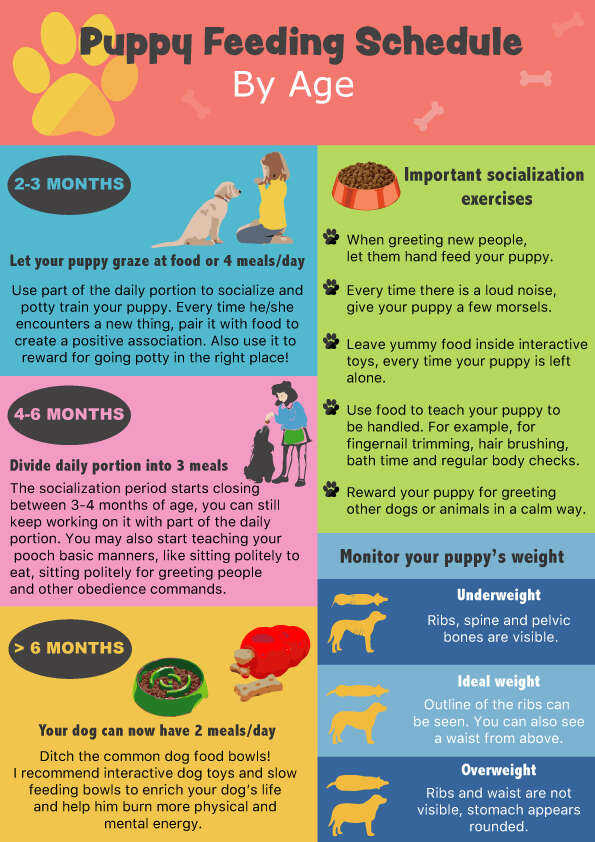
- Fast weight gain or loss
Sudden thirst shifts can point to kidney, liver, or endocrine issues. Unplanned weight change can mean pain, parasites, or chronic disease. Track cups of water and food. Numbers help your vet. This practical step is key in how to spot early signs of dog illness.

Breathing, Coughing, And Energy
Breathing should be smooth and quiet at rest. Energy should match your dog’s norm.
Red flags:
- Heavy panting at rest or in a cool room
- Fast breathing during sleep
- Coughing, gagging, or noisy breaths
- Fainting or sudden collapse on exercise
If a walk that was easy last week is now hard, pause. That change can hint at heart, lung, or pain issues. This is a common path in how to spot early signs of dog illness.

Skin, Coat, And Grooming
The skin is a window to health. Many illnesses show up here first.
Check for:
- Dull coat, more shedding, or mats
- Red, itchy, or flaky skin
- New lumps, fast-growing masses, or sores
- Smelly spots, hot areas, or oozing
Touch your dog from nose to tail once a week. Use your fingers like a gentle scanner. Note size, shape, and feel of any lump. This habit supports how to spot early signs of dog illness without stress.
Eyes, Ears, Nose, And Mouth
Small head-area signs are easy to miss. Do a quick face check.
Eyes:
- Redness, cloudiness, or discharge
- Squinting or light sensitivity
Ears:
- Odor, redness, head shaking, or tilting
- Brown, black, or pus-like discharge
Nose and mouth:
- Dry, cracked, crusty nose
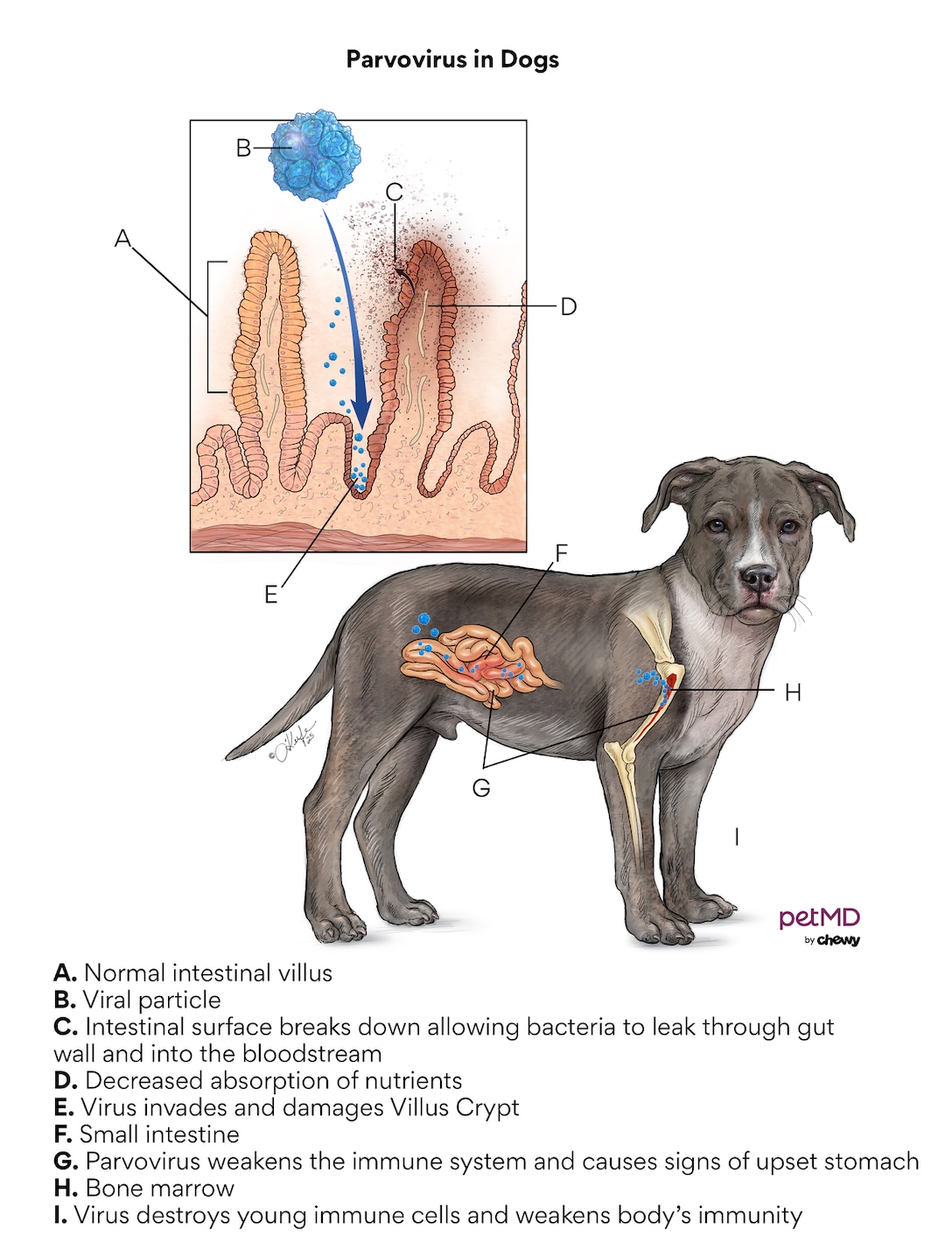
- Bad breath, drool, pawing at the mouth
- Red, pale, or bleeding gums
Dental pain is common and quiet. Gum color also reflects blood flow. These fast checks help with how to spot early signs of dog illness day to day.

Stomach And Bathroom Habits
The litter box of dogs is your yard. What you see there counts.
Watch for:
- Vomit, retching, or loss of appetite
- Diarrhea, mucus, or black, tar-like stool
- Straining, small or no urine, or house-soiling
- Gas, bloat look, or hard belly
If vomiting or diarrhea lasts more than 24 hours, call your vet. If you see blood or black stool, go sooner. Bathroom changes are a core part of how to spot early signs of dog illness.

Mobility And Pain Cues
Dogs rarely yelp when sore. They move less instead.
Pain signs:
- Stiffness on rising or after rest
- Slower on stairs or jumping into the car
- Limping or toe-tapping
- Licking a joint or chewing paws
- Low tail, tense face, pinned ears
Film a short clip of the limp or slow steps. Vets love video. Motion tells the truth. This is a smart way to support how to spot early signs of dog illness.
Vitals You Can Check At Home
A one-minute check can give big clues. Practice when your dog is calm.
Use these guides:
- Temperature: 99.5 to 102.5°F, rectal digital thermometer
- Resting pulse: 60 to 140 beats per minute, feel inside thigh
- Resting breaths: 10 to 30 per minute, watch chest rise
- Gum color: pink and moist, press and count refill under 2 seconds
Ranges vary by size, age, and breed. Track your dog’s normal. Changes from normal guide how to spot early signs of dog illness before they get worse.
When To Call The Vet Now
Some signs cannot wait. Do not watch and hope.
Seek urgent care if you see:
- Trouble breathing, blue or white gums
- Collapse, seizures, or severe weakness
- Swollen hard belly with retching and no vomit
- Repeated vomiting, blood in stool or urine
- Heat stress signs or toxin exposure
- Inability to pee or severe pain
If you feel a fast-growing lump, call soon. Fast growth needs a plan. Clear action is part of how to spot early signs of dog illness and act in time.
Preventive Steps And A Weekly Monitoring Plan
Good routines make health checks easy. Small steps add up.
Do this weekly:
- Scan nose to tail with your hands
- Check eyes, ears, teeth, and gums
- Note appetite, thirst, poop, and pee
- Weigh your dog or use a body score chart
- Record one sentence in a health log
Do this monthly:
- Review meds, preventives, and diet
- Wash bowls and clean bedding
- Trim nails and brush teeth
Do this yearly or as advised:
- Vet exam and blood work based on age
- Vaccines and parasite tests
Use one bowl for water to track intake. Use the same scoop for food each time. Keep photos of lumps with dates. A simple plan is the backbone of how to spot early signs of dog illness and keep your dog well.
Frequently Asked Questions of how to spot early signs of dog illness
What is the first thing I should watch for?
Small behavior changes. If your dog seems “off” for more than a day, start a log and call your vet if it continues.
How often should I check my dog’s vitals at home?
Practice once a month so you know normal numbers. Check any time your dog seems sick or not themself.
When is vomiting an emergency?
If it is repeated, has blood, or comes with weakness or belly pain, seek urgent care. One mild episode can be watched for 12–24 hours if your dog seems fine.
Are pale gums always bad?
Pale, white, or blue gums are urgent. They can mean shock, blood loss, or low oxygen and need fast vet care.
Can a small lump wait?
Track size, shape, and feel with a photo and ruler. If it grows, changes, or bothers your dog, book a vet visit soon.
How can I tell pain if my dog does not cry?
Look for stiffness, limp, slow stairs, or low mood. Dogs often show pain by moving less, not by noise.
Should I change food if my dog stops eating?
Do not rush a food change. Call your vet first to rule out illness, then consider diet steps if advised.
Conclusion
You know your dog best. Notice small shifts, write them down, and act fast when patterns form. Simple checks, clear notes, and steady care will keep problems small and your dog safe.
Start today. Set a weekly reminder, scan nose to tail, and log one line. Want more guides like this? Subscribe, share your story in the comments, and help another dog parent feel ready.

Pet Care Writer & Researcher
Daniel writes practical guides on daily care, feeding, and safety, turning complex topics into simple, actionable advice.