How To Stop A Puppy From Chewing Furniture: Pro Tips
Struggling with how to stop a puppy from chewing furniture? Use vet-approved training, chew swaps, and home-proofing to save your sofa fast.
Redirect to safe chews, supervise, confine, and meet needs daily.
If you are struggling with how to stop a puppy from chewing furniture, you are not alone. I help new dog owners with this every week. Puppies chew for normal reasons. But you can guide that urge. In this guide, I will show you how to stop a puppy from chewing furniture with a simple plan, science-backed tips, and real-life tricks that work fast.
Understand why puppies chew
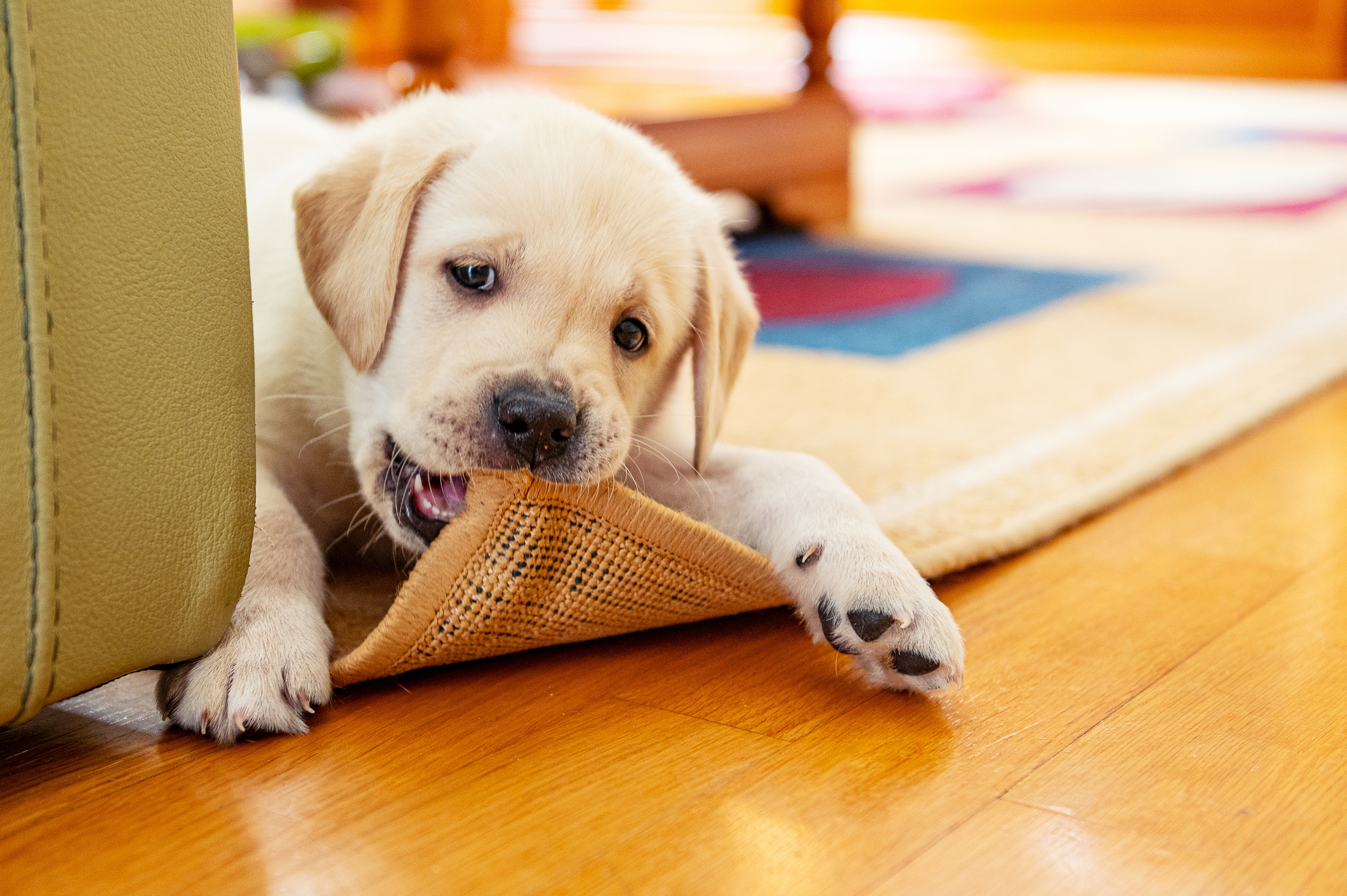
Puppies chew to explore the world. They also chew to soothe sore gums when teething. Chewing eases stress and helps them calm down. They do not know your coffee table cost a paycheck.
When you know the why, you can fix the how. To learn how to stop a puppy from chewing furniture, match your plan to the cause. Ease pain for teething. Help stress for alone time. Guide energy for bored pups.
Quick wins you can use today
If you need how to stop a puppy from chewing furniture right now, start here.
- Supervise. Keep a leash on indoors to guide your pup. Stay close.
- Manage. Use baby gates and a playpen to block rooms and sofas.
- Remove bait. Put shoes, cords, and remotes out of reach.
- Offer a trade. Swap the chair leg for a stuffed Kong or bully stick.
- Reward fast. Praise and treat when teeth touch the right item.
- Use taste deterrent. Apply a safe bitter spray to baseboards and legs.
- Close doors. Simple and effective.
These steps protect your home today while training builds.
Puppy-proof your home like a pro
A set-up beats a clean-up. Make the right choice the easy choice.
- Create a chew zone. Keep 4 to 6 approved chews in one basket.
- Rotate toys. Offer two or three at a time. Swap daily to keep it fresh.
- Cover targets. Use furniture covers or PVC guards on edges.
- Hide wires. Use cord covers and cable boxes.
- Trash lock. Use a closed can or store it behind a door.
- Set a potty and nap area. A rested pup chews less.
This is the base layer of how to stop a puppy from chewing furniture.
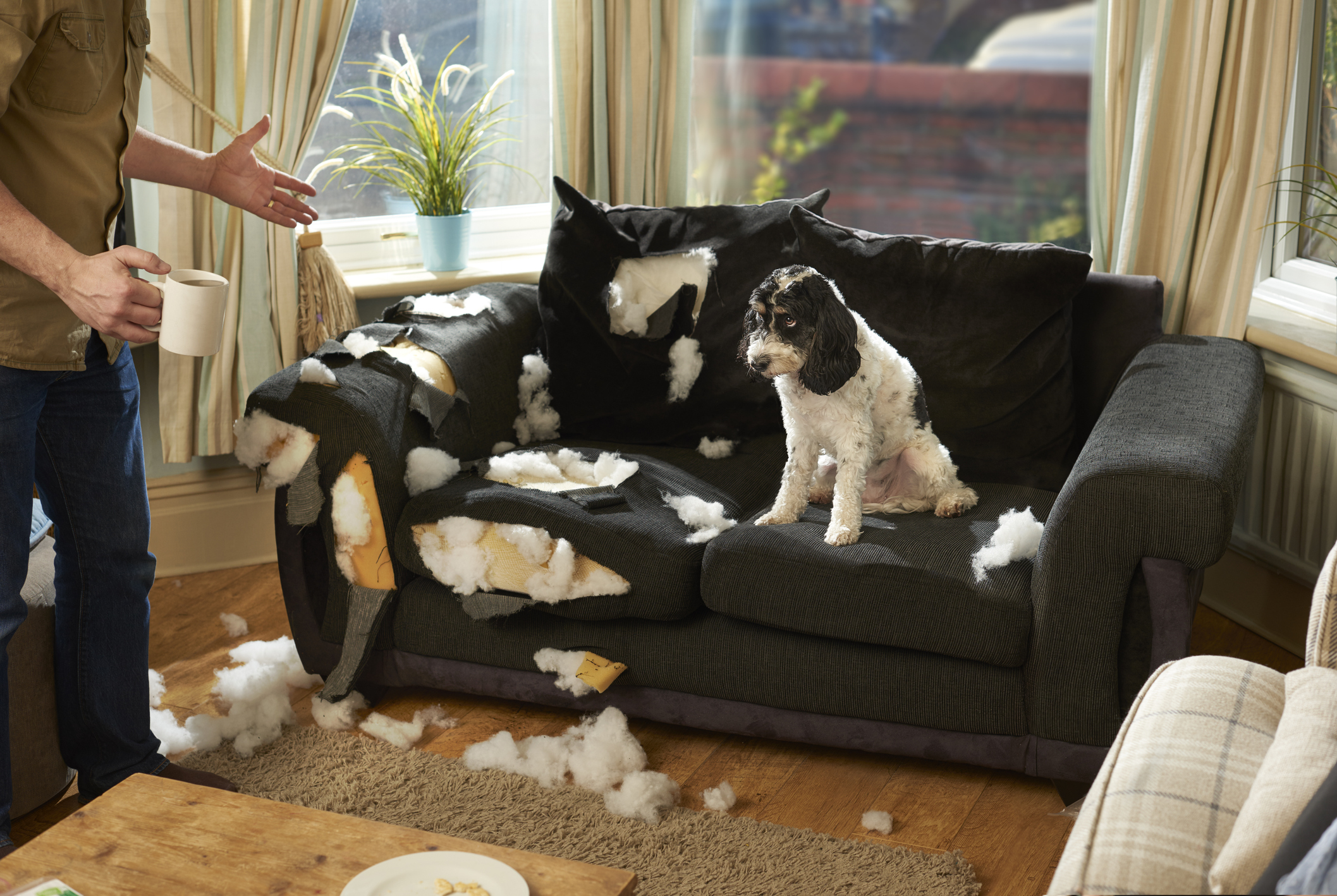
Teach chew toy skills: redirect, reward, repeat
Good chewing is a skill. You can teach it like sit.
- Step 1: Stock high-value chews. Think frozen Kongs, rubber toys, braided chews.
- Step 2: When your pup mouths furniture, say a calm nope or uh-uh once.
- Step 3: Offer a chew. Move it, squeak it, or smear a tiny bit of peanut butter.
- Step 4: The instant teeth hit the chew, mark with yes and give quiet praise.
- Step 5: Reward with a small treat while they chew. Add a second treat 10 seconds later.
- Step 6: Park them on a mat with the chew. Scatter two treats on the mat.
- Step 7: Practice three times a day for two minutes.
This pattern builds a habit. It is the heart of how to stop a puppy from chewing furniture.
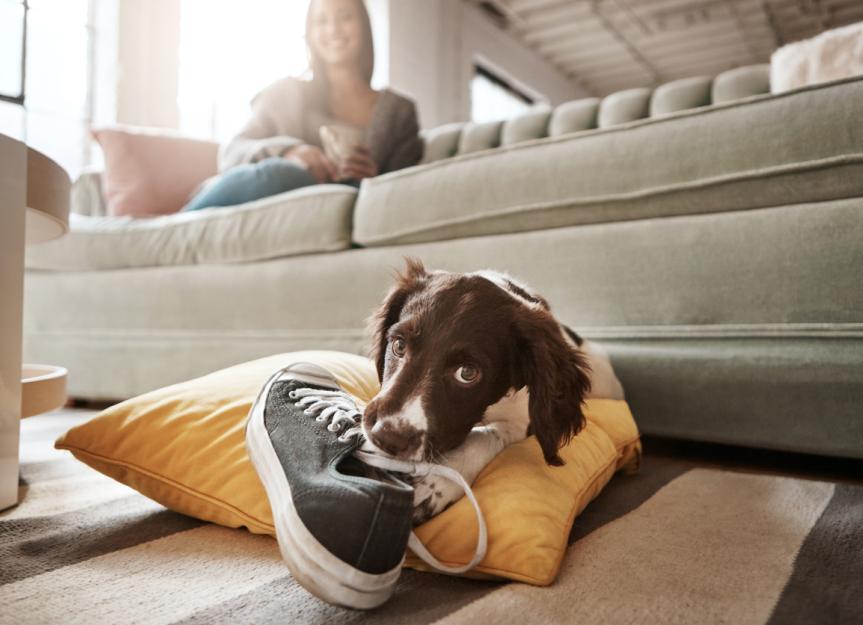 exercise, brain games, rest”
style=”max-width: 100%; height: auto; border: 2px solid black; border-radius: 10px; display: block; margin: 0 auto;”
loading=”lazy”
/>
Build a daily rhythm: exercise, brain games, rest
Most chewing spikes when needs are unmet. Match your day to your pup.
- Short walks. Aim for several mini walks. A safe guide is about five minutes per month of age, up to twice a day. Ask your vet for your breed.
- Play bursts. Two or three play sessions. Keep them short.
- Scent games. Scatter kibble in a snuffle mat or towel.
- Training bites. Five-minute sessions of sit, down, and name games.
- Rest windows. Two to three naps. Overtired pups chew more.
A steady routine is a quiet home. It is also how to stop a puppy from chewing furniture without drama.
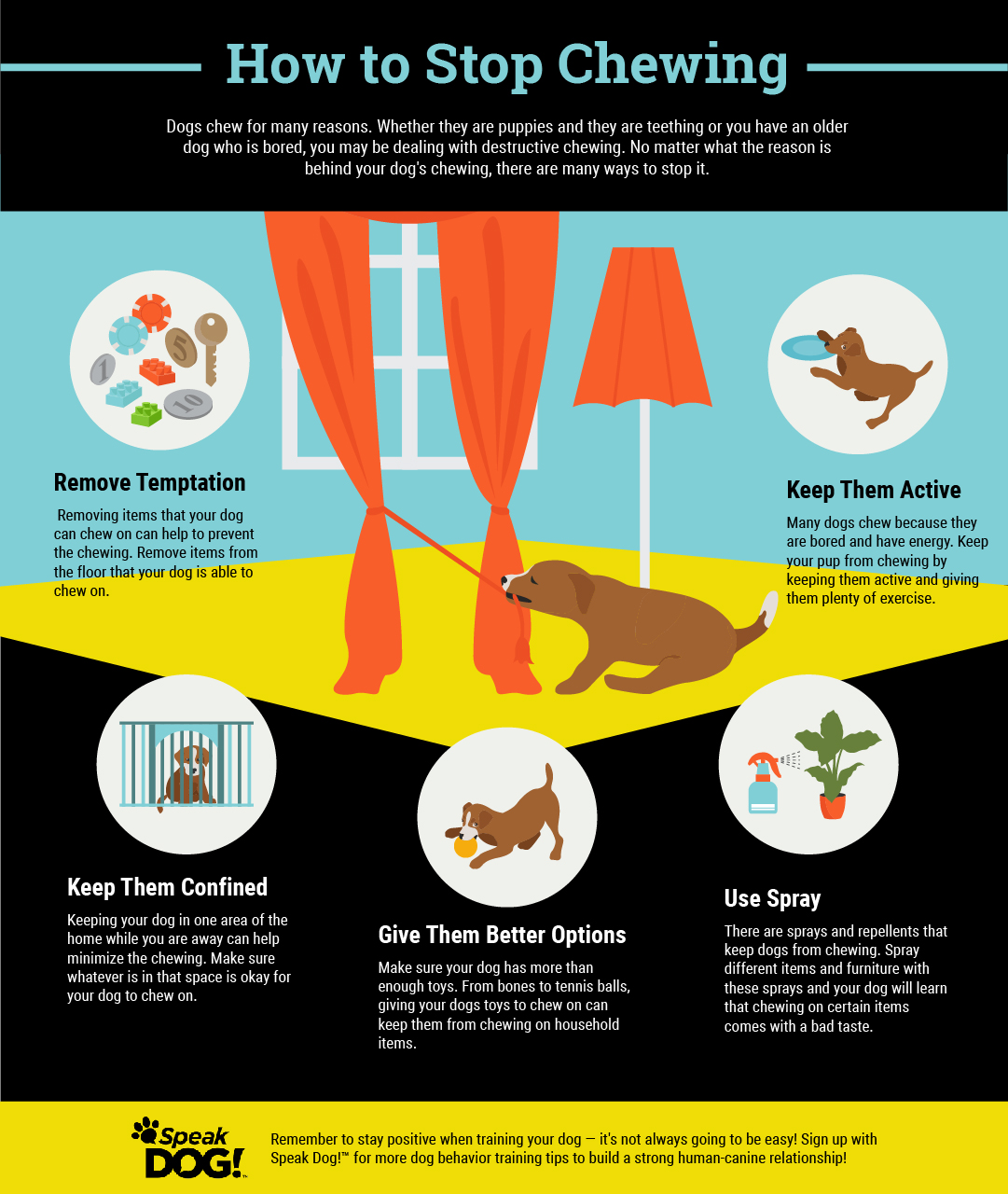
Smart deterrents that actually work
Taste deterrents can help, but they are not magic.
- Choose safe options. Bitter apple, bitter cherry, or citrus sprays made for dogs.
- Test first. Spray a cloth, then touch to your pup’s lips. If they dislike it, use it. If they like it, choose another.
- Apply right. Clean the surface. Spray daily at first. Reapply after cleaning.
- Pair with training. Always offer a chew after a lick and reward that choice.
Use deterrents as a seatbelt, not the engine. Training drives change.

Crates, pens, and safe spaces
Confinement is kind and smart when used well.
- Happy crate. Feed meals in the crate. Add a stuffed Kong at nap time.
- Short stays. Start with five minutes. Build up slowly.
- Playpen life. Set a pen with a bed, water, and two safe chews.
- Tether time. Clip the leash to your belt for easy redirection.
This is how to stop a puppy from chewing furniture when you cannot watch every second.
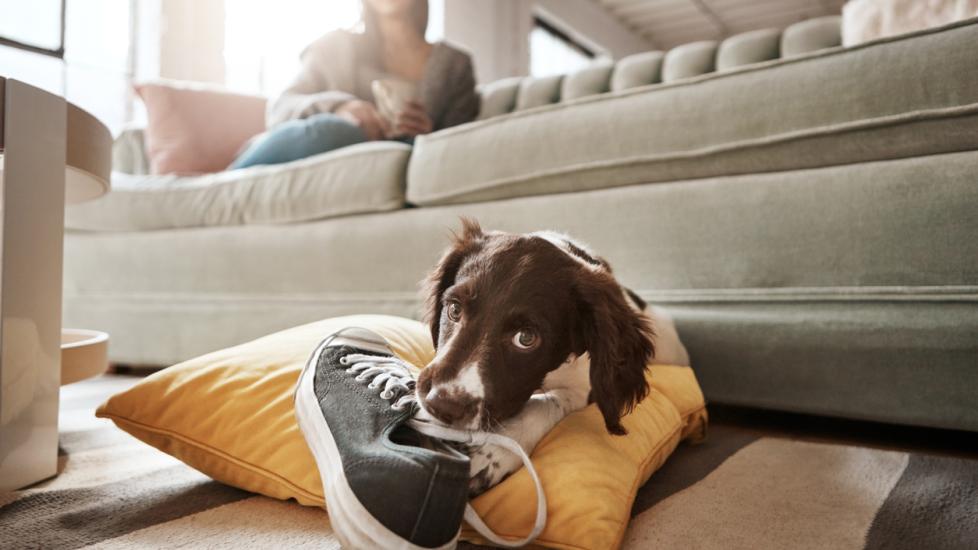
Teething comfort and oral health
Teething peaks around four to six months. Help their gums.
- Freeze toys. Wet a washcloth, twist it, and freeze. Offer under watch.
- Cold chews. Freeze Kongs with yogurt or canned food.
- Texture mix. Offer rubber, rope, and nylon designed for puppies.
- Vet check. Ask about safe long chews and what to avoid.
When pain drops, chewing eases. That makes how to stop a puppy from chewing furniture much simpler.
Family rules that keep training consistent
Training fails when rules change by room or person.
- House rule. Furniture is never a chew toy. No jokes or tug on cushions.
- One cue. Use the same no and try this from every person.
- Same rewards. Keep the same two or three chew brands.
- Track wins. Use a whiteboard to note calm chews and accidents.
Consistency is your secret power. It shortens the time to results.
Troubleshooting: what to do when chewing grows
Sometimes chewing flags a bigger need.
- Stress signs. Pacing, whining, or heavy panting may mean anxiety.
- Long alone time. Chewing may fill hours without enough breaks.
- Diet and hunger. A growing pup needs the right calories and meals.
- Medical pain. Mouth pain or a retained baby tooth can drive chewing.
If the pattern is severe or sudden, call your vet. A certified trainer can help with a plan. This is still how to stop a puppy from chewing furniture, just with added support.
A simple 7-day plan to build the habit
Here is a clear path for how to stop a puppy from chewing furniture in one week.
- Day 1: Puppy-proof. Set gates. Stock five chews. Start leash supervision indoors.
- Day 2: Teach redirect. Three mini sessions. Reward fast when teeth hit toys.
- Day 3: Add routine. One sniff walk. Two brain games. Two naps in crate with a Kong.
- Day 4: Spray deterrent. Reapply once. Keep redirect practice.
- Day 5: Rotate toys. Freeze two Kongs. Add a mat settle after dinner.
- Day 6: Short alone times. Two crate sessions of 10 minutes with chews.
- Day 7: Review wins. Note best chews. Tighten weak spots with gates or tethers.
Repeat and adjust. Most homes see clear progress by week two.
Real-life tips from the field
I see the same patterns in most homes.
- Labs love to carry wood. Offer big rubber toys they can grip.
- Herding breeds need jobs. Use a snuffle mat and a long-lasting chew at 5 pm.
- Tiny pups tire fast. Keep play short. Add more naps instead.
- Trade, do not chase. If you chase, you teach keep-away.
- Celebrate calm. Quiet chewing on a bed is gold. Mark it and treat.
Small moves like these make how to stop a puppy from chewing furniture feel easy.
Frequently Asked Questions of how to stop a puppy from chewing furniture
Why does my puppy chew only when I leave the room?
This can be stress or boredom. Use a playpen with a stuffed Kong and build alone time in small steps.
Are bitter sprays safe for puppies?
Most dog-specific sprays are safe when used as directed. Test for taste, avoid eyes, and reapply on clean surfaces.
How many chew toys should my puppy have?
Keep four to six safe options and rotate daily. Variety keeps interest high and protects furniture.
Is crate training required to stop chewing?
It is not required but very helpful. A crate or pen gives safe rest and prevents bad habits when you cannot supervise.
What chews are best during teething?
Use soft rubber toys, frozen Kongs, and frozen cloth under watch. Avoid very hard items that can crack teeth.
How long until the chewing phase ends?
Most puppies improve after teething ends around six months. Good habits stick with steady training and routine.
Conclusion
You can guide a puppy’s chew drive with a clear plan. Supervise, manage the space, redirect to better choices, and reward fast. Meet their needs for play, brain work, and rest. Use taste sprays and confinement as helpers, not the whole plan.
Start today with one win. Offer a stuffed Kong when you sit on the couch tonight. This is the small, steady path to a calm home and a happy dog. If you found this helpful, subscribe for more training guides or drop a question in the comments.

Pet Care Writer & Researcher
Daniel writes practical guides on daily care, feeding, and safety, turning complex topics into simple, actionable advice.