How To Stop Dog From Excessive Barking: Proven Tips 2026
Learn how to stop dog from excessive barking with trainer-backed tips, simple routines, and humane tools. Click for calm walks and quieter nights.
Use calm training, manage triggers, reward silence, and meet exercise needs.
You’re here because you need real, working answers on how to stop dog from excessive barking. I’ve helped hundreds of families fix noisy habits with simple steps, smart training, and humane tools. This guide breaks down why barking happens and exactly how to change it, so you can feel confident about how to stop dog from excessive barking for good.
Understanding why dogs bark
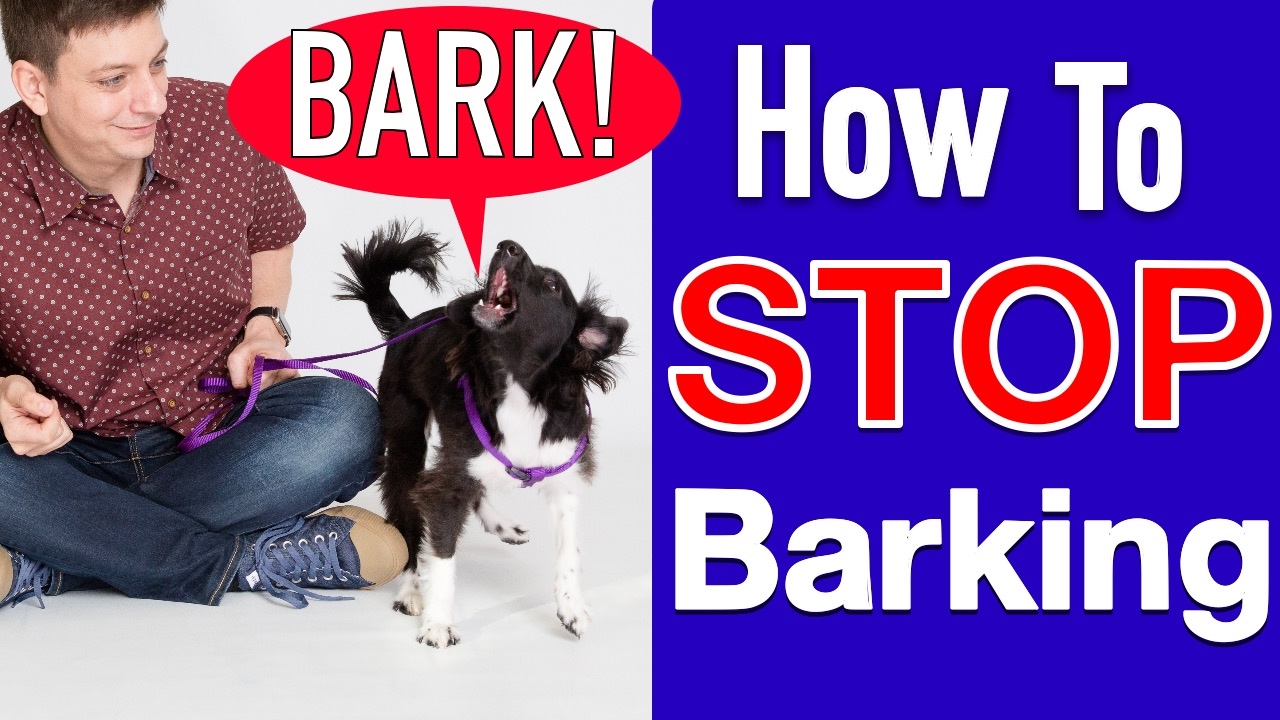
Barking is normal. It is a dog’s voice. But it can become a habit when needs are not met or when patterns get reinforced.
Most excessive barking comes from four places. There is emotion, like fear or frustration. There is need, like boredom or lack of exercise. There is habit, which grows each time barking works. And there is health, like pain or cognitive change.
When you target the cause, change is faster. That is the core of how to stop dog from excessive barking.
- Alert: Dog hears or sees something and sounds the alarm.
- Demand: Dog wants attention, food, or the ball thrown.
- Fear: Dog feels unsafe and barks to create space.
- Frustration: Dog cannot reach a thing it wants.
- Loneliness: Dog is left alone and calls out.
- Pain or medical: Dog barks due to discomfort or confusion.

Types of barking and what they mean
You can read barking like a language. Each type has a tone and a pattern. When you match the plan to the type, the noise drops fast.
- High, sharp, fast bursts: Alert barking. Often at doors or windows.
- Rhythmic, steady, with pacing: Lonely or bored. Often when left alone.
- Growl-bark mix, body low, ears back: Fear-based. Needs safety first.
- Single bark with stare and pawing: Demand barking. Often learned.
- Deep, loud, repeats with lunging: Barrier frustration at fences or leashes.
To master how to stop dog from excessive barking, start by naming the type you hear.
:strip_icc()/puppy-barking-2804577-f7f6bffd80fa4edca1bd247ba52fc0a6.jpg)
Step-by-step plan to stop excessive barking
Here is the simple, proven path I use with clients. Follow it in order. Keep notes as you go.
- Meet needs first. Give daily exercise, sniff time, and mental games.
- Block triggers. Use film on windows, white noise, and baby gates.
- Teach a quiet cue. Mark and reward one to two seconds of silence.
- Change the picture. Pair triggers with treats until calm replaces noise.
- Stop feeding the habit. Do not give attention during demand barking.
- Give a job. Teach place or settle for doorbells and guests.
- Use fair tools. Try treat pouches, long lines, and puzzle feeders.
- Log progress. Track time of day, triggers, and wins.
- Raise difficulty slowly. Add small doses of real-life triggers.
- Get help if stuck. A vet or trainer can spot hidden causes.
This is the cleanest way I know for how to stop dog from excessive barking.

Training techniques that work
The quiet cue: capture silence
- Wait for a tiny pause in barking.
- Say quiet once. Mark the silence. Pay with a small treat.
- Build from one second to five, then to ten, then to thirty.
Tip from the field: In my home, I drop a small treat on a mat when my dog stops. The mat becomes a calm magnet.
Desensitization and counterconditioning
– Start far from the trigger where your dog stays calm.
- Trigger happens at a low level. Treat arrives right away.
- Repeat until the trigger predicts calm and food, not fear.
This duo is the science-backed heart of how to stop dog from excessive barking due to fear.
Alternative behaviors: place and settle
- Teach place on a bed. Reward calm on the bed.
- Add the doorbell sound. Send to place. Feed a calm down-stay.
- Practice one minute a day. Real wins come fast with this.
The three-second rule for demand barking
- If barking starts for attention, look away and stay still.
- When quiet lasts three seconds, mark and reward.
- Repeat. Your dog learns silence is the key that opens you.
Door drills with decoys
- Record your own doorbell on your phone.
- Play it at low volume. Send to place. Treat calm.
- Turn up the volume over days. Then add a friend at the door.
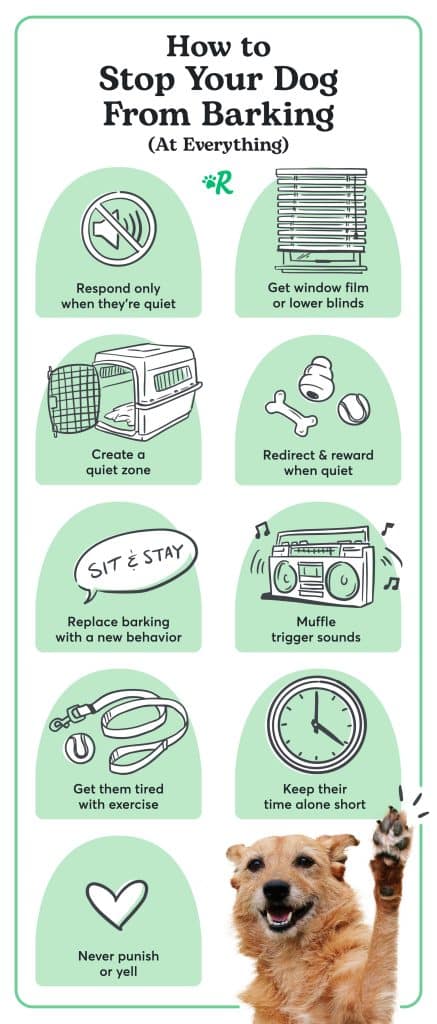
Tools and products: what helps, what to avoid
Good tools make training smoother. Bad tools harm trust. Choose with care.
Helpful tools:
- Window film or curtains: Cuts visual triggers at street level.
- White noise or fans: Masks sounds for sound-sensitive dogs.
- Treat pouches and clickers: Make timing clean and fast.
- Long lines and harnesses: Reduce leash frustration safely.
- Food puzzles and snuffle mats: Burn mental energy indoors.
Use with caution:
- Bark-activated citronella collars: May reduce some barking, but often stress dogs and do not fix the cause.
Avoid:
- Shock collars: They can raise fear and aggression and often make barking worse later.
- Debarking surgery: Does not fix the cause and carries risk.
For how to stop dog from excessive barking in a kind way, invest in management and training tools, not pain.
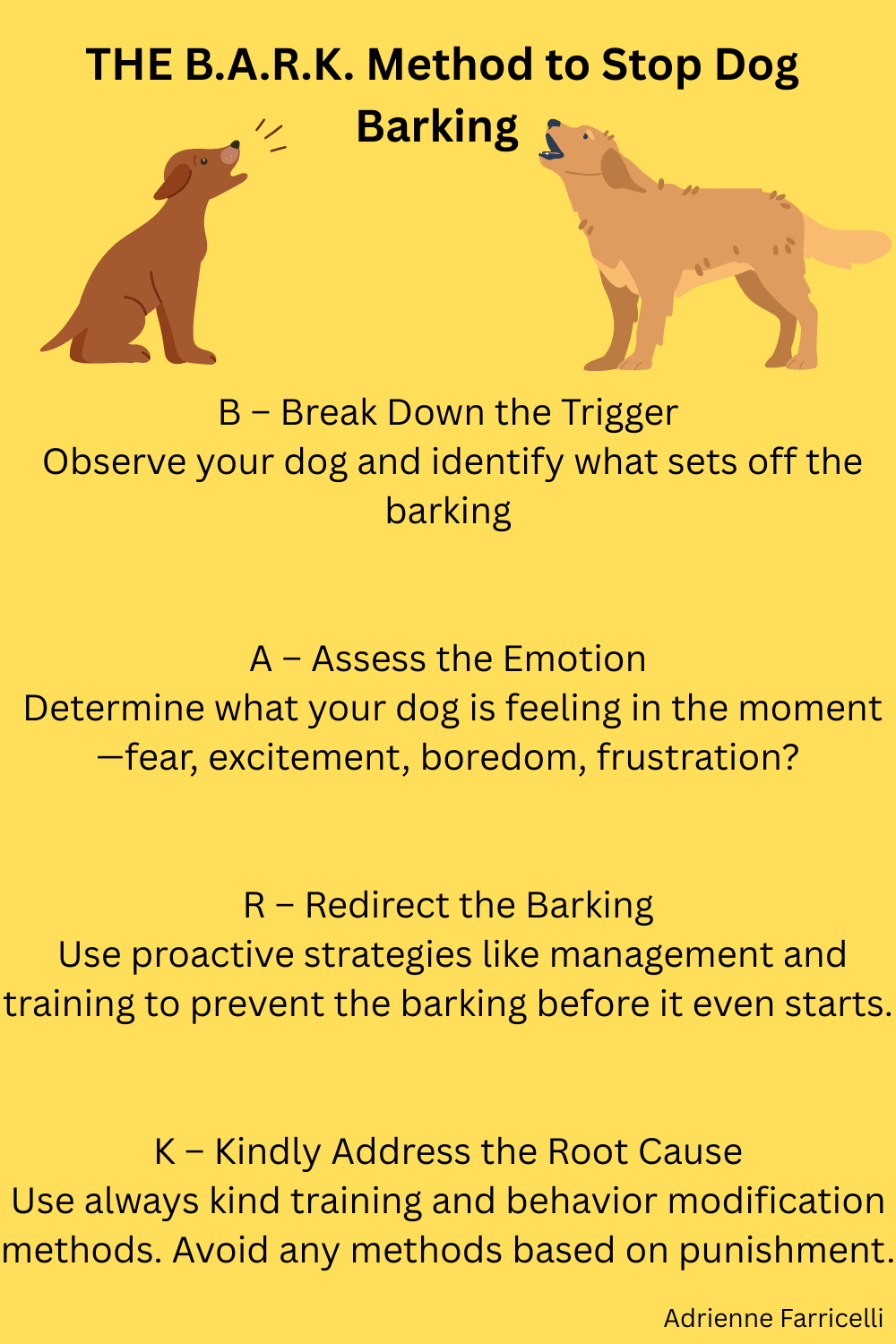
Addressing barking triggers: specific scenarios
Barking at the door or doorbell
- Pre-load the place cue. Reward calm on the bed every day.
- Ring the bell at low volume. Send to place. Pay calm.
- Add a human at the door once your dog can hold a five to ten second settle.
Barking at passersby or cars
- Frost the lower windows. Build a quiet zone away from views.
- Reward calm looking. Use find-it games to break fixation.
- Add short, calm sits at windows with pay for silence.
Barking at other dogs on walks
- Switch to a front-clip harness. Add distance from the trigger.
- Use a pattern game, like three treats to the ground in a row.
- When your dog can look and look back to you, close the gap a little.
Barking at night
- Rule out needs: potty, pain, or cold.
- Add white noise. Crate or bed near you if fear is high.
- Give a stuffed Kong at bedtime to settle the mind.
Barking when left alone
- Film the first 30 minutes. Look for pacing or panic.
- Start short absences with a chew. Return before panic starts.
- If panic shows, see your vet and a behavior pro. Medical help may be needed.
I use this map in real homes. It is a field-tested way for how to stop dog from excessive barking in common, messy life scenes.
Health and mental wellness checks
Sometimes barking is a red flag. Pain, itch, ear issues, or cognitive decline can drive noise. Older dogs can bark more at night when confusion sets in.
Book a vet exam if barking starts fast, changes tone, or comes with new signs. Ask about pain control, thyroid panels, and ear checks. Daily sniff walks, food puzzles, and training games cut stress and meet brain needs.
Breed traits matter too. Herding and guardian breeds alert more. That means more work on calm habits. It does not mean you cannot solve it. It just means the plan must be steady. This lens is key for how to stop dog from excessive barking with fairness.
Measuring progress and staying consistent
What gets measured gets better. Track the time of day, the trigger, and how fast your dog recovers.
Use a bark log:
- Trigger and distance.
- How long it took to get quiet.
- Treats used and what worked.
Aim for trends, not perfection. In my cases, we see a 30 to 50 percent drop in the first two weeks when owners stick to the plan. If you see no change, lower the difficulty. That keeps wins coming. This data-led loop is vital in how to stop dog from excessive barking without guesswork.
Common mistakes to avoid
These errors stall progress. Skip them and you save weeks.
- Talking or yelling during barking: Your voice often fuels more noise.
- Inconsistent rules: Silence pays some days, barking pays on others.
- Going too fast: Add triggers in tiny steps, not big leaps.
- Forgetting needs: A bored dog will invent its own job.
- Over-reliance on gimmicks: Tools help, but training changes behavior.
When you avoid these traps, you keep momentum in how to stop dog from excessive barking.
Frequently Asked Questions of how to stop dog from excessive barking
How long does it take to stop excessive barking?
Most homes see real change in two to four weeks with daily practice. Severe fear or separation issues can take months and may need pro help.
Will my dog stop barking completely?
No. Barking is normal. The goal is control and calm, not silence. You are teaching choice, not muting your dog.
Are bark collars a good fix?
Shock collars can raise fear and strain trust, and often backfire later. Focus on training, management, and, if needed, vet-backed plans.
What if my dog only barks when I’m gone?
Record video to confirm the pattern. Start a gradual alone-time plan and speak with your vet and a trainer if signs of panic show.
Can I fix barking without hiring a trainer?
Yes, many cases respond to structured home plans. If progress stalls or your dog is fearful, a qualified professional can speed success.
Conclusion
Quiet starts with needs met, triggers managed, and clear training that pays calm. Use simple steps, reward silence, and build habits your dog can rely on. You now have a humane, proven map for how to stop dog from excessive barking and keep peace at home.
Take one small step today. Frost a window, teach a one-second quiet, or start a bark log. Want more guides like this? Subscribe or leave a comment with your dog’s barking trigger and I’ll help you tailor the plan.

Pet Care Writer & Researcher
Daniel writes practical guides on daily care, feeding, and safety, turning complex topics into simple, actionable advice.