How To Stop Dog From Licking Paws: Vet-Approved Tips
Get quick, vet-approved solutions on how to stop dog from licking paws. Learn causes, at-home fixes, and when to see a vet for lasting relief.
Break the itch cycle, treat the cause, and protect paws now.
If you want to know how to stop dog from licking paws, you’re in the right place. I’ve helped many dogs kick this habit for good, and I’ll show you what works. We’ll move from quick fixes to deep causes, with clear steps you can use today and tools to prevent flare-ups.

Why dogs lick their paws: the real reasons
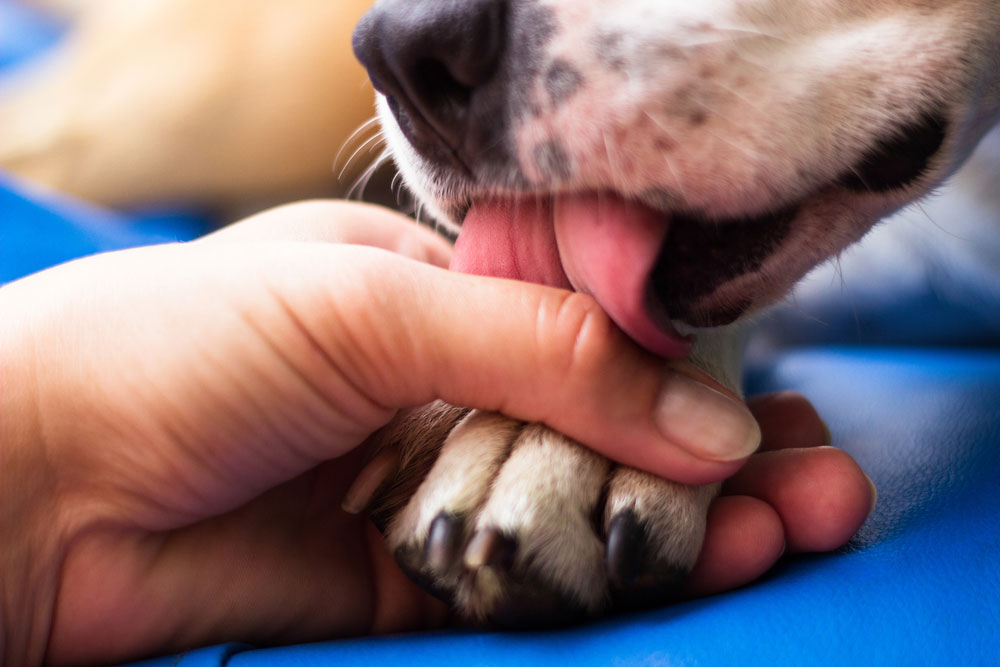
Dogs lick for a reason, not to annoy you. The most common causes are allergies, infections, pests, pain, and boredom. If you want how to stop dog from licking paws, start by finding the root cause.
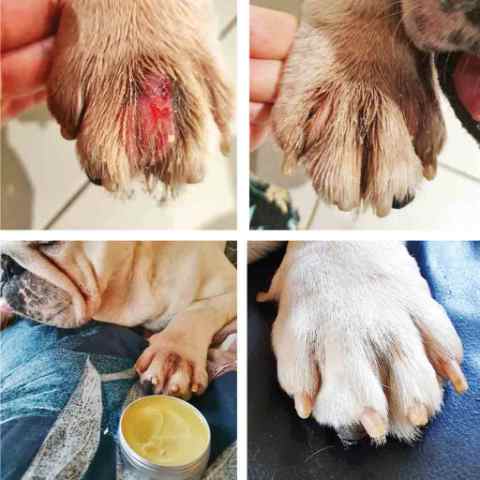
- Allergies can be seasonal, food-based, or due to dust and mold. Many dogs lick red, itchy toes after walks or in spring.
- Infections from yeast or bacteria grow fast in moist, warm paws. You may see redness, a bad smell, or brown fur stains.
- Parasites like fleas or mites can drive a dog mad with itch. Even one flea bite can set off a big flare.
- Pain from a torn nail, cut, arthritis, or a thorn will cause sudden licking, often one paw only.
- Behavior issues from stress or boredom make licking feel soothing. It becomes a habit and a cycle.
Studies in veterinary dermatology show allergies rank high in chronic paw licking. Infections then build on top of the itch. That is why we must treat both the trigger and the habit.
Quick triage: when paw licking is an emergency
Sometimes you should not wait. Call your vet fast if you see any red flags. Fast care saves pain and prevents worse damage.
- Sudden nonstop licking of one paw after a walk or run.
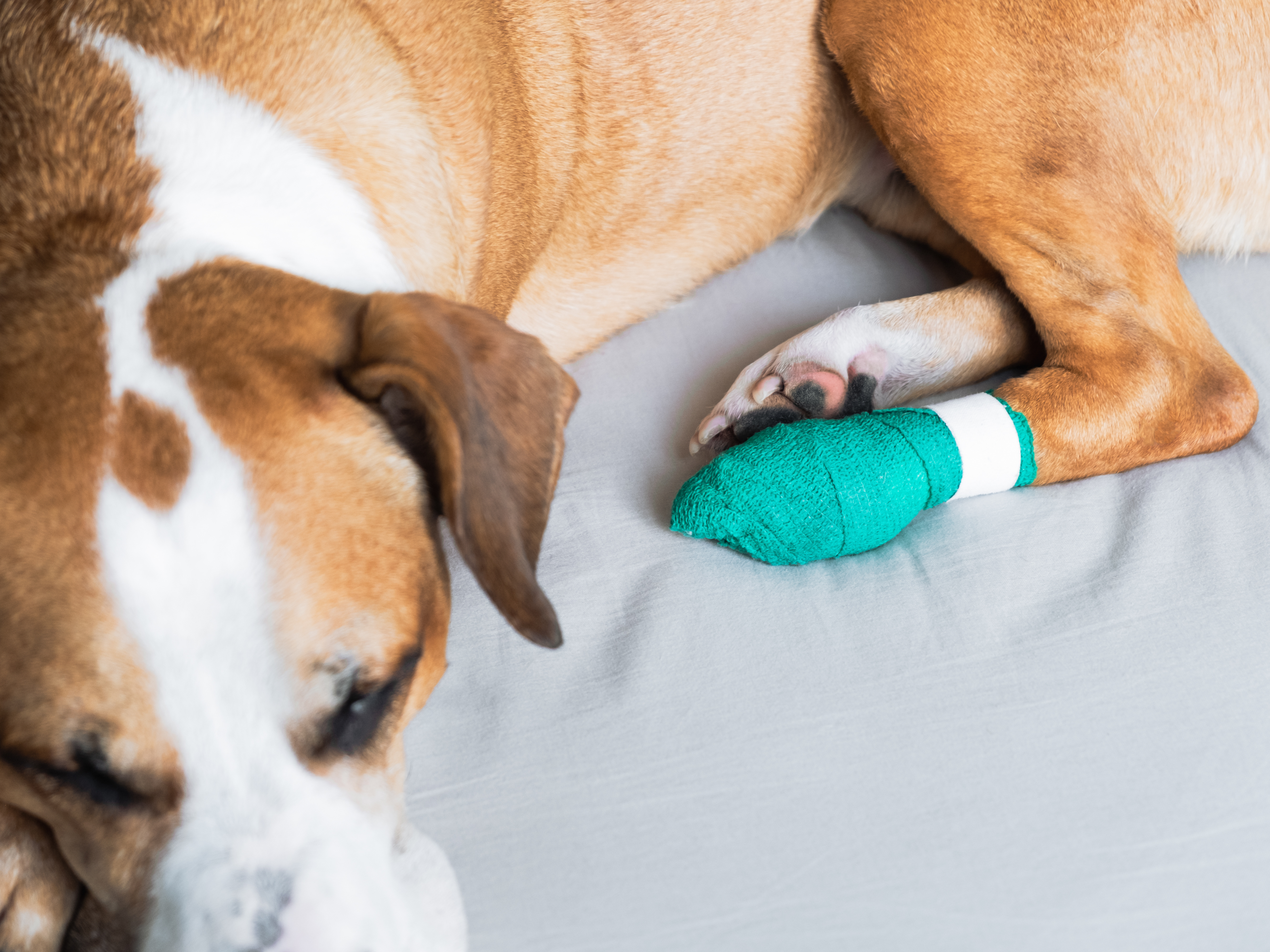
- Swelling, bleeding, pus, a broken nail, or a foul smell.
- A deep cut, a thorn, a cracked pad, or a burn from hot pavement or salt.
- Lameness, fever, or your dog seems very tired.
- A mass between the toes or a dark spot that grows.
If in doubt, take a clear photo and call your vet. Quick, calm action helps your dog and gives you a plan.
Step-by-step plan: how to stop dog from licking paws
Here is the simple plan I use in the clinic and at home. It breaks the itch–lick–injury loop. It also treats the root cause. This is how to stop dog from licking paws in a safe, steady way.
- Break the cycle today
- Use a comfy cone or a soft recovery collar. You can also use a dog sock or a breathable boot when you watch them.
- Only cover a clean, dry paw. Moisture under a sock can feed yeast.
- Supervise. Never leave a boot on all day.
- Clean and dry the paws
- Rinse with lukewarm water after walks. Pat dry well, even between toes.
- Use a 2–4% chlorhexidine wipe once or twice a day for 5–7 days if the skin is pink and itchy. Avoid eyes and mouth.
- Do not use hydrogen peroxide. It delays healing.
- Calm the skin
- Ask your vet about a short course of an anti-itch plan. It may include prescription meds if the itch is high.
- For mild spots, a vet-approved paw balm can help the skin barrier. Skip human creams with zinc or tea tree oil.
- Remove triggers
- Wipe paws after grass walks during pollen season.
- Treat fleas and mites with a proven monthly product year-round.
- Use unscented laundry soap and floor cleaners.
- Enrich the day
- Add a long sniff walk, a food puzzle, and a short training game.
- A busy brain licks less. Behavior is part of how to stop dog from licking paws for good.
- Watch and track
- Take a daily photo of each paw. Note scratching times, food, and weather.
- This log guides you and your vet.

Home care that works
Good home care can stop many mild cases in days. Keep it simple, safe, and steady. Small steps beat big swings.
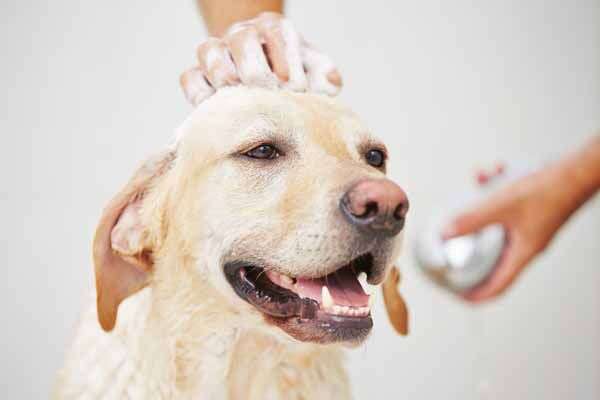
- Paw baths two to three times a week with a gentle, vet-grade shampoo. Rinse well. Dry fully with a towel and cool air.
- Trim the fur between toes to reduce mats and trapped debris. Keep nails short to avoid toe strain.
- Use dog boots on hot roads, ice, or salted sidewalks. Salt burns pads.
- Try a bitter-tasting spray only if your dog is calm with it. If it raises stress, skip it.
- If a paw is raw, protect it with a clean sock and tape above the wrist. Remove at night and let the skin breathe.
I have seen many dogs stop paw licking once owners build this simple rinse–dry–protect routine. It feels basic, but it works.

Diet, allergies, and gut health
Food can play a role, but it is not always the cause. Many dogs have environmental allergies and lick more in spring and fall. Still, diet can help the skin stay strong.
- Try a true elimination diet for 8–12 weeks with your vet’s help. Use a hydrolyzed or novel protein. No treats unless they match the diet.
- Add high-quality omega-3s with your vet’s guidance. They help soothe skin over weeks, not days.
- Probiotics can support gut balance. Pick a product made for dogs.
Data shows that skin barrier support and omega-3s lower itch in many dogs. Food trials need time. Be patient and stick to the plan if you want how to stop dog from licking paws to last.
Behavior and boredom: breaking the habit
Licking can turn into a self-soothing loop. Your dog licks to feel calm. The tongue rub then makes the skin itch more. So the loop grows.
- Meet daily needs: two walks, sniff time, play, and short training.
- Offer chew items, lick mats, and puzzle bowls at peak lick times, like evenings.
- Reward calm paws. Mark and treat when your dog rests without licking.
- Use place training and a cozy mat to teach relax on cue.
- If anxiety runs high, ask your vet about a plan. Behavior meds can help while you retrain.
This blend of structure and enrichment is key in how to stop dog from licking paws long term.

Vet treatments you should know
When home care is not enough, your vet has strong tools. These target the cause and stop the itch fast.
- For infections: topical wipes, mousses, or drops; sometimes oral meds for deep cases.
- For allergies: modern anti-itch meds, immunotherapy shots or drops, and short steroid use for flares.
- For parasites: proven preventives that also cover mites.
- For pain: anti-inflammatories and wound care if there is an injury.
- For rare cases: tests for thyroid or hormone issues.
Research shows that controlling itch early speeds skin healing. Team up with your vet for how to stop dog from licking paws when the case is chronic or severe.

Prevention: your daily paw care checklist
A simple checklist keeps paws clean and calm. It also helps you spot small problems before they grow.
- Wipe and dry paws after each walk.
- Keep nails short and trim fur between toes monthly.
- Use boots in heat, snow, or on rough trails.
- Stay current on flea and tick prevention.
- Keep a photo log and note flare triggers.
Follow this list and you will work less over time. It is the quiet secret to how to stop dog from licking paws before it starts.

My experience: what finally worked for stubborn paw licking
One of my toughest cases was a sweet Lab named Max. He had red paws every spring and licked all night. We tried wipes, boots, and cones. Nothing stuck.
The fix was simple but strict. We did a pollen wipe-down after every walk, a cone at night for two weeks, and a vet anti-itch plan for the first 10 days. We also added a food puzzle at 8 p.m., his worst lick time. By week three, Max slept through the night with quiet paws. His owner kept the routine, and the next spring was calm.
I learned this: stack small wins. That is how to stop dog from licking paws and keep it that way.
7-day reset plan to stop paw licking
This plan stops the spiral and gives you data fast. It is simple, clear, and kind.
Day 1
- Vet check if red flags. Start a cone or soft collar. Rinse and dry paws. Begin daily photos.
Day 2
- Add chlorhexidine wipes twice a day if skin is pink. Start enrichment at peak lick times.
Day 3
- Trim fur between toes. Shorten nails. Add boots for walks if ground is hot or salty.
Day 4
- Switch to unscented cleaners at home. Wipe paws after every walk. Keep a log of walks, food, and itch.
Day 5
- If itch stays high, call your vet about anti-itch meds. Ask about allergies and a diet trial.
Day 6
- Review your log. Note patterns. Keep cone at night if licking restarts.
Day 7
- Adjust what worked. Plan the next two weeks. This steady path is how to stop dog from licking paws for good.
Frequently asked questions of how to stop dog from licking paws
How can I tell if it is allergies or an infection?
Allergies cause itch first, often with red skin and seasonal flares. Infections add smell, moist spots, and brown staining, and need targeted treatment.
What can I put on my dog’s paws to stop licking?
Use a vet-approved paw balm on clean, dry skin. Avoid human creams with zinc or tea tree oil, and use a cone if your dog might lick it off.
Do bitter sprays work to stop licking?
Sometimes they help, but they can raise stress in some dogs. If your dog gets anxious or avoids you, stop and use a cone and training instead.
Will changing food fix paw licking?
Food helps some dogs, but not all. A strict 8–12 week elimination diet with your vet is the best way to test it.
How long does it take to see results?
Mild cases can improve in 3–7 days with cleaning and protection. Allergies and chronic cases may need 4–8 weeks and a vet plan.
Conclusion
Paw licking has causes you can find and fix. Break the lick loop, clean and protect the skin, and remove the triggers. Use your vet when the itch runs high or you see red flags.
Start today with one step: rinse, dry, and protect. Then add the next step tomorrow. Small wins stack fast. If this guide helped, share it with a friend, subscribe for more simple pet tips, or leave a comment with your dog’s progress.

Pet Care Writer & Researcher
Daniel writes practical guides on daily care, feeding, and safety, turning complex topics into simple, actionable advice.