How To Stop Dog Pulling On Leash: Trainer-Backed Tips 2026
Struggling with walks? Learn how to stop dog pulling on leash with step-by-step, vet-approved methods and quick fixes. Calmer strolls start today.
Teach loose leash walking with rewards, right gear, and calm, consistent practice.
If you feel dragged on every walk, you are not alone. As a trainer who has coached hundreds of teams, I’ll show you how to stop dog pulling on leash with clear steps, proven tools, and kind methods. This guide blends real-world experience with behavior science. Read on to turn tug-of-war walks into smooth, relaxed strolls.

Why dogs pull on leash
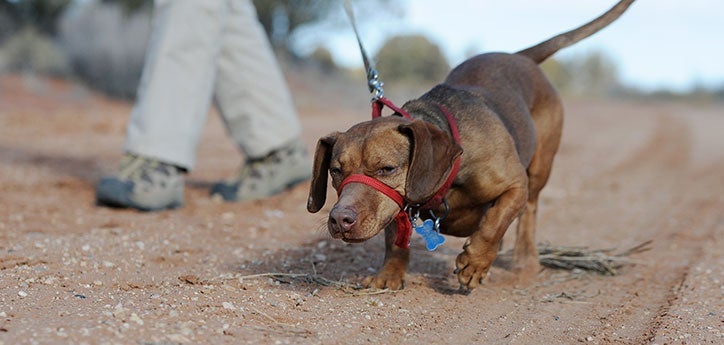
Dogs pull because pulling works. It gets them where they want, fast. That simple loop rewards the habit each walk.
There is also a natural reflex. When something holds a dog back, the body leans forward. We call that opposition reflex. Strong breeds feel it even more.
A busy world adds pressure. Squirrels, smells, and people raise arousal. If we add tight leashes and big goals, the dog pulls harder. To fix it, we change the habit and the setup. That is the heart of how to stop dog pulling on leash.

The right equipment that helps, not hurts
Use gear that gives you control and comfort. It should guide, not scare. Fit matters more than brand.
Helpful tools:
- Flat collar or a well-fitted martingale. Good for ID and backup.
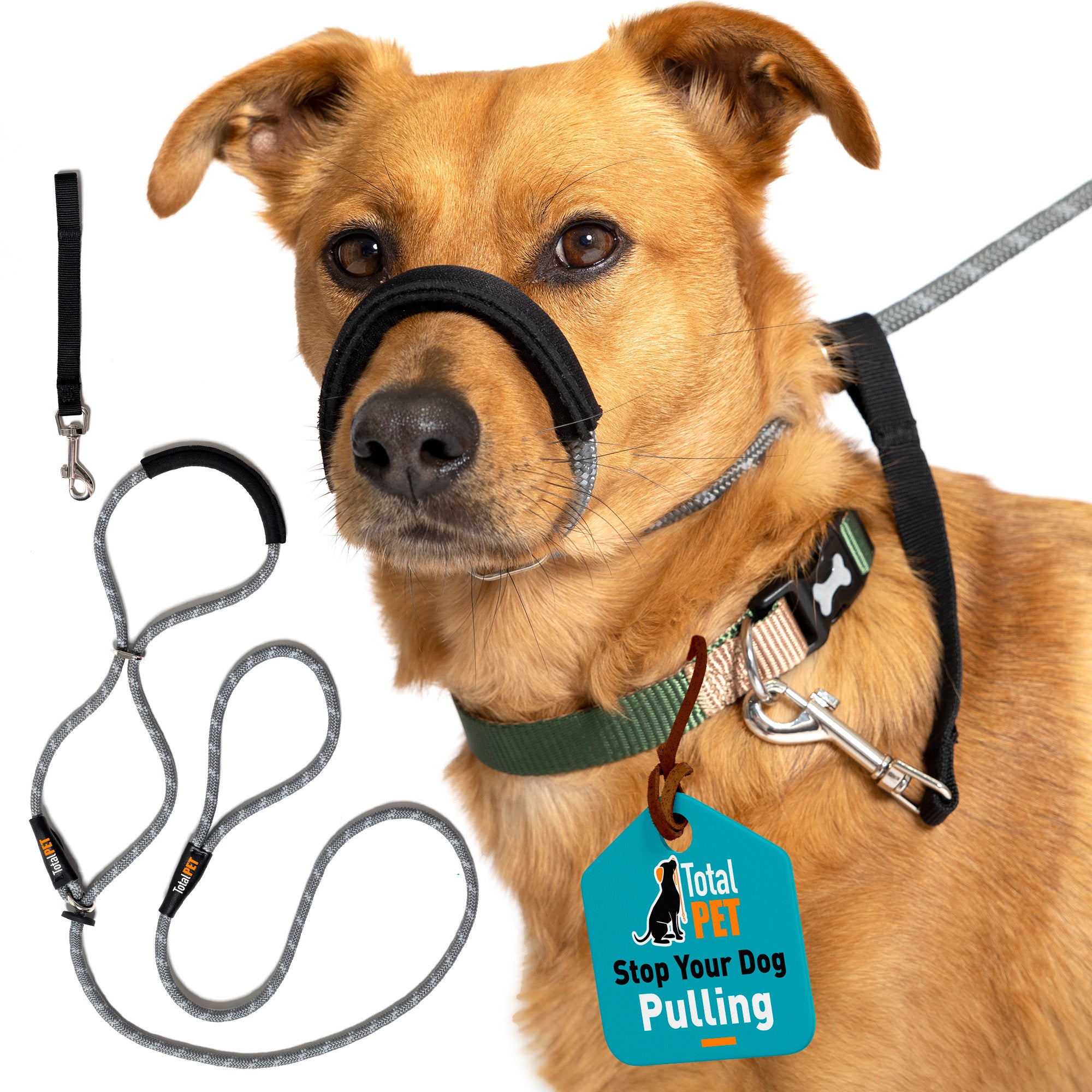
- Front-clip harness. It turns the chest, so pulling turns the dog. That reduces force.
- Two-point leash (or double clip). Attach to chest and back for balance.
- Treat pouch and small, soft treats. Fast pay keeps focus.
- Six-foot leash. Shorter for crowds, longer for sniff time.
Be cautious with harsh tools. Pain can shut down learning and raise fear. Studies show reward-based methods lead to better welfare and strong results. Choose safety and kindness. That choice supports how to stop dog pulling on leash for the long run.

Core training principles that work
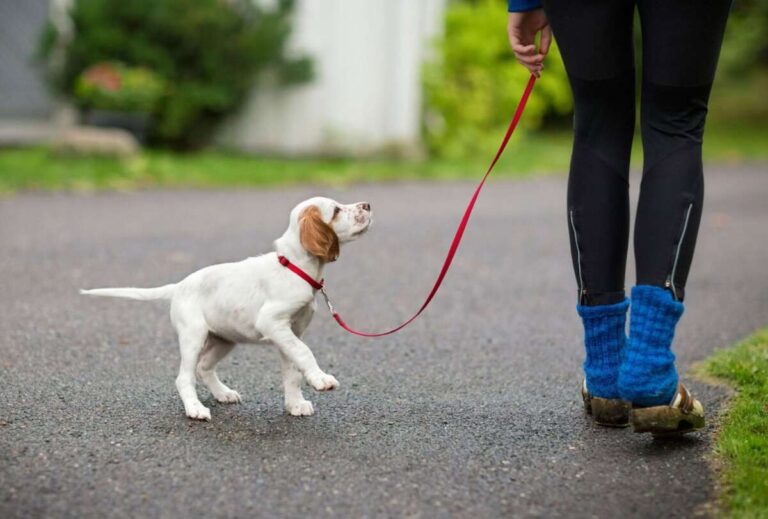
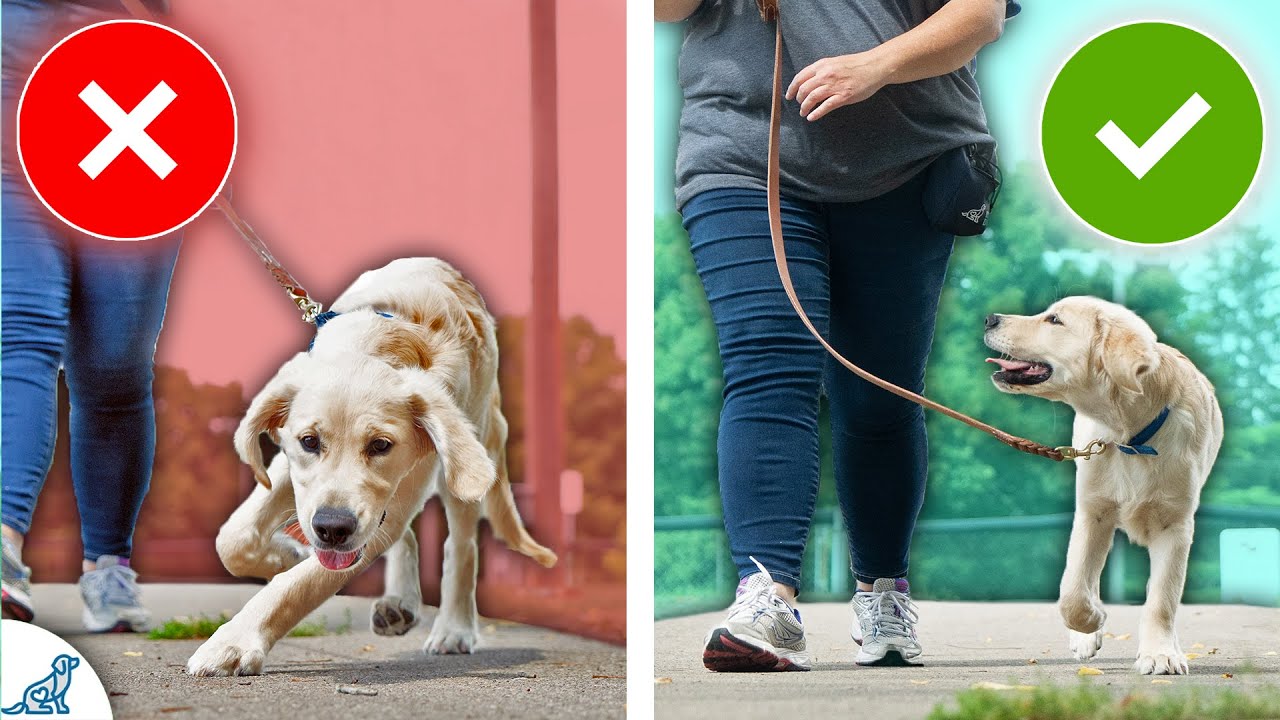
Reinforce what you want. Mark the moment the leash is slack. Pay fast. Dogs repeat what pays.
Keep the dog under threshold. Start where the dog can think. Add challenge in small steps. If the leash goes tight, stop or step back.
Use short, fun reps. Think two to five minutes. End on a win. Consistency builds the habit. This is the engine behind how to stop dog pulling on leash.
Step-by-step plan: how to stop dog pulling on leash
I use this plan with new teams. It is simple and it works.
- Build the reward zone indoors
- Stand with your dog on leash.
- When the leash is slack by your side, say yes and feed.
- Take one step. If the leash stays loose, mark and feed at your leg.
- One-step to three-steps
- Walk one step, feed.
- Then two steps, feed.
- Then three steps, feed. Keep sessions short.
- The red-light rule
- If the leash goes tight, you stop.
- Wait for slack or take a small step back.
- Mark the slack. Move on.
- Add a cue and engagement
- Say let’s go before you move.
- Reward eye contact or a head turn toward you.
- Sprinkle in hand targets to reset focus.
- Pattern games outside
- Try 1-2-3-walk. Count steps aloud. On three, feed at your leg.
- Try treat magnet. Hold a treat at your thigh for three steps, then feed.
- Fade the lure fast. Keep paying for slack.
- Use turns to reset
- Make smooth U-turns when your dog forges ahead.
- Mark when the dog catches up.
- Pay at your side.
- Earned sniff breaks
- Sniffing is gold. Use it as a reward.
- Leash is loose for ten steps, then say go sniff.
- This keeps the dog working with you, not against you.
- Grow the challenge
- Change one factor at a time. Distance, time, or distraction.
- If you lose the slack, lower the bar.
- Keep wins high.
Follow this plan, and you will feel steady gains. It is a clear, kind way for how to stop dog pulling on leash.
Handling distractions and real-world triggers
Distance is your best friend. Start far from the trigger. Close that gap only when the leash stays loose.
Use the look-at-that game. Mark when your dog sees a trigger and stays calm. Then pay and turn away. It teaches calm and choice.
Add movement breaks. Sniff breaks and quick turns bleed off arousal. Steady pace and soft voice help a lot. This is a key part of how to stop dog pulling on leash in busy places.
Troubleshooting by behavior type
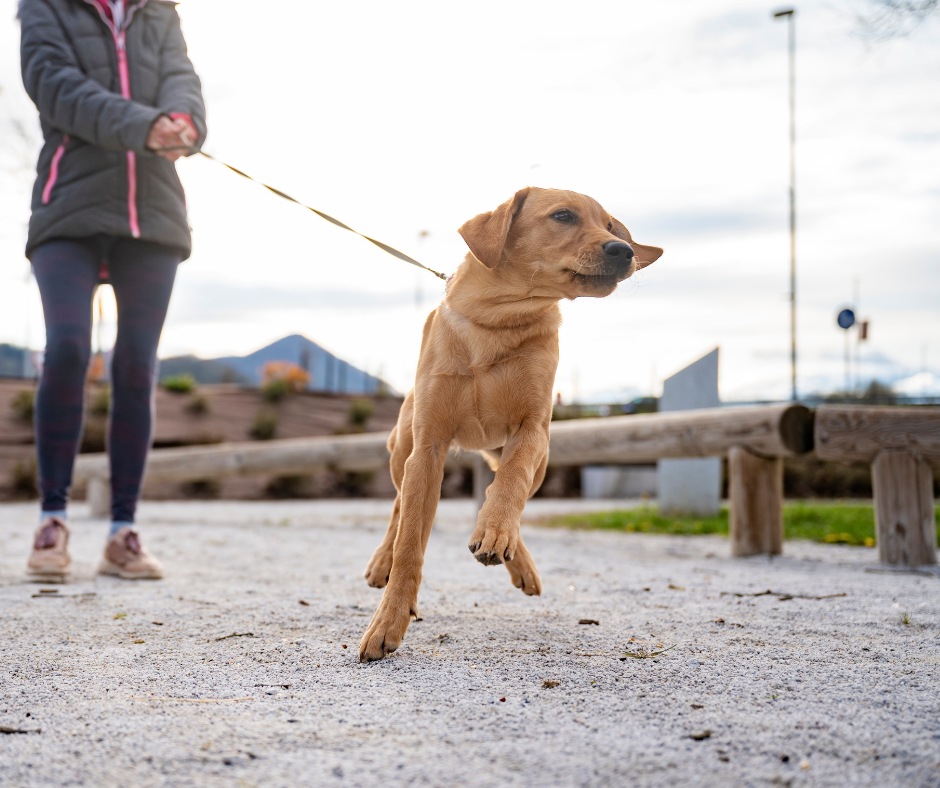
Strong pullers
- Use a front-clip harness and two-point leash.
- Pay more often. Think one treat every few steps at first.
- Walk in wide, open spaces to reduce triggers.
Reactive or overexcited dogs
- Work at a safe distance.
- Pair triggers with food. Calm first, then distance gets shorter.
- Keep sessions short and end before arousal spikes.
Adolescent dogs
- Lower your goals. Brains are busy at this age.
- Do more short sessions and indoor reps.
- Daily sniff walks help settle the body.
Puppies
- Focus on short, happy reps.
- Let them explore. Reward checks back to you.
- Avoid heavy gear and long walks.
Seniors
- Check for pain. Pulling can mean they want to get it over with.
- Use soft gear and slow pace.
- More sniffing, less marching.
Adapting to your dog speeds up how to stop dog pulling on leash. One size does not fit all.

Common mistakes to avoid
Inconsistent rules
- Sometimes you let pulling work. Other times you stop. The dog gets mixed signals.
Underpaying
- Dry kibble may not beat a squirrel. Use better treats at first. Pay often.
Going too fast
- New parks and crowds are hard. Build skills at home first.
Leash jerks and scolding
- These add stress and can spike pulling. Teach instead of punish.
No sniff time
- Walks are for dogs, too. Sniffing reduces pull and meets needs.
Avoid these traps to speed up how to stop dog pulling on leash.
Measure progress and keep momentum
Track simple metrics once a week. That keeps you honest and proud.
Try these:
- Steps before the leash goes tight.
- Number of treats per minute.
- Time walked with slack.
- Distance from key triggers.
When numbers rise, start to thin rewards. Switch to praise and sniff breaks more often. This helps you scale how to stop dog pulling on leash without losing gains.

When to seek professional help
Get help if your dog lunges hard, growls, or scares people. Pain, panic, or sudden change needs a vet check first.
Look for a certified, reward-based trainer. Ask about modern methods and fear-free handling. A pro can tailor how to stop dog pulling on leash to your team. You will see faster, safer progress.
Frequently Asked Questions of how to stop dog pulling on leash
How long does it take to fix leash pulling?
Many dogs improve in two to four weeks with daily practice. Big habits can take longer, but steady wins matter more than speed.
Should I use a prong or shock collar?
I do not recommend them. Pain can raise fear and harm trust, while reward-based plans work well and protect welfare.
What treats work best for leash training?
Use soft, pea-sized pieces that your dog loves. Think meat, cheese, or a high-value commercial treat that does not crumble.
Can I teach loose leash walking without treats?
Yes, but food speeds learning. You can fade food later and use praise, play, and sniff breaks as pay.
What if my dog only pulls outside?
Train the skill indoors first. Then move to a calm yard, then a quiet street, and keep distance from big triggers.
How many times a day should I practice?
Two to three short sessions work well. Keep them fun and end before your dog is tired or stressed.
Is a retractable leash okay for training?
Not for teaching slack leash. It rewards pulling by design, so use a fixed-length leash for clear rules.
Conclusion
Loose leash walking is a trained habit, not a trait. Use kind gear, pay for slack, and keep sessions short and clear. Step up the challenge in small bites, and let sniff breaks do some of the work.
Start today. Pick one calm route. Run the one-step drill. Track your wins and celebrate small gains. If you need a hand, bring in a reward-based pro. You can master how to stop dog pulling on leash and enjoy calm, happy walks again.
Want more guides like this? Subscribe, share your wins, or leave a question below.

Pet Care Writer & Researcher
Daniel writes practical guides on daily care, feeding, and safety, turning complex topics into simple, actionable advice.