How To Stop Puppy From Barking At Night: Proven Tips 2026
Calm nights ahead. Learn how to stop puppy from barking at night with simple routines, crate training, and soothing hacks. Sleep better starting tonight.
Meet needs, set a calm routine, crate train kindly, and ignore attention barks.
You want real, proven ways to stop the chaos at 2 a.m. I’ve helped many new owners learn how to stop puppy from barking at night without stress or guesswork. In this guide, I’ll show you how to fix root causes, set a bedtime routine, use crate training the right way, and handle setbacks with care. If you want how to stop puppy from barking at night to become second nature, you’re in the right place.

Understand Why Puppies Bark At Night
Puppies are not being “bad.” They are telling you a need or a fear. When you learn the cause, the fix gets simple and kind.
Common reasons puppies bark at night:
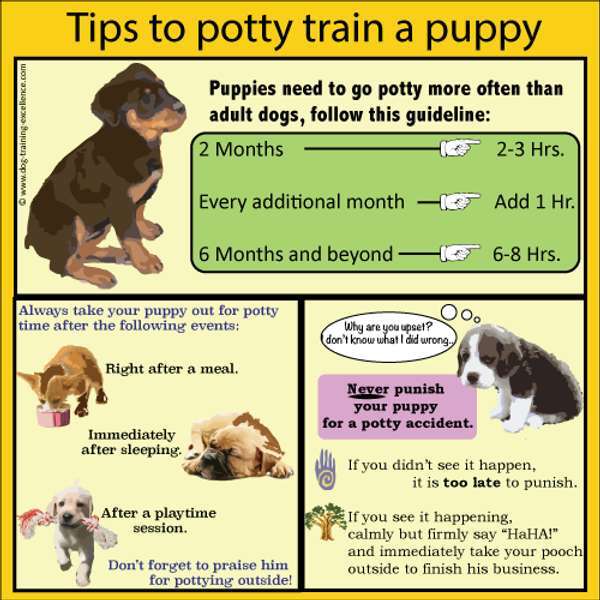
- Full bladder or bowels. Young pups need breaks every 2 to 4 hours.
- Hunger or thirst. Growth needs steady fuel and water.
- Too much energy. Not enough daytime play means wild nights.
- Fear or loneliness. New sounds and dark rooms can scare pups.
- Discomfort. Crate is too hot, cold, bright, or small.
- Habit. If noise brings you fast, it teaches them to keep barking.
- Health issues. Pain, tummy upset, parasites, or a UTI can wake pups.
Behavior science is clear. What you reward, you get more of. If barking leads to attention, even kind words, the habit grows. We will break that loop and meet real needs first.
:strip_icc()/puppy-barking-2804577-f7f6bffd80fa4edca1bd247ba52fc0a6.jpg)
Step-by-Step Plan: How to Stop Puppy from Barking at Night
Use this plan for one to two weeks. Stay steady. Small steps add up fast.
Daytime setup
- Give age-appropriate exercise. Short play, sniff walks, and brain games beat long runs.
- Feed on schedule. Most pups do well with three meals.
- Train calm skills. Practice sit, down, and settle with tiny treats.
- Offer naps. Puppies need lots of sleep to avoid night zoomies.
Evening routine
- Last meal 3 to 4 hours before bed. This helps night potty control.
- Water is fine, but pick up the bowl 60 minutes before lights out.
- Potty break 30 minutes before bed. Then a second quick break at lights out.
- Calm the house. Soft play, gentle petting, or a chew helps the brain slow.
Crate and comfort
- Make the crate a safe den. Add a comfy pad and a safe chew.
- Place the crate near you at first. This cuts fear and reduces barking.
- Use white noise or a fan. It masks random sounds that startle pups.
- Keep the room dark and cool. Pups sleep best in a cave-like space.
Night response protocol
- If the pup barks soon after bed, wait a short beat. Many pups self-soothe.
- If barking keeps going, do a brief, calm potty trip. No play. No chat. Back to bed.
- If you know needs are met, ignore attention barks. Any reply can fuel the habit.
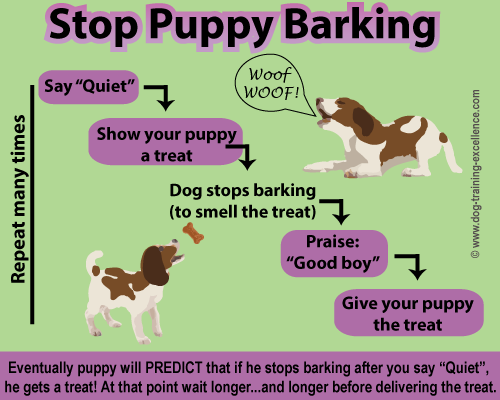
- Reward quiet. When you hear 10 to 30 seconds of silence, softly say good and drop a treat by the crate. Then fade treats over days.
Morning reset
- Greet your pup when they are quiet, not mid-bark.
- Take them out at once, then breakfast and a short walk.
If you came here to learn how to stop puppy from barking at night, this plan is your base. Tweak times to fit your pup’s age and bladder limits.
Crate Training That Builds Calm Nights
Crate training is a skill. It should feel safe, not scary. This is key for how to stop puppy from barking at night.
- Size matters. Your pup should stand, turn, and lie down with ease.
- Location matters. Start near your bed for a few nights. Then move the crate a bit farther every two to three days if your pup stays calm.
- Good things happen in the crate. Feed meals in the crate. Toss a few treats. Give a stuffed chew they only get at bedtime.
- Practice short calm sessions by day. Close the door for 30 to 90 seconds, then release while quiet. Build time slowly. Keep wins easy.
If your puppy cries hard for long periods, pause and go slower. You can pair the crate with a gentle heartbeat toy. Many pups settle fast with that steady thump.
Night Environment and Routine Checklist
Use this fast check each night. It works if you want how to stop puppy from barking at night to stop for good.
- Last food earlier in the evening.
- Water up until one hour before lights out.
- Two potty trips close to bedtime.
- Dark, cool, quiet room with white noise.
- Safe chew in the crate to help self-soothe.
- Crate near you for the first week or two.
- Calm response to needs. No party at 1 a.m.
Dealing With Separation Anxiety or Fear
Some barking is not boredom. It is worry. Here is how to read the signs and help.
Signs of fear-based barking:
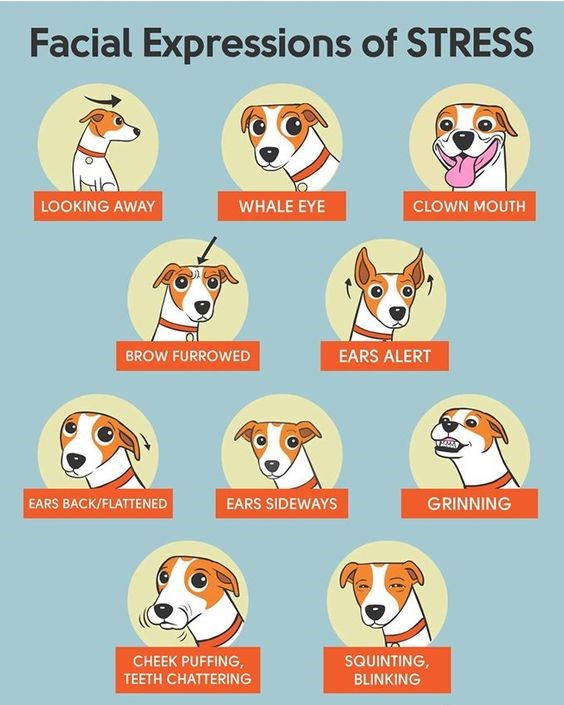
- Wide eyes, panting, drool, shaking, or pacing.
- Won’t eat a high-value treat in the crate.
- Panic when you leave, even for a minute.
What to do:
- Start with proximity. Sleep near your pup. Then move the crate away in small steps.
- Use short absence drills in the day. Leave for 10 to 30 seconds. Return before panic. Repeat and build slowly.
- Add scent comfort. Place a worn T-shirt near the crate.
- Keep exits quiet. No big hellos or sad goodbyes.
If fear stays high after a week or two, talk with a vet or a certified trainer. This is still part of how to stop puppy from barking at night. It just needs more care and a plan.

When Barking Signals a Health Issue
Sometimes the body is the cause. A vet check can save weeks of trial and error.
Watch for:
- Frequent small pees or straining. This can mean a UTI.
- Loose stool, gas, or tummy pain. Parasites are common in pups.
- Teething pain. Chews and cold toys can ease it.
- Sudden yelps, limps, or new fear. Pain can trigger night noise.
Puppies sleep a lot, but poor sleep hurts growth and learning. If you doubt, call your vet. Health care is part of how to stop puppy from barking at night.

Apartment and Neighbor-Friendly Strategies
You can still win calm nights in close spaces.
- Choose a room with fewer shared walls.
- Use a white noise machine to block hall sounds.
- Add a draft stopper at the door to reduce echoes and light.
- Share your training plan with neighbors. A kind note goes far.
These steps protect your progress while you work on how to stop puppy from barking at night.
Common Mistakes to Avoid
These small slips can keep the habit alive.
- Answering every bark. This rewards noise.
- Skipping late potty breaks. Accidents cause stress and more barking.
- Over-tiring your pup. Too much exercise can backfire and hype the brain.
- Long chew items that hype. Choose calm, safe chews, not high-caffeine-like play right before bed.
- Punishment or bark collars. These can raise fear and make nights worse.
Avoid these and you move faster on how to stop puppy from barking at night.
Real-Life Example: A One-Week Fix Plan
I worked with a 12-week-old doodle who barked from midnight to 3 a.m. The family was beyond tired. We set a tight plan and tracked sleep.
What we did:
- Moved the crate next to the bed for three nights.
- Last meal at 6 p.m., water up at 8 p.m., lights out at 10 p.m.
- Potty at 9:30 and 10 p.m., then again at 2 a.m. for two nights.
- White noise on, safe chew in the crate.
- Brief, silent potty trips, no talk, back to bed.
- Treated quiet, not barking.
By night four, the 2 a.m. break was not needed. By night seven, zero barking. This is a simple case of how to stop puppy from barking at night with clear steps and steady rules.
Tools and Aids That Help
Use tools that lower arousal and support sleep.
- White noise machine or fan to mask sounds.
- Heartbeat plush to mimic litter comfort.
- Comfy crate pad that fits snug and lies flat.
- Treats and a safe stuffed chew for bed.
- A pet camera for data, not for talking at night.
- A playpen to pair with the crate during the day.
Skip shock or spray collars. They may stop sound, but they raise fear. Fear shows up later in new ways.
How to Measure Progress and Stay Consistent
Track sleep like a coach. It keeps you honest and calm.
- Keep a simple log. Note feed times, potty, bark bursts, and wake-ups.
- Look for trends. Are wake-ups tied to late water or missed play?
- Set small goals. For example, move from two wake-ups to one this week.
- Review weekly. Keep what works and cut what does not.
- Share wins with the family so everyone stays on plan.
Consistency is the secret behind how to stop puppy from barking at night. The plan works when the rules stay the same.
Frequently Asked Questions of how to stop puppy from barking at night
How long can my puppy hold it at night?
Young pups often need a break every 2 to 4 hours. As they grow, stretches get longer, sometimes 6 to 7 hours by 5 to 6 months.
Should I ignore all barking at night?
No. First meet real needs with a calm potty trip. If needs are met, ignore attention barks and reward short quiet.
Where should I put the crate at night?
Start near your bed to reduce fear and fuss. Move it away in small steps once your pup sleeps well.
Will a late walk stop barking?
A calm sniff walk helps. Hard play can hype the brain and make sleep worse.
What if my puppy barks the second I leave the room?
Practice tiny absence drills by day. Leave for seconds, return before panic, and build time slowly.
Is it okay to cover the crate?
A light cover can help if it makes a den feel safe. Make sure air flows and your pup stays cool.
Does music or white noise help?
Yes. White noise blocks sudden sounds that trigger barking. Keep it soft and steady.
Conclusion
Calm nights come from clear steps and steady follow-through. Meet needs, set a soothing routine, and reward quiet while you avoid feeding the barking habit. That is how to stop puppy from barking at night in a kind and proven way.
Start tonight. Pick one or two changes and stick with them for a week. If this guide helped, share it with a friend, subscribe for more puppy tips, or drop a question in the comments.

Pet Care Writer & Researcher
Daniel writes practical guides on daily care, feeding, and safety, turning complex topics into simple, actionable advice.