How To Switch Dog Food Safely: Vet-Approved Guide 2026
Learn how to switch dog food safely with a simple, vet-backed plan. Prevent tummy troubles, time the transition, and choose the right formula for your pup.
Start with small mixes, go slow, watch stool, and adjust with your vet.
If you want to know how to switch dog food safely, you are in the right place. I have guided many pet parents through smooth food changes, from kibble rotations to allergy resets. In this clear, step-by-step guide on how to switch dog food safely, you will learn what to watch, what to feed, and what to avoid. Let’s keep your dog’s gut happy while you reach your nutrition goals.
Why a safe switch matters
A fast food change can upset the gut. It can cause gas, soft stool, vomiting, or itch flare-ups. Dogs need time for gut bacteria to adapt. A slow plan helps the microbiome shift with less stress.
Most dogs do fine with a 7 to 14 day plan. Some need longer. Dogs with a past of tummy trouble may need more time. Your goal is to change one thing at a time and track results. That is the heart of how to switch dog food safely.
Current veterinary guidance supports gradual food transitions. It lowers risk of diarrhea and refusal to eat. It also helps you spot if the new food truly suits your dog.
When to switch dog food
There are good reasons to change. Aim for a clear goal, not change for fun.
Common reasons to switch:
- Your vet advises a new diet for health.
- Your dog has soft stool, itch, or gas on the current food.
- Your dog needs weight change or joint support.
- You want higher quality protein or fewer fillers.
- The company changed the recipe and your dog reacts.
Watch for signs your dog is ready:
- Good energy and no active vomiting.
- No current diarrhea for at least 48 hours.
- You can measure meals and track stool each day.
If you are not sure how to switch dog food safely for your case, ask your vet first. This is key for dogs with medical needs.

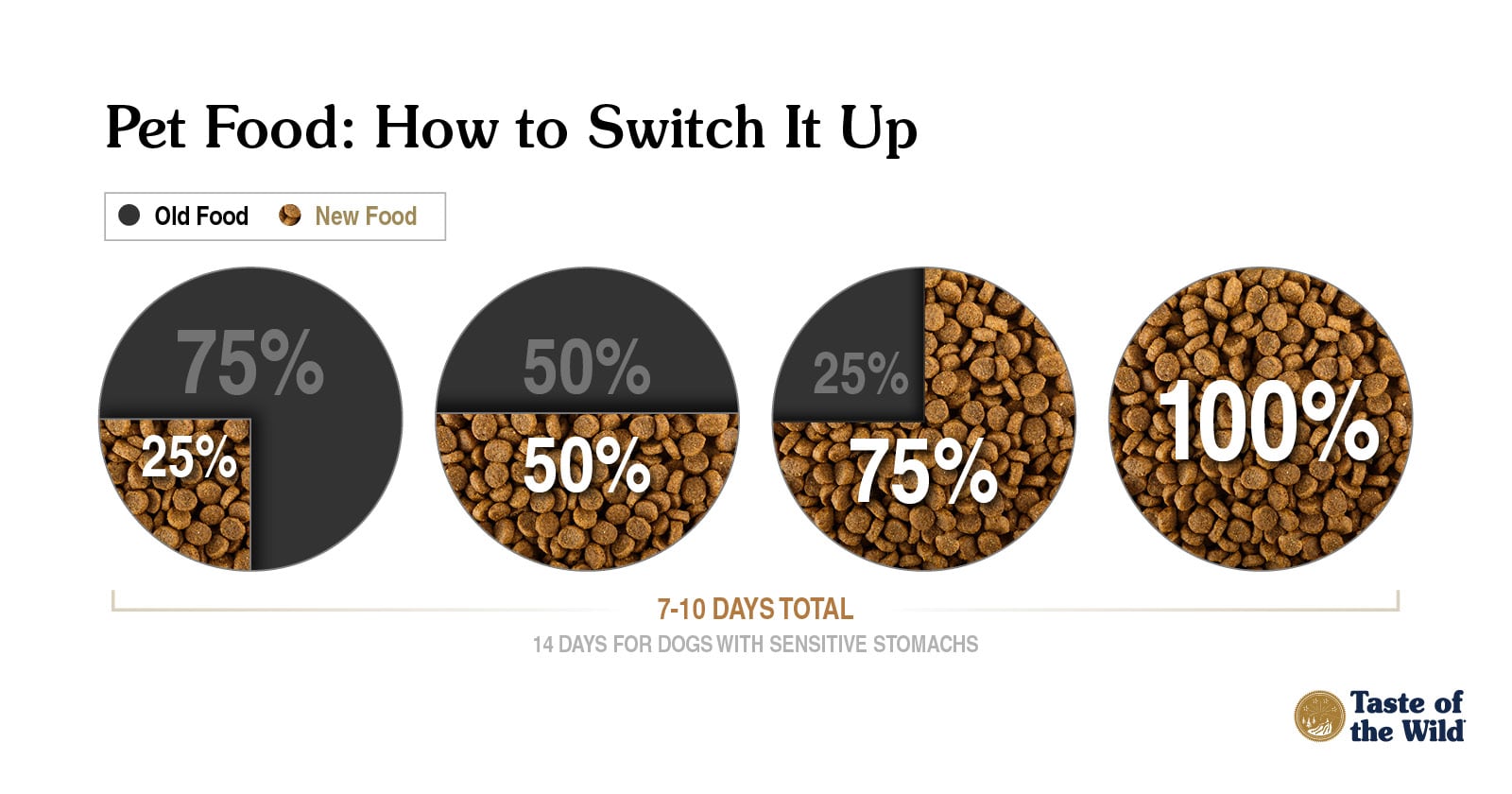
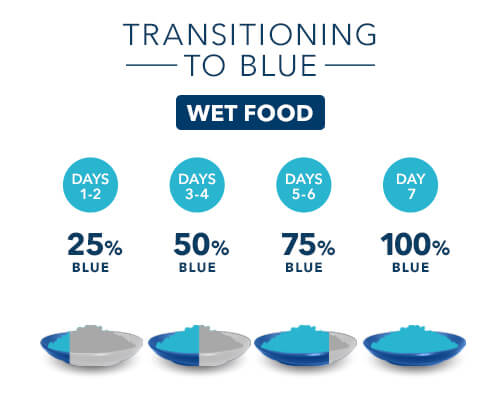
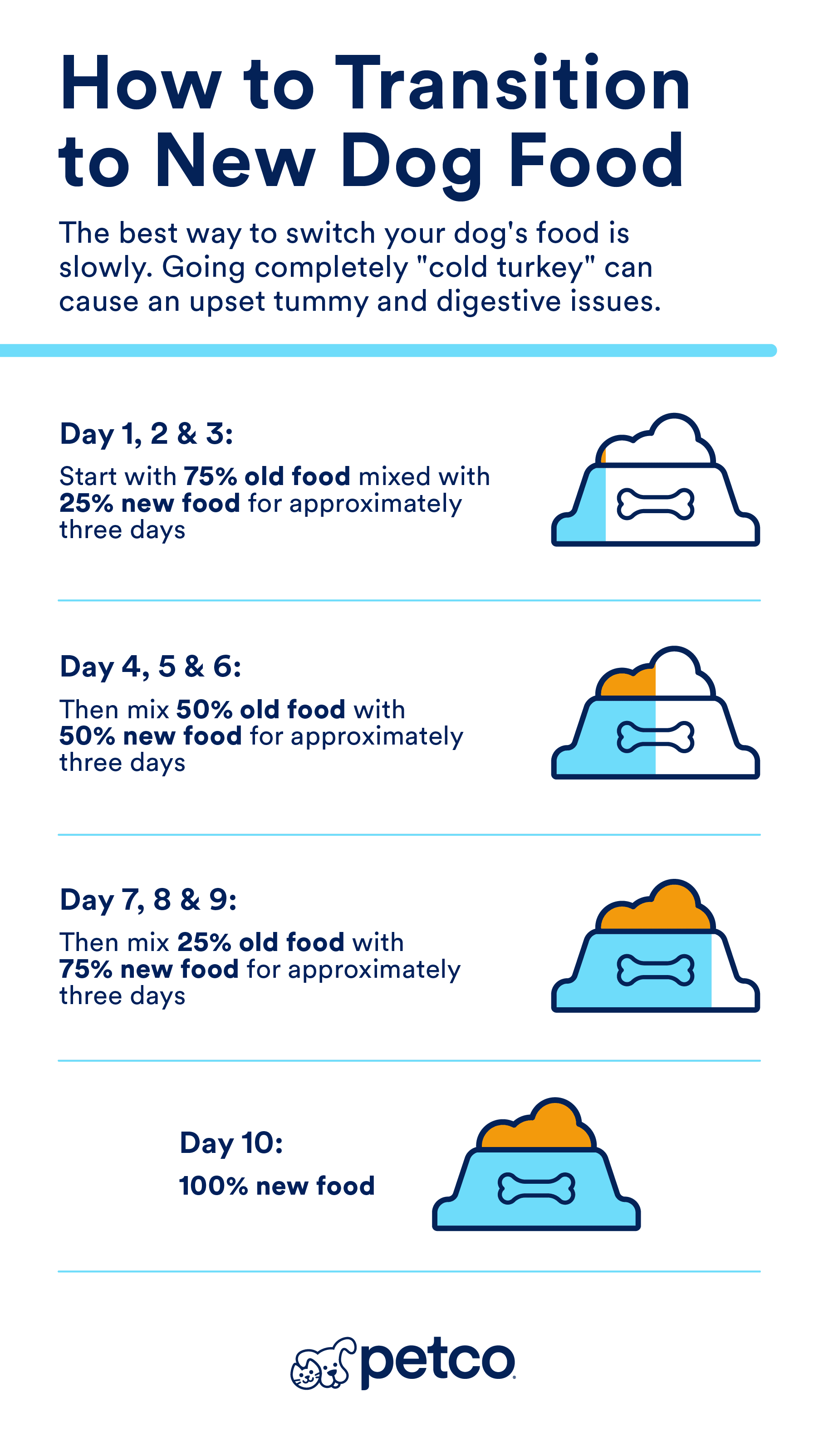
How to switch dog food safely: a 7–14 day plan
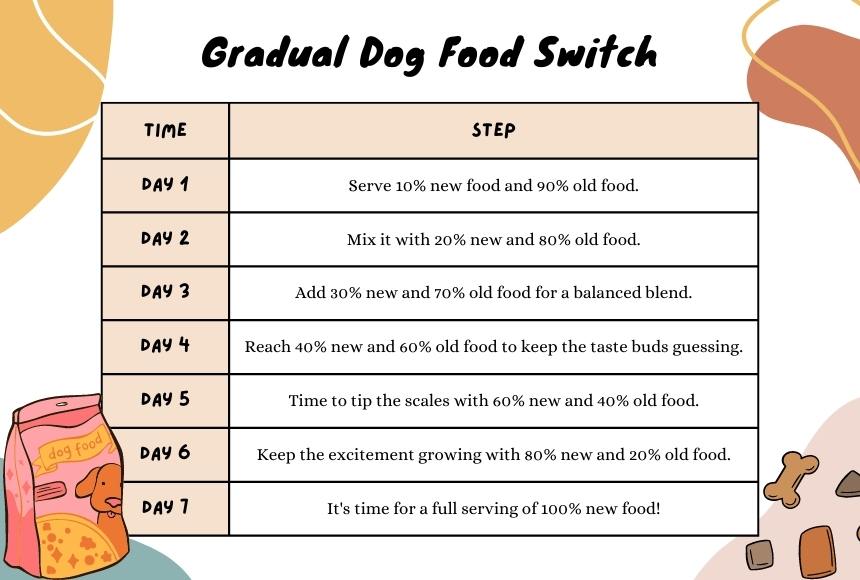
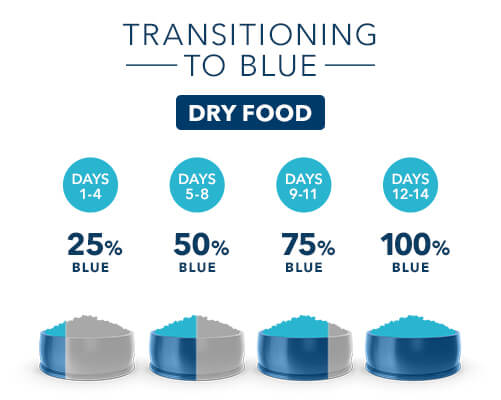
Here is a simple, proven plan. It works for most healthy adult dogs. You can stretch each step if stools get soft. The aim is a gentle curve, not a hard turn.
Day 1–2
- Feed 75% old food and 25% new food.
- Add water to food for easier digestion.
- Note stool, appetite, and energy.
Day 3–4
- Feed 60% old and 40% new.
- Keep treats plain and limited.
- Watch for gas or itch.
Day 5–6
- Feed 50% old and 50% new.
- If stool softens, hold at this mix for 1–2 days.
Day 7–8
- Feed 25% old and 75% new.
- Keep meal times strict and calm.
Day 9–10
- Feed 100% new.
- If all is well, you are done.
If at any step you see diarrhea, go back one step. Hold there until stools are formed. This is the core of how to switch dog food safely. Slow is smooth. Smooth is fast.
Pro tips that help:
- Measure food with a scale for accuracy.
- Keep a simple stool log with 1–5 firmness notes.
- Change only the main diet. Do not add new treats, toppers, or chews during the switch.
 timelines”
style=”max-width: 100%; height: auto; border: 2px solid black; border-radius: 10px; display: block; margin: 0 auto;”
loading=”lazy”
/>
Special cases and timelines
Every dog is unique. Some need a custom timeline to switch food with care.
Puppies
- Switch over 10–14 days.
- Puppies have sensitive guts and fast growth.
- Use a formula that meets growth standards and large breed growth if needed.
Senior dogs
- Go slow for 14 days or more.
- Seniors can have lower stomach acid and slower gut transit.
- Look for joint and fiber support as needed.
Sensitive stomach or past diarrhea
- Use a 14–21 day plan.
- Add a vet-approved probiotic and plain canned pumpkin in small amounts.
- Keep fat levels steady to avoid flare-ups.
Food allergies or suspected intolerance
- Work with your vet.
- Use a single-protein or hydrolyzed diet.
- Zero extras during the trial. This is vital for how to switch dog food safely in allergy cases.
From kibble to wet, or raw to cooked
- Texture changes can be a shock.
- Mix textures during the switch.
- Keep food safe. Handle raw with strict hygiene.
How to pick the right new food
Your switch is only as good as the target. Choose a food that matches your dog’s needs.
What to look for:
- A clear nutritional adequacy statement for your dog’s life stage.
- Named animal proteins first in the list.
- Transparent ingredient sourcing and quality control.
- Balanced omega-3 to omega-6 fats.
- Digestible carbs like rice, oats, or sweet potato if your dog tolerates them.
Red flags:
- Vague meat terms without sources.
- Frequent recipe changes without notice.
- Wild health claims with no data.
How to compare:
- Check calories per cup or can.
- Compare protein, fat, and fiber to your current food.
- If the new food is richer, slow the switch more. This supports how to switch dog food safely without tummy drama.
Storage basics:
- Seal bags tight and keep cool and dry.
- Use food within 4–6 weeks after opening.
- Wash scoops and bowls daily.
Monitoring and troubleshooting during the switch
Your dog will “tell” you how it is going. You just need to watch.
Track daily:
- Stool firmness, color, and any mucus.
- Appetite and interest in meals.
- Energy, itch, and gas.
If stool gets soft:
- Pause at the current mix.
- Add a probiotic as advised by your vet.
- Use a small amount of plain pumpkin.
- If diarrhea lasts over 48 hours, call your vet.
If your dog refuses food:
- Warm the food a bit and add water.
- Split meals into three smaller servings.
- Rule out dental pain or nausea.
If you ever see blood in stool, repeated vomiting, or sharp pain, stop and seek vet care. Safety first is the rule behind how to switch dog food safely.
Real-world examples and mistakes to avoid
From my work with pet parents, these patterns stand out. They can make or break your plan.
- A beagle with gas switched to a food with fewer legumes.
- We used a 10-day plan and a probiotic.
- Gas eased by day four. Stools firmed by day six.
A tough case
- A senior lab with loose stools switched too fast to high fat.
- We reset with a bland diet, then tried a lower fat recipe.
- A 21-day plan did the trick.
Mistakes to avoid:
- Changing food and treats at the same time.
- Not reading the calories and overfeeding the new food.
- Skipping the scale and guessing portions.
- Ignoring small signs like mucus in stool.
- Pushing ahead when stools are not stable.
These lessons shape how to switch dog food safely without stress.

Portion sizes, meal timing, and helpful add-ons
Even a slow switch can fail if portions jump. Calorie density varies a lot between foods.
Smart portion steps:
- Check calories per cup on both foods.
- Start with the same daily calories.
- Adjust by 5–10% after you see stool and weight over a week.
Meal timing:
- Two meals a day suits most dogs.
- For sensitive dogs, try three smaller meals.
- Keep meal times calm and consistent.
Useful add-ons:
- Vet-approved probiotics to support gut flora.
- Omega-3 from fish oil for skin and gut support.
- Plain pumpkin for gentle fiber.
Avoid random toppers during the switch. Simple is safe. This guideline is key to how to switch dog food safely.
Work with your veterinarian
Some dogs need more than a standard plan. Health comes first.
Call your vet before switching if your dog has:
- Pancreatitis, kidney or liver disease, diabetes, or IBD.
- A history of severe food allergies.
- Ongoing vomiting or chronic diarrhea.
Ask your vet about:
- Target nutrients for your dog’s condition.
- The right probiotic strain and dose.
- How to pace the swap and when to recheck.
Your vet is your partner in how to switch dog food safely with medical needs in mind.
Frequently Asked Questions of how to switch dog food safely
How long does it take to switch dog food safely?
Most healthy dogs do well with 7–10 days. Sensitive dogs may need 14–21 days.
Can I switch dog food cold turkey?
It is not ideal. A sudden switch can cause diarrhea and refusal to eat.
What if my dog gets diarrhea during the switch?
Go back one step in the mix and hold. Add a probiotic and call your vet if it lasts over 48 hours.
Should I add toppers while switching foods?
Skip new toppers during the switch. Keep the plan simple so you can track what works.
How do I know the new food is a good fit?
Look for formed stools, steady energy, and no itch or gas spikes. Check weight and body condition over two to four weeks.
Can I rotate foods after the switch?
Yes, but rotate slowly and one at a time. That is how to switch dog food safely while adding variety.
Do I need probiotics every time I switch?
They help many dogs, but ask your vet. Not all probiotics are the same.
Conclusion
A safe food switch is simple when you go slow, measure well, and watch your dog. Pick the right recipe, follow a steady plan, and adjust based on stool and energy. That is the practical heart of how to switch dog food safely.
You can start today with a 7–14 day plan and a short daily log. If you need help, loop in your vet and fine-tune the steps. Want more tips like this? Subscribe, share your dog’s story, or ask a question in the comments.

Pet Care Writer & Researcher
Daniel writes practical guides on daily care, feeding, and safety, turning complex topics into simple, actionable advice.