How To Train A Dog Without Punishment: 2026 Positive Tips
Learn how to train a dog without punishment using science-backed, reward-based methods. Build trust, fix behavior fast, and enjoy a happier pup.
You learn how to train a dog without punishment by rewarding calm, desired choices.
If you want lasting manners, a joyful bond, and stress-free walks, you’re in the right place. I’ve helped hundreds of families master how to train a dog without punishment, from rowdy puppies to sensitive rescues. In this guide, I’ll show you the science, the steps, and the real-life fixes I use every day—so you can see results fast and keep your dog happy and safe.

Why punishment-free training works
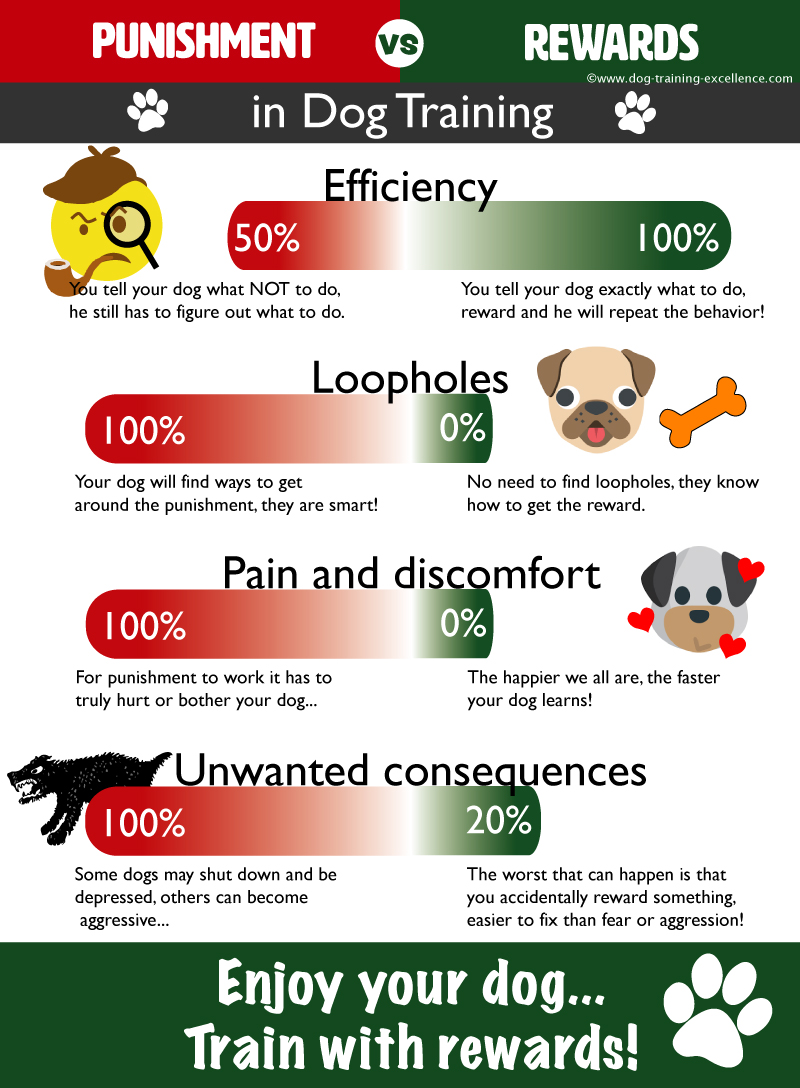
If you wonder how to train a dog without punishment, start with what behavior science shows. Dogs repeat behaviors that pay well. Rewards build strong habits, while fear shuts learning down.
Punishment can raise stress hormones and increase anxiety. That can lead to more barking, more biting, or shutdown. Reward-based methods do the opposite. They boost focus, build trust, and speed up learning.
In my early work with rescue dogs, I saw this again and again. A shy beagle avoided people after one harsh scold. When we switched to soft steps and food rewards, she chose to approach. That choice became a habit, and that habit became her new normal.
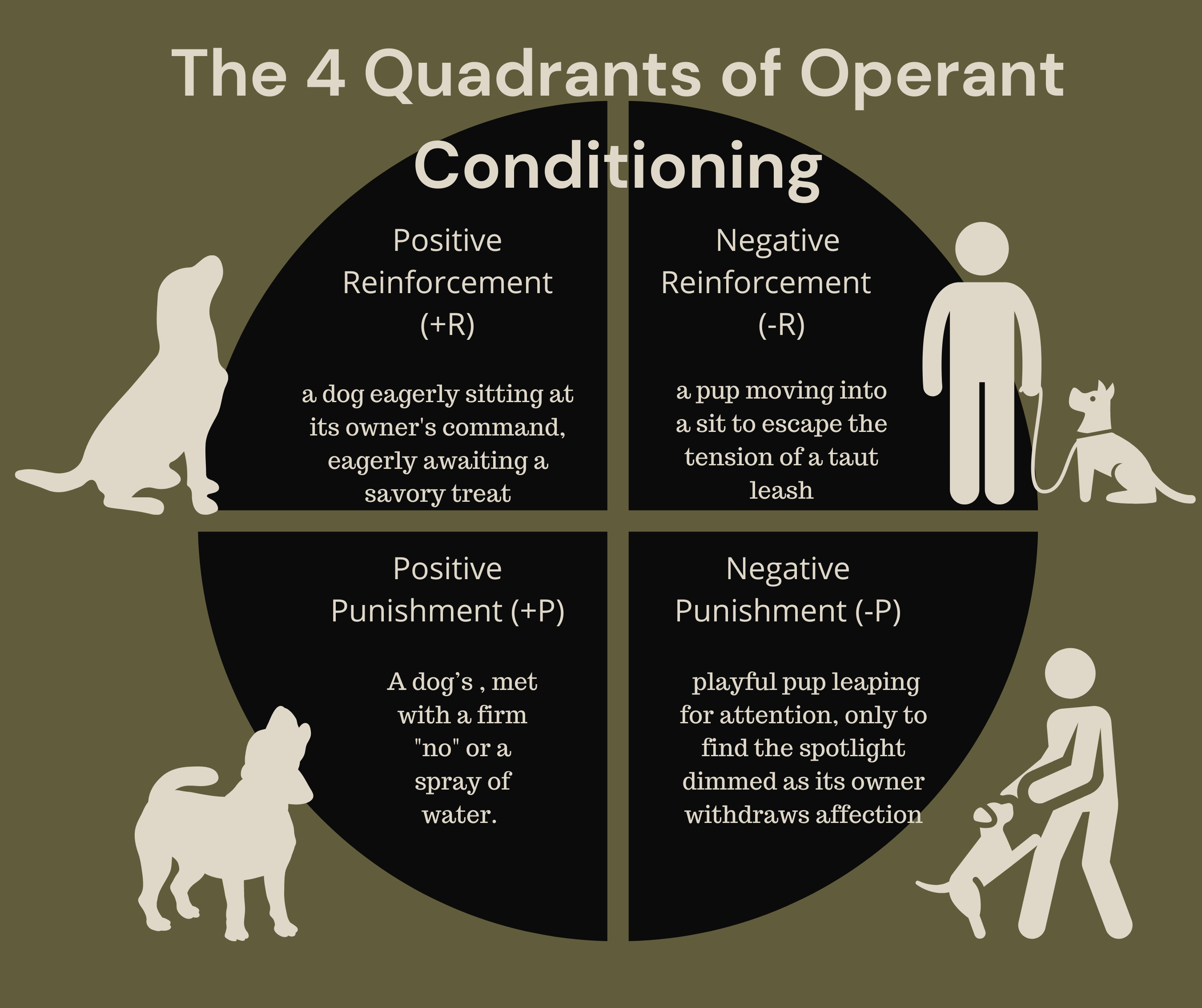
Core principles of positive reinforcement
If you want to know how to train a dog without punishment, learn the core building blocks first. Keep sessions short, simple, and successful.
- Management Keep your dog from practicing the wrong behavior. Use gates, crates, leashes, and planned setups.
- Marking Use a clicker or a crisp word like “Yes!” to mark the instant your dog does the right thing.
- Reinforcers Pay with what your dog loves. Treats, toys, sniff time, or access to you.
- Timing Mark fast. Reward right after. Good timing speeds progress.
- Criteria Raise the bar slowly. Change only one thing at a time: distance, duration, or distraction.
- Generalization Practice in many places. Dogs do not “know it” until it works everywhere.
- Prevent rehearsal Stop the old habit from happening while you teach the new one.
Quick note on terms you may hear:
- Luring Guide a behavior with a treat.
- Capturing Wait and mark when the dog offers the behavior on their own.
- Shaping Reward small steps toward a final behavior.

A step-by-step plan to train a dog without punishment
Here is a clear path for how to train a dog without punishment. Follow these steps for any skill.
- Define the behavior Write it like a video: “Dog’s butt on floor for two seconds.”
- Pick your reinforcers Make a treat ladder from okay to amazing. Use the right level for the task.
- Teach a marker Introduce a click or “Yes!” Then treat. Repeat 10 times so it predicts reward.
- Get the first rep Lure or capture the behavior. Mark the instant it happens. Then reward.
- Add a cue Say the cue one second before the dog does it. Mark. Pay. Repeat five times.
- Build duration Increase time slowly. If your dog breaks, lower the bar and pay more often.
- Add distance Step back one foot at a time. Keep wins high.
- Add distractions Start easy. One quiet dog at 50 feet is easier than a busy park.
- Generalize Practice in rooms, yards, and on walks. Short, fun reps beat long marathons.
- Maintain Switch to a variable reward schedule only after the behavior is strong.
Pro tip I track success. If my dog wins 80% or more, I raise criteria a notch. If not, I go back one step and pay better.

Tools and rewards that motivate your dog
Good tools help you apply how to train a dog without punishment in daily life.
- Clicker or marker word Makes timing exact and learning clear.
- Treat pouch Frees your hands and keeps rewards ready.
- Flat collar and front-clip harness Safe control without pain.
- Long line 15–30 feet for safe recalls and sniff walks.
- Mat or bed A home base for calm training.
Pick rewards that match the task. For hard work or scary places, use high-value treats like tiny bits of chicken or cheese. For calm or easy skills at home, use kibble or a tug toy. Add life rewards too: open the door, let your dog sniff, or say “go play” as the payoff.
Avoid tools that cause pain or fear. Research links aversive tools to more stress and risk. You do not need them when you know how to train a dog without punishment.
Solving common behavior problems without punishment
Here is how to train a dog without punishment when real-life problems pop up. I use the same base steps with small tweaks.
Jumping on people
Teach an alternate behavior like sit. Approach. If paws lift, step back. When paws stay down, mark and treat. Pay extra for greeting with a sit.
Pulling on leash
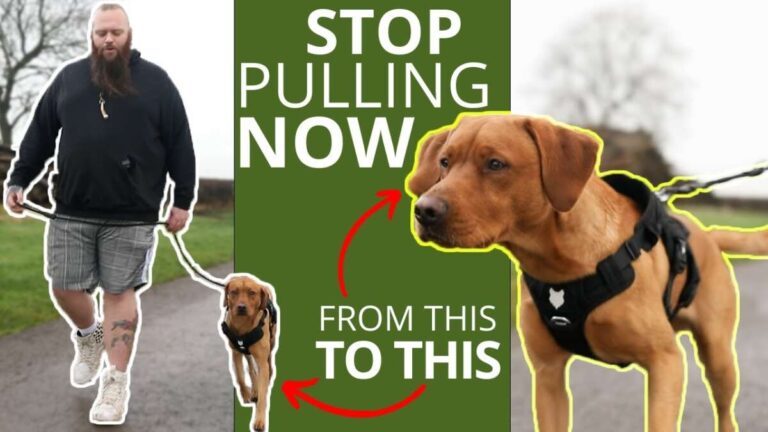
Use a front-clip harness and a short, loose leash. When the leash gets tight, stop. When it loosens, move forward. Mark and reward at your side. Add sniff breaks for great pay.
Barking at the door
Teach a “go to mat” cue. Pair door knocks with a cue to the mat, then reward calm. Add distance. Practice short drills before guests arrive.
Not coming when called
Use a fun recall word. Say it once, then run away, cheer, and pay big. Use a long line at first. Do surprise recalls at home and release back to fun.
Chewing and stealing
Manage the space. Provide chew stations. Trade up with a better item. Mark and pay when your dog drops or leaves an item on cue.
House training
Feed on schedule. Go out often. Mark and treat the instant your dog finishes outside. Clean indoor spots with an enzyme cleaner and tighten management.
Reading dog body language and stress signals
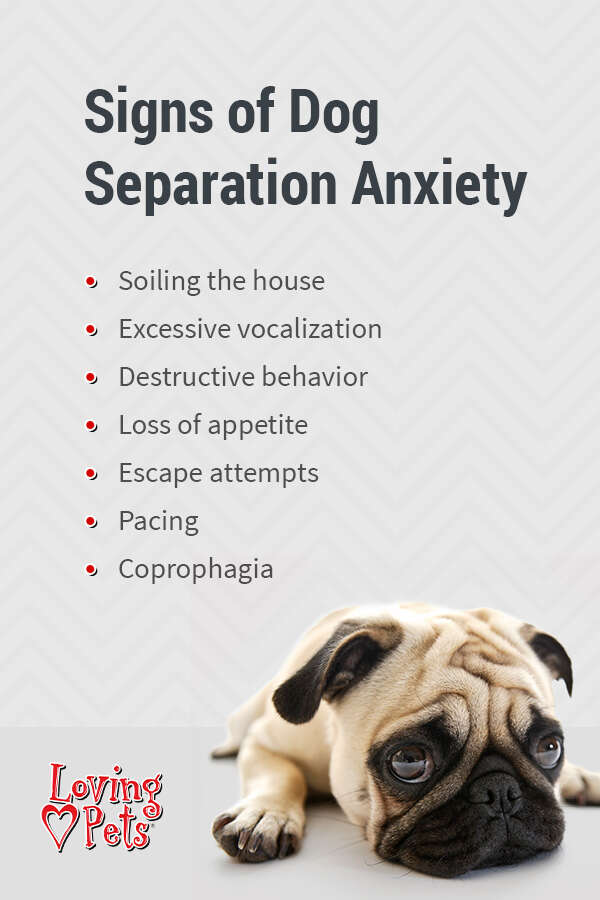
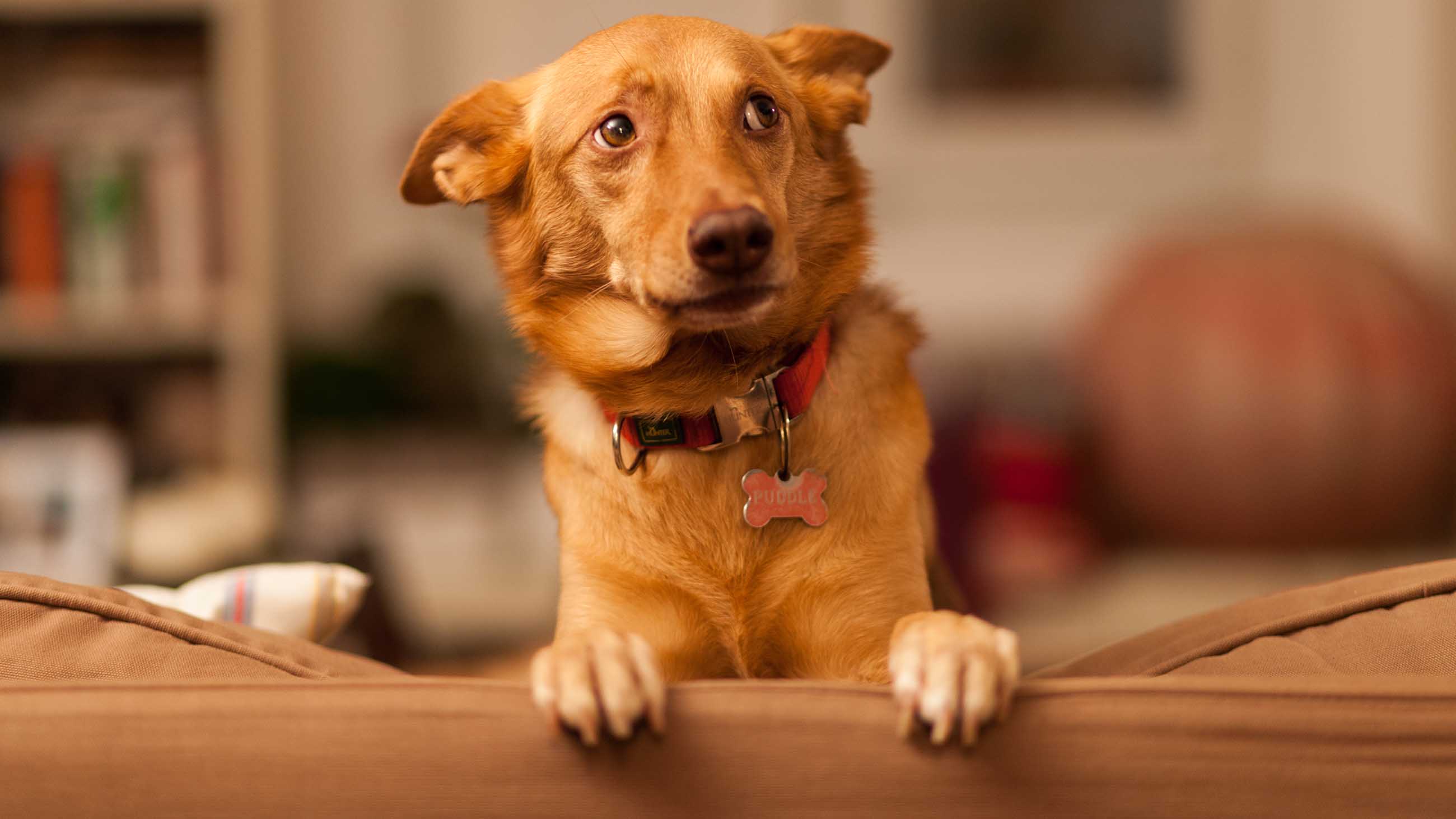
A big part of how to train a dog without punishment is listening to your dog. Stress kills focus. Calm builds learning.
Watch for early signs:
- Lip licking, yawning, sniffing the ground
- Whale eye, pinned ears, tight mouth
- Weight shift back, paw lift, tucked tail
- Shaking off, pacing, sudden scratching
If you see stress, lower the bar. Add distance. Use better treats. Keep sessions short. I like sniff walks and decompression time before hard work. It helps dogs reset and return ready to learn.

Building a daily routine and training schedule
Structure shows your dog what to expect. It also keeps you honest with practice. A routine anchors how to train a dog without punishment in small, daily wins.
Try this simple plan:
- Morning Two five-minute sessions. One obedience skill. One play-based recall.
- Midday A sniff walk with loose-leash reps. Two to three treat drops for check-ins.
- Evening One calm skill like settle on a mat. One enrichment game like a food puzzle.
Use the 3Ds rule. Change only distance, duration, or distraction at one time. Keep your dog at an easy level most days. Sprinkle in challenges when success is high.
Mistakes to avoid and pro tips
Here are common traps I see when people learn how to train a dog without punishment.
- Talking too much Cues should be short. Markers should be crisp.
- Raising criteria too fast If success dips below 80%, go easier.
- Weak rewards Pay better in hard places. Your dog compares options.
- Training when tired or hungry Short, upbeat sessions win.
- Letting bad habits rehearse Use management to protect progress.
- Punishing fear Fear is not disobedience. Create space. Pair the trigger with rewards.
Pro tips that help:
- Use jackpots for breakthroughs. Pay five tiny treats in a row.
- End on a win. Leave your dog wanting more.
- Keep a log. Track triggers, wins, and plans.
Measuring progress and adjusting your plan
Great trainers test and tweak. That is how to train a dog without punishment and keep gains for life.
Track three things:
- Success rate Count correct reps versus tries.
- Arousal level Calm dogs learn best. Note stress signs.
- Context Where, when, and what was happening.
If progress stalls, lower criteria and switch to a richer reward. Break the skill into smaller steps. Change the picture: new room, different time of day, or fewer distractions. For reactive dogs, work under threshold and pair the trigger with treats. When the dog looks at the trigger and then back to you, mark and pay.
Frequently Asked Questions of how to train a dog without punishment
Is positive reinforcement enough for serious behavior issues?
Positive reinforcement is the base for most cases. For aggression or severe fear, work with a qualified professional who uses force-free methods.
How long does it take to see results?
Many dogs show change in a week with daily practice. Solid habits can take weeks to months, depending on the behavior and your consistency.
Can I train without treats?
Yes, but treats help a lot. You can also use toys, praise, play, and life rewards like sniffing or access to you.
What if my dog ignores me outside?
Your rewards are too small for that level. Use high-value treats, start farther from distractions, and build up in small steps.
Is a clicker required?
No, but it helps with timing. A short, clear marker word like “Yes!” also works well.
Will my dog only work if I have food?
Not if you fade treats the right way. First build strong behavior, then switch to variable rewards and add life rewards.
Are e-collars or prong collars ever needed?
Research links aversive tools to higher stress and risk. With good planning and rewards, you can reach your goals without them.
Conclusion
You now have a full plan for how to train a dog without punishment: clear goals, sharp timing, great rewards, and steady steps. This approach builds trust, lowers stress, and creates habits that stick in real life.
Start small today. Pick one behavior, grab your marker and treats, and run five fun reps. Track your wins, adjust your plan, and celebrate each step forward. Want more guides like this? Subscribe, share your progress, or drop a question in the comments.

Pet Care Writer & Researcher
Daniel writes practical guides on daily care, feeding, and safety, turning complex topics into simple, actionable advice.