How To Train A Puppy To Sleep Alone: Expert Tips 2026
Teach your pup restful nights fast. How to train a puppy to sleep alone, with crate tips, routines, and calm cues for stress-free bedtimes.
Start with a cozy crate, steady bedtime routine, and calm, reward-based training.
If you want to know how to train a puppy to sleep alone, you are in the right place. I’ve helped many new owners move from sleepless nights to peaceful, independent sleep. In this clear, step-by-step guide, I’ll show you how to train a puppy to sleep alone without stress, setbacks, or guesswork.
Why solo sleep matters for puppies
Learning how to train a puppy to sleep alone builds calm and confidence. It reduces night stress and helps prevent separation anxiety. It also keeps your puppy safe and gives you real rest. Most puppies can learn fast with a kind, clear plan.
Puppies need good sleep to grow and learn. Quality sleep also improves behavior the next day. Your home will feel calmer when nights are quiet.
:strip_icc()/crate-training-puppies-2805067_v2-5be49c54c9e77c0051442812.png)
Prep the sleep space: crate, bed, and environment
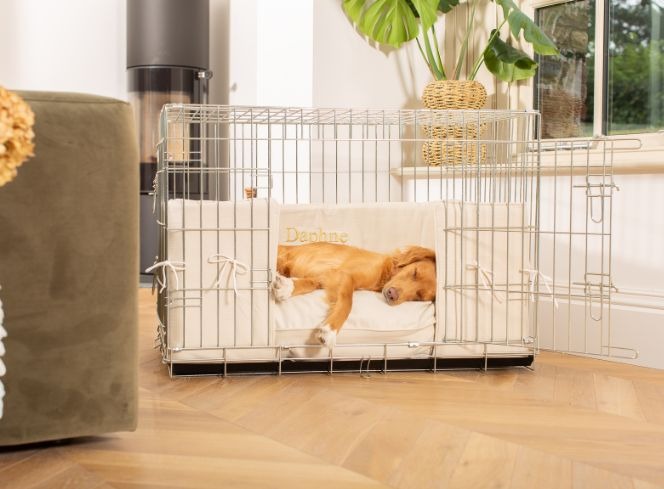
Before you dive into how to train a puppy to sleep alone, set the stage. A calm space makes learning easy. Make the crate a safe den, not a punishment or a jail.
Follow these setup tips:
- Choose a crate with just enough room to stand, turn, and lie down.
- Place the crate near your bedroom at first, then move it to your target spot.
- Use a firm, washable bed or mat. Avoid fluffy fill that pups can chew.
- Add a worn T-shirt that smells like you for comfort.
- Keep the room dark and cool. Use white noise to mask sounds.
- Test a nightlight if total dark causes worry.
In my fosters, a small fan and a simple cover over half the crate reduced night noise and light. That one tweak cut whining by half.

The step-by-step plan: first 14 nights
A simple plan is the core of how to train a puppy to sleep alone. Go slow. Make small wins daily. Keep nights quiet and boring.
Days 1 to 3: crate love and short naps
- Feed one meal in the crate with the door open.
- Toss treats inside, let your puppy go in and out.
- Close the door for 30 to 60 seconds while you sit nearby. Open before fuss starts.
- Do two to three short crate naps by day.
Days 4 to 7: bedtime routine and first full nights
- Build a steady evening routine: potty, calm play, chew, last potty, bed.
- Move the crate to your room if needed. Sleep nearby the first nights.
- At night, if whining starts, pause 30 seconds. Then take a brief potty break on leash. No play, no talk, lights low.
- Return to the crate. Reward quiet with a soft “good.” No treats at night.
Days 8 to 14: grow independence and fade your presence
- Slide the crate toward your goal room a few feet each night.
- Sit on a chair near the crate at lights out. Each night, move the chair farther.
- Add a longer pre-bed chew (stuffed kong) to promote calm.
- Push potty breaks later as bladder grows. Keep breaks fast and dull.
Sample evening timeline
- 6:00 pm: dinner
- 7:00 pm: sniff walk and short training
3. 8:00 pm: quiet play, chew, cuddles - 9:00 pm: water up if your vet agrees
- 9:30 pm: last potty
- 9:45 pm: lights down, crate, white noise on
By the end of week two, most families see real gains. This structure is the backbone of how to train a puppy to sleep alone with less crying and more calm.
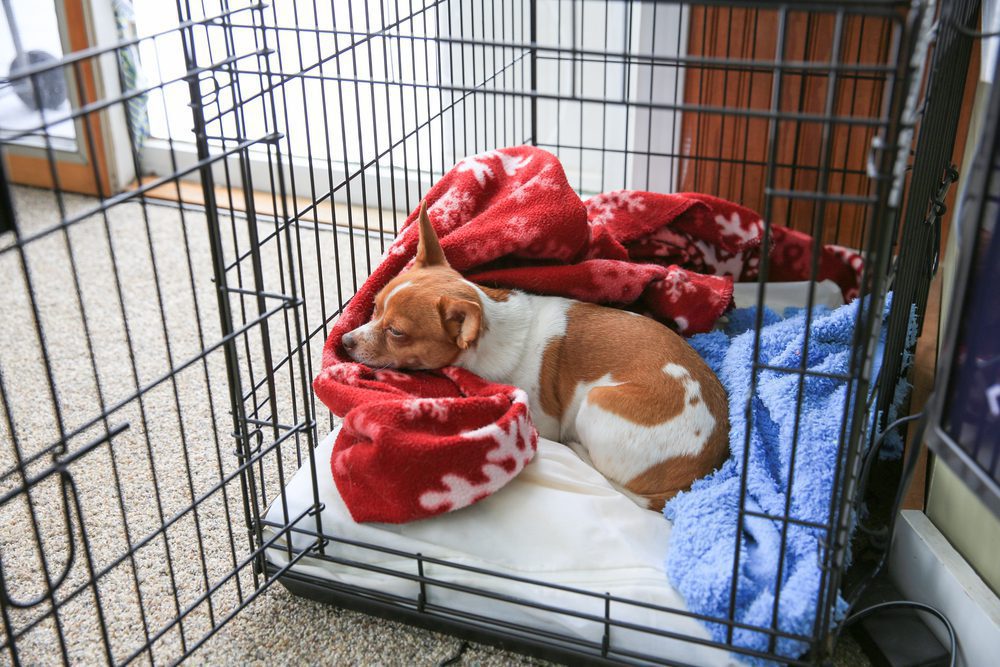
Crate training essentials and positive reinforcement
Good crate habits speed up how to train a puppy to sleep alone. Pair the crate with great things. Make calm the winning behavior.
Use these core skills:
- Cue: say “bedtime,” toss a treat into the crate, and praise.
- Reward: feed meals in the crate during the day.
- Duration: close the door for short spans while you fold laundry nearby.
- Calm exits: open the door only when your pup is calm and quiet.
If your puppy bolts out, reset. Ask for a sit, then release. Calm in, calm out. That sets the tone for the night.
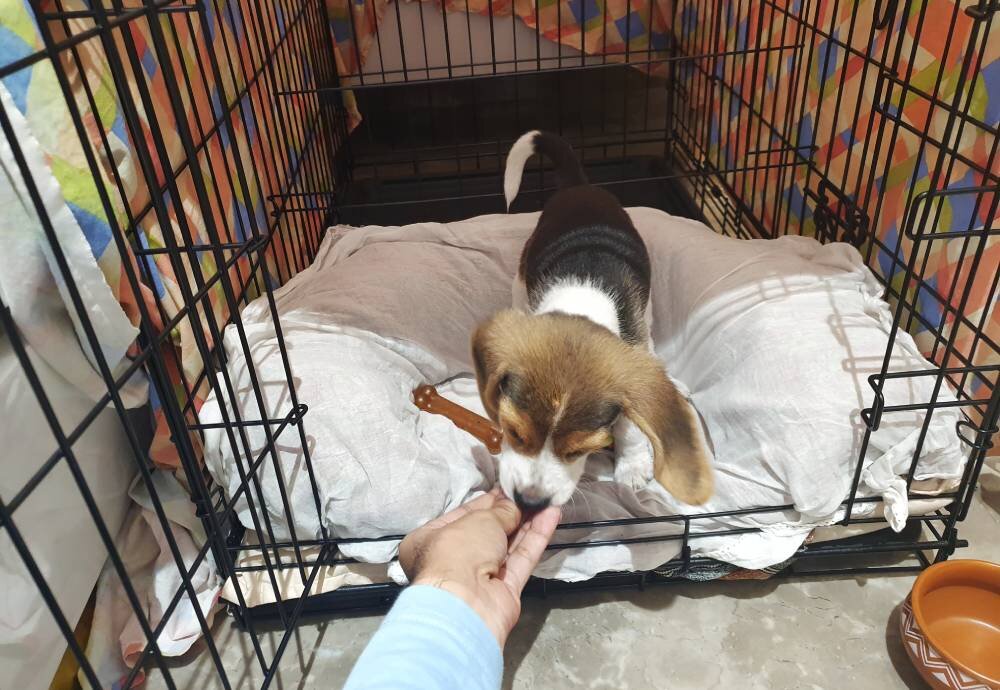
Handling whining, barking, and night wakes
This part can feel hard. It is also where you master how to train a puppy to sleep alone. Your goal is to meet needs, not reinforce drama.
Try this simple decision flow:
- Short pause: wait 30 to 60 seconds for self-soothing.
- If fuss escalates or it is time for a break, leash up and go straight to potty.
- No play, no chatter, no treats. Back to bed at once.
- If whining returns, cover half the crate, lower light, and turn on white noise.
Teach a settle cue:
- In the evening, reward your puppy for lying on a mat.
- Whisper “settle” as the pup relaxes.
- Use settle at bedtime with a soft pat and a treat, then fade treats over days.
The quiet, neutral feel tells your puppy the night is for sleep. That simple point fuels how to train a puppy to sleep alone with less fuss.
Routine that drives better sleep
Great sleep is not luck. It is routine. This is a key part of how to train a puppy to sleep alone.
Use this daily rhythm:
- Morning: potty, breakfast, chew, short training.
- Midday: nap in crate, brief play, potty, enrichment (sniff box, simple puzzles).
- Late afternoon: light exercise and sniff walk, then calm time.
- Evening: early dinner, tidy play, grooming touch, last potty, bed.
Keep naps in the crate by day. It links the crate to rest. That link pays off at night.

Comfort aids and safety checks
Smart comfort tools can speed how to train a puppy to sleep alone. Use them with care.
Helpful aids:
- Pheromone diffuser near the crate can lower stress.
- Heartbeat toys can mimic litter warmth.
- A frozen, stuffed kong helps pups relax and settle.
- A thin crate cover blocks light and drafts.
Safety notes:
- Avoid electric blankets. Use only dog-safe warming pads.
- Check the crate and toys for loose parts.
- Remove harnesses at night to prevent snagging.
In my home, a frozen lick mat and white noise cut night wakes for a sensitive herding pup. Small tools, big gains.

Common mistakes to avoid
Avoid these errors when learning how to train a puppy to sleep alone. They cause setbacks and long nights.
Watch out for:
- Inconsistency: changing rules each night confuses your pup.
- Late, large meals: can mean midnight potty runs.
- Giving in to big drama: it teaches louder noise gets you back.
- Too much freedom too soon: stick with the crate until habits form.
- Skipping daytime crate naps: the crate should mean rest, not only night.
Each fix is small. Together they add up to deep, calm sleep.
Troubleshooting and when to get help
Sometimes how to train a puppy to sleep alone needs expert help. Do not wait if your gut says something is off.
Red flags:
- Heavy panting, drooling, or trying to escape the crate.
- Night wakes every hour for a week with no change.
- Sudden house soiling or pain signs.
- Loud panic that does not ease in five to ten minutes.
Next steps:
- See your vet to rule out medical causes, like UTIs or tummy issues.
- Ask a certified trainer or behaviorist for a plan.
- If the crate creates panic, try a safe pen near your room and then fade distance.
Most cases improve fast with one or two changes. Early help saves sleep and stress.
Tracking progress and staying motivated
Tracking helps you see wins. It also guides how to train a puppy to sleep alone over weeks, not just nights.
Simple nightly log:
- Bedtime, last potty time, and wake times.
- Whining length and what you did.
- Meals, water cut-off, and exercise.
- Any changes you made.
Aim for age-appropriate nights. Many pups can sleep four to six hours by 10 to 12 weeks. Bladder capacity grows with age. Expect a few bumps, but celebrate each quiet stretch.
Frequently Asked Questions of how to train a puppy to sleep alone
How long does it take to teach a puppy to sleep alone?
Most puppies adjust in one to three weeks. Slow, steady steps and a clear routine speed things up.
Should I let my puppy cry at night?
Do not ignore true distress. Pause once, then do a quick potty break and return to bed with no fanfare.
Is crate training required for solo sleep?
Not always. A safe pen can work, but crates help many puppies relax and sleep longer.
What if my puppy still wakes up at 3 a.m.?
Check potty needs first. Then adjust evening food, chew time, and exercise to support deeper sleep.
Can I move the crate out of my bedroom?
Yes. Start near you, then move the crate a few feet per night. Small steps prevent setbacks.
Conclusion
Teaching a young dog to sleep well is a gift to both of you. With calm steps, smart routines, and kind rewards, you can master how to train a puppy to sleep alone and keep that progress for life. Start tonight with a clear plan, track your wins, and make tiny tweaks as you go. Ready for better sleep? Put this guide into action, then share your results or questions so we can help you fine-tune.
Pet Care Writer & Researcher
Daniel writes practical guides on daily care, feeding, and safety, turning complex topics into simple, actionable advice.