How To Transition Puppy To Adult Dog Food: Vet Tips 2026
Switch your pup safely with our vet-backed guide on how to transition puppy to adult dog food. Timelines, portions, and signs to watch—make the switch easy.
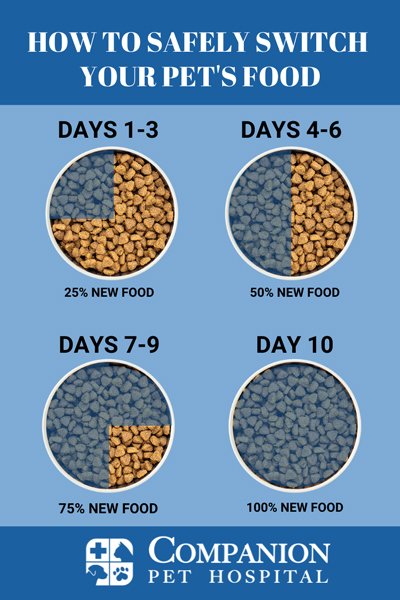
Switch over 7–10 days, mixing more adult food while monitoring stool.
If you want to know how to transition puppy to adult dog food the right way, you are in the right place. I’ve helped many pet parents make this switch with calm, clear steps backed by veterinary nutrition best practices. In this guide, I explain how to transition puppy to adult dog food with timing, portions, and real-life tips you can trust. Read on to avoid tummy upsets and set your young dog up for a strong, healthy adult life.
When to start the switch
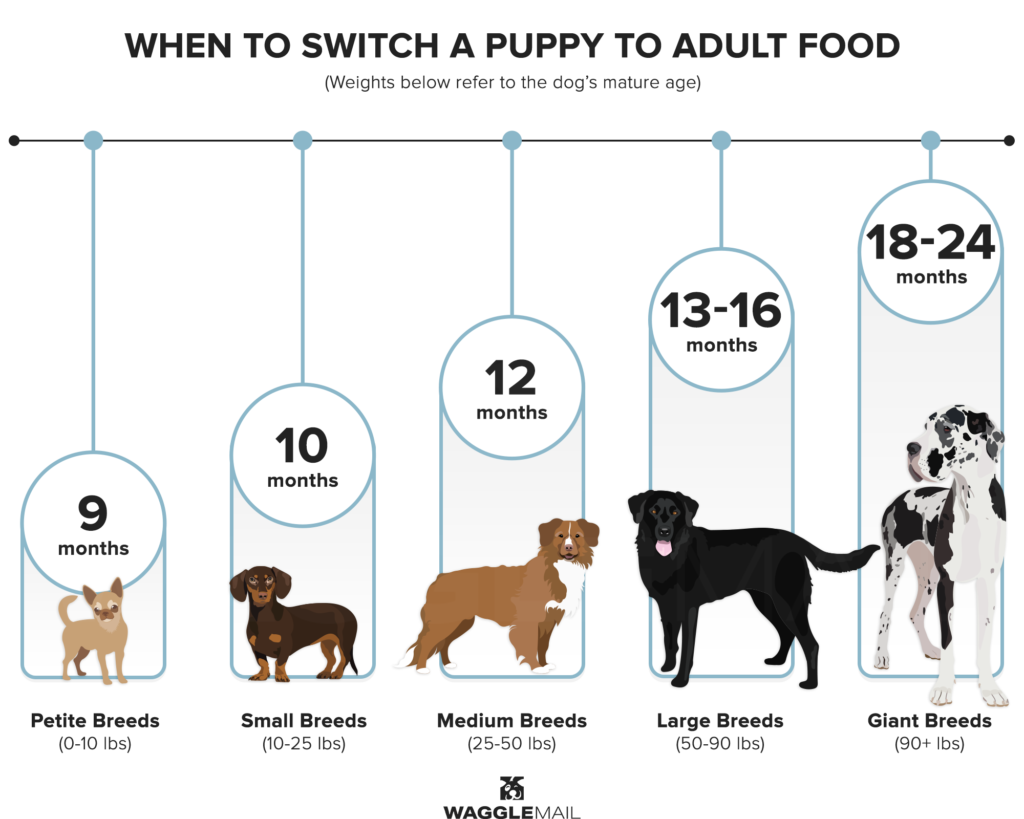
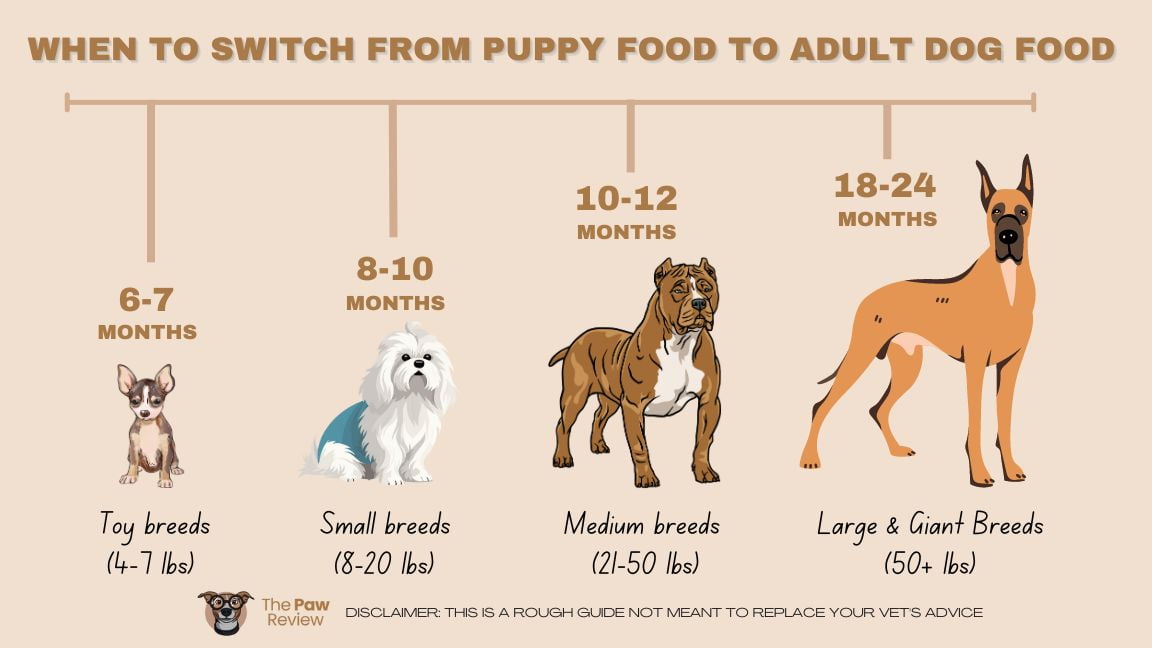
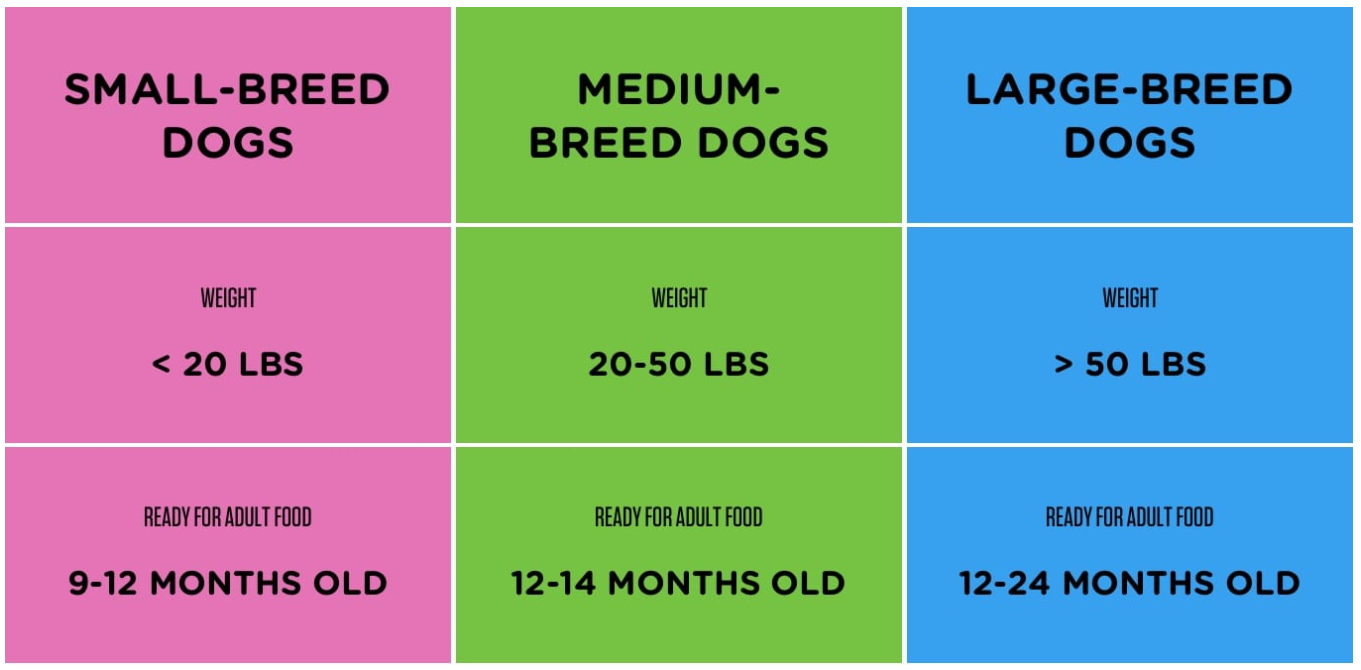
Age matters, but growth and body condition steer the call. Most small and medium breeds can switch around 9 to 12 months. Large breeds often wait until 12 to 18 months, and giant breeds may wait up to 24 months. If in doubt, ask your vet to assess growth plates and body score.
Look for signs your puppy is ready. Adult teeth are in, height gain slows, and weight gain steadies. Energy levels even out. Your vet may also suggest the change after spay or neuter due to lower calorie needs.
Check the label on your current food. If it says “for growth” or “all life stages,” you still need a true adult maintenance diet once growth is done. Adult food has controlled calories and different mineral levels for finished growth.

How to transition puppy to adult dog food: make a simple plan
Here is how to transition puppy to adult dog food with less stress. Pick a complete and balanced adult diet that suits size, activity, and budget. Look for an AAFCO statement for adult maintenance and brands that follow strong nutrition guidelines.
Match textures and proteins to ease the switch. If your puppy eats chicken kibble now, start with a chicken adult kibble. Keep the same feeding times. Measure food with grams on a kitchen scale for accuracy.
Talk with your vet before you start. This is key for large and giant breeds and for dogs with tummy issues. It is also smart for spay or neuter timing, since calorie needs can drop.

A step-by-step transition schedule
If you asked how to transition puppy to adult dog food and want exact steps, use this plan. Go slower for sensitive bellies or brachycephalic breeds.
- Days 1 to 2: 75 percent puppy food, 25 percent adult food
- Days 3 to 4: 60 percent puppy food, 40 percent adult food
- Days 5 to 6: 50 percent puppy food, 50 percent adult food
- Days 7 to 8: 40 percent puppy food, 60 percent adult food
- Days 9 to 10: 25 percent puppy food, 75 percent adult food
- Days 11 to 12: 10 percent puppy food, 90 percent adult food
- Day 13 onward: 100 percent adult food
Feed two to three small meals per day during the switch. Keep total daily calories the same as before you started. Offer fresh water at all times and keep treats under 10 percent of daily calories.

What to watch and how to adjust
Stool tells the story. Aim for formed, easy-to-pick-up stools that hold shape. If stools get soft, pause at the current mix for two to three more days. If diarrhea, vomiting, or lethargy shows up, step back to the last ratio that worked or call your vet.
Mild gas can be normal for a day or two. Add one change at a time to avoid confusion. You can use a simple canine probiotic for a week if your vet agrees.
Keep an eye on itch, ear debris, or red skin. Food allergies are rare, but intolerances happen. If signs persist, you may need a different protein or formula.

Common mistakes to avoid
Here are errors I see when people ask how to transition puppy to adult dog food.
- Switching cold turkey and shocking the gut
- Changing brand, format, and protein at the same time
- Overfeeding because adult kibble looks smaller
- Ignoring the AAFCO statement for adult maintenance
- Letting treats and table scraps replace balanced calories
- Not measuring and guessing portions by eye
Fix these, and the process is much smoother for both you and your dog.
Special cases that change your timeline
Some dogs need a tailored plan for how to transition puppy to adult dog food. Adjust for size, lifestyle, and health.
- Small breeds: Often ready at 9 to 10 months due to fast growth
- Large and giant breeds: Wait until 14 to 24 months to protect joints
- After spay or neuter: Calorie needs can drop by 10 to 20 percent
- High-activity or working dogs: May stay on higher-calorie adult food
- Sensitive stomachs: Extend each step to three to four days
For mixed-pet homes, feed in separate spots so a smaller dog does not raid a big dog’s bowl. This keeps calories fair and avoids tummy flare-ups.
How to choose the right adult food
If you want to know how to transition puppy to adult dog food and pick a safe diet, start with the label. Look for an AAFCO adult maintenance statement. Choose brands that consult veterinary nutritionists and run feeding trials when possible.
Check the ingredient and nutrient panel. Named animal proteins work well for most dogs. Aim for moderate fat and fiber, and omega-3s from fish oil for skin and joints. For large breeds, balanced calcium and phosphorus support strong bones.
Be careful with bold claims. Grain-free is not a guarantee and can be less ideal for some dogs. Work with your vet if your dog has a heart issue, food reaction, or unique needs.
Budget, storage, and feeding hacks
You can keep costs fair without cutting quality. Compare foods by cost per 1,000 calories, not by bag price. Buy bag sizes you can use within four to six weeks.
Store kibble in the original bag inside an airtight bin. Keep it cool, dry, and out of sun. Wash scoops often and use a scale for exact portions.
Keep a simple feeding log during the switch. Note mix ratio, stool quality, weight, and any new signs. This turns guesswork into a clear plan.

Troubleshooting: quick fixes that work
Even with a solid plan for how to transition puppy to adult dog food, hiccups can happen. Here are fast fixes I use with clients.
- Soft stool: Slow the transition. Add a tablespoon of canned plain pumpkin for fiber for medium dogs. Consider a short course of probiotics with your vet’s okay.
- Refusal to eat: Warm the food with a splash of warm water. Try a tiny spoon of plain unsalted broth as a topper.
- Weight gain: Drop total daily calories by 10 percent and recheck in two weeks.
- Weight loss: Raise total daily calories by 10 percent and recheck in two weeks.
- Red flags: Blood in stool, ongoing vomiting, or pain needs a vet visit now.
Stay calm and adjust one lever at a time. Most dogs settle within two weeks.
Frequently Asked Questions of how to transition puppy to adult dog food
When should I move my puppy to adult dog food?
Most small and medium dogs switch at 9 to 12 months. Large and giant breeds may wait until 14 to 24 months, based on growth and vet advice.
Can I switch from puppy to adult food overnight?
You can, but it raises the risk of diarrhea and gas. A 7 to 10 day mix is safer and easier on the gut.
How much adult food should I feed after the switch?
Start with the label guide by your dog’s goal weight and activity. Adjust by 10 percent every two weeks based on body condition and energy.
What if my dog refuses the new adult food?
Warm the meal, add a splash of warm water, or use a tiny amount of plain broth. If refusal lasts more than a day or two, call your vet.
Is grain-free adult food better?
Not always. Choose a balanced adult diet that suits your dog and follow your vet’s guidance, especially for large breeds or dogs with health issues.
Can I mix wet and dry during the transition?
Yes, and it can help picky eaters. Track total calories so you do not overfeed.
How do I know the adult food is complete and balanced?
Look for the AAFCO adult maintenance statement on the label. Brands that follow strong nutrition standards and feeding trials offer extra peace of mind.
Conclusion
Switching from puppy to adult food is simple when you go slow, watch stool, and measure portions. Now that you know how to transition puppy to adult dog food with a clear plan, you can support steady weight and long-term health. Start the 7 to 10 day mix this week, keep notes, and check in with your vet if anything feels off.
Want more practical pet nutrition tips like how to transition puppy to adult dog food with less stress? Subscribe, share this guide with a friend, or leave a comment with your dog’s age, breed, and current food. I’m here to help you make each meal count.

Pet Care Writer & Researcher
Daniel writes practical guides on daily care, feeding, and safety, turning complex topics into simple, actionable advice.