How To Walk A Dog Properly For Beginners: Simple Tips
Learn how to walk a dog properly for beginners with easy steps, leash tips, and safety basics to build confidence and enjoy calm, happy walks from day one.
Start with a comfy harness, a loose leash, simple cues, and calm consistency.
If you want to know how to walk a dog properly for beginners, you’re in the right place. I’ve helped many new owners turn chaotic outings into easy, happy walks. This guide blends proven training methods with real-world tips you can use today. Stick with me, and you’ll master the basics fast, avoid common mistakes, and feel confident every time you clip on the leash.

Before You Step Outside: Set Your Mindset and Plan
Great walks start before the door opens. Think of a walk as a training session with fun mixed in, not just a bathroom break. When you learn how to walk a dog properly for beginners, plan a calm routine: gear up, cue your dog to sit, and wait for eye contact before moving.
Pick a simple route for the first week. Short loops help you practice skills and measure progress. Keep sessions brief at first. Ten calm minutes beat a mile of pulling.
Reward what you like. Mark and pay when your dog walks near you, looks at you, or keeps the leash slack. Those tiny wins shape great habits.

Essential Gear That Makes Walking Easier
The right tools protect your dog’s body and your shoulders. They also make training clear.
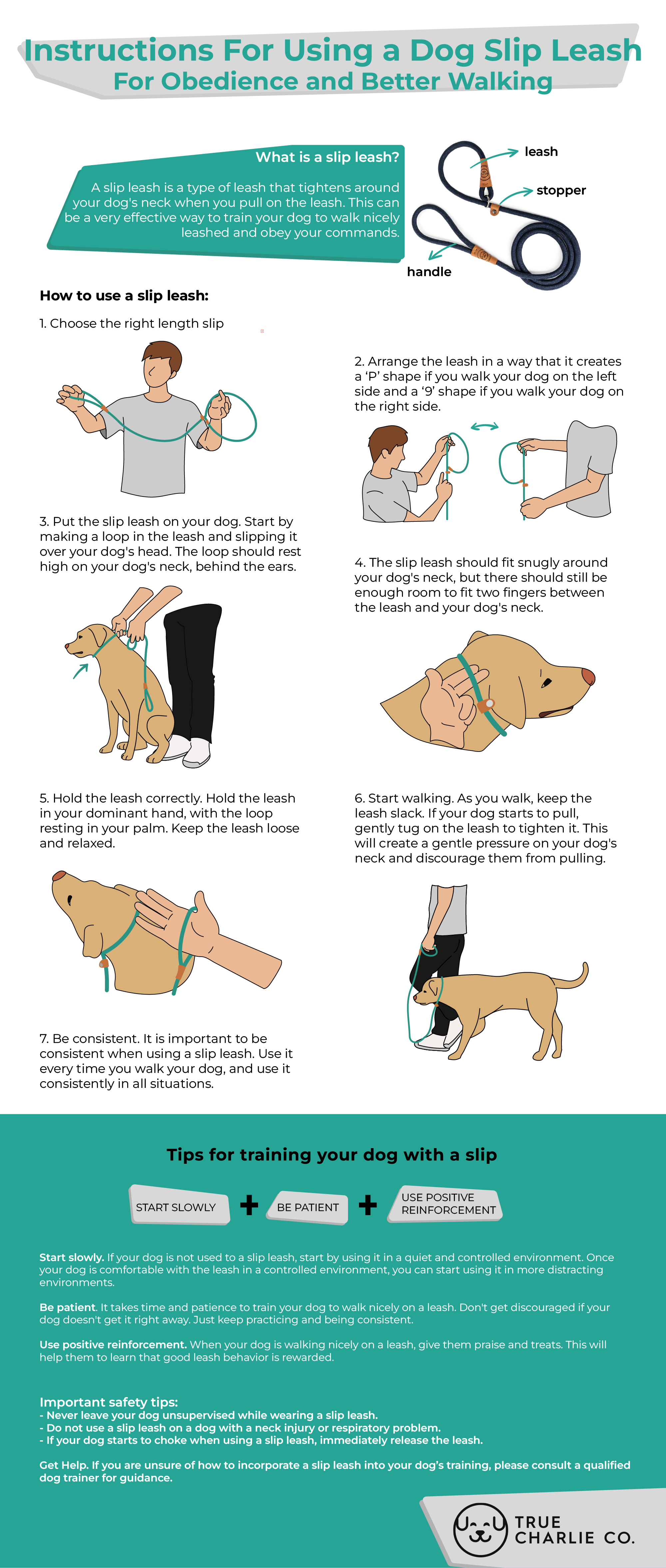
- Harness with a front-clip option: Reduces pulling force and protects the neck. Many trainers suggest front-clip harnesses for better control.
- Standard 4–6 foot leash: Gives clear feedback and keeps your dog close in busy areas.
- Flat buckle collar with ID tag: For identification and cues. Avoid aversive collars.
- Treat pouch and high-value treats: Reward fast and often. Small, soft treats work best.
- Waste bags and a small towel: Be a good neighbor and keep paws dry.
- Night gear if needed: A reflective collar or light boosts visibility.
Skip retractable leashes for now. They teach tension and can cause injuries. If you want to learn how to walk a dog properly for beginners, start with simple, safe gear that helps you reward calm choices.
Teach Foundation Cues at Home
A quiet room is the best classroom. Five focused minutes before your first big walk pays off outside.
- Name and eye contact: Say your dog’s name once. When they look, mark and reward.
- Let’s go cue: Say “Let’s go,” take one step, reward at your side. Build to a few steps.
- Touch cue: Offer your palm near your thigh. When your dog boops your hand, reward. Use it to guide turns.
- Leave it: Present a low-value item. Cover it if your dog lunges. When they back off, mark and reward from the other hand.
Do three short sets a day. When you practice how to walk a dog properly for beginners, indoor reps make outdoor distractions easier to handle.
Loose-Leash Walking Made Simple
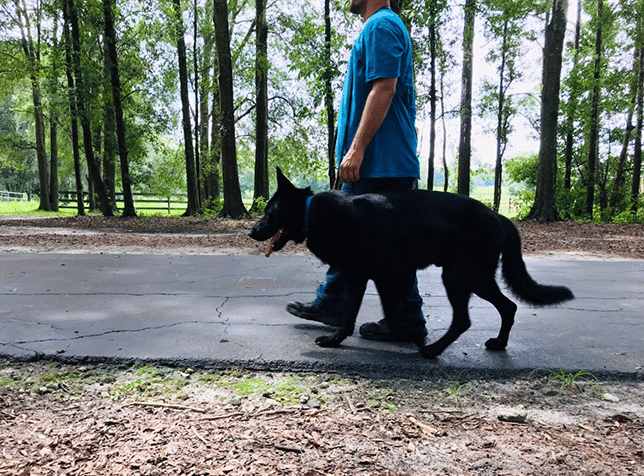
Your goal is a loose leash most of the time, not a perfect heel. Think “walk with me,” not “glue to my leg.”
- Start where it’s quiet. Mark and reward any slack leash or check-in.
- If your dog pulls, stop. Plant your feet. Wait for slack. Mark, then go.
- Change direction often. Say “Let’s go,” turn, and pay for following.
- Vary your pace. Speed up, slow down, turn. Make you the most interesting thing around.
- Pay by position. Treats appear near your thigh so your dog returns to the same spot.
When teaching how to walk a dog properly for beginners, keep sessions short. Two or three five-minute mini-walks build skill faster than one long slog.
The First Five Minutes Outside
The start sets the tone. Use a simple routine so your dog knows what comes next.
- Pause at the door. Ask for a sit. Clip the leash. Open the door only when calm.
- Give a short sniff-and-potty window. Two to three minutes is fine.
- Then begin training mode. Cue “Let’s go,” and start your loose-leash plan.
- Keep your route simple. One quiet block is a win day one.
If your goal is how to walk a dog properly for beginners, the first five minutes matter most. Calm starts lead to calm walks.
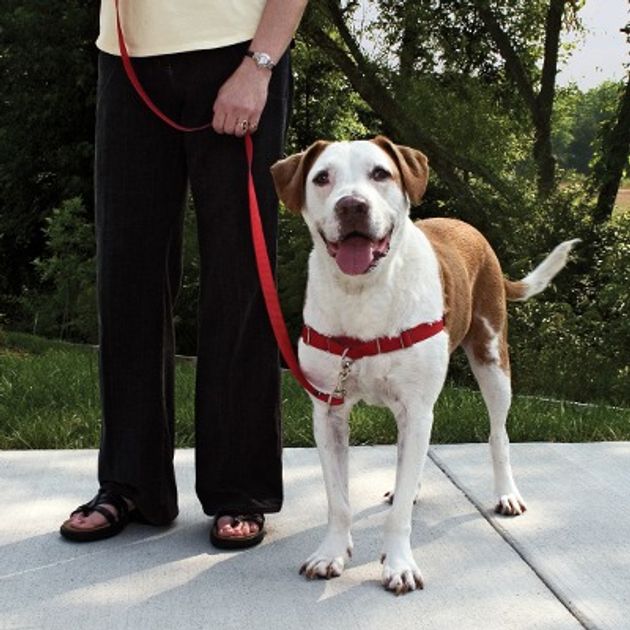
Read Your Dog’s Body Language and Stay Safe
Dogs talk with their bodies. Learn the signs so you can act early and keep stress low.
- Relaxed dog: Soft eyes, loose jaw, tail at half-mast, even stride.
- Stressed dog: Tense mouth, pinned ears, whale eye, stiff tail, fast panting, sudden sniffing.
- Over threshold: Explosive barking, lunging, frozen stare. Add distance fast.
Cross streets before your dog locks on a trigger. Step off the path to let others pass. Keep greetings short or skip them. Many dogs do not enjoy on-leash hello’s. If unsure, just smile and keep walking. Safety and consent beat every meet-and-greet.
Learning how to walk a dog properly for beginners means using distance and timing like tools. Space is often the best reward.
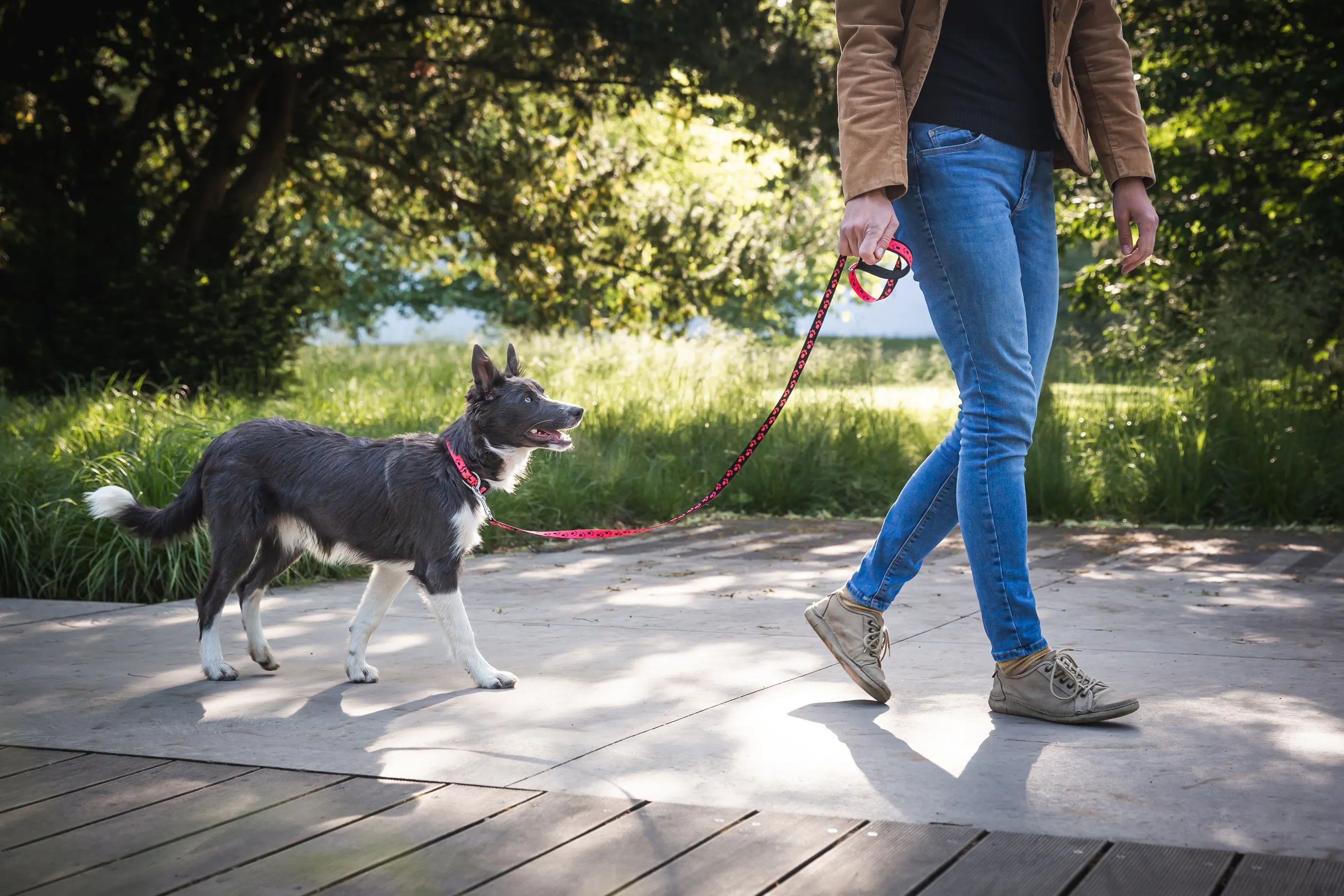
Common Problems and How to Fix Them
Small fixes work when you apply them early and often.
My dog pulls like a tractor
- Use a front-clip harness and short, slack leash.
- Stop when the leash tightens. Move only when slack returns.
- Feed near your thigh every few steps at first.
My dog barks at other dogs
- Add distance before the stare starts. Cross the street early.
- Mark and reward for looking at the dog, then back at you.
- Use a “find it” scatter of treats to reset arousal.
My dog eats everything on walks
- Teach leave it at home, then on walks with low-value items.
- Use a basket muzzle if your vet agrees and your dog is trained to love it.
- Keep the head up with a steady stream of reinforcement in tough areas.
My dog zigzags and trips me
- Reward next to your thigh only. Treat placement is your steering wheel.
- Walk near a curb line to create a natural lane.
- Use the touch cue to guide turns.
When you practice how to walk a dog properly for beginners, be patient. Consistency beats force every time.

Adapt for Puppies, Adults, and Seniors
Different ages need different plans.
- Puppies: The “five-minute rule” per month of age per walk is a handy guide, but watch your pup. Keep sessions short, soft, and fun. Focus on sniffing and skills, not distance.
- Active adults: Mix brisk walking, sniff breaks, and training reps. Aim for a loose leash, not a perfect heel.
- Seniors: Short, gentle outings. Avoid stairs if joints hurt. Watch for fatigue, limping, or heavy panting.
Heat and cold change everything. On hot days, walk early or late. Offer water often. On icy days, use paw balm or boots. If you want to master how to walk a dog properly for beginners, tailor each walk to the dog in front of you.
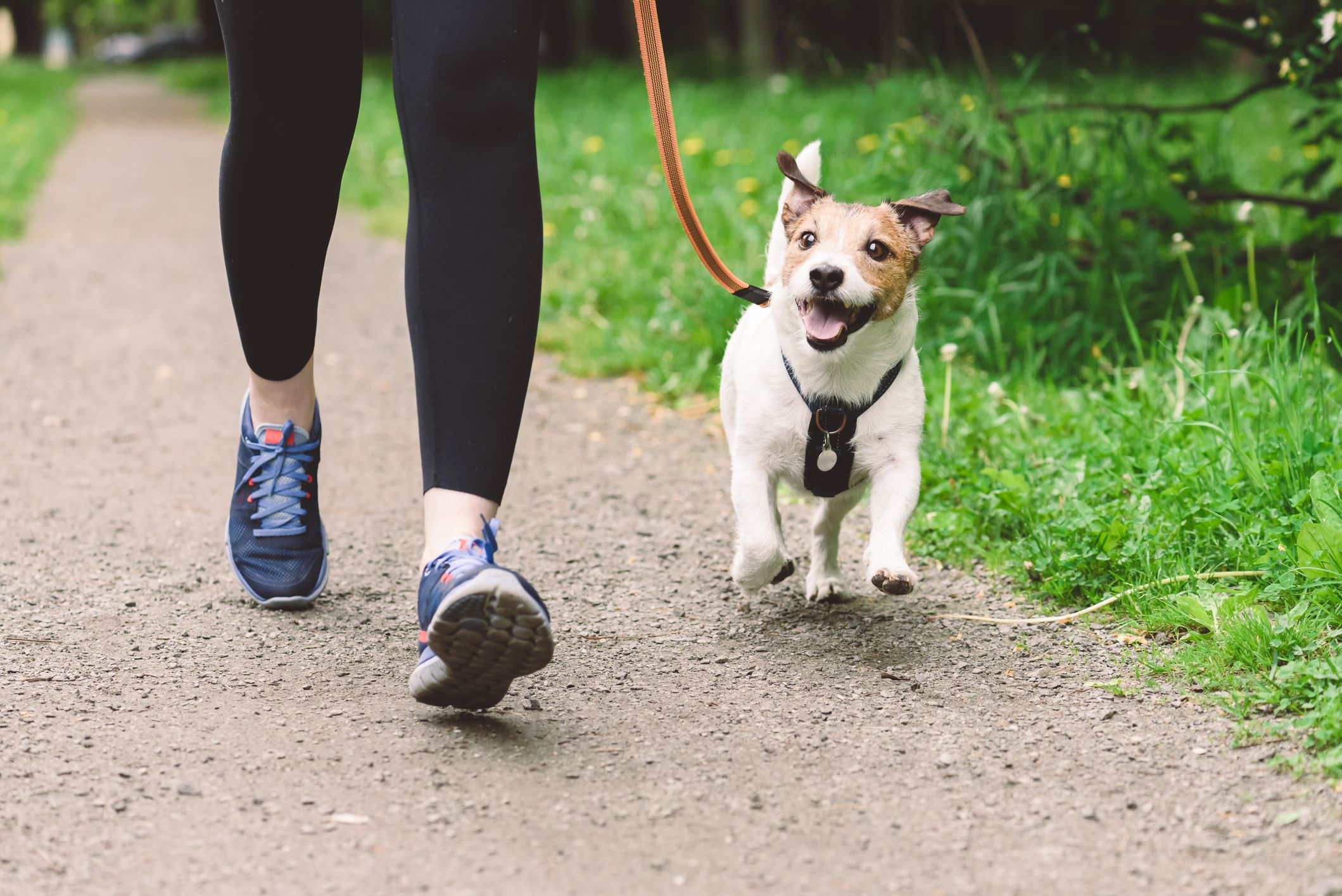
After the Walk: Cool Down, Care, and Enrichment
Your finish matters as much as your start. It locks in calm.
- Two-minute cool down: Slow your pace before you reach the door.
- Quick check: Paws, pads, nails, and harness rubs.
- Water and rest: Offer fresh water and a quiet spot.
- Enrichment: Scatter a few kibble in a snuffle mat or towel. Let your dog forage and decompress.
Track your wins in a simple log. Note route, triggers, and one thing that went well. If your aim is how to walk a dog properly for beginners, data helps you see progress you might miss day to day.
A Simple 7-Day Starter Plan
Use this plan to build skills without overwhelm. Keep each session short and upbeat.
- Day 1: Indoor cues. Name, eye contact, let’s go, touch. Three sets of five minutes.
- Day 2: Quiet sidewalk. One short loop. Pay for slack leash every two steps.
- Day 3: Add one mild distraction. Cross a street early. Reward check-ins.
- Day 4: Practice turns. Figure-eights in a parking lot corner.
- Day 5: Add leave it to curbside trash. Reward heavily for ignoring.
- Day 6: Vary pace. Fast for 10 steps, slow for 10, normal for 10.
- Day 7: Review and celebrate. Repeat your best day and end on a high note.
Repeat the week as needed and stretch goals slowly. This is the heart of how to walk a dog properly for beginners: short reps, clear rules, and steady rewards.
Frequently Asked Questions of how to walk a dog properly for beginners
How long should a beginner’s walk be?
Start with 10 to 15 minutes in a quiet area. End before your dog is tired or wired, and build up over time.
Is a harness better than a collar for walking?
For most dogs, yes. A well-fitted harness, especially with a front clip, reduces neck strain and gives you better control.
How do I stop pulling fast?
Stop the moment the leash tightens and wait for slack. Reward near your thigh and take only a few steps between treats at first.
Can I let my dog sniff on walks?
Yes, sniffing lowers stress and meets a core need. Use short sniff breaks on cue, then say “Let’s go” to move on.
What should I do if an off-leash dog runs up?
Place yourself between the dogs, toss treats toward the other dog, and leave calmly. Do not yell or run; create space and exit.
Conclusion
Great walks are a simple blend of calm routines, clear cues, and fair rewards. Start small, keep the leash loose, and pay your dog for the choices you want. If you follow these steps on how to walk a dog properly for beginners, you’ll turn daily walks into the best part of your day.
Ready to try it this week? Pick one tip, practice it for seven days, and track your wins. Want more guides like this? Subscribe, share your progress, or drop a question so we can help you succeed.
Pet Care Writer & Researcher
Daniel writes practical guides on daily care, feeding, and safety, turning complex topics into simple, actionable advice.