Is Commercial Dog Food Good For Dogs: The Real Truth
Is commercial dog food good for dogs? Learn how to choose nutritious, safe options and spot ingredients that support your dog’s health.
Yes, good commercial dog food can meet a dog’s needs when it is complete, balanced, and suited to the dog.
Is commercial dog food good for dogs? In most cases, yes. Modern pet food can provide safe, balanced nutrition when you choose a trusted product and feed the right amount. The key is learning how to read the label, spot quality standards, and match the food to your dog’s age, size, health, and activity level.
What Is Commercial Dog Food?
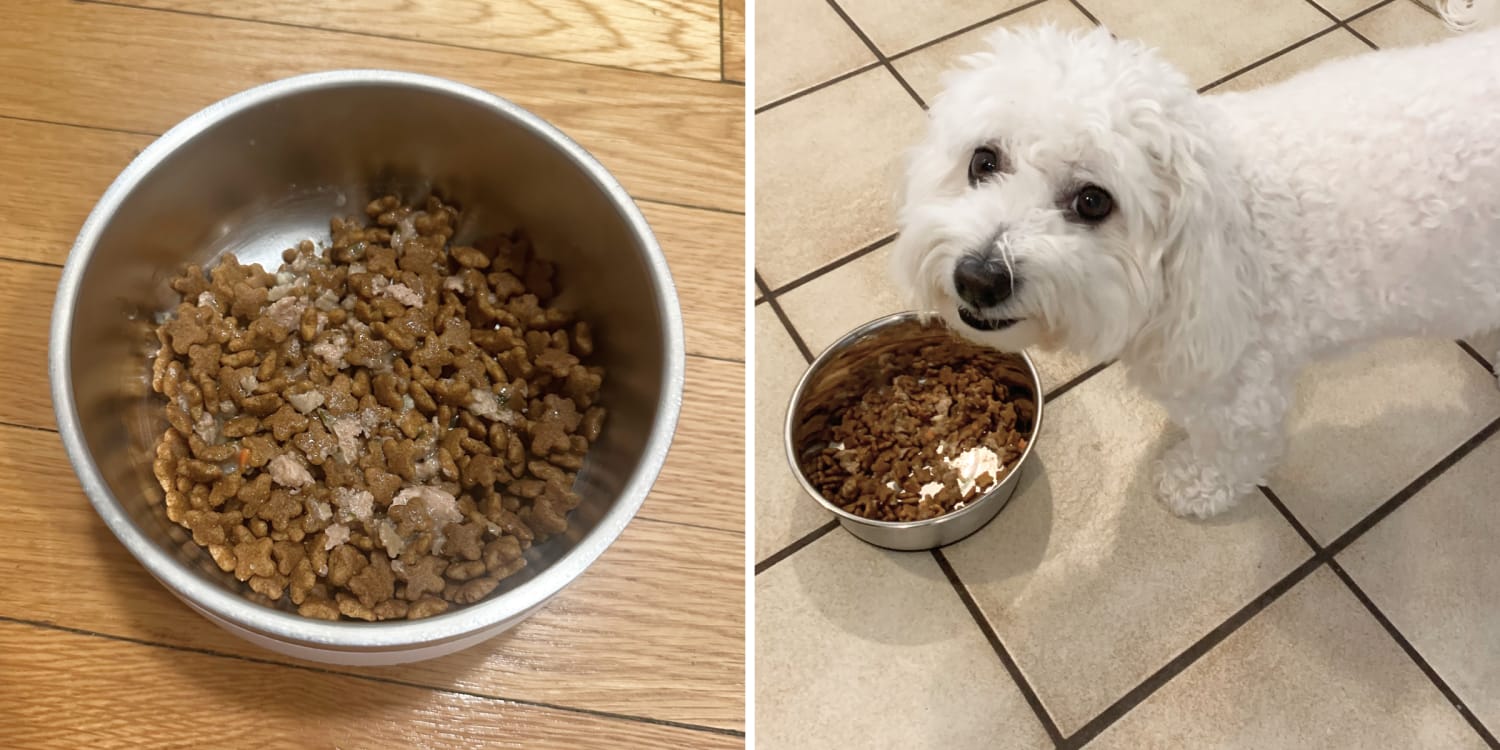
Commercial dog food is food made and sold for dogs. It may come as dry kibble, canned food, fresh food, freeze-dried food, or a mix of these types.
Most complete dog foods are made to provide essential nutrients, such as:
• Protein for muscles and body repair
• Fat for energy, skin, and coat health
• Carbohydrates for fuel and fiber
• Vitamins and minerals for body function
• Water, especially in wet food
• Essential fatty acids for the brain, skin, and immune system
A product labeled “complete and balanced” is designed to provide all needed nutrients for a certain life stage. In the United States, the Association of American Feed Control Officials, or AAFCO, sets nutritional profiles and feeding-trial standards used by many pet food makers.
This does not mean every commercial dog food is equally good. It means the label gives you a useful starting point. Ingredient quality, food safety, calorie content, and proper feeding still matter.

Is Commercial Dog Food Good for Dogs?
Is commercial dog food good for dogs? Yes, a properly made product can be a healthy daily diet for many dogs.
Research-based commercial diets offer several benefits. They are formulated to meet known nutrient needs, and many are tested for safety and nutrient levels. Reputable companies may also employ veterinary nutritionists, food scientists, and quality-control teams.
Still, the word “commercial” does not automatically mean “healthy.” Some products may be too high in calories, poorly suited to a dog’s age, or not complete and balanced. Treats, toppers, and homemade additions can also upset the nutrient balance when they make up too much of the diet.
A useful way to think about dog food is like a meal plan. The whole diet matters more than one ingredient. A food does not need to contain trendy ingredients to be nutritious, just as a human meal does not need an exotic superfood to be healthy.
When Commercial Dog Food Works Well
Commercial dog food is often a strong choice when:
• The package says it is complete and balanced
• The food matches your dog’s life stage
• Your dog maintains a healthy body weight
• Your dog has firm, regular stools
• Your dog has good energy and a healthy coat
• The food is stored and handled safely
• Your veterinarian has no concerns about the diet
When You May Need Extra Guidance
Some dogs need a special diet. This includes dogs with:
• Kidney disease
• Diabetes
• Food allergies
• Severe digestive problems
• Urinary disease
• Heart disease
• Pancreatitis
• Obesity
• Growth problems
Prescription diets should be used with veterinary advice. A homemade diet may also work for some dogs, but it should be planned by a board-certified veterinary nutritionist. Many homemade recipes lack calcium, zinc, iodine, or other key nutrients.
Benefits of Commercial Dog Food
It Provides Nutrient Balance
Good commercial diets are formulated around canine nutrient needs. This is important because dogs need more than protein and calories. They also need the right amounts of calcium, phosphorus, vitamins, fatty acids, and trace minerals.
Nutrient balance is especially important for puppies. Too much or too little calcium can harm developing bones, particularly in large-breed puppies.
It Is Convenient
Commercial food saves time. You do not need to shop for many ingredients, calculate nutrient levels, or prepare meals each day.
This convenience can improve feeding consistency. Dogs often do well with regular meal times and measured portions.
It Offers Many Formats
You can choose from several types of food:
• Dry kibble is easy to store and measure
• Canned food contains more water and may appeal to picky dogs
• Fresh cooked food may be soft and highly palatable
• Freeze-dried food is light and shelf-stable
• Veterinary diets support certain medical needs
The best format is the one your dog eats well, digests well, and can safely eat within your budget.
It Can Support Dental Care in Limited Ways
Some dry foods may help reduce plaque through texture. However, ordinary kibble is not a replacement for tooth brushing or professional dental care.
Veterinary Oral Health Council accepted products may provide more specific dental benefits. Even then, regular brushing remains one of the best ways to support oral health.
It Has Safety Controls
Established manufacturers often test raw materials and finished products. They may screen for bacteria, toxins, nutrient errors, and contamination.
No food company is perfect, and recalls can happen. However, commercial production often provides more consistent quality control than an untested homemade recipe.
Possible Drawbacks of Commercial Dog Food
Some Foods Are High in Calories
Weight gain is one of the most common problems linked to feeding habits. A dog may gain weight from a food that is nutritious but too calorie-dense.
Treats, table scraps, dental chews, and food toppers all count. Ideally, extras should provide no more than about 10% of daily calories unless your veterinarian gives different advice.
Labels Can Be Confusing
Words such as “premium,” “natural,” and “holistic” may sound helpful, but they do not tell you everything about nutritional quality. These terms can have limited value when used alone.
Focus on clearer information:
• Complete and balanced nutritional statement
• Intended life stage
• Calorie content
• Feeding instructions
• Manufacturer contact details
• Lot number and expiration date
Grain-Free Does Not Automatically Mean Better
Grains are not harmful to most dogs. Corn, wheat, rice, barley, and oats can provide useful nutrients and energy.
The U.S. Food and Drug Administration has investigated a possible link between some diets and canine dilated cardiomyopathy. Many reported diets were labeled grain-free and used large amounts of peas, lentils, or other legumes. The cause is not fully understood, so discuss diet changes with your veterinarian rather than choosing grain-free food because it sounds healthier.
Some Dogs React to Specific Ingredients
Food allergies are less common than many owners think. Environmental allergies, fleas, and skin infections cause many itchy dogs.
When a true food allergy is suspected, a veterinarian may suggest a strict elimination diet. This trial must be followed carefully. Treats, flavored medicines, and table food can ruin the results.
Wet Food Costs More and Spoils Faster
Canned food can be useful, but opened cans need refrigeration. Uneaten wet food should not sit at room temperature for long periods.
Dry food is easier to store, but it may contain more calories per cup. Always compare calorie content instead of judging portions by volume alone.
How to Choose a Healthy Commercial Dog Food
1. Check the Nutritional Adequacy Statement
Look for a statement that says the food is complete and balanced for a specific life stage.
Common categories include:
• Growth
• Maintenance
• All life stages
• Gestation and lactation
A food for “intermittent or supplemental feeding only” should not be your dog’s sole diet.
2. Match the Food to Your Dog
A Chihuahua puppy and a senior Great Dane do not have the same needs. Consider:
• Age
• Breed size
• Activity level
• Body condition
• Reproductive status
• Medical history
• Food sensitivities
Large-breed puppy food often has controlled calcium and energy levels. This helps support steady growth.
3. Compare Calories
Two foods can have very different calorie levels. One cup of kibble may contain 300 calories, while another may contain 500 calories.
Use the calorie statement on the package. Then monitor your dog’s body condition. You should be able to feel the ribs under a thin layer of fat, and your dog should have a visible waist when viewed from above.
4. Look for a Transparent Manufacturer
A trustworthy company should be willing to answer questions about:
• Who formulates the food
• Where it is made
• How ingredients are tested
• Whether finished products are tested
• How the company handles recalls
• Whether feeding trials are used
Ingredient lists matter, but they do not tell the whole story. Nutrition depends on the complete formula, ingredient quality, processing, and digestibility.
5. Choose Food Your Dog Tolerates
A good diet should support normal stools, stable energy, healthy skin, and a steady weight.
If your dog has loose stools, repeated vomiting, ear problems, or constant itching, the food may not be the only cause. Seek veterinary advice instead of switching diets again and again.

How to Read a Dog Food Label
The ingredient list shows ingredients by weight before cooking. Ingredients with more water may appear higher on the list than dry ingredients.
For example, fresh chicken contains a lot of water. Chicken meal has had much of that water removed. This does not mean fresh chicken is always more nutritious than chicken meal.
The guaranteed analysis usually lists:
• Crude protein
• Crude fat
• Crude fiber
• Moisture
These numbers are useful, but they can be misleading when comparing dry food with wet food. To compare them fairly, use a dry-matter calculation or ask your veterinarian for help.
The feeding guide is only a starting point. Dogs differ in metabolism, age, and activity. Weigh your dog often and adjust portions slowly.
Do not assume that a long ingredient list means better food. A short list can be healthy, and a long list can still be unbalanced.
Dry Food Versus Wet Food
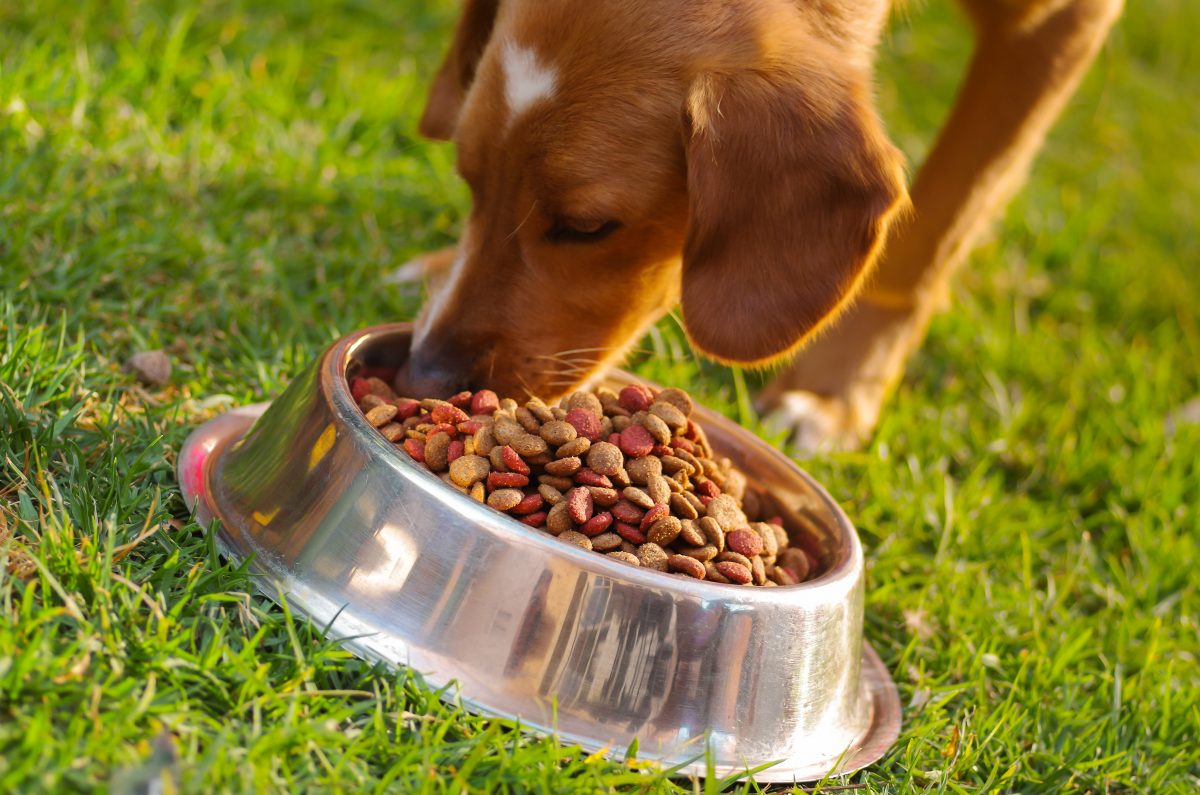
Both dry and wet commercial dog food can be healthy. The better choice depends on your dog and your daily routine.
Dry Dog Food
Dry food is:
• Easy to measure
• Simple to store
• Often less expensive per meal
• Useful in puzzle feeders
• Less messy than canned food
Its main limitation is low moisture. Dogs that do not drink enough water may benefit from wet food or added water, especially when a veterinarian recommends higher fluid intake.
Wet Dog Food
Wet food is:
• Higher in moisture
• Often more appealing to picky eaters
• Softer for dogs with dental pain
• Helpful for dogs that need more water
It can cost more and may spoil faster after opening. Wet food is not automatically more nutritious than dry food, so check the complete and balanced statement.
Mixed Feeding
Many dogs do well with a mix of dry and wet food. Reduce the amount of each food so the total calories remain appropriate.
This is where many owners make a common mistake. They add canned food as a topper without reducing kibble, and the dog slowly gains weight.
How Much Commercial Dog Food Should a Dog Eat?
Start with the feeding guide on the package. Then adjust the amount based on your dog’s body condition and weight trend.
A basic feeding routine looks like this:
- Measure the daily portion with a standard measuring cup or kitchen scale.
- Divide the food into one or two meals, based on your dog’s needs.
- Count treats as part of daily calories.
- Check body weight every two to four weeks.
- Adjust portions in small steps if weight changes.
Puppies, pregnant dogs, and highly active dogs may need more food. Older, less active, or overweight dogs may need fewer calories.
Avoid free-feeding dogs that gain weight easily. Leaving food out all day makes it hard to track intake and can encourage overeating.
Large meals can increase the risk of bloat in some large, deep-chested dogs. Ask your veterinarian about safer meal sizes and feeding routines if you own a Great Dane, Doberman, German Shepherd, or similar breed.

Is Expensive Commercial Dog Food Better?
Not always. A higher price may reflect better ingredients, special processing, research, packaging, or marketing. Price alone does not prove superior nutrition.
A less expensive food can still be complete and balanced. A costly food can still be a poor fit if it causes weight gain, stomach upset, or allergic signs.
Choose based on evidence, not packaging claims. Look for a complete nutritional statement, a reliable company, suitable calories, and good results in your dog.
One practical lesson is worth remembering: the best food is not the most fashionable food. It is the food your dog can eat safely, digest well, and maintain a healthy body on.
Common Feeding Mistakes to Avoid
Many diet problems come from small habits rather than one bad food.
Avoid these mistakes:
• Changing food suddenly
• Feeding too many treats
• Ignoring calorie information
• Choosing food only by the first ingredient
• Adding vitamins without veterinary advice
• Feeding raw animal products without understanding the risks
• Giving table scraps that contain onion, garlic, grapes, raisins, xylitol, or excess fat
• Using puppy food for an adult dog without a reason
• Storing food in a hot, damp place
• Keeping food long after its freshness date
Change diets over about seven days. Start with mostly the old food and add a small amount of the new food. Increase the new food slowly while watching for vomiting, diarrhea, or poor appetite.
Store dry food in a cool, dry place. Keep it in the original bag when possible, since the packaging includes the lot number and important product details.
Commercial Dog Food and Homemade Diets
Homemade diets can seem more natural and personal. They may also help when a dog has a narrow medical need or several food sensitivities.
However, homemade does not mean complete. A recipe made from meat, rice, and vegetables may lack calcium, vitamin D, iodine, copper, or essential fatty acids.
If you prepare your dog’s meals at home, work with a board-certified veterinary nutritionist. Follow the recipe closely, including supplements. Small substitutions can change the nutrient balance.
Commercial dog food is often safer for owners who do not have the time or training to calculate nutrients. It gives dogs a consistent diet without requiring daily formulation.
Commercial Dog Food and Raw Diets
Raw diets are promoted by some owners as more natural. Yet natural does not always mean safe or complete.
Raw food can carry bacteria such as Salmonella, Campylobacter, and certain strains of E. coli. These germs may affect dogs and people, especially young children, older adults, pregnant people, and those with weak immune systems.
Bones can also cause broken teeth, choking, intestinal blockage, or constipation. Raw diets may also have nutrient imbalances if they are not carefully formulated.
Major veterinary groups generally advise caution with raw feeding because proven benefits are limited and the health risks are real. If you are considering a raw diet, discuss it with your veterinarian first.
Signs That a Dog Food Is Working
A suitable diet usually supports clear, practical signs of health:
• Stable body weight
• Normal energy
• Firm, formed stools
• Healthy skin
• A soft, shiny coat
• Good muscle tone
• Regular appetite
• Minimal gas or digestive upset
No diet can prevent every illness. Still, a dog’s daily condition gives useful feedback.
Contact your veterinarian if your dog has ongoing diarrhea, frequent vomiting, sudden weight loss, extreme thirst, increased urination, severe itching, or a refusal to eat. These signs may point to a medical problem rather than a simple food preference.
Frequently Asked Questions About Commercial Dog Food
Is commercial dog food safe for dogs?
Most complete and balanced commercial dog foods are safe when stored, prepared, and fed correctly. Choose products from companies with clear quality-control practices and check for recalls.
Is commercial dog food better than homemade food?
Commercial dog food is often more reliable than an unbalanced homemade diet because it is formulated to meet known nutrient needs. A homemade diet can work, but it should be created with help from a veterinary nutritionist.
Can dogs eat commercial food every day?
Yes, dogs can eat a complete and balanced commercial diet every day. Select food made for your dog’s life stage and adjust portions to maintain a healthy body weight.
Is dry commercial dog food healthy?
Dry commercial dog food can be healthy if it is complete and balanced and suits your dog. Measure portions carefully because dry food often contains more calories per cup than wet food.
Should dogs eat grain-free commercial dog food?
Most dogs do not need grain-free food. Grains are safe for most dogs, and grain-free diets may be linked with diet-associated heart concerns in some cases, so discuss this choice with your veterinarian.
How often should you change commercial dog food?
You do not need to change food if your dog is healthy and doing well. If you switch foods, make the change gradually over about seven days to reduce the chance of digestive upset.
Can commercial dog food cause allergies?
Any protein can trigger an allergy, but true food allergies are less common than environmental allergies. A veterinarian can guide a controlled elimination diet if food allergy is suspected.
Conclusion
So, is commercial dog food good for dogs? Yes, it can be an excellent choice when it is complete and balanced, made by a reliable company, suited to your dog, and fed in the right amount.
Look beyond marketing words. Check the nutritional adequacy statement, compare calories, monitor body condition, and speak with your veterinarian when health problems appear. With these simple steps, you can choose commercial dog food with confidence and give your dog a steady foundation for a long, active life. Share your dog’s feeding experience in the comments and explore more evidence-based pet nutrition resources for your next food decision.

Pet Care Writer & Researcher
Daniel writes practical guides on daily care, feeding, and safety, turning complex topics into simple, actionable advice.