What Are The 10 Best Dog Foods: Best Choices
Find out what are the 10 best dog foods for nutrition, taste, and value. Compare trusted options and choose the right food for your dog.
The 10 best dog foods meet complete nutrition needs, suit life stage, and fit your dog.
Choosing the right food can feel like reading a label in a foreign language. As a practical guide, I reviewed ingredient quality, nutritional standards, life-stage needs, safety records, and real-world feeding concerns to explain what are the 10 best dog foods for different dogs. You will also learn how to compare formulas, avoid common mistakes, and change your dog’s diet safely.
What are the 10 best dog foods?
There is no single food that is best for every dog. A growing puppy, an active adult, a senior dog, and a dog with kidney disease all need different nutrition.
Still, the following foods stand out because they come from established companies, offer complete and balanced formulas, and provide options for common needs. When asking what are the 10 best dog foods, always check the exact recipe, not just the brand name.
1. Purina Pro Plan
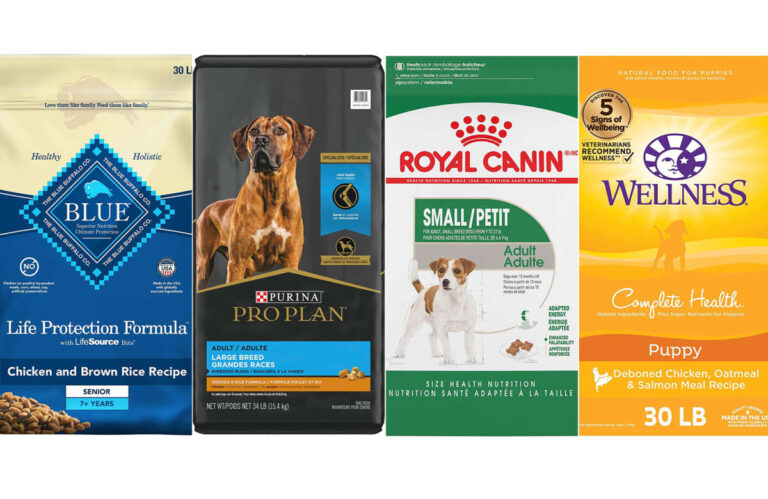
Purina Pro Plan is a strong all-around choice for many healthy dogs. It offers formulas for puppies, adults, seniors, large breeds, sensitive skin, sensitive stomachs, and active dogs.
Many recipes use named animal proteins such as chicken, salmon, lamb, or turkey. Some formulas also include prebiotic fiber, omega fatty acids, and added nutrients for skin, coat, or digestion.
Best for:
• Dogs with many life-stage and size needs
• Dogs needing sensitive-skin or sensitive-stomach options
• Owners who want broad product availability
2. Hill’s Science Diet
Hill’s Science Diet is known for research-led formulas and clear life-stage choices. It makes food for puppies, adult dogs, older dogs, large breeds, small breeds, and dogs with special concerns.
Its standard foods are different from Hill’s Prescription Diet products. Prescription Diet formulas should be used with veterinary guidance because they are designed for medical conditions.
Best for:
• Families wanting science-based nutrition
• Puppies and senior dogs
• Dogs needing carefully targeted nutrition
3. Royal Canin
Royal Canin provides highly specific formulas based on breed size, age, body condition, and health needs. Its foods often have different kibble shapes and textures to suit small, medium, and large dogs.
The ingredient list may look different from what many shoppers expect. However, the complete nutritional profile, quality control, digestibility, and feeding research matter more than judging food by one ingredient alone.
Best for:
• Small, medium, and large breed dogs
• Breed-specific feeding plans
• Dogs that need specialized formulas
4. Purina ONE
Purina ONE offers a more affordable option while still providing complete and balanced recipes for many dogs. It includes formulas for puppies, adults, seniors, large breeds, and dogs with sensitive digestion.
This line can be useful when a family needs dependable nutrition at a lower cost. Price matters because the best food is not helpful if an owner cannot buy it consistently.
Best for:
• Budget-conscious households
• Healthy adult dogs
• Owners seeking widely available food
5. Iams ProActive Health
Iams ProActive Health is another practical choice for healthy dogs. Many recipes include animal-based protein, fiber sources, and nutrients that support muscle and digestion.
It may not offer as many specialized medical options as some premium brands. Still, a suitable Iams formula can meet the needs of many healthy dogs when fed according to the label.
Best for:
• Healthy adult dogs
• Families seeking moderate pricing
• Dogs that do well on common chicken or lamb recipes
6. Eukanuba
Eukanuba focuses on protein-rich nutrition for puppies, adult dogs, large breeds, and active dogs. Some recipes are designed for working, sporting, or highly energetic dogs that burn more calories.
An active dog may need more energy than a calm household pet. Even so, portion control remains important because calorie needs vary widely between individual dogs.
Best for:
• Active and athletic dogs
• Large-breed puppies and adults
• Dogs with higher energy needs
7. Wellness Complete Health
Wellness Complete Health provides several dry and wet food options for different life stages. Its recipes often include animal protein, grains or grain-free ingredients, vegetables, and added vitamins and minerals.
“Natural” on a label does not automatically mean a food is nutritionally complete. Check for an adequacy statement that confirms the food meets Association of American Feed Control Officials nutrient profiles or passes feeding trials.
Best for:
• Owners looking for several recipe styles
• Dogs that enjoy both wet and dry food
• Families comparing mid-range and premium options
8. Merrick Healthy Grains
Merrick offers recipes with named meat ingredients and both grain-inclusive and grain-free choices. Its Healthy Grains line may be a sensible option for owners who want to avoid unnecessary grain-free feeding.
Most dogs can digest healthy grains. Unless a veterinarian identifies a true allergy or medical reason, removing grains is usually not needed.
Best for:
• Dogs that do well with meat-forward recipes
• Owners who prefer grain-inclusive or limited-ingredient choices
• Dogs needing wet and dry food variety
9. JustFoodForDogs
JustFoodForDogs makes gently cooked and fresh-style meals, including recipes developed for different life stages and needs. Fresh food can be appealing to picky eaters, but it must still be complete and balanced.
Some fresh diets are intended only for supplemental feeding. Read the label carefully and confirm that the meal is suitable as the dog’s main diet.
Best for:
• Dogs that refuse standard kibble
• Owners who prefer gently cooked food
• Families willing to follow storage and portion instructions
10. A veterinary therapeutic diet
A veterinary therapeutic diet may be the best food for a dog with a diagnosed condition. Examples include diets for kidney disease, urinary problems, food sensitivities, obesity, or digestive disorders.
These foods are not general upgrades for healthy dogs. A veterinarian should select the formula because the wrong diet can worsen a medical problem or hide symptoms that need treatment.
Best for:
• Dogs with diagnosed medical conditions
• Dogs needing controlled minerals or nutrients
• Pets under regular veterinary care
When people ask what are the 10 best dog foods, these choices cover the most useful categories rather than claiming that one brand suits every dog. The right pick should support your dog’s health, taste preferences, body condition, and budget.

How to choose the best dog food
Understanding what are the 10 best dog foods starts with learning how to read a pet food label. Marketing words can help you notice a product, but they should not make the decision for you.
Check the nutritional adequacy statement
Look for a statement saying the food is complete and balanced for a specific life stage. Common categories include growth, maintenance, all life stages, gestation, and lactation.
A food labeled for “intermittent or supplemental feeding only” should not become your dog’s main diet. Treats, toppers, and homemade add-ons can unbalance an otherwise sound feeding plan.
Match the food to your dog’s life stage
Puppies need food that supports growth. Large-breed puppies need special calcium and calorie control because overly rapid growth can affect bones and joints.
Adult dogs need maintenance nutrition. Senior dogs may need fewer calories, more support for joint health, or a diet adjusted for medical changes. Age alone does not determine the perfect recipe, so ask your veterinarian during routine exams.
Consider calories, not just cups
Two foods may have very different calorie levels per cup. Feeding the same cup amount after changing food can cause gradual weight gain or weight loss.
Use the calorie information on the package as a starting point. Then adjust based on body condition, activity, age, and veterinary advice.
Look beyond the first ingredient
The first ingredient matters, but it does not tell the whole story. Dogs need the right balance of protein, fat, carbohydrates, vitamins, minerals, and essential fatty acids.
A label can highlight premium ingredients while the full formula fails to suit your dog. Think of dog food like a recipe for a child: one healthy ingredient cannot make the entire meal balanced.
Evaluate the manufacturer
According to widely used veterinary nutrition guidance, important questions include:
• Does the company employ qualified animal nutritionists?
• Does it own or control its manufacturing facilities?
• Does it test raw ingredients and finished food?
• Does it conduct feeding trials or publish nutrition research?
• Can it provide clear answers about quality control?
These details often tell you more than phrases such as “holistic,” “ancestral,” or “premium.”
Be careful with grain-free diets
Grain-free food is not automatically healthier. Many grain-free diets replace grains with peas, lentils, chickpeas, or potatoes.
The Food and Drug Administration has investigated reports of canine dilated cardiomyopathy linked to some diets that contain high levels of pulses or potatoes, including some grain-free products. The issue is complex and not fully explained, so discuss grain-free feeding with your veterinarian before choosing it without a clear reason.

Dry food, wet food, fresh food, or homemade diets?
What are the 10 best dog foods if you are unsure about food type? The answer depends on your dog’s health, appetite, teeth, budget, and daily routine.
Dry dog food
Dry food is convenient, easy to measure, and often less expensive per meal. It also stores well after opening.
However, kibble does not replace dental care. Most dogs still need regular tooth brushing and veterinary dental checks.
Wet dog food
Wet food contains more moisture and may help dogs that drink little or have a poor appetite. It is often useful for older dogs or dogs with dental discomfort.
Once opened, wet food needs refrigeration and should be handled according to package instructions. It can also cost more when fed as the only diet.
Fresh or gently cooked food
Fresh food may be attractive to picky dogs and can offer a different texture. The key question is whether it is complete and balanced for your dog’s life stage.
Some fresh meals are meant only as toppers. Read the feeding statement carefully, and do not assume that homemade-looking food is nutritionally complete.
Homemade dog food
Homemade diets can work when a veterinary nutritionist creates and reviews the recipe. Random internet recipes often lack calcium, zinc, iodine, vitamin D, or other vital nutrients.
One common mistake is feeding meat and rice for too long. That combination may seem gentle during a short stomach upset, but it is not a balanced long-term diet.

How to change your dog’s food safely
Even an excellent food can cause loose stool if you switch too fast. A gradual change gives the digestive system time to adjust.
Try this simple plan:
- Feed about 75% old food and 25% new food for two or three days.
- Move to 50% old food and 50% new food for two or three days.
- Feed about 25% old food and 75% new food for two or three days.
- Serve 100% new food when your dog’s stool and appetite remain normal.
Some dogs need two weeks or longer. If vomiting, severe diarrhea, refusal to eat, weakness, or facial swelling occurs, stop and contact a veterinarian.
When considering what are the 10 best dog foods, remember that transition speed can affect your judgment. A good food may appear to “fail” simply because it was introduced too quickly.
Common dog food mistakes to avoid
Choosing what are the 10 best dog foods is only part of the feeding process. Portion size, treats, storage, and consistency also affect health.
Avoid these common errors:
• Changing food often without a clear reason
• Feeding too many treats or table scraps
• Ignoring calorie information
• Choosing food based only on attractive packaging
• Using a puppy diet for an adult dog without checking calories
• Feeding a prescription diet without veterinary advice
• Leaving wet food at room temperature for too long
• Storing kibble in a hot, damp place
• Adding vitamins without professional guidance
• Assuming expensive food is always better
A useful rule is to keep treats under about 10% of daily calories unless your veterinarian gives different advice. Small treats can add up quickly, especially for small dogs.
I have seen owners focus on a short ingredient list while missing the bigger issue: their dog was eating too much. Body condition is a better progress report than a marketing claim. You should be able to feel the ribs with light pressure while still seeing a clear waist from above.

How to know whether a dog food suits your pet
The best food should support steady health over time. Watch your dog’s body, stool, skin, energy, and appetite.
Positive signs may include:
• Stable body weight
• Firm, regular stools
• Healthy skin and a shiny coat
• Good energy without restlessness
• Normal appetite
• No repeated vomiting or gas
• Consistent muscle tone
No food can prevent every health problem. Persistent itching, ear infections, diarrhea, weight change, excessive thirst, or appetite loss deserves veterinary attention rather than repeated diet changes.
The answer to what are the 10 best dog foods may also change as your dog ages. Reassess food after sterilization, a major activity change, a new diagnosis, or a noticeable weight shift.
Frequently Asked Questions About What Are the 10 Best Dog Foods
What are the 10 best dog foods for most healthy dogs?
Purina Pro Plan, Hill’s Science Diet, Royal Canin, Purina ONE, Iams, Eukanuba, Wellness, Merrick, JustFoodForDogs, and suitable veterinary diets are strong options across different needs. The best choice depends on life stage, health, calories, taste, and budget.
What are the 10 best dog foods for puppies?
Puppies need a complete and balanced growth formula, not regular adult maintenance food. Large-breed puppies should eat a diet specifically labeled for large-breed growth to help control calories and mineral balance.
Is expensive dog food always better?
No. Price does not prove nutritional quality, and many moderately priced foods meet recognized nutritional standards. Look for a complete and balanced statement, sound quality control, and a recipe that suits your dog.
Is grain-free dog food healthier?
Grain-free food is not automatically healthier or safer. Many dogs digest grains well, and grain-free diets may contain large amounts of peas, lentils, or potatoes, so ask your veterinarian before making the switch.
How often should I change my dog’s food?
You do not need to change food if your dog is healthy, maintains a good weight, and enjoys the current diet. Change food when life stage, health, tolerance, availability, or veterinary advice makes a different formula more suitable.
Can dogs eat both wet and dry food?
Yes, many dogs can eat a combination of wet and dry food. Reduce the amount of each food so the total daily calories remain appropriate.
What are the 10 best dog foods for dogs with allergies?
There is no universal allergy food because dogs may react to different proteins or ingredients. A veterinarian may recommend a novel-protein or hydrolyzed-protein diet and a carefully controlled food trial.
Conclusion
The answer to what are the 10 best dog foods is not one magic brand. Strong choices include established complete and balanced formulas from Purina Pro Plan, Hill’s Science Diet, Royal Canin, Purina ONE, Iams, Eukanuba, Wellness, Merrick, JustFoodForDogs, and veterinary therapeutic lines when medically appropriate.
Start with your dog’s age, size, activity, body condition, and health history. Check the nutritional adequacy statement, compare calories, transition slowly, and ask your veterinarian about unusual symptoms or special diets. Use this guide to compare your options, then choose the food your dog can eat safely and thrive on consistently.

Pet Care Writer & Researcher
Daniel writes practical guides on daily care, feeding, and safety, turning complex topics into simple, actionable advice.