What Are The Best Ingredients For Dog Food: Healthy Choices
What are the best ingredients for dog food? Learn which proteins, grains, vegetables, and nutrients support your dog’s health and energy.
The best dog food ingredients include named animal protein, balanced fats, digestible carbohydrates, fiber, vitamins, and essential minerals.
Choosing the best ingredients for dog food is not about finding the fanciest label or the longest ingredient list. It is about building a complete, balanced diet that gives your dog quality protein, useful energy, healthy digestion, and the nutrients needed for lifelong health. This guide explains what to look for, what to limit, and how to compare dog food with confidence.
What Makes a Dog Food Ingredient “Good”?
A good dog food ingredient has a clear purpose. It should provide protein, fat, carbohydrates, vitamins, minerals, fiber, or moisture in a form your dog can digest and use.
The best ingredients for dog food also work together. A bowl made only from meat would not provide every nutrient a dog needs. Dogs require a balanced mix of amino acids, fatty acids, vitamins, and minerals.
A complete diet should also match your dog’s:
• Age and life stage
• Breed size
• Activity level
• Body condition
• Health needs
• Food sensitivities
Puppies, adult dogs, pregnant dogs, and senior dogs do not have identical nutrition needs. For example, puppies need carefully controlled calcium and phosphorus for bone growth, while older dogs may benefit from a diet with controlled calories and added support for joint health.
Look for a nutritional adequacy statement on the package. In the United States, this statement is based on standards set by the Association of American Feed Control Officials, commonly called AAFCO. It should say whether the food is complete and balanced for growth, maintenance, or all life stages.

1. Named Animal Protein
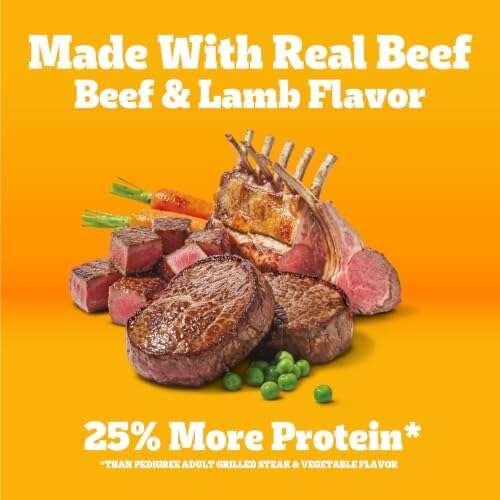
Named animal protein is one of the most valuable ingredients in dog food. Examples include chicken, turkey, beef, lamb, salmon, whitefish, and eggs.
Protein supplies amino acids that help maintain muscles, skin, hair, organs, enzymes, and immune function. Dogs can use plant proteins, too, but animal proteins often provide a strong amino acid profile and are easy for owners to identify on a label.
The best ingredients for dog food usually name the animal source clearly. “Chicken,” “beef meal,” or “salmon” is more helpful than a vague term such as “meat” or “animal protein.”
Fresh meat and meat meal
Fresh meat contains a great deal of water. During cooking, much of that water disappears, so fresh meat may weigh less than expected after processing.
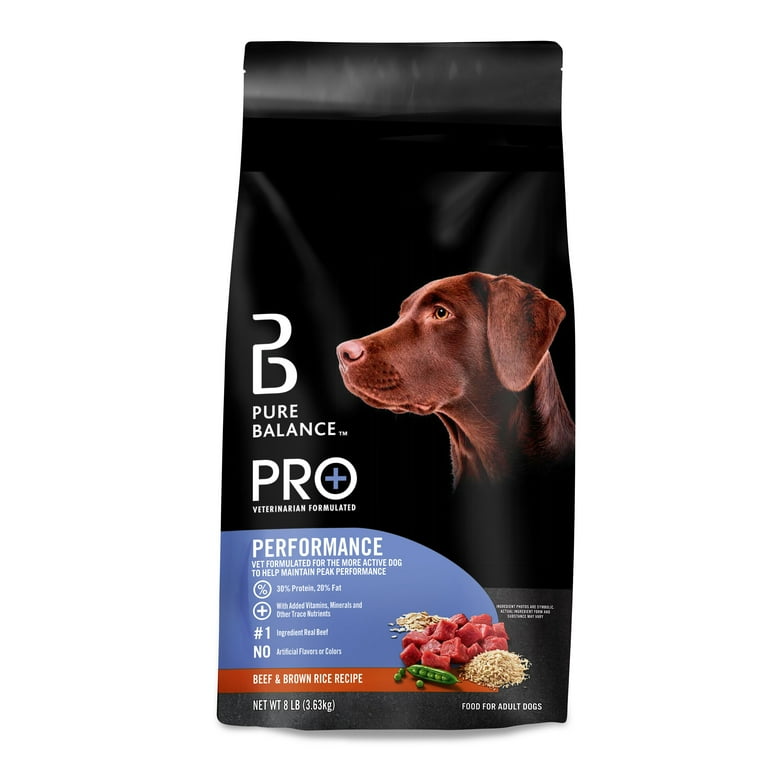
Meat meal is concentrated animal protein made by removing water and fat. Chicken meal, lamb meal, and fish meal can all be useful ingredients. A food with meat meal near the top of the list may contain more protein than a food that lists fresh meat first.
Eggs and fish
Eggs provide highly usable protein and several important nutrients. Fish can provide protein plus omega 3 fatty acids, especially when the food contains salmon, sardines, or fish oil.
However, the protein source must suit your dog. Some dogs have food allergies or intolerances. If your veterinarian suspects an allergy, do not switch among many foods at random. A supervised elimination diet is more reliable.

2. Healthy Animal and Plant Fats
Fat is not simply a filler. It provides concentrated energy, supports cell health, helps the body absorb vitamins, and makes food more appealing.
The best ingredients for dog food include clearly named fat sources. Examples include chicken fat, salmon oil, fish oil, flaxseed, and sunflower oil. The label should tell you where the fat comes from whenever possible.
Omega 3 fatty acids deserve special attention. EPA and DHA, found mainly in marine sources, support the brain, eyes, skin, and normal inflammatory response. They are especially useful in puppy diets and may help support mobility in some older dogs.
Omega 6 fatty acids are also important for skin and coat health. Dogs need both omega 3 and omega 6 fats, but balance matters. More fat is not always better, since high calorie intake can lead to weight gain.
A common mistake is adding fish oil without checking the full diet. Too much can add calories and may cause digestive upset. Ask your veterinarian about the right amount, especially if your dog takes medicine or has a health condition.

3. Digestible Carbohydrates
Dogs can digest and use carbohydrates. Carbohydrates provide energy and can supply fiber, vitamins, and minerals.
Useful carbohydrate ingredients include:
• Brown rice
• Oats
• Barley
• Corn
• Wheat
• Potatoes
• Sweet potatoes
• Peas
• Lentils
• Chickpeas
The best ingredients for dog food depend on the whole recipe, not on one ingredient alone. Corn, rice, and wheat are not automatically harmful. They can provide energy and nutrients when used in a complete, balanced formula.
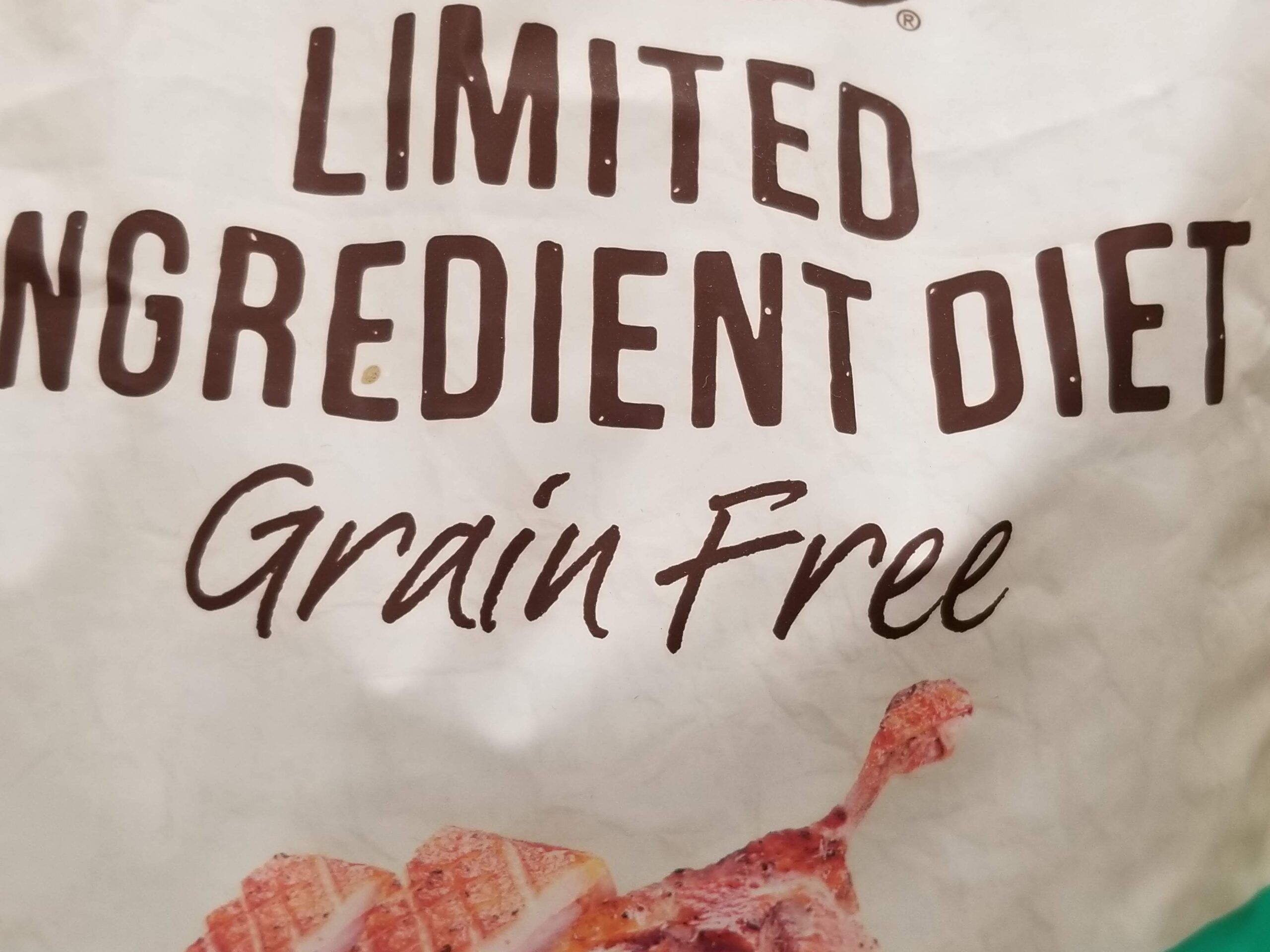
Some dogs do better with certain carbohydrates than others. A dog with a diagnosed allergy may need a limited ingredient diet. A dog with a sensitive stomach may do well with a highly digestible grain or a simple carbohydrate source.
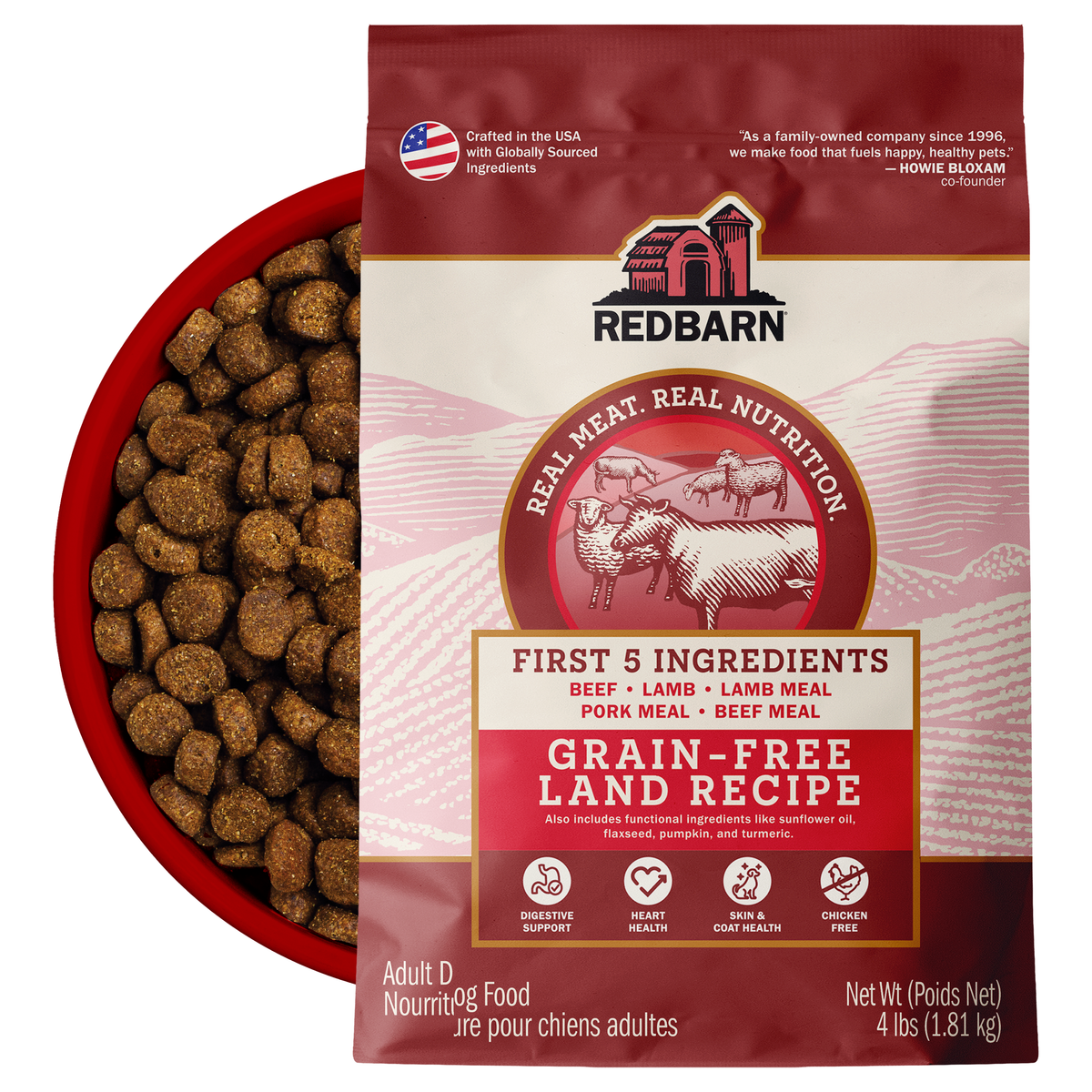
Grain free does not automatically mean healthier. The Food and Drug Administration has investigated a possible link between some grain free diets and canine dilated cardiomyopathy, particularly diets high in peas, lentils, other pulses, or potatoes. The issue is complex and remains under study, so discuss grain free feeding with your veterinarian before making a change.
4. Helpful Fiber Sources
Fiber supports normal digestion and stool quality. It can also help a dog feel full, which may support weight control.
Good fiber sources include beet pulp, pumpkin, psyllium, oats, brown rice, carrots, and certain fruits and vegetables. Beet pulp, in particular, is commonly used in dog food because it can provide fermentable fiber that supports healthy gut bacteria.
Fiber has limits. Too much may reduce the absorption of some nutrients, increase stool volume, or cause gas. The right amount depends on the recipe and your dog’s health.
For example, pumpkin may help add gentle fiber to a dog’s diet, but it is not a cure for ongoing diarrhea or constipation. Persistent digestive changes need veterinary attention because they may signal parasites, infection, food intolerance, or another illness.

5. Essential Vitamins and Minerals
Dogs need vitamins and minerals in small but precise amounts. These nutrients support bones, nerves, muscles, blood, immunity, and many chemical processes in the body.
Important nutrients include:
• Calcium and phosphorus for bones and teeth
• Zinc for skin, coat, and immune function
• Iron for healthy blood cells
• Vitamin A for vision and immune health
• Vitamin D for calcium regulation
• Vitamin E for cell protection
• B vitamins for energy metabolism
• Iodine for thyroid function
The best ingredients for dog food may include both whole food ingredients and carefully measured vitamin and mineral supplements. Seeing a supplement on the label does not mean the food is poor quality. In fact, supplements are often needed to make a diet complete and balanced.
Homemade diets are where many nutrient problems begin. Meat, rice, and vegetables may look wholesome, but this combination can be low in calcium and other essential nutrients. If you prepare your dog’s food at home, work with a board certified veterinary nutritionist and follow a tested recipe.
Never add human multivitamins to your dog’s meals without veterinary advice. Some contain too much vitamin D, iron, or other nutrients. Certain ingredients, such as xylitol, can be dangerous.
6. Moisture and Safe Food Processing
Water is an essential nutrient. Wet dog food contains much more moisture than dry kibble, which may help dogs that drink little or have certain dental or medical needs.
Dry food is more concentrated and convenient. Wet food can be easier to eat and may help increase total water intake. Many owners use a combination of both, as long as the total daily calories remain appropriate.
Food safety also matters. A high quality ingredient can still become unsafe through poor handling or contamination. Store dry food in a cool, dry place, keep the bag closed, wash bowls often, and follow the storage instructions.
Raw diets need special care. Raw meat may contain Salmonella, E. coli, or other pathogens that can affect dogs and people. Freezing does not reliably remove every risk. Puppies, older adults, pregnant people, and individuals with weak immune systems are especially vulnerable.
How to Read a Dog Food Ingredient List
Ingredient lists are useful, but they can be misunderstood. Ingredients appear by weight before cooking, including their water content. That means a moist ingredient may appear higher than a dry, concentrated ingredient.
Use this simple process:
-
Check for a complete and balanced statement.
-
Confirm that the food suits your dog’s life stage.
-
Look for clearly named protein and fat sources.
-
Review the calorie content per cup, can, or serving.
-
Check the guaranteed analysis for protein, fat, fiber, and moisture.
-
Consider the company’s quality control and nutrition expertise.
-
Ask your veterinarian about special needs or health concerns.
Do not judge a food by the first ingredient alone. A recipe may list chicken first, followed by several plant ingredients that together provide a large share of the formula. The full recipe and its nutrient profile matter more than marketing claims.
Terms such as “premium,” “natural,” and “holistic” may sound reassuring, but they do not prove that a food is nutritionally superior. Focus on clear labeling, feeding trials or formulation standards, safety testing, and a complete nutritional profile.
Ingredients to Limit or Avoid
Not every unfamiliar ingredient is dangerous. Some long chemical names are simply vitamins, minerals, or preservatives used in small and safe amounts. Still, certain ingredients deserve caution.