What Dry Dog Food Is Best For My Dog: Best Choice Guide
Find out what dry dog food is best for my dog with expert tips on ingredients, nutrition, age, breed, and health needs. Choose confidently today.
The best dry dog food matches your dog’s age, size, health needs, activity level, and taste.
Choosing what dry dog food is best for my dog is not just about picking the most expensive bag. The right choice depends on a balanced recipe, safe ingredients, proper calories, and your dog’s unique needs. This guide explains how to read the label, compare formulas, avoid common mistakes, and choose food with confidence.
What makes a dry dog food good?
Good dry dog food should provide complete and balanced nutrition for your dog’s life stage. Look for food made for puppies, adults, seniors, or all life stages, as appropriate. A growing puppy needs different nutrient levels than a healthy adult dog.
In the United States, the phrase “complete and balanced” usually means the food meets nutritional standards set by the Association of American Feed Control Officials, or AAFCO. This statement does not mean every dog will thrive on the food, but it is an important starting point.
A quality dry dog food should contain:
- Animal or plant proteins that provide essential amino acids
- Suitable levels of fat for energy and skin health
- Digestible carbohydrates, when included
- Vitamins and minerals in safe amounts
- Essential fatty acids, such as omega 3 and omega 6 fats
- Enough calories to support a healthy body weight
- Clear feeding instructions and company contact details
Ingredients matter, but the entire nutrient profile matters more. For example, a food with chicken as the first ingredient may still be poorly balanced if it does not provide the right nutrients.
When people ask what dry dog food is best for my dog, I usually suggest starting with the nutritional statement, life stage, calorie content, and your dog’s health history. The ingredient list comes next.
How to choose dry dog food by life stage
Your dog’s age is one of the first things to consider when choosing food. Nutrient needs change over time, much like they do for people.
Puppy food
Puppies grow fast. They need enough protein, fat, calcium, phosphorus, and calories to support bones, muscles, and organs. Large-breed puppies need extra care because too much energy or the wrong mineral balance may increase the risk of skeletal problems.
Choose a puppy formula that is labeled for growth. If your puppy is expected to weigh more than about 70 pounds as an adult, look for a formula specifically made for large-breed growth.
Adult dog food
Adult dogs need food that supports steady energy without adding excess calories. A healthy adult dog may do well on a standard maintenance formula, but active working dogs may need more calories and fat.
Watch your dog’s body shape. You should be able to feel the ribs with light pressure, but the ribs should not clearly show in most dogs. Your dog should also have a visible waist when viewed from above.
Senior dog food
There is no single nutrient profile that fits every senior dog. Older dogs may need fewer calories if they are less active, while some remain energetic and need the same calorie intake as before.
Senior formulas often include nutrients such as omega 3 fatty acids, antioxidants, or added fiber. However, the most important choice depends on your dog’s health. A dog with kidney disease, dental pain, arthritis, or weight loss may need a veterinary diet rather than a general senior formula.
When deciding what dry dog food is best for my dog, I always put life stage first. A healthy puppy, an adult athlete, and an older dog with arthritis should not all eat the same formula.
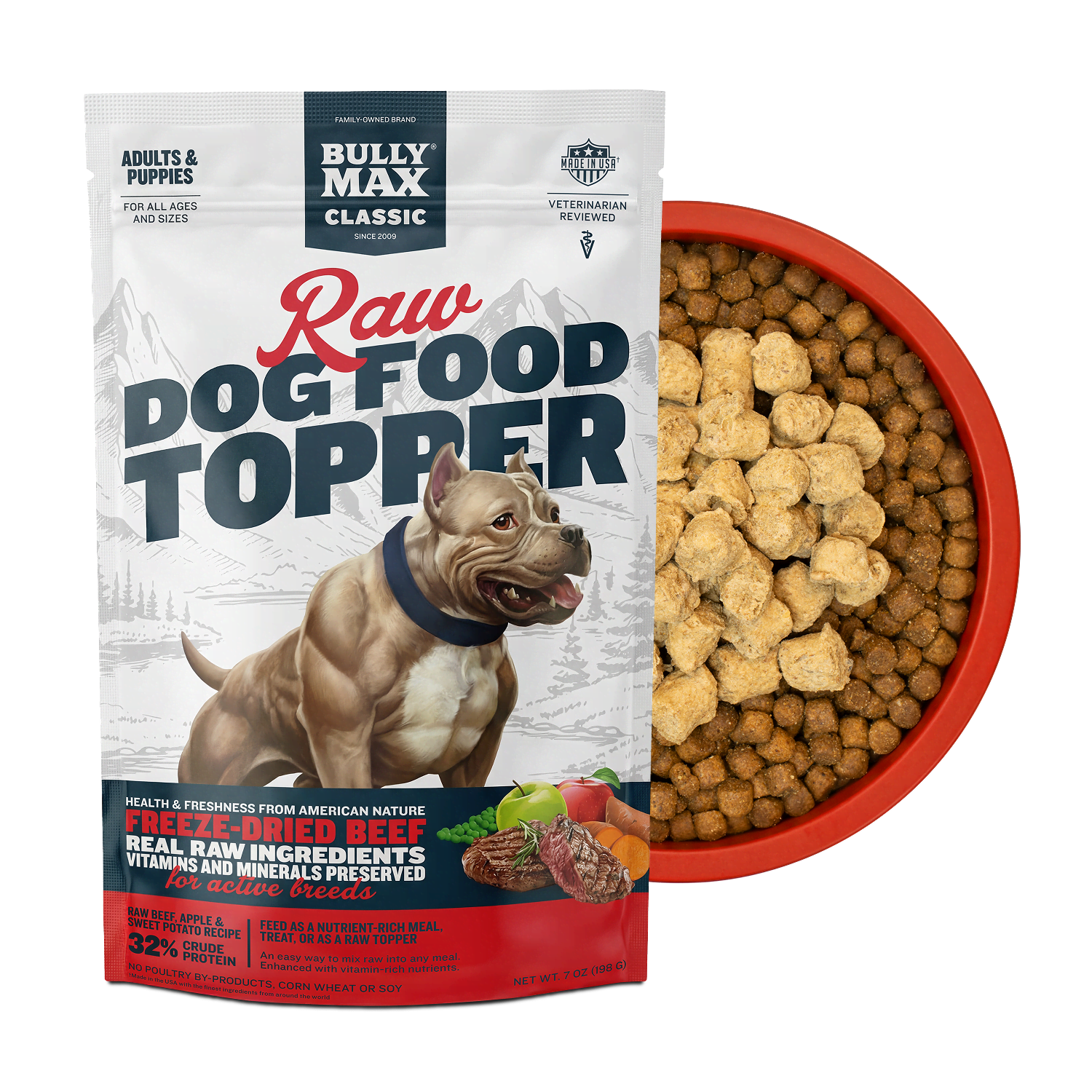
How breed and size affect the best dry dog food
Small, medium, and large dogs have different needs. Size affects calorie use, jaw size, growth speed, and the risk of certain health problems.
Small dogs often need calorie-dense food because they have small stomachs but fast metabolisms. Small kibble can also make meals easier to chew. Yet tiny dogs can gain weight quickly, so measure each meal instead of filling the bowl at random.
Large dogs may benefit from food designed for controlled growth, joint support, and moderate calorie density. A large dog that eats too many calories may gain weight, which places extra stress on the hips, knees, and spine.
Kibble size is helpful, but it is not the same as dental care. Crunchy food may reduce some surface buildup, but regular tooth brushing is more effective. Dental diets with proven texture and testing can help, but ask your veterinarian before using one for a dog with pain or missing teeth.
Breed labels can be useful, but they are not always essential. A healthy mixed-breed dog may thrive on a size-based formula rather than a food made for a specific breed.

How to read a dry dog food label
The label can feel like a wall of words. You do not need to understand every ingredient to make a smart choice. Focus on a few key areas.
Check the nutritional adequacy statement
Find the statement that says whether the food is complete and balanced. It should name the life stage or stages the food supports.
Be careful with products labeled “intermittent,” “supplemental,” or “for occasional feeding.” These foods may be useful as toppers or treats, but they should not replace a complete diet unless your veterinarian directs you to use them.
Compare calories
Two foods may look similar but contain very different calorie levels. Compare calories per cup or kilogram, then adjust the serving based on your dog’s weight and body condition.
Feeding charts are only starting points. Dogs of the same weight can need very different amounts due to age, activity, metabolism, and health.
Review protein and fat
Protein supports muscles, skin, immune function, and tissue repair. The best protein level depends on your dog’s age and health, not on a single popular number.
Fat supplies concentrated energy and helps the body use certain vitamins. Too much fat may cause weight gain or digestive trouble in some dogs. Dogs with a history of pancreatitis may need a lower-fat diet recommended by a veterinarian.
Understand the ingredient list
Ingredients appear in order by weight before cooking. Meat may move down the list after moisture is removed, so ingredient order alone cannot prove that a food is better or worse.
Named ingredients, such as chicken, beef, turkey, or salmon, can make the recipe easier to understand. Meals and byproducts are not automatically poor ingredients. Many are nutritious and provide protein, minerals, and other useful nutrients.
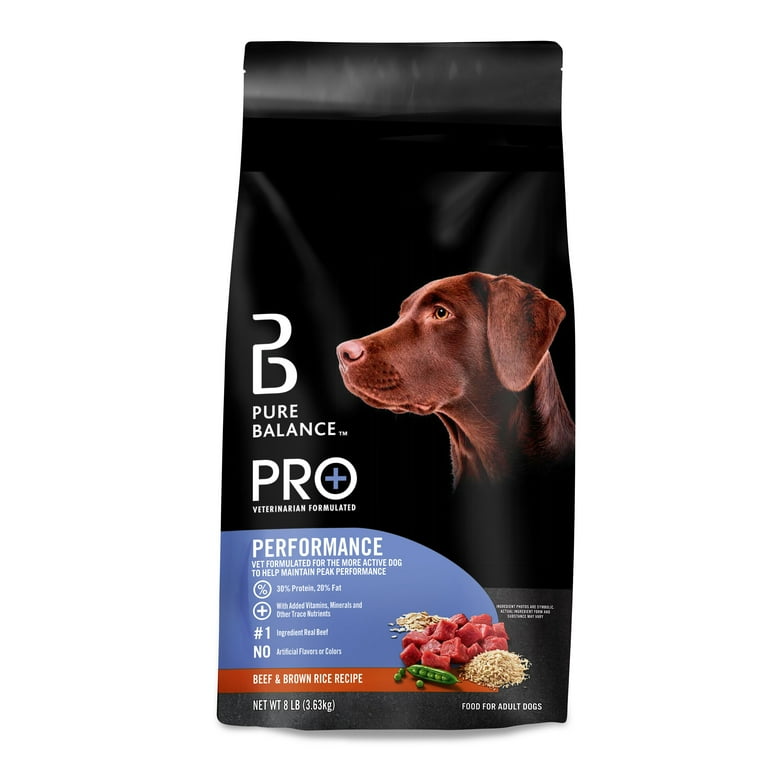
Dry dog food ingredients that can support health
A strong recipe may contain several types of ingredients. Each has a role.
Animal proteins
Chicken, turkey, beef, lamb, fish, and eggs can supply valuable amino acids. Dogs can also use plant proteins, but the full recipe must provide the right balance of essential amino acids.
Some dogs react to specific proteins. If your veterinarian suspects a food allergy, do not switch between many random flavors. A structured elimination diet is more reliable.
Whole grains and other carbohydrates
Rice, oats, barley, corn, and other grains can provide energy, fiber, vitamins, and minerals. Most dogs can digest properly cooked grains.
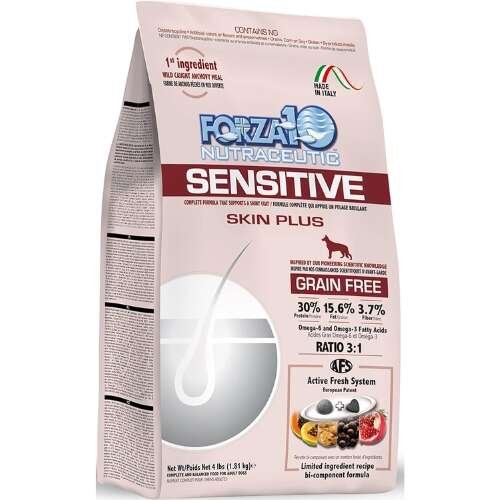
Grain free does not automatically mean healthier. Some grain-free diets use peas, lentils, chickpeas, or potatoes in large amounts. The Food and Drug Administration investigated reports of canine dilated cardiomyopathy linked with some diets containing high proportions of pulses or potatoes, often in grain-free products. The cause remains complex and has not been proven for every food or every dog.
Fiber
Fiber supports regular bowel movements and may help dogs feel full. Beet pulp, pumpkin, cellulose, and certain plant fibers can all serve useful roles.
Too much fiber may reduce calorie density or cause gas and loose stools. The right amount depends on the dog and the purpose of the formula.
Added supplements
Glucosamine, chondroitin, probiotics, taurine, and omega 3 fats may appear in dry dog food. Their value depends on the dose, quality, and your dog’s condition.
Do not assume that an ingredient listed on the bag is present at a level that will treat disease. Supplements should not replace veterinary care.

Does a premium or expensive brand mean better food?
Price can reflect ingredient costs, research, testing, manufacturing standards, and marketing. But a high price alone does not prove that a food is safer or more nutritious.
A trustworthy company should be able to explain:
- Who formulates the food
- Whether a qualified animal nutritionist is involved
- Where the food is made
- What quality control tests are used
- Whether finished foods are tested for nutrient levels
- How the company handles recalls and customer concerns
- Whether feeding trials or other research support the formula
Look for clear contact information. Be cautious when a brand makes dramatic claims, such as “detox,” “cures allergies,” or “prevents all disease.” Food can support health, but it is not a cure-all.
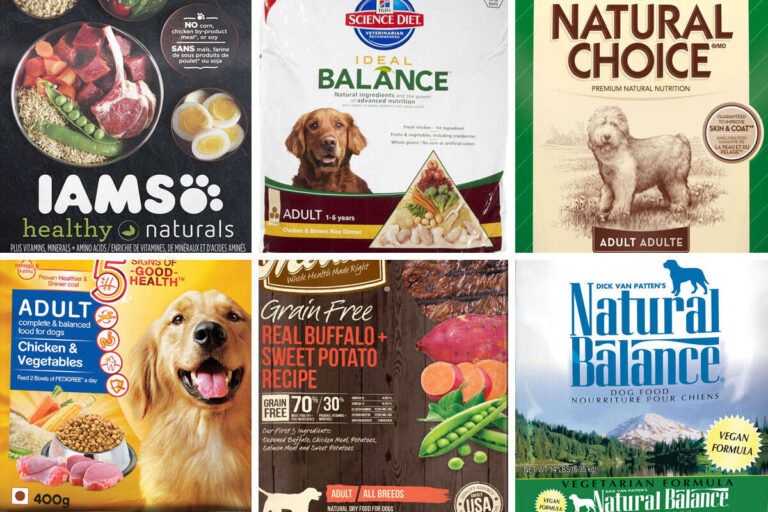
One common mistake is choosing a food because the bag uses words such as natural, holistic, ancestral, or human grade. These terms may sound appealing, but they do not replace a complete and balanced nutrition statement.
So, what dry dog food is best for my dog if my budget is limited? Choose a complete and balanced formula from a company with strong quality control. A sensible food that your dog digests well is often a better choice than a costly food selected for its advertising.
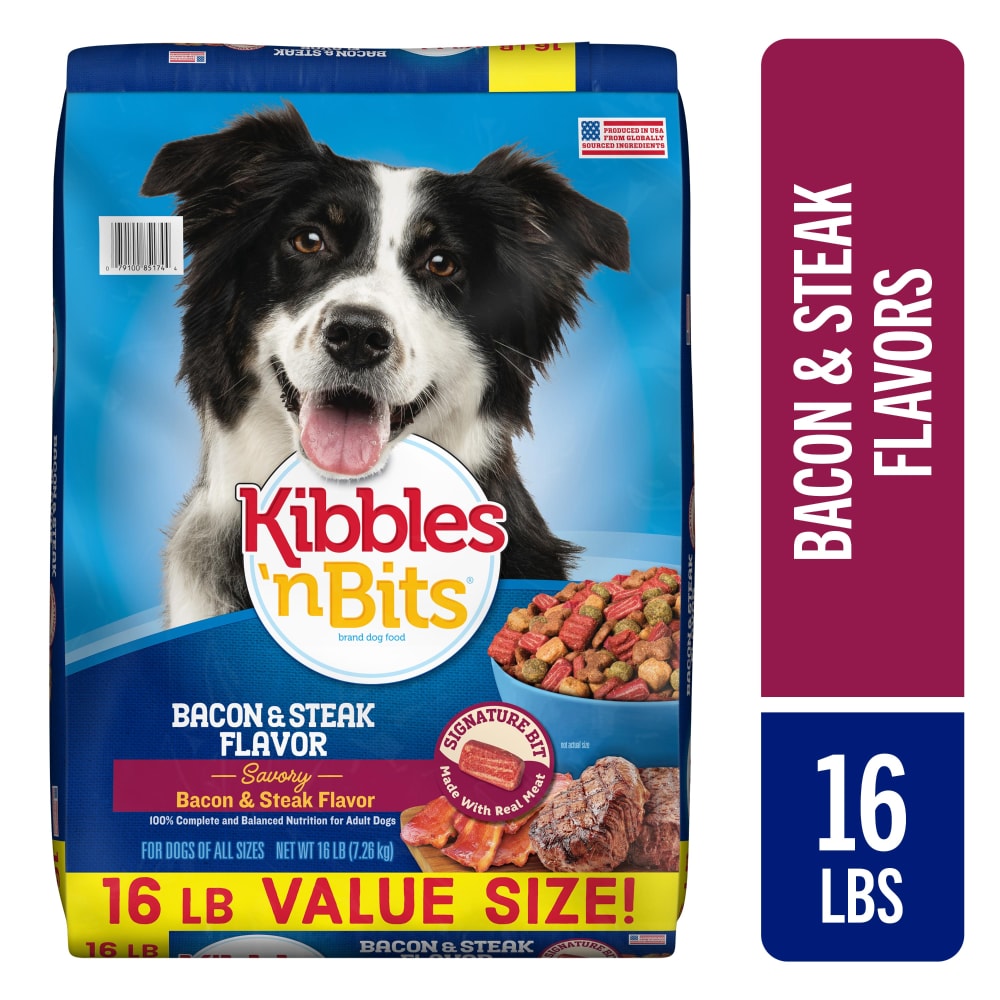
Dry dog food for common health needs
Some dogs need more than standard maintenance food. Health conditions can change the safest choice.
Food allergies and sensitive stomachs
True food allergies are less common than many owners think. Dogs may show itching, ear problems, vomiting, or diarrhea. Environmental allergies, parasites, and infections can cause similar signs.
A veterinarian may recommend a limited-ingredient, hydrolyzed-protein, or novel-protein diet. For the trial to work, your dog must eat only the prescribed food. Treats, table scraps, flavored medicine, and chewable supplements can interfere.
Weight control
Weight control food can help some dogs feel full with fewer calories. Still, portion size matters most. Measure meals with a gram scale when possible, and count treats as part of the daily calorie budget.
A safe weight plan should be gradual. Rapid weight loss can be harmful, especially in cats, and dogs with medical problems need professional guidance.
Kidney disease
Dogs with kidney disease may need controlled phosphorus, adjusted protein, and other dietary changes. A standard high-protein food is not automatically appropriate.
Prescription kidney diets are designed for a specific medical purpose. Use one only with veterinary guidance and regular health checks.
Urinary problems
Dogs with urinary crystals or stones may need a diet based on the stone type, urine concentration, and blood work. More water may also help, but food alone cannot solve every urinary problem.
Never try to manage recurring stones by guessing from a pet food label. Proper diagnosis is essential.
Joint support
A balanced weight is one of the best ways to protect joints. Some foods include omega 3 fatty acids or joint supplements, but severe arthritis may need medication, exercise changes, and physical therapy as well.
Ask your veterinarian before adding supplements, especially if your dog takes other medicines.

How to switch your dog to a new dry food
A sudden food change can cause diarrhea, gas, or refusal. Switch slowly over about seven days unless your veterinarian gives different instructions.
- Feed about 75% old food and 25% new food for two days.
- Move to half old food and half new food for two days.
- Feed about 25% old food and 75% new food for two days.
- Serve only the new food on the final day.
Some dogs need a longer transition. If vomiting, severe diarrhea, weakness, blood in the stool, or refusal to eat continues, contact a veterinarian.
Store dry food in its original bag inside a cool, dry container. The original bag holds the lot number and expiration information. Wash the storage container between bags, and avoid keeping food in heat or direct sun.
Do not judge a food after one meal. Give your dog time to adjust, then monitor stool quality, appetite, energy, coat condition, and body weight.
Common mistakes when choosing dry dog food
Many feeding problems come from simple mistakes rather than a lack of care.
- Changing foods too often because of minor stool changes
- Feeding based on the label chart without checking body condition
- Ignoring calories in treats, chews, and table food
- Choosing grain-free food without a medical reason
- Assuming byproducts are dangerous
- Believing a long ingredient list proves quality
- Using puppy food for an adult dog without adjusting portions
- Giving prescription food without veterinary advice
- Storing food for too long after opening
- Treating marketing words as proof of nutrition
A practical lesson is to change one thing at a time. If you change food, treats, supplements, and exercise together, you will not know what helped or caused a problem.
For most healthy dogs, consistency is useful. If your dog has firm stools, a healthy weight, good energy, and a shiny coat on a complete diet, there may be no reason to keep searching for a “perfect” bag.
How much dry dog food should your dog eat?
The correct amount depends on calorie content and your dog’s needs. Start with the feeding guide, then adjust based on body condition and weight trends.
Use these steps:
- Weigh your dog or obtain an accurate weight.
- Check calories per cup or kilogram on the bag.
- Measure each meal with a standard cup or kitchen scale.
- Include treats in the daily food plan.
- Recheck body weight every two to four weeks.
- Adjust portions in small steps when needed.
A dog at a healthy weight should have a visible waist from above and a slight abdominal tuck from the side. You should be able to feel the ribs without pressing hard.
If your dog gains weight, reduce calories modestly or increase safe activity. If your dog loses weight without an obvious reason, schedule a veterinary exam.
A simple decision guide for choosing dry dog food
If you still wonder what dry dog food is best for my dog, use this short process:
- Identify your dog’s life stage.
- Note breed size, activity level, and current body condition.
- List any diagnosed health problems.
- Choose a complete and balanced formula for the right life stage.
- Compare calories per cup.
- Select a company with clear quality and safety practices.
- Introduce the food gradually.
- Track stool, appetite, skin, energy, and weight.
- Ask your veterinarian about ongoing concerns.
For a healthy adult dog, a reputable adult maintenance formula may be all that is needed. For a puppy, senior dog, pregnant dog, or dog with illness, the choice deserves more care.
Your veterinarian can also help you interpret blood work, body condition, allergy signs, and calorie needs. Nutrition advice is strongest when it considers the whole dog rather than the front of a bag.
Frequently Asked Questions About What Dry Dog Food Is Best for My Dog
What dry dog food is best for a healthy adult dog?
The best choice is a complete and balanced adult maintenance formula from a company with strong quality control. Choose calories and portions that help your dog stay at a healthy body weight.
Is grain-free dry dog food better for dogs?
No. Grain-free food is not automatically healthier, and most dogs can digest grains well. Use a grain-free diet only when a veterinarian identifies a clear reason.
Should the first ingredient be meat?
A named meat ingredient can be a useful sign, but the first ingredient does not tell the whole story. Nutrient balance, calorie content, ingredient quality, and manufacturing standards matter too.
How often should I change my dog’s dry food?
You do not need to change food if your dog is healthy and doing well. If you switch foods, make the change slowly over about seven days to reduce digestive upset.
Is expensive dry dog food always better?
No. Price does not guarantee better nutrition. Look for a complete and balanced label, reliable quality control, appropriate calories, and a recipe your dog can digest well.
Can dogs eat only dry food?
Yes, many dogs can eat only complete and balanced dry food. Fresh water should always be available, and some dogs may need wet food or added moisture because of dental, medical, or appetite concerns.
What dry dog food is best for a dog with allergies?
The best diet depends on the suspected trigger and should often be chosen with a veterinarian. Hydrolyzed-protein or carefully selected novel-protein diets may be used during a controlled elimination trial.
Conclusion
The answer to what dry dog food is best for my dog starts with your dog, not the brand name. Choose a complete and balanced formula for the correct life stage, compare calories, consider health needs, and judge the food by your dog’s body condition, digestion, energy, and overall health.
Avoid sudden changes and flashy claims. When your dog has allergies, chronic digestive problems, kidney disease, urinary issues, or unexplained weight changes, work with a veterinarian before choosing a special diet.
Use this guide to compare a few suitable foods, measure portions carefully, and monitor your dog over time. If you found these tips useful, explore more trusted pet nutrition resources or share your dog’s feeding experience in the comments.

Pet Care Writer & Researcher
Daniel writes practical guides on daily care, feeding, and safety, turning complex topics into simple, actionable advice.