What Is A Better Dog Food: Choosing The Right Diet
Learn what is a better dog food for your pet, including key ingredients, nutrition tips, and how to choose a healthy diet your dog will love.
A better dog food is complete, balanced, safe, and matched to your dog’s age, size, health, and lifestyle.
Knowing what is a better dog food can feel hard when every bag promises better health, shiny coats, and longer lives. The truth is more practical: the best choice is not always the most expensive or most popular brand. It is the food that meets trusted nutrition standards, suits your dog’s needs, and supports steady health over time. This guide explains how to compare dog foods with confidence.
What Is a Better Dog Food?
A better dog food provides the right balance of protein, fat, carbohydrates, vitamins, minerals, and water for a specific dog. It should also be safe, easy to digest, and made by a company that follows strong quality controls.
The phrase “better dog food” does not mean one formula works for every pet. A growing puppy needs different nutrients than a senior dog. A highly active Border Collie may need more calories than a quiet adult Pug. A dog with kidney disease, food allergies, or diabetes may need a veterinary diet.
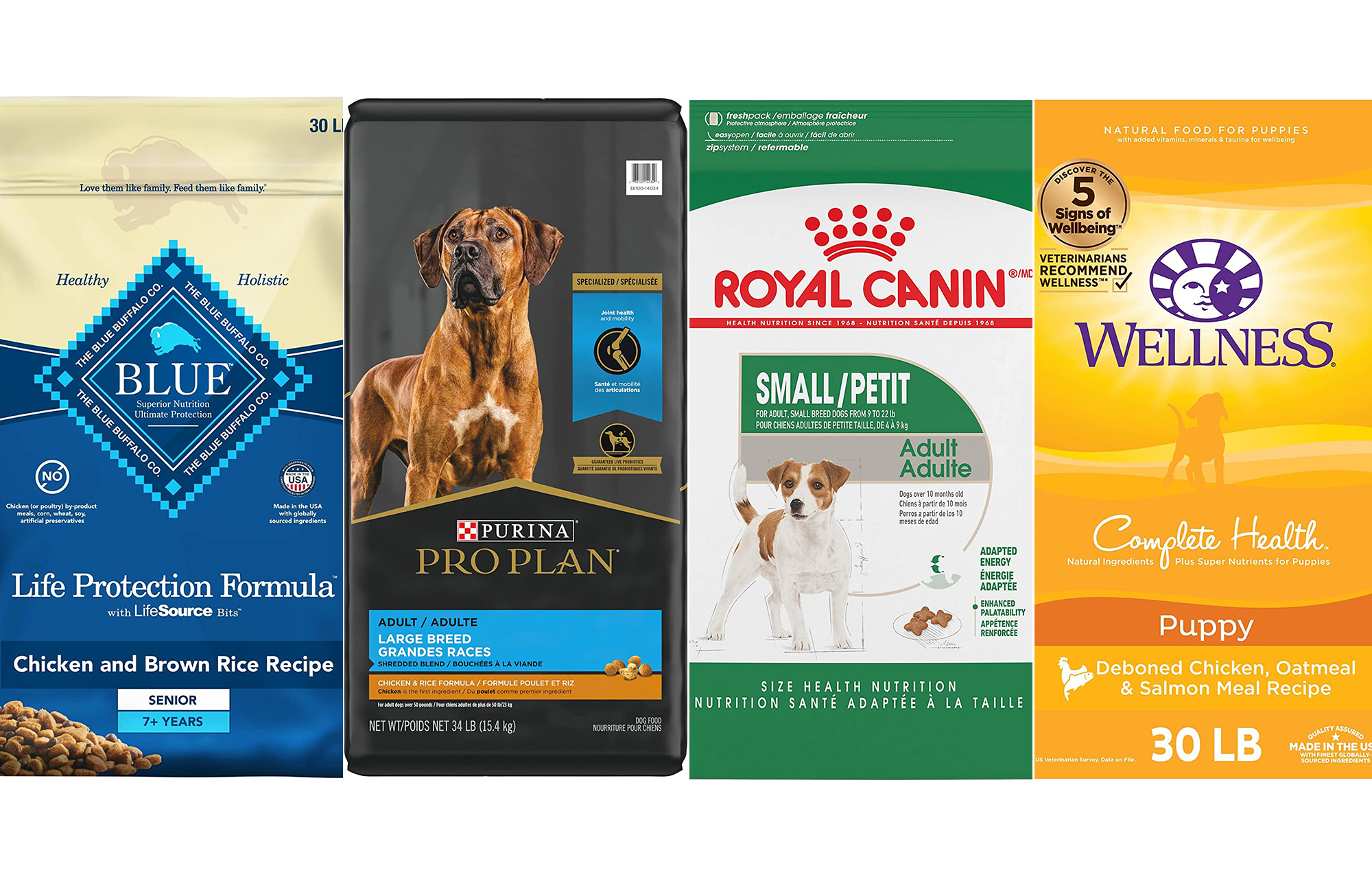
Look for a food labeled “complete and balanced.” In the United States, this statement means the food is designed to meet nutrient standards set by the Association of American Feed Control Officials, often called AAFCO. This is one of the most useful clues when deciding what is a better dog food.
A strong choice usually has these features:
• It is complete and balanced for your dog’s life stage.
• It lists clear ingredients and feeding directions.
• It comes from a company with qualified nutrition experts.
• It uses safety checks for raw materials and finished products.
• It matches your dog’s body condition, activity, and health needs.
• Your dog eats it willingly and produces firm, regular stools.
In simple terms, what is a better dog food? It is the food that works well for your individual dog, not the food with the flashiest package.
How to Read a Dog Food Label
Dog food labels can look like a science test, but the key details are easy to find. Start with the nutritional adequacy statement. This tells you whether the food is intended for puppies, adult dogs, pregnant dogs, nursing dogs, or all life stages.
Next, check the guaranteed analysis. This section lists minimum crude protein and crude fat, along with maximum fiber and moisture. These numbers help you compare products, but they do not show the full quality of the food. For example, a food with more protein is not automatically better for every dog.
The ingredient list is useful, but it needs careful reading. Ingredients appear by weight before cooking, so fresh meat may rank high because it contains a lot of water. Meat meals are more concentrated because much of the water has been removed.
When reviewing what is a better dog food, pay attention to:
• The life stage listed on the package.
• The calorie content per cup, can, or gram.
• The feeding guide and serving size.
• The manufacturer’s contact details.
• A batch number or lot code for tracking.
• Storage directions and expiration information.
Do not judge a food only by the first ingredient. A dog’s health depends on the whole nutrient profile, cooking process, safety system, and feeding amount.
Ingredients That Matter
Dogs need essential amino acids from protein, essential fatty acids, vitamins, minerals, and enough energy. They can use nutrients from both animal and plant ingredients when the diet is properly formulated.
Useful ingredients may include:
• Animal or plant proteins that provide needed amino acids.
• Fish oil or other sources of omega-3 fatty acids.
• Fiber sources that support healthy digestion.
• Specific vitamins and minerals added in safe amounts.
• Nutrients such as taurine when appropriate for the formula and dog.
Some ingredients sound scary but are safe in suitable amounts. “By-products,” for example, can include nutrient-rich organs. “Grains” are not automatically fillers, and many dogs digest grains well. Ingredient fear often creates more confusion than clarity.
Dry, Wet, Fresh, Raw, or Homemade: Which Is Better?
There is no single best format for every dog. Dry food is convenient, affordable, and easy to measure. Wet food contains more water and may help dogs that prefer soft textures or need extra moisture.
Fresh refrigerated food can be appealing and useful for some households, but it may cost more and requires careful storage. Raw diets are more complex. They can expose pets and people to harmful bacteria if handled or prepared poorly, and homemade raw diets may lack key nutrients.
Homemade cooked diets can work when a board-certified veterinary nutritionist formulates them. Recipes found online or made from general advice may be low in calcium, zinc, copper, or other essential nutrients.
Here is a simple comparison:
• Dry food: Convenient, low cost, easy to store, and calorie-dense.
• Wet food: Higher moisture, often appealing to picky eaters, but more expensive per calorie.
• Fresh food: May offer good palatability, but it needs refrigeration and careful portion control.
• Raw food: Has safety and nutrition risks that require serious planning.
• Homemade food: Can be suitable when professionally formulated and followed exactly.
When asking what is a better dog food, focus on nutritional completeness and safe handling before choosing a format. A complete dry food can be better than an incomplete homemade diet. A complete wet food can be better than a dry food your dog cannot digest or will not eat.
How to Choose Food for Your Dog’s Life Stage
Age changes a dog’s nutritional needs. Puppies need food that supports growth, bone development, and brain development. Large-breed puppies need special control of calories and minerals because rapid growth can stress developing bones and joints.
Adult dogs need enough energy to maintain a healthy body weight. Working dogs, sporting dogs, and dogs that spend much of the day outdoors may need more calories than dogs with a quiet home life.
Senior dogs do not all need the same diet. Some need fewer calories because they are less active. Others lose weight or muscle and need more energy or a different protein level. Age alone does not determine what is a better dog food.
Consider these needs:
• Puppies: Choose a growth formula that fits their expected adult size.
• Adults: Select food for maintenance and adjust the amount to body condition.
• Seniors: Watch weight, muscle, dental health, and medical changes.
• Pregnant or nursing dogs: Use a diet labeled for growth or all life stages under veterinary guidance.
• Large breeds: Use a formula designed to support controlled growth during puppyhood.
Your veterinarian can help you change diets as your dog ages. A food that worked well for five years may not suit your dog after a major health change.

Choosing Food for Allergies and Health Problems
Food allergies are real, but they are less common than many owners believe. Dogs can also have environmental allergies, flea allergies, or digestive conditions that look similar. Itching, ear infections, vomiting, or diarrhea should not automatically lead to a food change.
The most reliable way to test for a food allergy is a veterinary elimination diet. This usually involves feeding a prescribed novel-protein or hydrolyzed-protein diet for a set period. Treats, table scraps, flavored medicines, and chews can spoil the test.
Prescription diets may help dogs with:
• Kidney disease.
• Bladder stones.