What Is A Dog Bed Called: Types And Uses
What is a dog bed called? Learn the common names, types, and features to choose the perfect sleeping spot for your canine companion.
A dog bed is commonly called a dog bed, pet bed, dog mattress, or canine sleeping bed.
If you are wondering what is a dog bed called, the simplest answer is still “dog bed.” However, stores and product labels use several names for different styles, materials, and uses. Knowing these terms can help you choose a bed that fits your dog’s size, sleep habits, age, and health needs.
What Is a Dog Bed Called?
A dog bed is a soft, padded place made for a dog to sleep or rest. It may sit on the floor, inside a crate, on furniture, or outdoors. The basic term is “dog bed,” but retailers may use more specific names to describe its shape or purpose.
You may also see these terms:


• Pet bed: A broad term for beds made for dogs, cats, and other pets.
• Dog mattress: A flat, thick bed that often has foam or orthopedic support.
• Dog cushion: A soft, simple pad with little or no raised edge.
• Dog cot: An elevated bed with a fabric surface stretched over a frame.
• Dog pillow: A plush, pillow-like bed for dogs that enjoy soft surfaces.
• Dog nest: A round or enclosed bed with raised, cozy sides.
• Dog crate mat: A thin bed designed to fit inside a crate.
• Orthopedic dog bed: A supportive bed made for older dogs or dogs with joint problems.
In everyday English, “dog bed” is the clearest and most common phrase. The other names help explain what kind of dog bed you are looking at.

Why Do Dog Beds Have Different Names?
Different names exist because dog beds serve different needs. A flat mat may work well for a crate, while a thick memory foam mattress may better support an aging Labrador. The name often points to the bed’s design rather than changing the basic meaning.


For example, a “bolster dog bed” has raised sides. A “donut dog bed” has a round, padded shape that lets a dog curl up. A “cooling dog bed” uses breathable fabric, gel, or raised airflow to help reduce heat.
Product names can also reflect where the bed is used. Common examples include:
• Indoor dog bed: Made for bedrooms, living rooms, and other indoor spaces.
• Outdoor dog bed: Built with weather-resistant or quick-drying materials.
• Travel dog bed: Lightweight and easy to fold or carry.
• Car dog bed: Designed to add comfort and help keep a dog contained during travel.
• Crate bed: Sized to fit inside a dog crate.
• Elevated dog bed: Raised above the floor to improve airflow and keep a dog away from cold or damp surfaces.
These labels are useful, but they are not always standardized. One company may call a product an orthopedic mattress, while another may call a similar product a memory foam dog bed.

Common Types of Dog Beds
The best answer to what is a dog bed called may depend on the bed’s shape. Each style supports a different sleeping position and lifestyle.
Flat Dog Bed
A flat dog bed is a simple padded surface. It is a good choice for dogs that like to stretch out or move around while sleeping.
Flat beds are also common in crates and kennels. Look for a washable cover and enough padding to keep your dog from pressing directly against the floor.
Bolster Dog Bed
A bolster dog bed has raised edges on one or more sides. Many dogs enjoy resting their head on the rim, much like a person uses a pillow.
This style can also make a dog feel secure. It may suit dogs that like to lean against something while they sleep.


Donut Dog Bed
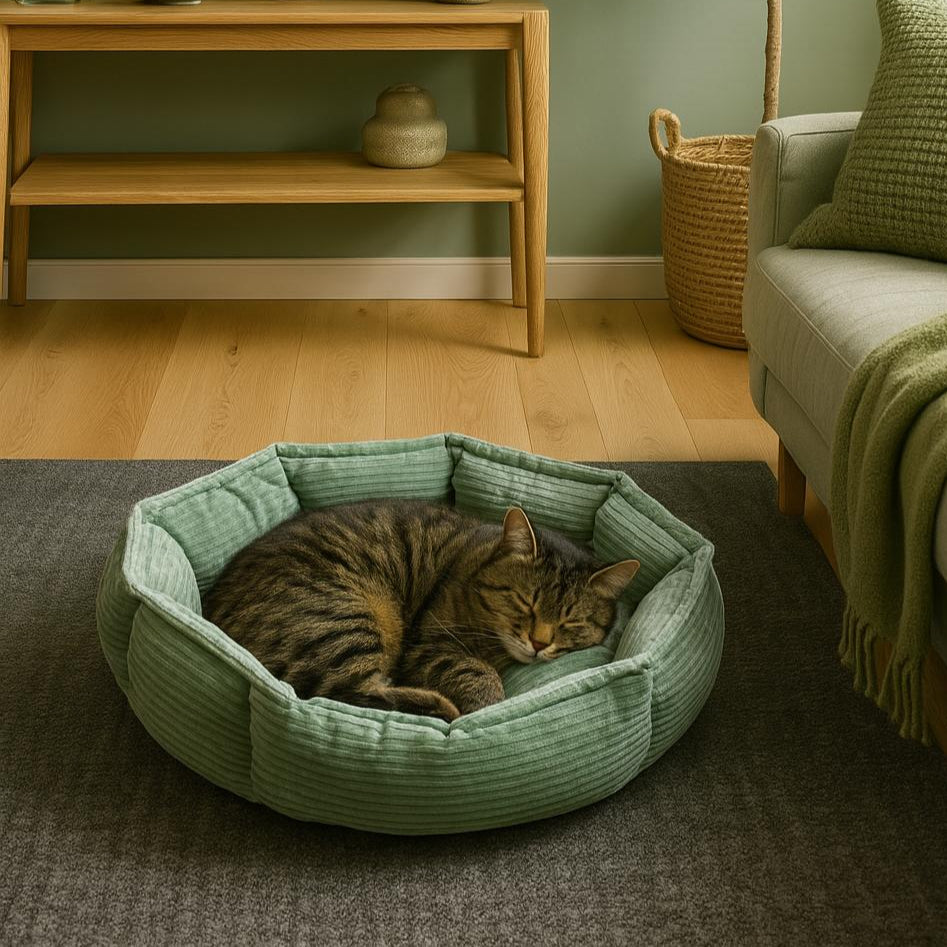
A donut dog bed is round and has a soft, raised rim. It is made for dogs that curl into a tight ball.
The deep edge can create a nest-like feeling. Still, very old dogs or dogs with weak joints may find it hard to step over a high rim.
Orthopedic Dog Bed
An orthopedic dog bed usually contains high-density foam, memory foam, or another supportive material. It is often recommended for senior dogs, large breeds, and dogs with arthritis or joint pain.
The word “orthopedic” is used widely in pet products, so shoppers should check the actual materials. A thick, firm foam base is usually more useful than a label alone.
Elevated Dog Bed
An elevated dog bed has a frame that lifts the sleeping surface above the floor. Air can move under the bed, which may help keep a dog cooler in warm weather.
These beds are often easy to clean and useful for patios, porches, and travel. However, they may not feel cozy enough for dogs that prefer soft, enclosed spaces.
Covered or Cave Dog Bed
A covered dog bed has a roof, hood, or tunnel-like design. It can help shy dogs feel protected and may block light.
Some dogs love cave beds, while others avoid them. Never force a dog into an enclosed bed, especially if the opening is small or the dog seems anxious.

How to Choose the Right Dog Bed
Knowing what is a dog bed called is useful, but choosing the right bed requires more than knowing the name. Consider your dog’s size, sleeping style, age, health, and habits.
Measure Your Dog
Measure your dog from the nose to the base of the tail. Then measure from the floor to the top of the head when the dog is standing.
Add several inches to both measurements. This gives your dog room to stretch, turn, and change position.
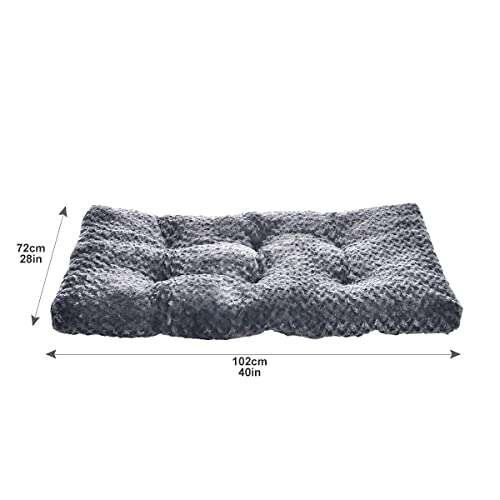
A bed that is too small may force a dog to curl up all night. A bed that is too large may feel less secure for a small dog.
Watch How Your Dog Sleeps
Your dog’s sleeping position offers useful clues:
• Dogs that stretch out often prefer flat mattresses.


• Dogs that curl up may like donut or nest beds.
• Dogs that rest their heads on furniture may enjoy bolster beds.
• Dogs that hide under blankets may prefer cave-style beds.
• Dogs that get hot may benefit from elevated or cooling beds.
I have seen many owners choose a thick, fluffy bed because it looks comfortable, then discover that their dog prefers a flat mat. The practical lesson is simple: observe the dog first, then shop for the design.
Consider Age and Health
Puppies may chew, dig, and have accidents. A durable, washable bed is often a better choice than an expensive luxury bed during this stage.
Older dogs may need a low-entry bed with supportive foam. Dogs with arthritis may struggle to climb into beds with tall sides.
If your dog has pain, weakness, or trouble rising, ask a veterinarian for advice. A dog bed can improve comfort, but it cannot replace medical care.
Check the Materials
Useful features include:
• Removable, machine-washable covers
• Strong stitching
• Non-slip fabric on the bottom
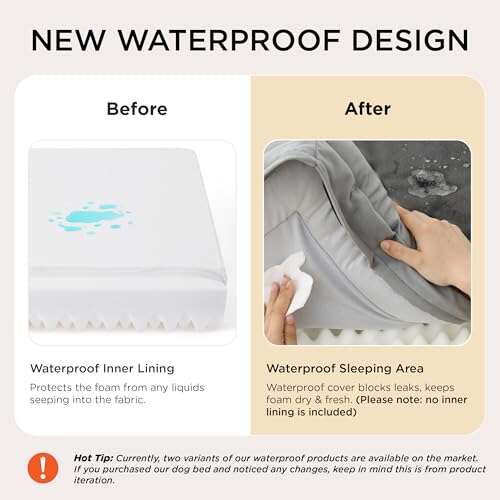
• Moisture-resistant layers
• Low-odor foam
• Safe, durable filling
Some dogs chew beds and swallow fabric or foam. Inspect the bed often and replace it if pieces begin to tear. No dog bed is completely chew-proof.
Benefits of Giving a Dog Its Own Bed
A dog bed gives your pet a clear place to rest. This can help the dog settle while keeping fur, dirt, and dander away from some furniture.
A comfortable bed may also protect the body from hard floors. Soft support can reduce pressure on elbows, hips, and other contact points. For older dogs, a supportive surface may make it easier to rest and stand.
A dog bed can support healthy routines in several ways:
• It creates a familiar sleep area.
• It gives your dog a quiet place to relax.
• It can reduce the need to sleep on cold or damp floors.
• It may help protect sofas and human beds.
• It makes travel easier when the dog recognizes a familiar item.
A bed is not a magic solution for anxiety or behavior problems. If a dog suddenly avoids its bed, cries during movement, or cannot get comfortable, a health issue may be involved.

Where Should a Dog Bed Go?
Place the dog bed in a quiet area where your dog can still see and hear family members. Many dogs want peace, but they do not want to feel isolated.
Avoid placing the bed beside a drafty door, a hot radiator, or a noisy appliance. Keep it away from heavy foot traffic if your dog startles easily.
For homes with more than one floor, a bed on each main level can be helpful. This reduces the need for an older dog to climb stairs simply to rest.
For crate users, make sure the bed fits without blocking ventilation or making the crate too tight. The dog should be able to stand, turn, lie down, and stretch in a natural position.

How to Clean and Maintain a Dog Bed
A clean dog bed helps control odor, dirt, loose hair, and allergens. Washing needs depend on the dog, the bed, and the home.
Wash removable covers according to the care label. Use a mild, pet-safe detergent and dry the cover fully before putting it back.
For regular care:
-
Vacuum or shake out loose hair several times each week.
-
Wash the cover at least every few weeks, or more often after accidents.
-
Clean the foam only as the product instructions allow.
-
Dry all parts completely to prevent damp smells and mold.
-
Check seams, zippers, and filling for damage.
Dogs with allergies, skin problems, or frequent accidents may need more frequent cleaning. A washable cover is one of the most useful features to look for when buying a dog bed.
Dog Bed Mistakes to Avoid
Many problems come from choosing a bed based only on appearance. A soft bed may look appealing, but it may flatten quickly or become too warm.
Avoid these common mistakes:
• Buying a bed without measuring your dog.
• Choosing a bed that is hard for an older dog to enter.
• Ignoring the washing instructions.
• Using a damaged bed with exposed foam.
• Placing the bed in a loud or isolated location.
• Assuming “orthopedic” always means high quality.
• Buying one bed for several dogs without checking their space needs.
One mistake I often see is buying a bed that matches the room but not the dog. Style matters, but comfort, safety, size, and cleaning should come first.

Dog Bed, Kennel, Crate, or Mat: What Is the Difference?
A dog bed is the sleeping product itself. A crate or kennel is an enclosed space that may contain a dog bed, mat, or blanket.
A crate mat is usually thinner and shaped to fit the crate floor. It may not provide enough support for a senior dog who needs a thick mattress.
A blanket is a loose covering, not usually a structured bed. Some dogs prefer a blanket, but it can bunch up and offer little support.
A dog cot is different from a floor bed because its sleeping surface is raised. This design can improve airflow, but it may not suit dogs that need a soft, pressure-relieving surface.
Understanding these terms makes it easier to compare products without confusing the bed with the place where it is used.
When Should You Replace a Dog Bed?
Replace a dog bed when it no longer supports your pet or can no longer be cleaned properly. A flattened bed may leave hips and elbows pressing against the floor.
Other signs include:
• Torn fabric or exposed filling
• Persistent odor after washing
• Sagging foam
• Broken frames or sharp parts
• Mold or dampness
• A dog avoiding the bed
There is no fixed replacement schedule for every dog bed. A gentle small dog may use one for years, while a puppy that chews may damage one in days.
Frequently Asked Questions About What Is a Dog Bed Called
What is a dog bed called in English?
It is most commonly called a dog bed. Other terms include pet bed, dog mattress, dog cushion, dog cot, crate mat, and orthopedic dog bed.
Is a dog bed the same as a pet bed?
A dog bed is made specifically for dogs, while a pet bed is a broader term. A pet bed may be designed for dogs, cats, rabbits, or other household animals.
What is an orthopedic dog bed?
An orthopedic dog bed is designed to provide added support for the body, often with dense foam or memory foam. It may help improve comfort for older dogs, large breeds, or dogs with joint problems.
What is a dog cot?
A dog cot is an elevated bed with a fabric or mesh sleeping surface attached to a frame. It can improve airflow and keep a dog above cold, damp, or dirty floors.
What is a dog crate bed called?
A bed made to fit inside a crate is commonly called a crate bed, crate mat, or kennel mat. It should fit well while leaving enough room for the dog to stand, turn, and lie down.
What type of dog bed is best for an older dog?
An older dog often benefits from a supportive, low-entry bed with firm foam and a washable cover. A veterinarian can offer better guidance if the dog has arthritis, pain, or mobility problems.
What is a donut dog bed used for?
A donut dog bed is made for dogs that like to curl up and rest against a soft raised edge. Its round shape can create a cozy, nest-like sleeping area.
Conclusion
A dog bed is usually called a dog bed, but names such as pet bed, dog mattress, dog cushion, dog cot, crate mat, and orthopedic dog bed describe different styles. The best choice depends on your dog’s size, sleeping position, age, health, and daily routine.
Measure your dog, watch how it sleeps, and choose a bed that is supportive, washable, and easy to enter. Start with comfort and safety rather than color or appearance, then check the bed often as your dog’s needs change. Explore suitable bed styles, share this guide with another dog owner, and choose a resting place your dog will truly enjoy.

Pet Care Writer & Researcher
Daniel writes practical guides on daily care, feeding, and safety, turning complex topics into simple, actionable advice.