What Is A Good High Quality Dog Food: Best Guide
Learn what is a good high quality dog food, how to read labels, and which nutrients support your dog’s health. Choose better food with confidence.
A good high quality dog food provides complete, balanced nutrition with safe ingredients suited to your dog’s age, size, health, and activity level.
Choosing what is a good high quality dog food can feel confusing when every package uses words such as “natural,” “premium,” and “holistic.” After reviewing dog food labels, nutrition standards, feeding trials, and common veterinary advice, I have found that the best choice is not always the most expensive bag. It is the food that meets recognized nutrition standards, fits your dog’s needs, and supports steady health over time.
What Is a Good High Quality Dog Food?
A good high quality dog food is complete and balanced for a specific life stage. It should provide the right amounts of protein, fat, carbohydrates, vitamins, minerals, and essential fatty acids.
The food should also come from a company with strong quality control. This includes ingredient testing, safe manufacturing, accurate labels, and a clear way to contact the manufacturer.
A suitable food must match the dog eating it. A healthy adult Labrador may need a different diet from a senior Chihuahua, a growing Great Dane, or a dog with kidney disease.
The best choice usually has these features:
• A complete and balanced nutrition statement
• Nutrition suited to the dog’s life stage
• A clear calorie statement
• Reliable quality control and food safety testing
• Nutrients supported by research or feeding trials
• Ingredients that the dog can digest well
• A feeding guide that helps owners manage portions
It is also important to understand what “high quality” does not mean. A long ingredient list does not prove that a food is better. Nor does a high price, attractive packaging, or a celebrity endorsement.

Check the Complete and Balanced Statement
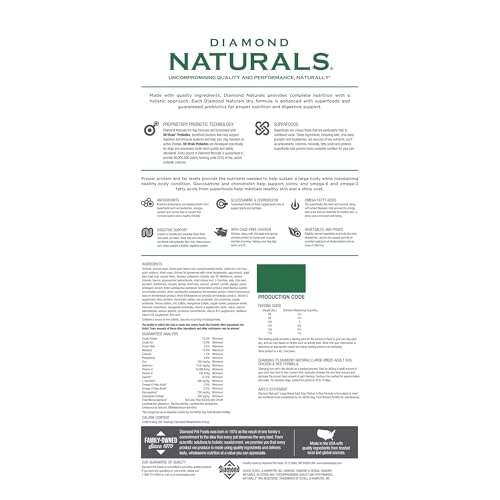
The most useful part of a dog food label is often the nutritional adequacy statement. In the United States, this statement should show that the food meets the nutrient profiles established by the Association of American Feed Control Officials, often called AAFCO.
Look for wording such as:
• “Complete and balanced for growth”
• “Complete and balanced for maintenance”
• “Complete and balanced for all life stages”
Some foods are labeled for intermittent or supplemental feeding only. These products may be useful as treats or meal toppers, but they should not replace a complete diet unless a veterinarian recommends them.
The life stage matters. Puppies need nutrients for growth. Adult dogs need maintenance nutrition. Senior dogs do not have one universal nutrient profile, but many benefit from a diet with carefully controlled calories and nutrients.
Foods for large-breed puppies deserve special attention. Too much calcium or too many calories can contribute to abnormal bone development. Choose a food that specifically states it supports growth, including the growth of large-size dogs, when appropriate.
The phrase “all life stages” can be helpful, but it does not automatically make a food ideal for every dog. These diets are designed to meet the needs of growth and reproduction, which may mean they provide more calories or nutrients than some adult dogs need.
Study the Ingredient List Carefully
Many dog owners begin by looking for the first ingredient. That can offer useful information, but it should not be the only test of quality.
Ingredients appear by weight before cooking. Meat contains a great deal of water, while meat meals contain less water and more concentrated protein. For example, chicken meal can be a valuable protein source even though “chicken” appears higher on a different label.
Useful ingredients may include:
• Named animal proteins such as chicken, beef, turkey, lamb, salmon, or egg
• Properly prepared grains such as rice, barley, oats, or corn
• Vegetables and fruits that add fiber and nutrients
• Fish oil or other sources of omega 3 fatty acids
• Vitamins and minerals needed for a balanced diet
By-products are not automatically poor ingredients. Organ meats, such as liver and heart, can provide important nutrients. The term “by-product” means a part of an animal other than the main muscle meat. Quality and safety depend more on sourcing, processing, and testing than on the word itself.
Do not reject a food simply because it contains grains. Most dogs digest properly cooked grains well, and grains can provide energy, fiber, vitamins, and minerals. Grain-free food is not automatically healthier, and it may not be the right choice for a dog without a diagnosed need.

Choose the Right Protein, Fat, and Fiber
Protein supports muscles, skin, organs, immune function, and tissue repair. Dogs need specific amino acids, not simply a high percentage of protein on the label.
The protein source should be easy for your dog to digest. A food with several animal proteins may work well for one dog but cause trouble for a dog with food allergies or a sensitive stomach.
Fat supplies concentrated energy and helps the body absorb vitamins. It also supports skin, coat, and normal cell function. However, high-fat food can be too rich for some dogs and may cause weight gain or digestive problems.
Fiber helps support normal bowel movements and gut health. Too little fiber can contribute to constipation, while too much may reduce energy density or cause loose stools.
A practical diet should fit your dog’s condition:
• Active dogs may need more calories and carefully balanced protein.
• Overweight dogs often need fewer calories per cup and controlled portions.
• Dogs with sensitive digestion may do better with a simple, highly digestible formula.
• Dogs with confirmed allergies may need a veterinary elimination diet.
• Dogs with kidney, liver, urinary, or pancreatic disease may need therapeutic food.
The guaranteed analysis on the package shows minimum crude protein and fat, plus maximum crude fiber and moisture. It is useful, but it does not reveal the full digestibility or quality of the food. Ask the manufacturer for more information when a medical condition is involved.
Match Dog Food to Age, Size, and Lifestyle
A good high quality dog food should reflect the dog’s daily needs. Age is important, but it is only one part of the decision.
Puppies need food designed for growth. Small breeds may need smaller kibble and more calories per pound because they have fast metabolisms. Large-breed puppies need controlled growth and carefully balanced minerals.
Adult dogs often need a maintenance diet. Their calorie needs can vary widely. A calm indoor dog may need far fewer calories than a working dog, even if they weigh the same.
Senior dogs may benefit from lower calorie food if they are less active. Some senior dogs also need changes based on arthritis, dental disease, muscle loss, or kidney function. There is no single “senior formula” that suits every older dog.
Body condition is one of the best real-world checks. You should be able to feel your dog’s ribs under a thin layer of fat. The waist should be visible from above, and the abdomen should tuck upward from the side.
Adjust portions if your dog gains or loses weight. Feeding guides are starting points, not fixed rules. Treats, dental chews, table food, and toppers all add calories.
Consider Dry, Wet, Fresh, and Raw Food
There is no single format that is best for every dog. Dry, wet, fresh, and raw diets can all differ in quality.
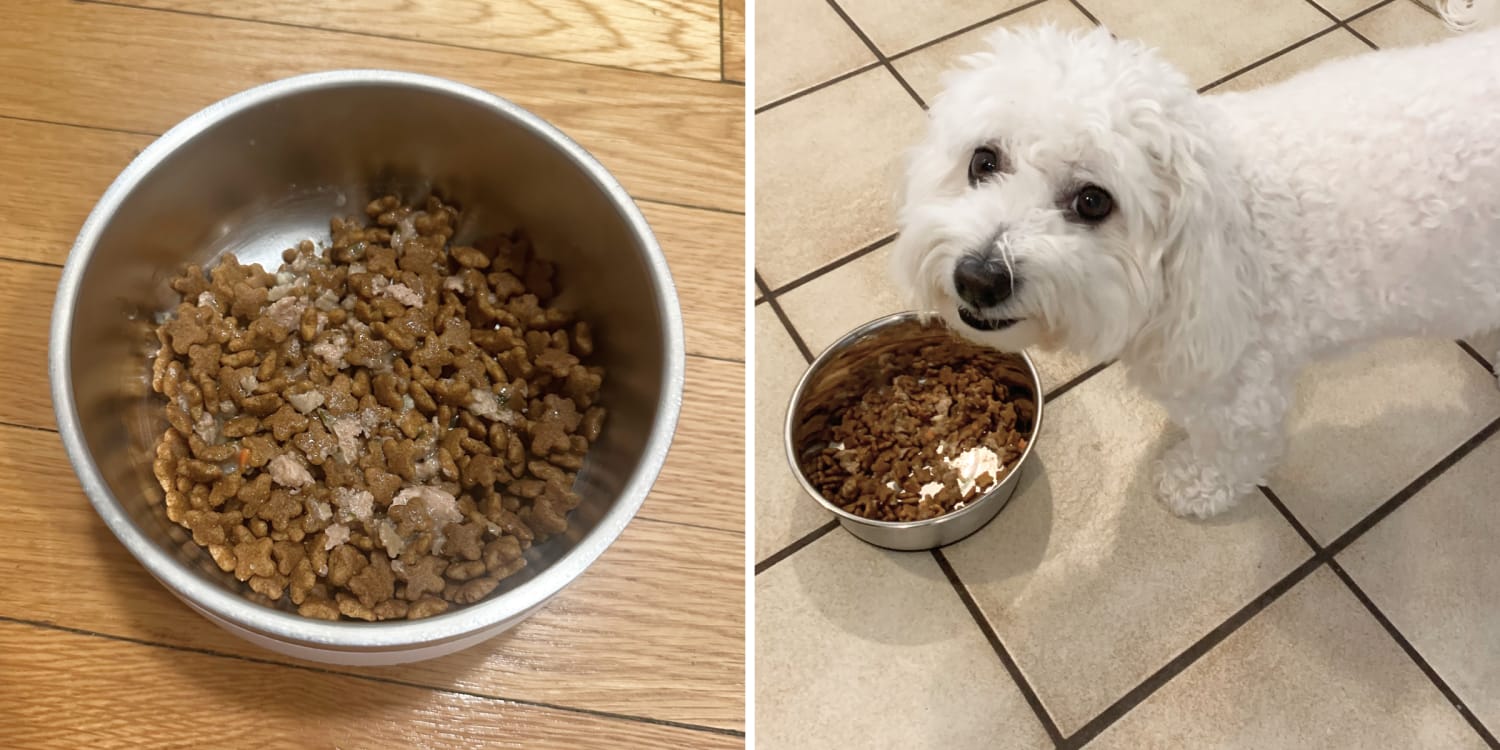
Dry food is convenient, easy to measure, and often less expensive. It can also be useful for food puzzles and training. However, it contains less moisture than canned food, so fresh drinking water is important.
Wet food has a high water content and may be helpful for dogs that drink little or need a softer texture. It is usually more expensive per calorie and spoils faster after opening.
Fresh cooked food may be appealing and highly digestible for some dogs. Still, it must be nutritionally complete. A recipe made from meat, rice, and vegetables may look healthy but lack calcium, iodine, zinc, or other vital nutrients.
Raw diets carry risks. Uncooked animal products can contain bacteria such as Salmonella, E. coli, or Listeria. They can also cause broken teeth, choking, intestinal blockage, or nutrient imbalance. Freezing does not reliably remove every risk.
If you choose a homemade or raw diet, work with a board-certified veterinary nutritionist. This is especially important for puppies, pregnant dogs, and dogs with medical conditions.
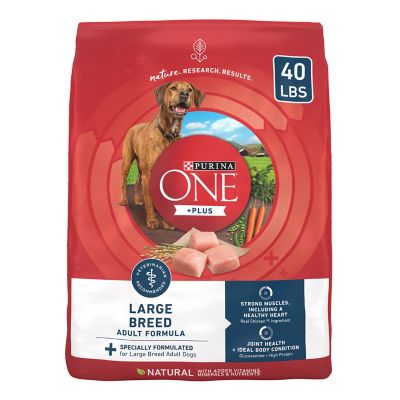
Look Beyond Marketing Claims
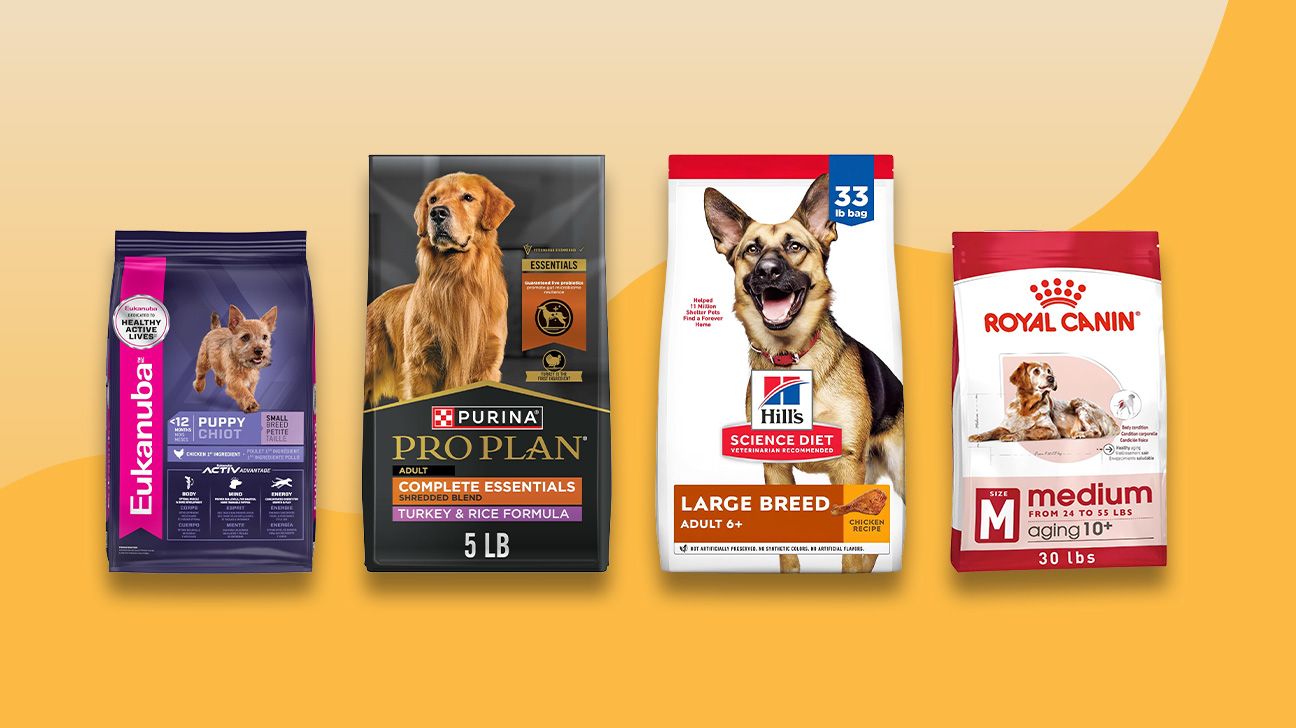
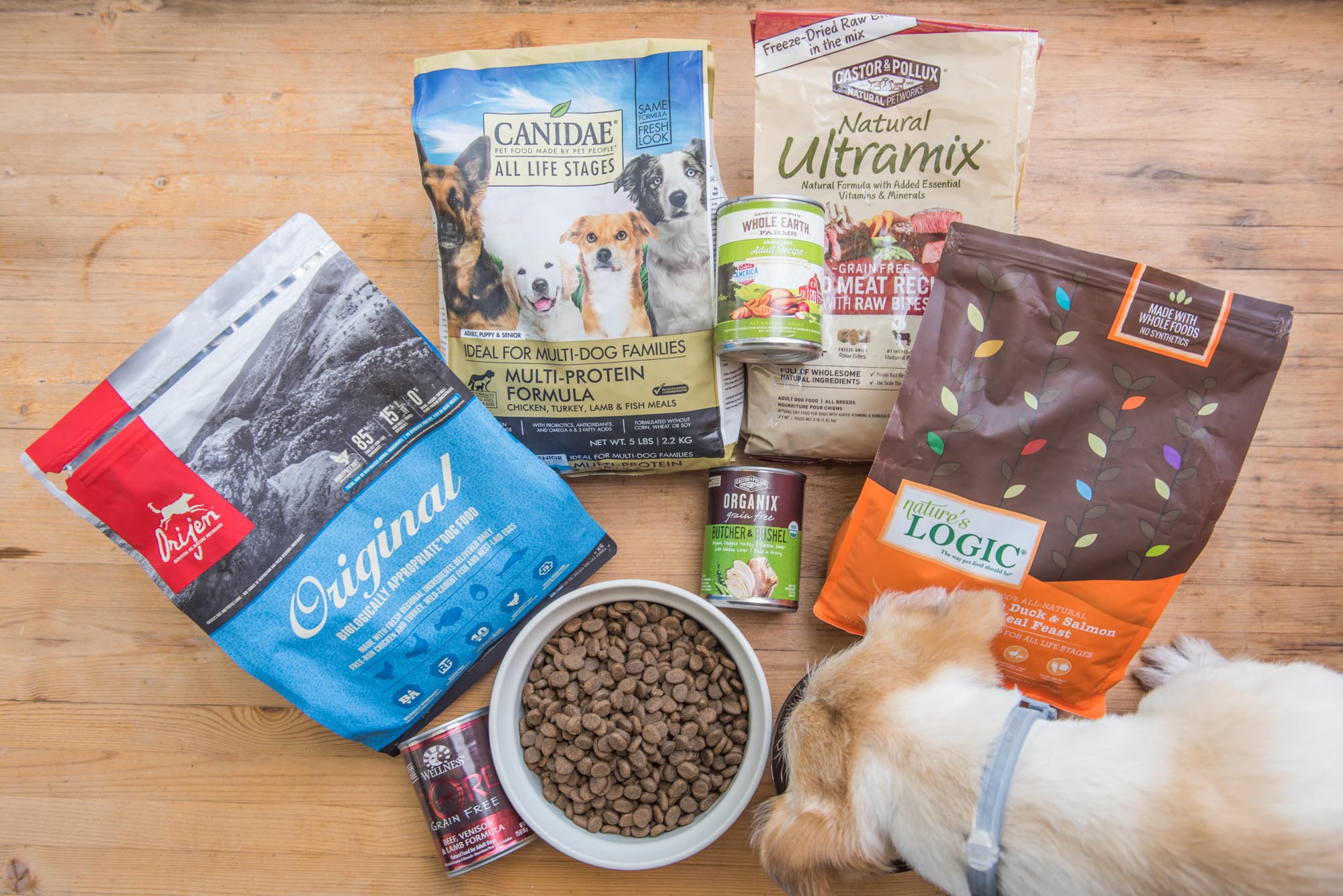
Words on the front of a package are designed to attract attention. They do not always tell you whether the food is complete, balanced, or suitable.
Claims that deserve careful review include:
• “Natural”: This term may have a limited regulatory meaning and does not guarantee balanced nutrition.
• “Holistic”: This is mainly a marketing term and has no universal nutritional standard.
• “Human grade”: This refers to ingredients and handling requirements, but it does not alone prove that the food is nutritionally ideal.
• “Premium”: This word does not have a consistent quality standard.
• “No fillers”: Every ingredient serves a purpose, and so-called fillers can provide energy, fiber, or nutrients.
• “Meat first”: The first ingredient is only one part of the whole formula.
A better approach is to ask practical questions. Does the food have a complete and balanced statement? Does the company employ qualified nutrition experts? Does it test ingredients and finished products? Can it provide calorie and nutrient information?
A company should be willing to explain where its ingredients come from and how it manages recalls. Clear answers build more trust than dramatic marketing language.
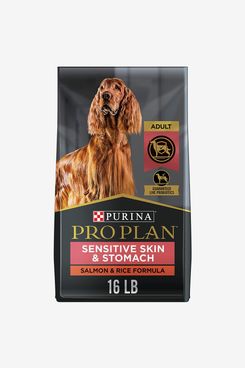
Compare Dog Food Companies, Not Just Recipes
Manufacturing quality is a major part of what is a good high quality dog food. Two foods can have similar ingredient lists but very different quality control systems.
Look for companies that:
• Employ veterinary nutritionists, PhD nutritionists, or other qualified experts
• Test ingredients before production
• Test finished food for nutrient content and safety
• Use controlled manufacturing facilities
• Conduct feeding trials when appropriate
• Keep detailed records for traceability
• Provide a clear customer service contact
• Share complete calorie and nutrient information
Feeding trials can offer useful evidence about whether a food supports dogs over time. Laboratory analysis is also important, but a nutrient calculation on paper may not always match the final product.
No company is free from all risk. Even reputable brands can experience mistakes or recalls. Check recall notices from federal food safety agencies and register for alerts when possible.
One lesson I have learned from comparing dog food labels is to avoid making decisions from one feature alone. A food can have an appealing ingredient list but weak feeding evidence. Another can have plain packaging but strong nutrition research and careful manufacturing.
Introduce a New Food Slowly
Even a high quality food can cause stomach upset if you change it too fast. A gradual transition gives the digestive system time to adjust.
Use this simple plan:
-
Feed about 75 percent of the old food and 25 percent of the new food for two or three days.
-
Move to half old food and half new food for two or three days.
-
Feed 25 percent old food and 75 percent new food for two or three days.
-
Serve only the new food when stools remain normal and your dog is eating well.
Some dogs need a slower transition over two weeks. Watch for vomiting, diarrhea, poor appetite, itching, or unusual tiredness.
If symptoms are severe, last more than a day, or affect a puppy, senior dog, or medically fragile dog, contact a veterinarian. Do not keep changing foods again and again without finding the cause.
A short food diary can help. Record the brand, recipe, serving size, treats, stool quality, itching, energy, and weight. This simple habit often reveals patterns that are easy to miss.
Common Mistakes to Avoid
Understanding what is a good high quality dog food also means knowing what can go wrong.
Avoid these common mistakes:
• Choosing food based only on the first ingredient
• Assuming expensive food is always better
• Feeding a grain-free diet without a clear reason
• Ignoring calorie content
• Giving too many treats or table scraps
• Changing food suddenly
• Using supplements without veterinary advice
• Feeding a homemade recipe that was not professionally balanced
• Treating marketing claims as scientific proof
• Ignoring changes in weight, stool, skin, or energy
Treats should generally provide no more than about 10 percent of a dog’s daily calories. The remaining calories should come from a complete and balanced diet.
Supplements can also cause problems. Extra calcium, vitamin D, or other nutrients may be harmful, especially for puppies. A healthy dog eating a complete diet usually does not need a large collection of supplements.
When to Ask a Veterinarian for Help
A veterinarian can help you select food based on your dog’s body condition, health history, and risk factors. This matters when a dog has ongoing digestive issues, allergies, urinary disease, diabetes, kidney disease, or pancreatitis.
Ask for help if your dog has:
• Repeated vomiting or diarrhea
• Unexplained weight loss or weight gain
• Constant itching or ear infections
• Poor appetite
• Excessive thirst or urination
• Pain while chewing
• A history of pancreatitis or urinary stones
• A need for a prescription diet
Food allergies are less common than many owners believe. Environmental allergies, fleas, infections, and other conditions can cause similar signs. A proper elimination diet, guided by a veterinarian, is more reliable than switching between many over-the-counter foods.
A veterinarian may also suggest a therapeutic diet. These diets are formulated for specific medical goals and should be used as directed. They are not simply premium versions of ordinary dog food.
How to Pick a Good High Quality Dog Food
Use this checklist when comparing products:
-
Confirm that the food is complete and balanced for your dog’s life stage.
-
Check whether the calorie content suits your dog’s weight and activity.
-
Review the ingredient list without judging one ingredient in isolation.
-
Look for clear company information and quality control practices.
-
Choose a texture and recipe your dog can digest and enjoy.
-
Measure meals with a standard measuring cup or kitchen scale.
-
Count treats and toppers as part of the daily calories.
-
Transition slowly over several days.
-
Track weight, stool quality, coat, energy, and appetite.
-
Ask your veterinarian about special health needs.
If you are still unsure what is a good high quality dog food, start with the nutritional adequacy statement and your dog’s health needs. These two factors are more useful than packaging, buzzwords, or online popularity.
Frequently Asked Questions About What Is a Good High Quality Dog Food
What makes dog food high quality?
High quality dog food is complete and balanced, fits the dog’s life stage, and comes from a company with strong safety and testing practices. It should also be digestible and appropriate for the dog’s health, weight, and activity level.
Is expensive dog food always better?
No. Price can reflect ingredients, manufacturing, research, or packaging, but it does not guarantee better nutrition. Check the adequacy statement, calorie content, company standards, and your dog’s response instead.
Are grains bad for dogs?
Most dogs can safely digest properly cooked grains. Grain-free food is not automatically healthier, and it should not be used unless a veterinarian identifies a specific reason.
Is wet food healthier than dry food?
Neither format is always healthier. Wet food provides more moisture, while dry food is convenient and easy to measure; the key is whether the product is complete, balanced, safe, and suitable for your dog.
How much protein should dog food contain?
Dogs need adequate amounts of essential amino acids, not simply a high protein number. The right amount depends on age, activity, health, and the complete nutrient profile of the diet.
Should dogs eat raw food?
Raw food can expose dogs and people to harmful bacteria and may be nutritionally unbalanced. If you are considering raw feeding, discuss the risks and nutrient plan with a veterinarian.
How can I tell if a dog food is working well?
Stable weight, normal stools, good energy, healthy skin, and a shiny coat are useful signs. Ongoing itching, vomiting, diarrhea, weight changes, or poor appetite should prompt a veterinary check.
Conclusion
What is a good high quality dog food depends on the individual dog, not just the label or price. Look for complete and balanced nutrition, suitable calories, reliable manufacturing, safe ingredients, and a formula that supports your dog’s age, size, activity, and health.
Start by checking the nutritional adequacy statement, measure portions carefully, and change foods slowly. Track your dog’s weight and daily health, then ask a veterinarian for guidance when problems appear or special needs exist. Use this checklist when shopping, and share your experience or questions with your veterinarian or fellow dog owners.

Pet Care Writer & Researcher
Daniel writes practical guides on daily care, feeding, and safety, turning complex topics into simple, actionable advice.