What Is The Best Indestructible Dog Bed: Buying Guide
Find what is the best indestructible dog bed for chewers, diggers, and active dogs. Compare durable materials, comfort, and easy-clean designs.
The best indestructible dog bed is a chew-resistant, raised cot with a strong frame and replaceable fabric.
Finding what is the best indestructible dog bed takes more than picking the thickest cushion. The right choice must match your dog’s chewing habits, size, sleep style, joint needs, and the bed’s ability to handle moisture, digging, and daily wear. This guide breaks down the best materials, useful designs, common mistakes, and practical buying tips so you can choose with confidence.
What is the best indestructible dog bed?
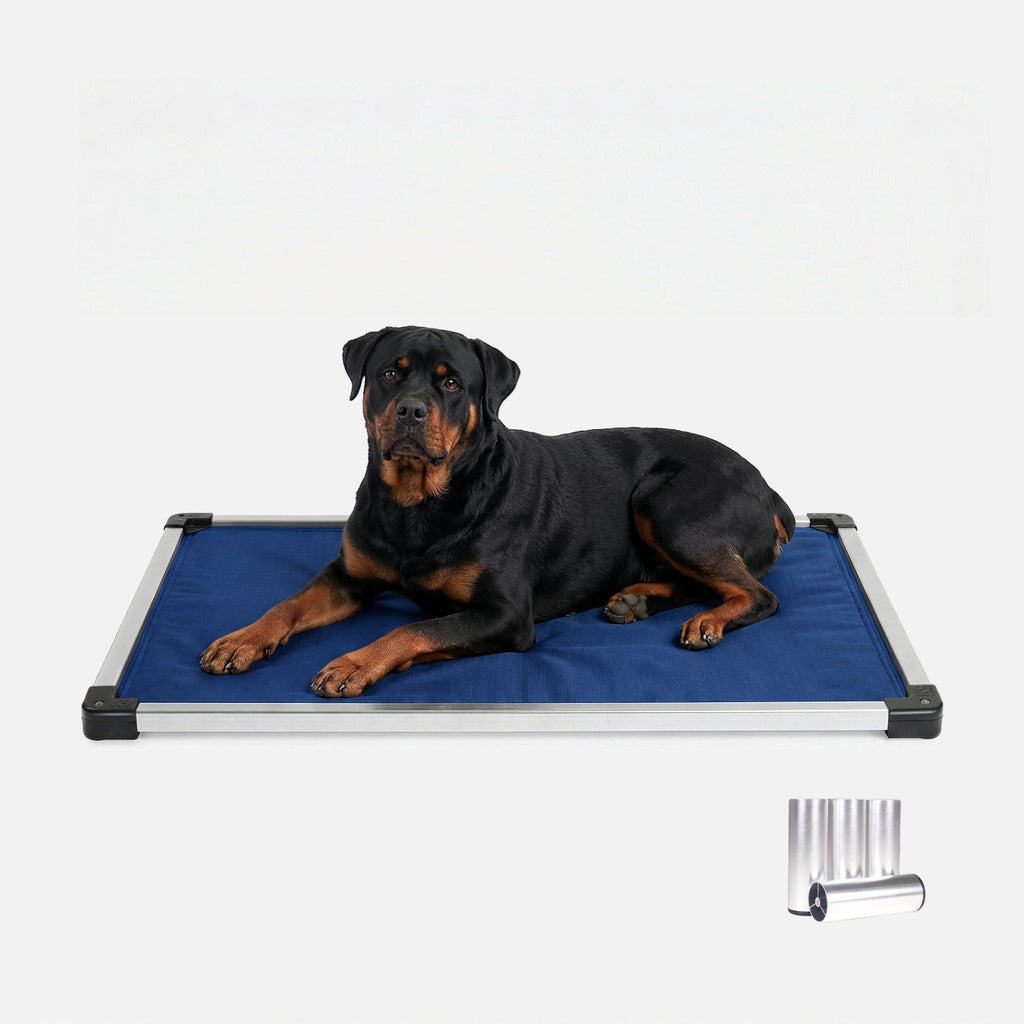
For most aggressive chewers, the best indestructible dog bed is a heavy-duty elevated cot made with ballistic fabric, reinforced seams, and a sturdy aluminum or steel frame. Raised beds are often more durable than stuffed beds because they give dogs fewer loose edges to grab, pull, and tear.
A strong elevated bed also stays cooler and dries faster than a foam mattress. That makes it useful for hot climates, messy paws, outdoor kennels, and dogs that like to scratch before settling down.
Still, no dog bed is truly indestructible. A determined dog may damage even the strongest fabric or frame. The better term is chew resistant, because durability depends on the dog, the material, and how the bed is used.
Best indestructible dog bed types
Different bed styles solve different problems. Before choosing a product, consider how your dog sleeps and what usually causes damage.
Elevated chew-proof dog beds
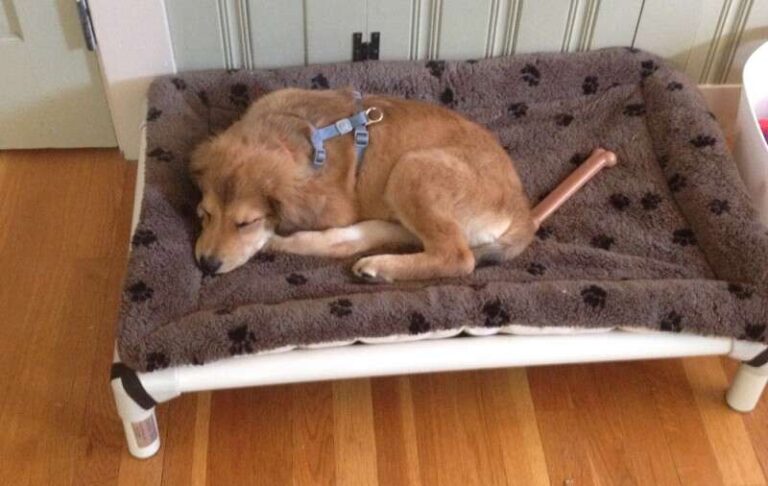
An elevated cot is usually the safest starting point for a destructive dog. It has a firm fabric panel stretched across a frame, so there is no large pile of foam for your dog to dig into.
Key benefits include:
• Tough fabric that resists scratching and chewing
• Better airflow under the dog
• Easy cleaning with a hose or damp cloth
• Less moisture buildup than a floor-level cushion
• A firm surface that can support many body types
The best indestructible dog bed for outdoor use is often an elevated cot with a rust-resistant frame. Look for sealed or coated metal, tightly fitted fabric, and feet that will not slide across smooth floors.
Heavy-duty orthopedic dog beds
Some older dogs need more than a tough surface. They need pressure relief for the hips, shoulders, and spine. In that case, choose a durable orthopedic bed with dense foam and a cover made from ripstop or ballistic fabric.
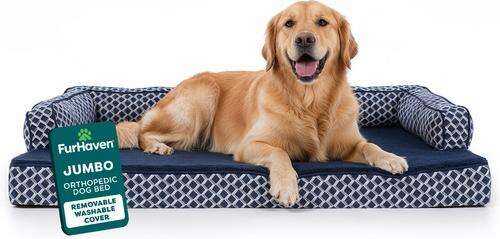
Memory foam can offer comfort, but it is not automatically chew proof. If your dog tears fabric, the foam may be exposed quickly. A removable cover with a strong zipper and an internal waterproof liner can add protection.
Chew-resistant crate mats
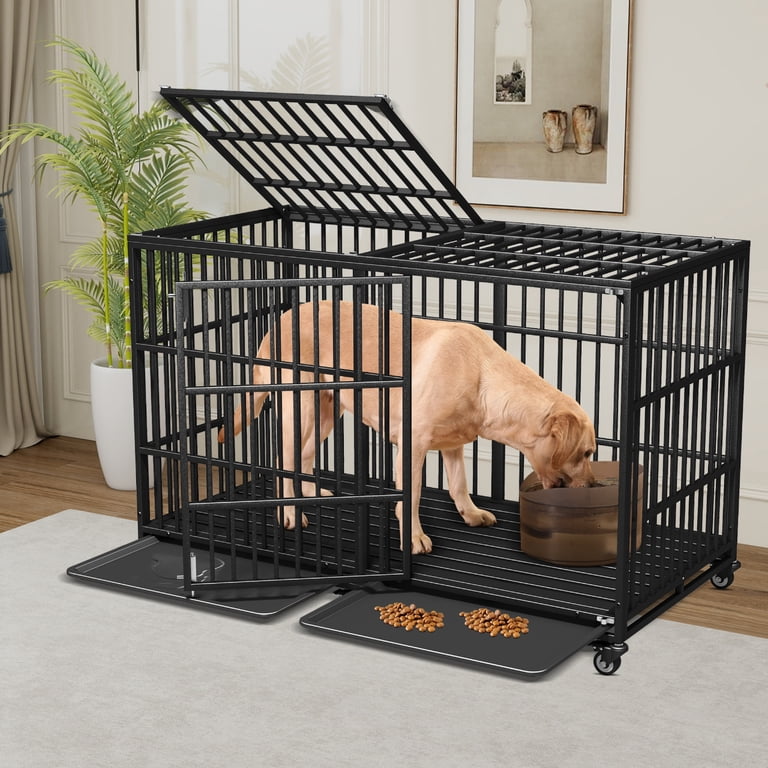
A crate mat is a practical choice for dogs that sleep in a kennel. The best models are thin, tightly sewn, and made without loose piping or fluffy edges.
Avoid thick beds with exposed zippers inside the crate. A bored dog may treat those parts like a toy. For puppies and serious chewers, a simple reinforced mat is often safer than a plush mattress.
Waterproof outdoor beds
Outdoor beds need to handle more than teeth. They may face rain, mud, sun, mildew, and rough ground. Choose materials that dry quickly and do not trap water inside.
A raised cot usually performs better outdoors than a stuffed bed. If you use a cushion, store it indoors during rain and inspect it often for damp spots or damaged seams.

What makes a dog bed nearly indestructible?
The fabric, frame, seams, and design all matter. A bed can use a tough material and still fail if the stitching is weak.
Strong fabric
Look for these materials:
• Ballistic nylon, which has a tight weave and good abrasion resistance
• Ripstop polyester, which helps stop small tears from spreading
• Coated canvas, which can resist moisture and rough use
• Heavy vinyl mesh, which is easy to clean and allows airflow
Fabric thickness matters, but it is not the only measure of quality. A thick fabric with poor stitching may fail sooner than a lighter fabric with reinforced seams.
Reinforced seams
Dogs often start damage at corners, edges, and seams. Double stitching, folded hems, and protected corners can slow this process.
Check product photos closely. If the fabric looks loose around the frame, your dog may be able to hook a tooth or claw into it. Tight fabric is harder to lift and pull.
A sturdy frame
For an elevated bed, the frame should remain stable when your dog jumps on and off. Aluminum is light and resists rust. Steel can be very strong, but it may weigh more and need a protective finish.
The frame should not have sharp corners, exposed screws, or gaps that can catch a paw. Rubber feet are helpful on tile, wood, and other smooth floors.
Limited loose parts
Toys, zippers, buttons, cords, and exposed foam can become weak points. A simple bed often lasts longer because it gives a destructive dog fewer targets.
This is one reason the best indestructible dog bed is usually not the softest or most decorative model. Simple design often wins the durability test.
Our top pick for most aggressive chewers
For many large, powerful, or persistent chewers, a chew-proof elevated bed from a specialist heavy-duty brand is the strongest overall choice. Products such as the K9 Ballistics Chew Proof Armored Elevated Dog Bed and similar reinforced cot designs are built around a metal frame and tightly stretched ballistic fabric.
These beds suit dogs that:
• Dig before lying down
• Destroy stuffed cushions
• Spend time in crates, garages, or outdoor areas
• Need a cool sleeping surface
• Have already damaged several regular beds
The best indestructible dog bed in this category should have a clear warranty, replaceable fabric, and a size rating above your dog’s actual weight. A replaceable panel is especially valuable because it can extend the life of the frame.
Best for orthopedic support
A Kuranda-style chew-resistant dog bed can be a strong option for dogs that need a firm, elevated sleeping surface. Its design usually keeps the sleeping fabric under tension and removes much of the soft material that dogs like to rip apart.
For dogs with arthritis or joint pain, add a thin, durable cushion only if your dog will not destroy it. Ask your veterinarian about the best support level if your dog has hip dysplasia, arthritis, or a recent injury.
Best budget approach
A basic elevated cot can offer excellent durability without the cost of a premium orthopedic bed. Look for a powder-coated frame, tight mesh, replacement parts, and a weight limit well above your dog’s size.
A cheap bed may seem like a bargain, but replacing it every few months costs more over time. Check customer photos and warranty terms rather than judging quality by price alone.

How to choose the right indestructible dog bed
Knowing what is the best indestructible dog bed for your dog requires a simple assessment. Focus on behavior, not just breed.
1. Measure your dog correctly
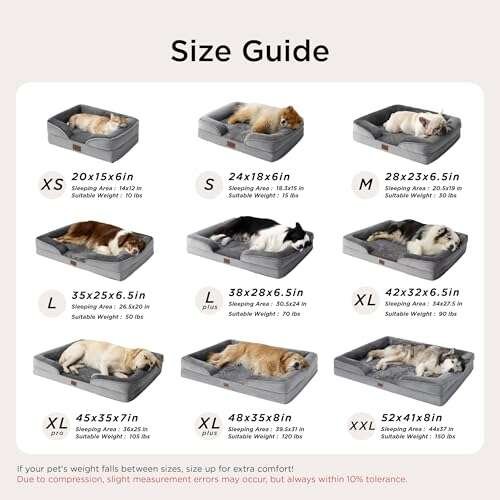
Measure from the nose to the base of the tail. Add about 10 to 12 inches for a dog that likes to stretch out.
Also measure your dog while lying down. Weight limits matter, but sleeping length and width are just as important. A bed that is too small may suffer extra stress because your dog constantly pushes against the edges.
2. Study chewing behavior
Ask yourself:
• Does your dog chew only when bored?
• Does your dog destroy fabric within minutes?
• Does your dog scratch but rarely bite?
• Does your dog carry the bed around?
• Does your dog wet or soil the bed?
A mild chewer may do well with a durable mattress. A determined chewer usually needs a simple elevated bed with no exposed foam.
3. Consider sleeping habits
Some dogs curl up. Others stretch out, burrow, or lean against raised sides. If your dog loves nesting, a tough-sided bed may be more comfortable. If your dog overheats, an elevated mesh cot may be better.
Do not assume your dog wants the softest bed. Many dogs prefer firm support, especially in warm weather.
4. Check cleaning needs
A washable cover is useful, but it does not make a bed waterproof. Look for removable covers, sealed liners, quick-dry fabric, and surfaces that can be wiped or hosed down.
Wash bedding according to the care instructions. Strong cleaners can weaken fabric coatings and irritate your dog’s skin.
5. Inspect the warranty
A warranty can show that a company has confidence in its construction. Read the fine print carefully. Some warranties cover manufacturing defects but exclude chewing, outdoor use, or normal wear.
A chew guarantee may have strict rules about supervision and product registration. Save your receipt and follow the care instructions.

Mistakes that shorten a dog bed’s life
Even the best indestructible dog bed can fail when it is used in the wrong setting. These common mistakes are easy to avoid.
Buying for appearance instead of behavior
A plush bed may look comfortable, but it can be a poor match for a dog that tears seams. Choose structure and safety before color or style.
Choosing the exact weight limit
If your dog weighs 70 pounds, do not buy a bed rated for 70 pounds. Movement creates extra force when dogs jump, turn, and drop onto the surface. Choose a larger safety margin.
Leaving a damaged bed in use
A small tear can become a large opening in one night. Remove the bed when you see loose threads, exposed foam, broken hardware, or sharp frame edges.
Using a bed as a chew toy
A durable dog bed is not a substitute for supervision or enrichment. Give your dog safe chew toys, daily exercise, and mental activity. A tired and occupied dog is less likely to attack bedding.
Ignoring heat and joint needs
A tough bed can still be uncomfortable. Dogs need a sleep surface that fits the weather and their body. Use a cool cot in summer and a supportive cushion when extra padding is needed.

How to make an indestructible dog bed last longer
Durability improves when you pair the bed with good habits.
• Place the bed away from sharp crate edges and rough walls.
• Keep nails trimmed to reduce accidental snags.
• Wash dirt and grit from fabric before it works into the weave.
• Rotate or replace removable panels when the design allows it.
• Reward your dog for resting calmly on the bed.
• Provide safe chew toys near the sleeping area.
• Inspect the frame, feet, seams, and fabric each week.
Training also matters. If your dog starts chewing the bed, calmly redirect the behavior. Praise your dog when they choose a toy instead. Punishment may create stress without teaching the behavior you want.
In my experience comparing durable pet products, the biggest mistake is waiting until a dog has already opened a seam. Early inspection is like checking the tread on a tire. It is a small task that can prevent a much bigger problem.

Are indestructible dog beds safe?
A durable bed is safe only when it remains intact and fits the dog correctly. Broken fabric, swallowed stuffing, loose threads, and exposed metal can create choking, digestive, or injury risks.
Check the bed each day during the first week. This is especially important for puppies, strong chewers, and dogs that have a history of swallowing fabric.
Veterinary guidance commonly recommends removing damaged bedding and watching for vomiting, loss of appetite, belly pain, or unusual tiredness after a dog swallows part of a bed. Contact a veterinarian promptly if you think your dog has eaten fabric, foam, or hardware.
The best indestructible dog bed should also allow normal movement. Your dog should be able to stand, turn, stretch, and lie down without hanging over the edges.

How much should you spend?
The price of the best indestructible dog bed can range from about $40 for a basic cot to more than $200 for a premium chew-resistant or orthopedic model. Price alone does not prove quality.
Think about total cost. A $70 bed that lasts three years may be a better value than a $35 bed that needs replacement every few months.
Before buying, compare:
• Replacement fabric costs
• Frame materials
• Warranty length
• Cleaning instructions
• Available sizes
• Weight capacity
• Customer reports about chewing and sagging
A higher price makes sense when the bed has replaceable parts and strong support. It makes less sense when you are paying mainly for decorative fabric or extra pillows your dog may destroy.

Frequently Asked Questions
What is the best indestructible dog bed for aggressive chewers?
The best option is usually a raised cot with ballistic fabric, reinforced seams, and a metal frame. No bed is completely indestructible, so choose one with replaceable parts and inspect it often.
Are elevated dog beds better for chewers?
They can be, because they usually contain less foam, stuffing, and loose fabric. Their simple design gives a destructive dog fewer parts to grab and tear.
What is the best indestructible dog bed for a large dog?
Choose a heavy-duty bed with a weight rating well above your dog’s weight and enough room to stretch. A reinforced aluminum or steel cot is often a practical choice for large breeds.
Can a dog really not destroy an indestructible bed?
No dog bed can guarantee permanent protection against every chewer. “Indestructible” usually means highly chew resistant, not impossible to damage.
Are memory foam dog beds good for aggressive chewers?
Memory foam can provide excellent support, but the foam itself is not chew resistant. Use it only with a tough, well-fitted cover and supervise dogs that tear fabric.
How do I stop my dog from chewing the bed?
Provide safe chew toys, increase exercise and mental play, and reward calm bed behavior. Remove the bed if your dog begins tearing it, since swallowed fabric can be dangerous.
Conclusion
The best indestructible dog bed is usually a simple, raised cot with strong fabric, reinforced seams, and a stable frame. For dogs with joint needs, choose durable orthopedic support, but protect any foam with a tough cover. Always match the bed to your dog’s size, habits, climate, and chewing strength.
Inspect the bed often, replace damaged parts quickly, and use training and enrichment alongside a durable design. Compare the options carefully, choose a generous size, and share your experience or questions in the comments.

Pet Care Writer & Researcher
Daniel writes practical guides on daily care, feeding, and safety, turning complex topics into simple, actionable advice.